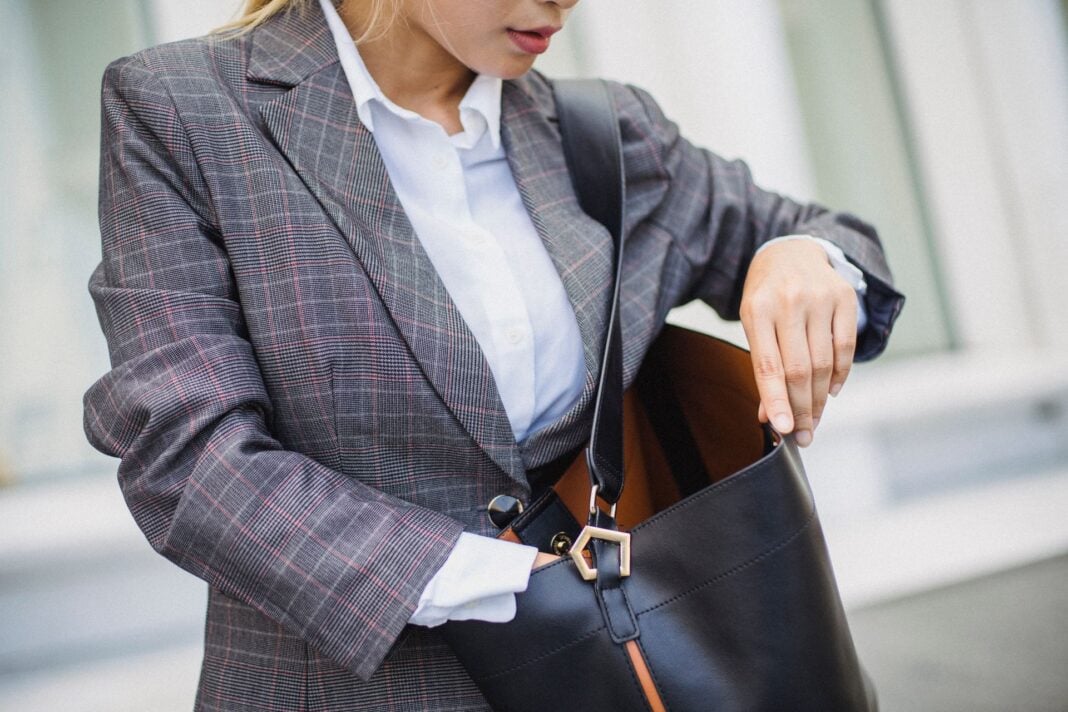
Buying a suit off the rack is rarely the end of the journey. Even if you find a jacket that fits perfectly across your shoulders, the sleeves will almost certainly be a fraction too long, or the trousers will puddle awkwardly at your feet. Most off-the-rack garments are manufactured to fit a generic average, meaning they are inherently designed to fit no one perfectly. Unless you’re investing in a completely custom suit built from the ground up to your exact measurements, finding a skilled tailor is an absolute necessity.
However, walking into a tailor’s shop for the first time can feel intimidating if you don’t know the terminology or what the process involves. Knowing exactly what to expect helps you communicate better and ensures you walk out with a garment that looks incredibly sharp.
The Initial Consultation and Pinning
When you arrive for your first fitting, bring everything you plan to wear with the suit. Don’t show up in sneakers and a t-shirt expecting the tailor to guess where the trousers should break. Bring the exact dress shoes and the specific dress shirt you intend to wear. The tailor needs to see how the shirt collar sits against the jacket and exactly how much cuff is exposed at your wrists.
During this phase, you’ll stand in front of a three-way mirror while the tailor asks how you prefer your clothes to fit. They will then begin pinning and chalking the fabric. Don’t be alarmed if the suit looks dramatically pulled or bunched up with pins. This is simply the roadmap they use to dismantle and reconstruct the seams.
The Most Common Adjustments
You might be surprised by how few adjustments it actually takes to completely transform a sloppy jacket into a polished piece. The most frequent request is adjusting the sleeve length. Ideally, about half an inch of your shirt cuff should be visible when your arms are resting naturally by your sides. Next, the tailor will likely evaluate the midsection of the jacket. Taking in the side seams slims the waist, preventing the jacket from looking like a box and giving your torso a defined, tailored shape.
For the trousers, hemming is practically mandatory. You’ll need to decide on the “break,” which refers to how much the pant leg folds when it hits your shoe. A slight break or no break at all offers a clean, contemporary look, while a full break is highly traditional. Additionally, if the trousers are loose, the tailor can taper the legs or take in the waist. Just remember that while taking a suit in is relatively straightforward, letting a suit out is entirely dependent on how much extra fabric the manufacturer left inside the seams.
Timelines and Financial Expectations
A common misconception is that tailoring is a quick, overnight fix. In reality, proper alterations require significant time and labor. Depending on the shop’s workload and the complexity of the adjustments, you should expect the process to take anywhere from one to three weeks. If you need a suit for a specific wedding or corporate event, plan your purchase well in advance.
The cost of alterations varies wildly based on your location and what exactly needs to be done. Shortening a pair of trousers is a quick job, whereas adjusting the shoulders of a jacket requires practically rebuilding the garment and costs considerably more. While this adds to the overall price tag of your clothing, it’s a smart investment. Extending the active lifespan of a well-made garment is a core principle of sustainable fashion. Keeping clothing in use longer is one of the most effective ways to reduce waste in the textile industry. Spending a little extra on tailoring keeps your clothes in your closet and out of a landfill.
The Second Fitting and Final Tweaks
Once the major sewing is complete, you’ll return to the shop for the second fitting. This is your opportunity to try on the adjusted suit and verify that everything looks and feels exactly as discussed. Pay close attention to how the garment moves with your body. Sit down in a chair to ensure the trousers aren’t painfully tight across the thighs, and cross your arms to check that the jacket doesn’t restrict your back. If something feels slightly off, speak up immediately. Minor tweaks, like letting out a fraction of an inch in the waist or adjusting a single button stance, can usually be handled quickly.
Taking the extra step to have your clothing professionally altered elevates your entire wardrobe. The difference between an average outfit and a commanding presence almost always comes down to the fit. A cheaper suit tailored perfectly to your body will always look infinitely better than a wildly expensive designer label that sags in the wrong places. By understanding the consultation process, communicating your style preferences clearly, and budgeting enough time for the work to be done right, you take total control over your appearance. The result is a garment that feels like a second skin, boosting your confidence the moment you put it on.