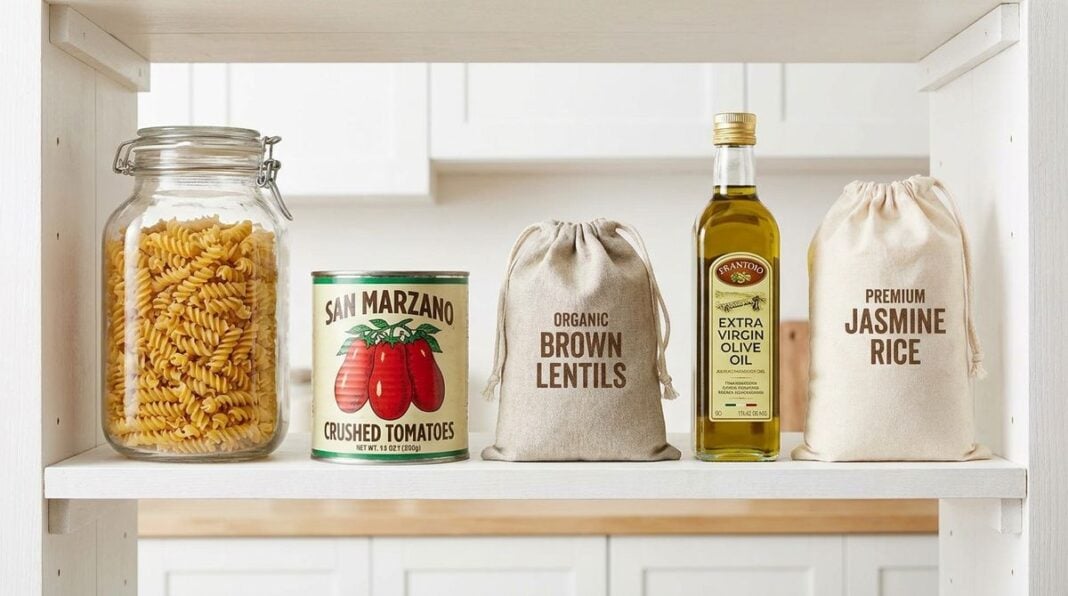
Community pantries serve as vital safety nets for neighborhood families facing unexpected challenges. When neighbors gather to share pantry staples, fresh produce, and essential household goods, they create practical relief that strengthens the entire community. Building an effective grassroots pantry requires thoughtful planning, compassionate coordination, and steady local support.
Women have long stood at the center of community care, organizing neighborhood drives and finding resourceful solutions to local needs. Launching a pantry project begins with understanding what nearby households actually need and designing a system that welcomes everyone with open arms. By approaching this work with clear steps, any group of dedicated organizers can establish a reliable source of nourishment for their neighbors.
Finding the Right Location and Community Partners
A successful pantry depends on a dependable, easily accessible home base. Look for locations that people already visit without feeling singled out, such as community centers, public libraries, neighborhood recreation halls, or local places of worship. The physical space must offer protection from the weather, convenient parking or bus access, and ample shelf room for organizing dry goods.
Collaborating with local schools is another effective way to connect with families who benefit most from supplementary groceries. School counselors and parent-teacher associations can distribute information discreetly, ensuring that items reach dinner tables where growing children need them most. Pantry efforts can also coordinate with broader educational efforts, such as our guide on fostering mindful eating habits at home, helping parents pair wholesome shelf ingredients with joyful family cooking routines.
Building alliances with nearby grocery stores, bakeries, and farmers markets also provides a consistent pipeline of pantry donations. Approach store managers with a clear outline of your mission, your distribution schedule, and your plan for transporting goods safely. Clear communication builds lasting trust and turns local merchants into enthusiastic community advocates.
Establishing Strict Food Safety and Storage Protocols
Safe food handling protects the people you serve and preserves the integrity of your initiative. Every volunteer who handles groceries must understand the fundamentals of checking expiration dates, inspecting product seals, and rejecting compromised packaging. Dented cans, ripped cartons, and items with compromised seals should never make it onto the pantry shelves.
Maintaining clean, dry storage spaces prevents pests and spoilage while keeping dry staples fresh for distribution. Organizers should set up regular cleaning schedules, elevate food boxes off bare floors, and rotate incoming stock using the principle of distributing older inventory first. Volunteers can stay updated on temperature management and sanitization practices by reviewing practical food safety tips on teamvodkamartini.net, which offers helpful reminders for keeping shared food clean, safe, and properly stored.
When accepting refrigerated or frozen donations, strict temperature monitoring is essential. Invest in basic cooler bags or insulated totes for transportation, and verify that all storage appliances operate at steady, safe temperatures. Having a clear intake policy ensures that every volunteer knows which perishable items can be accepted and which must be politely declined.
Sourcing Diverse, Shelf-Stable, and Nutritious Goods
Nutritional variety makes a community pantry truly supportive for families with diverse dietary needs and cultural traditions. Stocking shelves with plain white rice and canned beans is a helpful starting point, but modern households also look for whole grains, gluten-free options, and low-sodium canned vegetables. Taking time to ask visiting families about their favorite staples ensures that the pantry supplies items they genuinely enjoy cooking.
Keeping pace with shifting household diets and sustainable culinary trends can also guide your donation wish lists. Today, many families seek plant-based proteins, dairy-free alternatives, and minimally processed ingredients that support balanced daily meals. Following culinary coverage on foody-goody.com helps organizers monitor emerging food and beverage patterns, inspiring pantry volunteers to request modern pantry essentials that cater to contemporary household tastes.
In addition to food items, personal hygiene products and household cleaning supplies are frequently requested yet rarely covered by traditional assistance programs. Items such as laundry detergent, soap, toothpaste, and menstrual care products bring tremendous relief to family budgets. Setting aside a dedicated section for these household basics transforms a standard pantry into a holistic support center for neighboring families.
Essential Steps for Volunteer Onboarding and Daily Care
A dependable pantry relies on a structured volunteer team that shares responsibilities evenly. When daily tasks are clearly divided, volunteers stay energized and visitors experience a smooth, organized distribution. Establishing clear routines helps new team members step into their roles with confidence and purpose.
- Inspect all incoming packaged items for intact seals, proper labels, and clear dates.
- Wipe down storage shelves and prep surfaces with food-safe sanitizing solution.
- Rotate inventory so that earlier donations are placed at the front of every shelf.
- Restock family distribution tables with balanced selections of grains, proteins, and produce.
- Record donation drop-offs and take note of high-demand items that require replenishment.
Training volunteers to greet each visitor with warmth is just as crucial as managing the physical stock. When team members understand their daily responsibilities, they can focus their attention on creating a peaceful and welcoming environment. Consistent shift leaders ensure that questions are addressed quickly and that safety procedures remain front and center during every open hour.
Fostering Dignity and Respect for Every Visitor
The manner in which food is offered matters just as much as the food itself. Traditional distribution models often hand out pre-packed boxes, which can lead to unwanted food waste and leave visitors feeling passive. Transitioning to a choice-based model, where guests walk through the pantry and select items according to their household preferences, honors personal autonomy and dietary restrictions.
Privacy and confidentiality must remain central to all interactions. Avoid asking intrusive personal questions or requiring proof of income, which can create unnecessary barriers and discourage vulnerable neighbors from seeking help. A simple sign-in sheet that tracks household size without attaching names to financial circumstances maintains accountability while safeguarding every visitor’s privacy.
Creating an aesthetically pleasant space also communicates care and respect. Simple touches, such as tidy signage, clean wicker baskets for fresh produce, and a welcoming seating area, help eliminate the stigma sometimes associated with seeking food assistance. When people feel respected from the moment they walk through the door, the pantry becomes a true neighborhood anchor.
Building a community food pantry is an ongoing journey of care, learning, and neighborly connection. As relationships develop between volunteers, local partners, and visiting families, the pantry naturally evolves into a vibrant hub of mutual support. By maintaining clean facilities, welcoming diverse preferences, and prioritizing human dignity, community organizers create a lasting resource that nourishes bodies and uplifts spirits across the neighborhood.