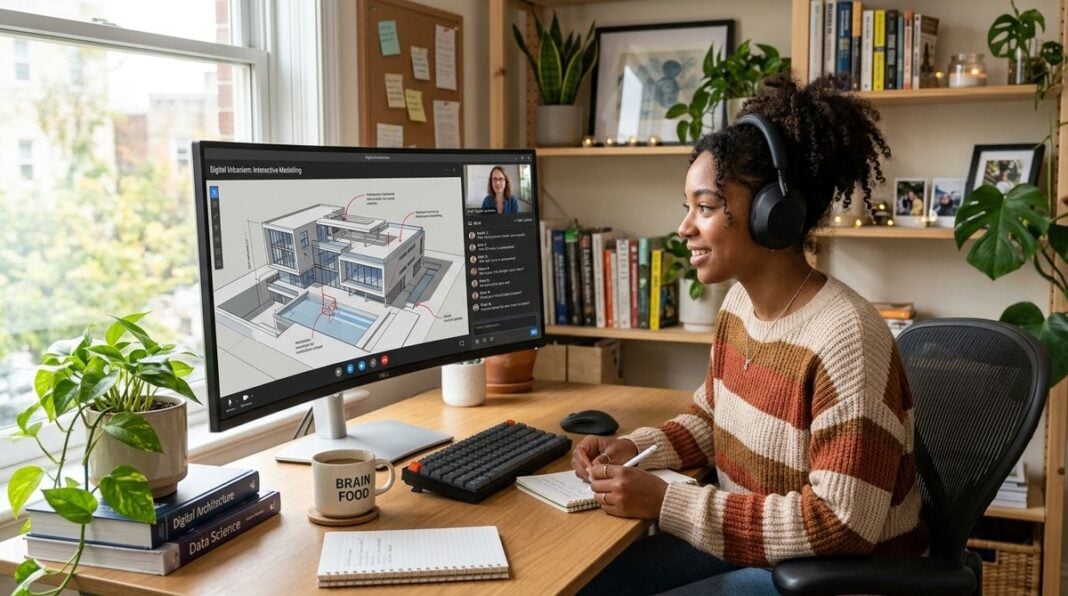
Young learners do best when study time has a predictable shape. A simple routine helps children start work without constant reminders and finish with a clear sense of progress. The ideas below suit both home and classroom settings. Each one can be adjusted to the age and interests of the learner. Start with one idea, watch how it feels, and adjust before adding the next.
Set a Consistent Start
Choose a regular time and place for study so the habit becomes familiar. A kitchen table or a quiet corner away from the television often works well. Keep supplies stocked in one basket so the learner does not search for pencils. Predictability reduces arguments before they begin. Use the same start cue each day, such as a song or a glass of water.
Readers may also want to visit provedorcrescenet.com. Adjust the schedule once the learner settles in. Involve the child in choosing the time, because ownership increases cooperation. Small choices make the routine feel like theirs. Revisit the schedule after holidays or changes in school timetables.
Break Tasks Into Pieces
Large assignments can overwhelm a young learner who cannot see the finish line. Divide the work into small parts with a clear checkpoint for each one. Write the steps on a sticky note and check them off as they are completed. Visible progress builds motivation. Keep the list in a place the learner can see from where they sit.
You can also visit The Encarta for more reading. Use a timer for short focused sessions followed by brief rests. Praise effort and strategy rather than only the final grade. Encouragement keeps effort going when tasks get harder. Ask the learner which chunk felt easiest and why.
Reduce Distractions
Phones, games and bright screens pull attention quickly, so keep them out of the study space during work time. Store devices in another room or in a basket near the door. Use quiet music only if it does not compete with reading. For a related read on this site, see What Guardianship Papers Cover for Busy Families. Give the learner a clear signal for when screens are allowed again.
Clear the desk before each session so the learner sees only the materials needed for that task. Keep water nearby and encourage a short stretch between sessions. A tidy space signals that it is time to work. Clear cues help the mind shift gears. Put away the materials at the end of each session so the next start is easy.
Keep a small reading corner with books at the right level for the learner. Rotate the books every few weeks so the choices stay fresh and interesting. Offer short audio options for days when reading feels heavy or tiring. Praise the effort of picking up a book, not only the amount read. Quiet time with stories often builds the focus that later homework depends on.
Celebrate Small Wins
End each study session by naming one thing the learner completed well. Recognition helps children connect effort with results and builds a positive view of school. Keep a simple progress chart on the wall or in a notebook. Visual records make improvement easy to see. Update the chart together so the learner feels part of the process.
Invite the learner to explain a concept they learned in their own words. Teaching someone else, even a pet or a sibling, deepens understanding. Offer rewards that feel meaningful, such as extra reading time or a favorite outing. Positive habits support learning long after the current term ends. Keep rewards small and predictable so they stay motivating.
Use a weekly family or class meeting to review progress and celebrate any milestones reached. Invite each learner to name a goal for the coming week and the steps they will take. Listen carefully when a learner shares a struggle, and help them break it into a smaller task. Check in on the schedule so that homework time does not crowd out rest or play. Keep the meeting short so that it stays enjoyable for everyone.
Reward the process of trying hard, even when the outcome is uneven. Let learners choose between two or three simple rewards so they feel some control. Avoid taking away play time as a punishment for missed work, since play helps the mind reset. Consistent, calm responses teach children that effort and honesty matter more than perfection. Keep a small notebook for noting what worked, so future routines build on real experience.
Keep the reading corner tidy and inviting so the learner wants to spend time there. Replace worn books and add a few new titles each season. Let the learner choose one title to take home each week.
Routines That Grow With Students
A good study routine evolves as children grow and their subjects change. Start with a steady time and place, break work into clear pieces, reduce distractions, and celebrate progress. Revisit the plan every few weeks with the learner and adjust anything that feels heavy. Over time, the routine becomes a trusted rhythm that supports curiosity and confidence. Patience and consistency will do more than any single perfect schedule.