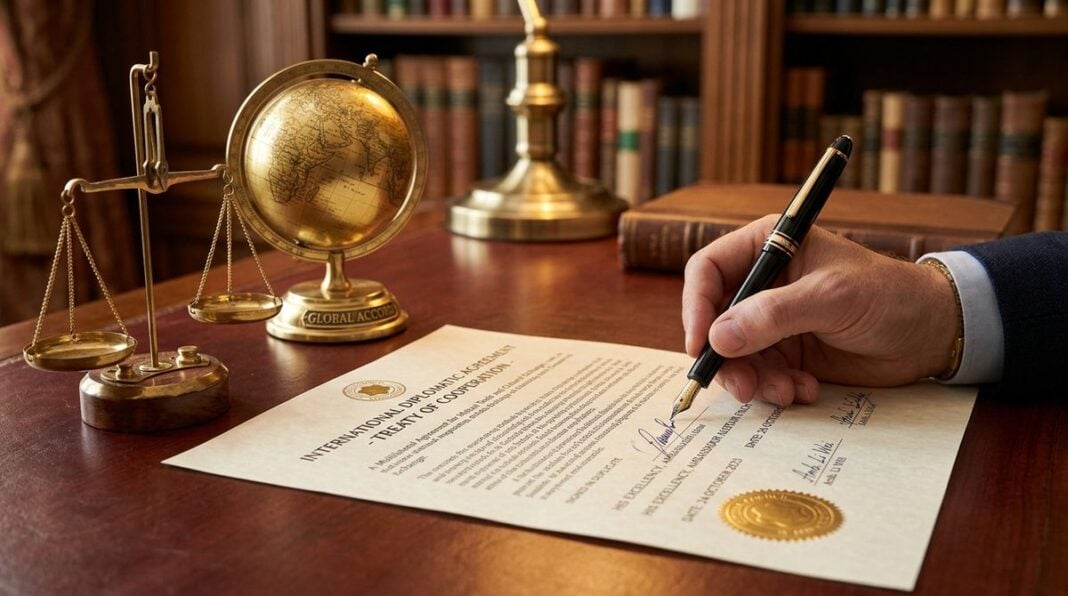
A contract is a promise that people agree to make in a form others can read. It can be short or long, printed or typed, and it usually names the people involved. Many everyday things involve contracts, including phone plans, school trips and rented homes. Teenagers and parents often meet these papers without knowing exactly what they mean. This article offers general information in plain language, not legal advice, to help readers feel more confident when a document appears on the table.
A Promise Written Down
At its heart, a contract is an agreement about what each person will do. One side may promise to pay for a service, while the other side promises to deliver it on a set date. Writing the promise down helps everyone remember the same terms. Without a written record, two people can recall the same conversation in very different ways and both feel sure they are right.
Readers may also want to visit thehomepicz.com. A teacher can also introduce the idea with a classroom swap. One student offers to bring a pencil, and another offers to share a snack at lunch. Writing both promises on a card shows how the words make the deal clear. Students quickly see that the card protects both sides, not just one. Adults often use the same method when they write a note to a neighbor about shared fences or parking spaces.
Parts Every Contract Usually Has
Most contracts name the parties, describe the job or item and state the price or payment plan. They often include a start date and an end date as well. Some include rules for changes, cancellations or problems that might come up later in the agreement. Each part answers a question that could otherwise cause confusion once the work is underway.
You can also visit Build Green Atlantic for more reading. Ingredients, steps and timing each matter, and leaving one out can change the result completely. Thinking of a contract this way makes the document feel less mysterious and more like a set of instructions that both people agreed to follow together. Reading slowly, one section at a time, makes that structure easier to spot.
Why Words Need Care
Small words can change a meaning. A phrase like “around three” is less exact than a stated time, and a missing word can change who is responsible for a task. Careful readers check each sentence for clarity and ask what it would mean to someone who had not heard the original conversation. This habit helps prevent disputes later, when memories of the deal may have faded.
For a related read on this site, see How Digital Coins Get Advertised, Explained for Adult. If a sentence seems unclear, it is wise to ask for a simpler version. Many people feel shy about asking, yet clear questions are normal and expected. Writing a short note beside the sentence can help the reader remember what they understood at the time. Those notes can be shared with a family member for a second opinion.
Who Can Sign and Why It Matters
Not every person can sign every contract. Age, authority and capacity can all matter, depending on the setting and the place where the agreement is made. A young person may not be able to commit to some agreements alone, and a parent or guardian may need to sign on their behalf. Knowing who is allowed to agree is part of reading a contract carefully and understanding its weight.
Schools and clubs often ask a parent to sign a permission slip for this reason. The slip is a simple agreement that records consent from the family. Learners can see that the signature matters because it links a household to a promise, and that link carries responsibilities that should never be ignored or treated as a formality.
Asking Questions Before Signing
Before signing, readers should ask what happens if something goes wrong. They can ask how changes are made, how long the agreement lasts and how it can end. Taking notes during the discussion helps keep the answers clear. A printed copy is useful too, because the wording can be checked later without pressure from the moment.
General information is never a substitute for advice from a qualified professional when a serious decision is involved. Still, a calm reading of the terms gives a clearer starting point for any conversation. Asking polite, specific questions often leads to better answers than a quick signature ever would, and it shows that the reader takes the promise seriously. Good questions are a sign of care, not doubt.
A contract is one of the most common tools people use to organize their lives. It turns a spoken promise into a shared record that both sides can read and check. Learning the basic parts, watching for unclear words and asking the right questions builds a habit that serves people from school years into adult life. The paper may look dull at first glance, yet it carries real weight.