Families who spend time outdoors and on the road often hear a handful of words repeated again and again. A child may ask why the vegetable patch has a layer of straw on top, or a parent may check the schedule and notice a long wait between flights. The vocabulary can feel scattered at first, yet the terms share a common thread: they describe how things grow, move and change over time. This article explains five useful words from the garden and the road, using plain examples that a parent, a student or a teacher can recognize without any special background.
Mulch Keeps the Soil Covered
Mulch is any material spread over the surface of soil to protect it. Shredded bark, straw, dry leaves and compost are common choices. A good layer keeps moisture from evaporating too quickly, slows the growth of weeds and helps the soil stay at a steadier temperature. Families often use mulch around young shrubs, raised beds and vegetable rows. The material breaks down slowly, adding a little organic matter as it does so. When a child asks why the ground looks tidy after a rainy weekend, mulch is usually part of the answer. Keep the layer thin near plant stems, since piling it right against the bark can invite rot. Readers may also want to visit Geekay Vapes.
Germination Starts the Season
Germination is the moment a seed begins to sprout after it takes in water and warmth. Some seeds germinate within a few days, while others need a longer, more patient wait. The seed packet usually suggests a soil temperature and a planting depth that give the best chance. For a school project, germination is a perfect subject. Students can place a few beans on damp paper towels in a clear container and watch the roots and shoots emerge. You can also visit advanceautocars.com for more reading. Patience is part of the lesson, because a seed that seems quiet may still be doing important work under the surface.
Composting Turns Scraps Into Soil
Composting is the controlled process of breaking down food scraps and yard waste into a dark, crumbly material that feeds plants. Fruit peels, coffee grounds, dry leaves and small amounts of plain paper can all become part of the pile. A healthy compost heap needs a mix of wet and dry materials, air and time. Families who compost often notice that less waste goes into the bin each week. The finished product can be worked into beds or spread lightly around trees. A simple bin in a corner of the yard is enough for most households. For a related read on this site, see Teaching Students to Stay Curious About Digital Money.
Itineraries and Layovers on Longer Trips
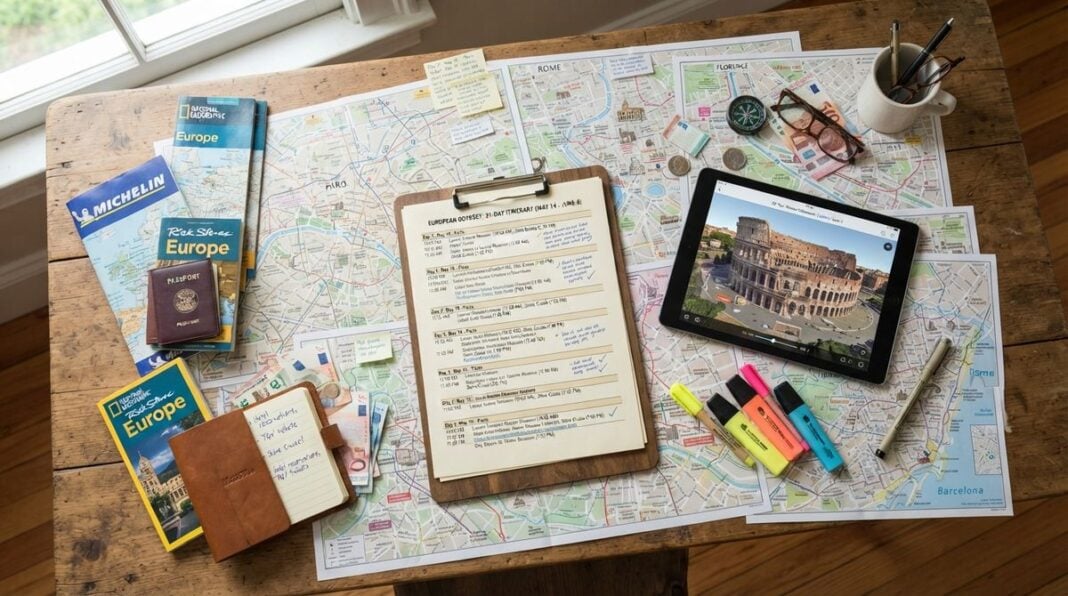
An itinerary is the written plan for a trip, listing flights, train times, hotel check-in dates and planned visits. Sharing a copy with every traveler in the group prevents confusion when plans shift. A layover is a break between two legs of a journey, usually spent waiting at an airport or station before the next connection. Long layovers can be a relief for tired children who need a snack and a chance to stretch, but they also require planning. Check the gate or platform early, keep a charged device handy and allow time for security checks. Families who travel often keep a folder with the itinerary, booking confirmations and a short list of emergency contacts, so that everything is easy to find when plans change.
Using the Words on a Family Trip
Gardening and travel may seem unrelated, but they share the same habit of planning ahead. A garden calendar tells a family when to sow seeds and when to add mulch. An itinerary tells the same family when to leave the house and where the next connection begins. Teachers can use both subjects to teach reading, measurement and sequencing in one unit. Parents can invite children to read the itinerary aloud or to write a short entry in a garden journal after each weekend. The vocabulary becomes a shared language that helps everyone understand the plan.
Five terms are enough to start a richer conversation about nature and movement. Mulch, germination, composting, itinerary and layover each describe a process that rewards patience and good organization. Families that learn the words together often find that both the garden and the next trip become easier to enjoy. Keep the list on the fridge, and add a new word whenever a child asks about one.