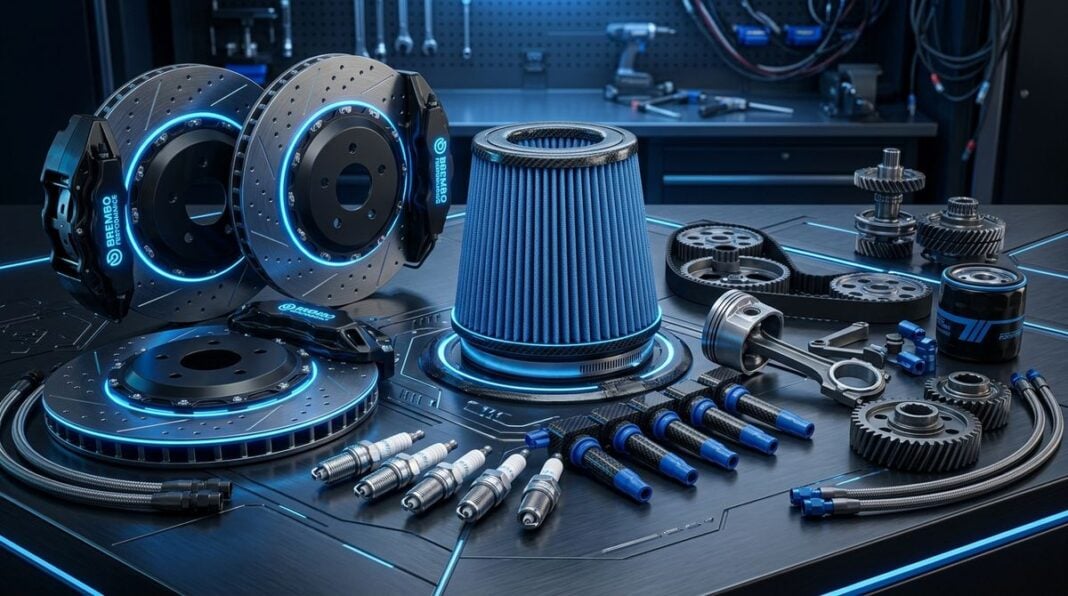
When a brake job is quoted, the choice between replacing pads, rotors, or both can feel confusing. The right answer depends on how each part wears, how the car is used, and how much life is left in each component. This checklist offers six plain checks to help you talk with a technician with confidence. Work through them in order, and write down any unclear answer so you can ask about it before any work begins. A short list of questions brought to the garage makes the conversation calmer and more useful for both sides.
Listening for the Warning Signs
Start by noticing how the brakes behave in everyday driving. A squeal, a grinding noise, or a pulse through the pedal can each point to a different problem. Squealing often comes from a built-in wear indicator, while grinding may suggest that the pad material is almost gone. Pulsing can signal warped rotors or uneven wear across the surface. Learn to describe these sensations clearly, and note how the car behaves on a quiet street before the visit. Readers may also want to visit turn-news.com. Note whether the noise happens when you first press the pedal, when you release it, or only during a hard stop. Write down the speed and the road surface at the time, since those details help the technician reproduce the problem.
Measuring Pad Thickness
Look at the remaining pad material through the wheel spokes, or ask the technician to show you the measurement. Many pads carry a wear tab that squeals when the material runs low, so a noise may be the first sign. Thin pads reduce stopping power and can damage the rotor surface if they are left too long. Ask for the thickness in millimeters, and compare it with the minimum listed in the owner’s manual. You can also visit k10world.com for more reading. Keep the owner’s manual in the glove box, because its wear limits are the most reliable benchmark you have.
Inspecting the Rotor Surface and Thickness
Rotors wear as the pads press against them, and their surface can develop scoring or a blue tint from overheating. A technician can measure the thickness and compare it with the minimum stamped on the rotor itself. Rotors below that limit must be replaced, while those within range may be resurfaced if the design allows it. Ask whether the rotor shows any cracks or deep grooves. For a related read on this site, see A Checklist for a Second Viewing of a. Ask the technician to point to the spot where each measurement was taken, so you can see the wear for yourself.
Matching Parts to the Way You Drive
Think about how you drive. Frequent stop-and-go traffic wears pads faster, while long downhill routes stress rotors through heat. A set of parts that suits your habits may last longer than a bargain set that does not. Ask the technician which pad compound is recommended for your driving style, and why that choice fits your routes. Keeping a short note of your typical trips will make the conversation far more productive. Mention any towing, mountain driving, or heavy loads, because each of those changes how quickly the parts wear. Tell the technician whether the car is used for short local trips, which can also wear pads faster than expected.
Checking Brake Fluid and Lines
Fluid condition matters because old fluid absorbs moisture and can reduce braking performance over time. Ask the technician to check the level and color, and to inspect the brake lines for leaks or corrosion. A spongy pedal can point to air in the system rather than worn pads, so ask about that possibility directly. Replacing the fluid is often a sensible addition during a pad or rotor job, provided the manufacturer recommends the interval. Ask the technician to show you the fluid level on the reservoir before and after the work, so you can see the change clearly.
Getting a Written Estimate
Ask for a written estimate that lists each part, the labor involved, and any optional items. Compare it with your notes, and ask why each recommendation is needed. A good estimate separates essential repairs from items that can safely wait for a later service. Keep the paperwork so you can track what was replaced and when it was done. That record helps when you plan future maintenance and when you sell the car. A buyer who sees a tidy paper trail is usually more confident about the rest of the vehicle.
Choosing the Right Work
If your checks show thin pads and worn rotors, replacing both is often the most sensible route. If only the pads are low and the rotors remain within their limits, replacing the pads alone may be enough. Whatever you choose, do not delay safety repairs, and drive with extra care until the work is complete. Test the brakes gently in a quiet area once the car is back in your hands, before you return to busy roads.