Have you ever thought that a little powder can truly help your baby grow? Folic acid powder is like a tiny helper that supports your baby's brain and back development from day one.
A daily scoop helps cells build up properly and keeps your energy levels steady. It’s a simple step that gives your body a little extra boost during this wonderful time.
In this article, we chat about how folic acid powder supports a healthy pregnancy. We share why adding it to your routine can be a gentle yet powerful way to care for both you and your little one.
Health Benefits of Folic Acid Powder and Key Uses

Folic acid, or vitamin B9, is a wonderful helper in our bodies. It works like a tiny builder, helping make DNA and red blood cells. Think about it as a friend that supports your little one’s growth during pregnancy by playing a big part in brain and spine development. Have you ever been surprised that something so simple could help cells divide and grow?
Inside our bodies, folic acid changes into dihydrofolate (DHF) and then into tetrahydrofolate (THF). These forms help with one-carbon transfer reactions – a fancy way of saying they are important for energy and healthy cell building.
Just 400 mcg each day can keep your body running smoothly. This little boost is especially key for women planning a pregnancy since folic acid helps lower the risk of birth defects by supporting the proper formation of the baby’s brain and spinal cord.
A few main points to remember:
| Benefit | What It Does |
|---|---|
| DNA Building | Helps cells reproduce correctly |
| Red Blood Cell Support | Keeps your body full of oxygen |
| Active Forms | Turns into DHF and THF for cell growth |
Imagine adding a gentle scoop of folic acid powder to your morning smoothie. It’s like giving your body a little boost for repairing cells, improving energy use, and even helping your immune system. This isn’t just a diet tip, it’s a simple way to nurture yourself and your family, especially when every cell counts.
Folic Acid Powder for Pregnancy: Prenatal Folate Formula Benefits

Folic acid is really important when you're expecting. It helps your baby’s early brain and spine (neural tube) grow the right way and can lower the risk of problems by 70 to 80% during the very first 28 days for families at higher risk.
Taking about 400 to 600 mcg of folic acid powder each day gives the kind of help your growing baby needs. This supplement is FDA-approved and is even added to many foods, so you know you’re getting trusted support.
Have you ever mixed a little extra care into your morning routine? Just stir a measured spoonful into a glass of water or juice, and you’re giving a boost to your vitamin B9 levels while supporting your baby’s brain and spine development.
For more on what’s recommended, check out the prenatal care vitamins here: prenatal care vitamins.
Usage Instructions and Dosage Recommendations for Folic Acid Powder
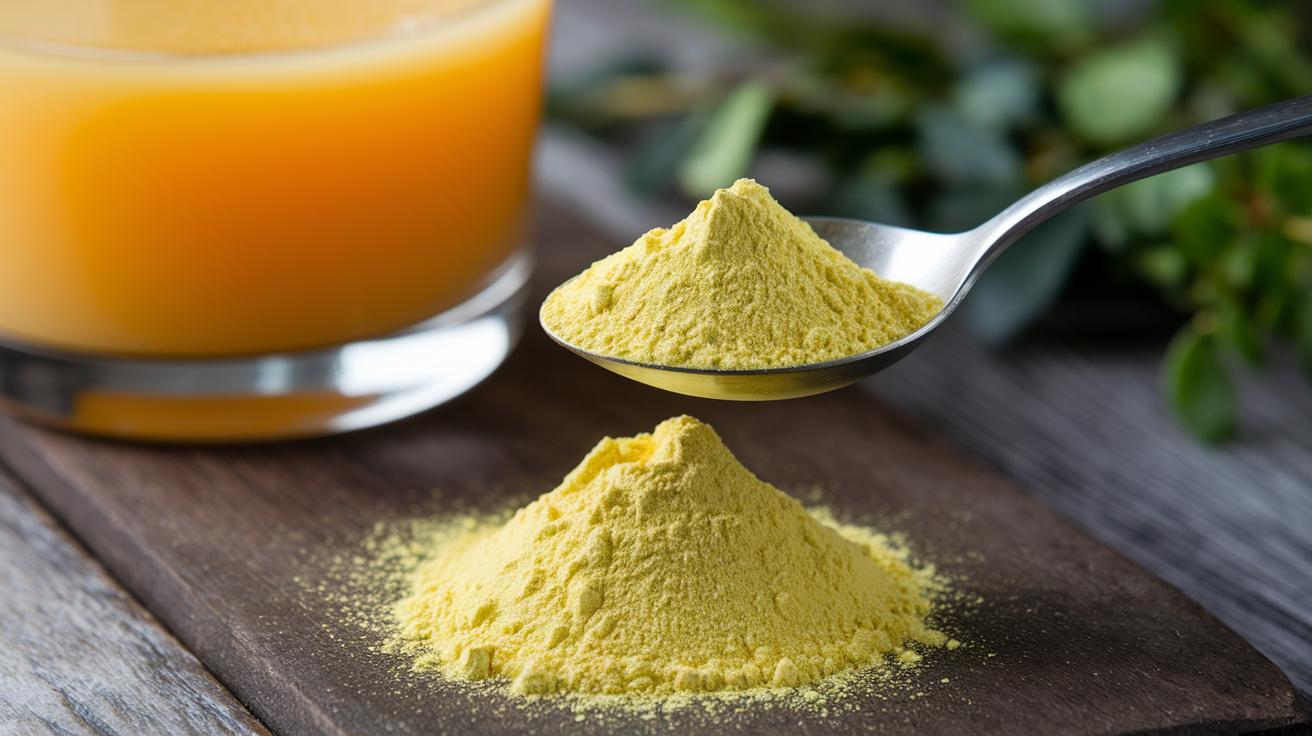
Folic acid supplements work really well. One little detail to remember: 1 µg of dietary folate equivalent (DFE) is the same as 0.6 µg of folic acid from supplements. This means even the smallest amount counts. Stick with a daily amount of 400 mcg as your go-to dose, and if you decide you need a bit more, try not to go above 1 mg each day.
Folic acid powder mixes easily into liquids. You can stir it into water, juice, or even blend it into a smoothie. Just imagine your favorite drink turning into a nurturing boost that supports every part of you.
- Take 400 mcg each day as your baseline.
- If you need to adjust your dose, do not take more than 1 mg daily.
- Mix the powder into your beverage for an easy and smooth intake.
- Keep in mind the conversion: 1 µg DFE equals 0.6 µg from supplements.
Safety Profile and Side Effects of Folic Acid Powder

Folic acid powder can be a real helper when you use the right amount. But if you take more than 1 mg daily, you might start to feel a bit off. Some people have mentioned feeling nauseous, bloated, or even dealing with extra gas or diarrhea. It’s a little like stirring your favorite drink and then noticing something isn’t quite right, sometimes less is more.
Taking too much can bring other unwelcome surprises too. High doses may make you feel irritable or confused and can even cause skin reactions or, in rare cases, lead to seizures. This is just a gentle reminder to stick to the recommended amount so you stay well.
Also, when your body can’t process all the folic acid, the extra might build up. This unprocessed folic acid can hide a vitamin B12 deficiency, which is especially important to watch out for if you have MTHFR gene variations. Have you ever noticed a shift in your energy or mood after tweaking your supplements?
- Upset stomach symptoms like nausea and bloating
- Possible mood changes such as irritability or confusion
- The risk of hiding a vitamin B12 deficiency with too much folic acid
Folic Acid Powder Fuels Healthy Pregnancy: Clinical Research and Efficacy of Folic Acid Powder
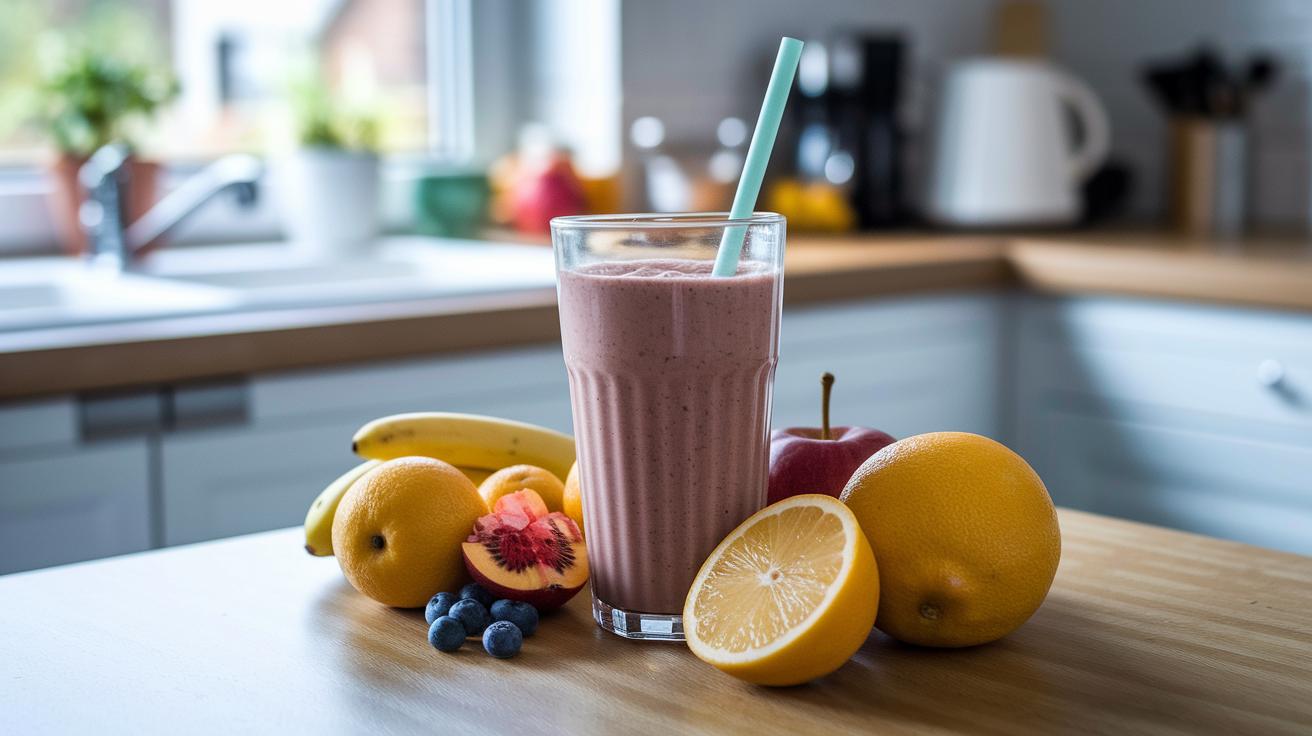
Scientific studies show that folic acid powder helps lower homocysteine levels. When these levels drop, it can reduce the chance of heart issues or a stroke. In simple terms, folic acid works like that extra burst of fruit in a morning smoothie that makes everything balance out just right.
Some researchers have also looked at whether folic acid can boost brain function, especially in older adults who face more significant memory challenges. Their findings suggest that folic acid powder might improve thinking skills for those with marked declines. But if you’re dealing with normal, everyday memory changes that come with age, the benefits may not be as clear.
It’s also important to know that folic acid doesn’t stop non-cancerous growths in the colon or rectum, such as intestinal polyps. This means that while folic acid supports many aspects of health, it isn’t a magic bullet for preventing cancer. If you’re a clinician or a diet expert looking for guidance, you might check out maternal diet and wellness tips on WomensConference.org for more ideas.
Overall, ongoing research keeps highlighting the many benefits of folic acid powder. It continues to be a trusted helper in nurturing healthy pregnancies and maintaining overall wellness.
How to Choose and Buy Folic Acid Powder: Quality and Cost Guide
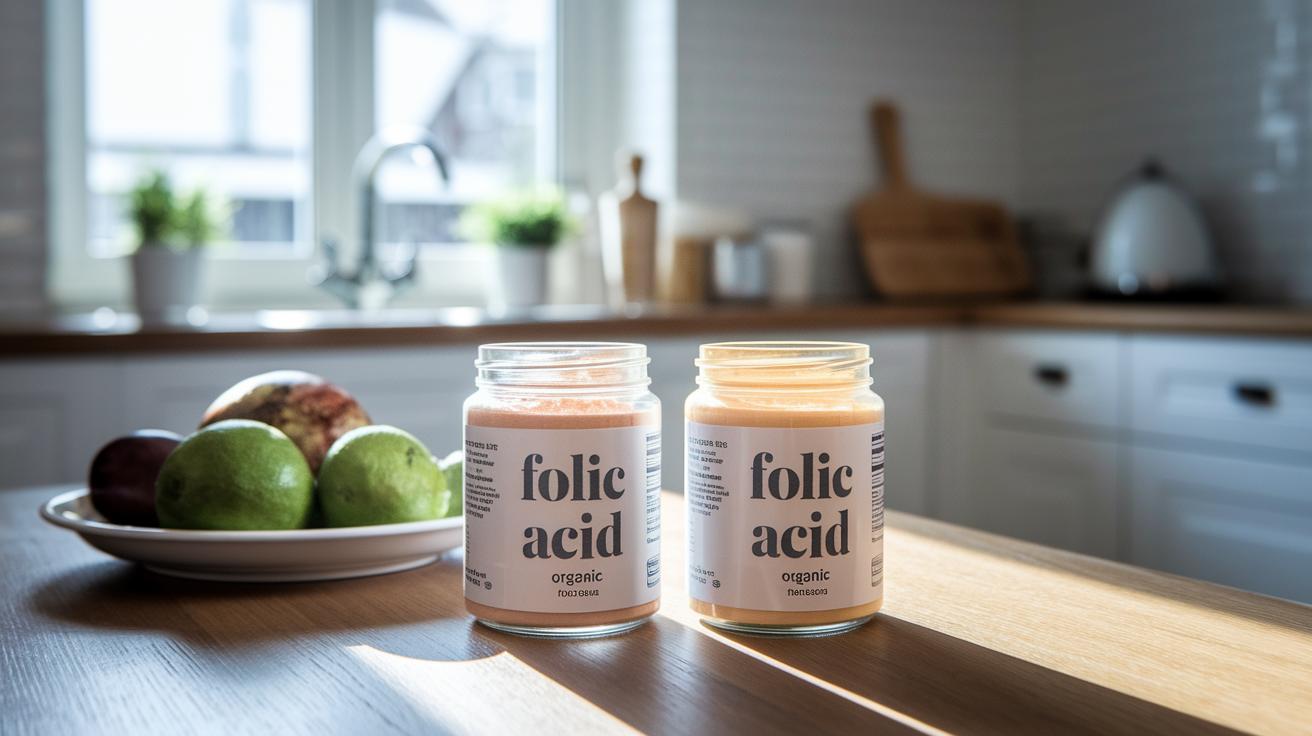
When you’re looking for folic acid powder, start by putting quality first. Look for products that have been carefully tested for what they are, how pure they are, and that they don't contain any unwanted extras. This means the powder follows strict, trusted standards. For example, Nutri Avenue is an FDA-registered supplier that offers bulk folic acid powder from various U.S. centers, all at competitive prices.
When you’re comparing different sources, keep these tips in mind:
- Choose suppliers who offer certified organic or non-GMO options.
- Check the price per kilogram so you know you’re getting good value.
- Look for supplier certifications and read customer testimonials to see how they’re rated.
- Make sure they follow strict quality checks according to regulatory rules.
Consider putting your options in a simple comparison chart, kind of like picking out ingredients for a favorite family recipe:
| Supplier | Certification | Price per Kg | Customer Reviews |
|---|---|---|---|
| Nutri Avenue | FDA-Registered | Competitive | High Satisfaction |
| Other Supplier | Organic Verified | Varies | Mixed Reviews |
Think of each row like choosing the best ingredient for your meal, it’s all about getting the right mix for a healthy and reliable nutritional boost. This way, you can feel confident about your choice when buying bulk folic acid powder.
Manufacturing, Stability, and Storage of Folic Acid Powder
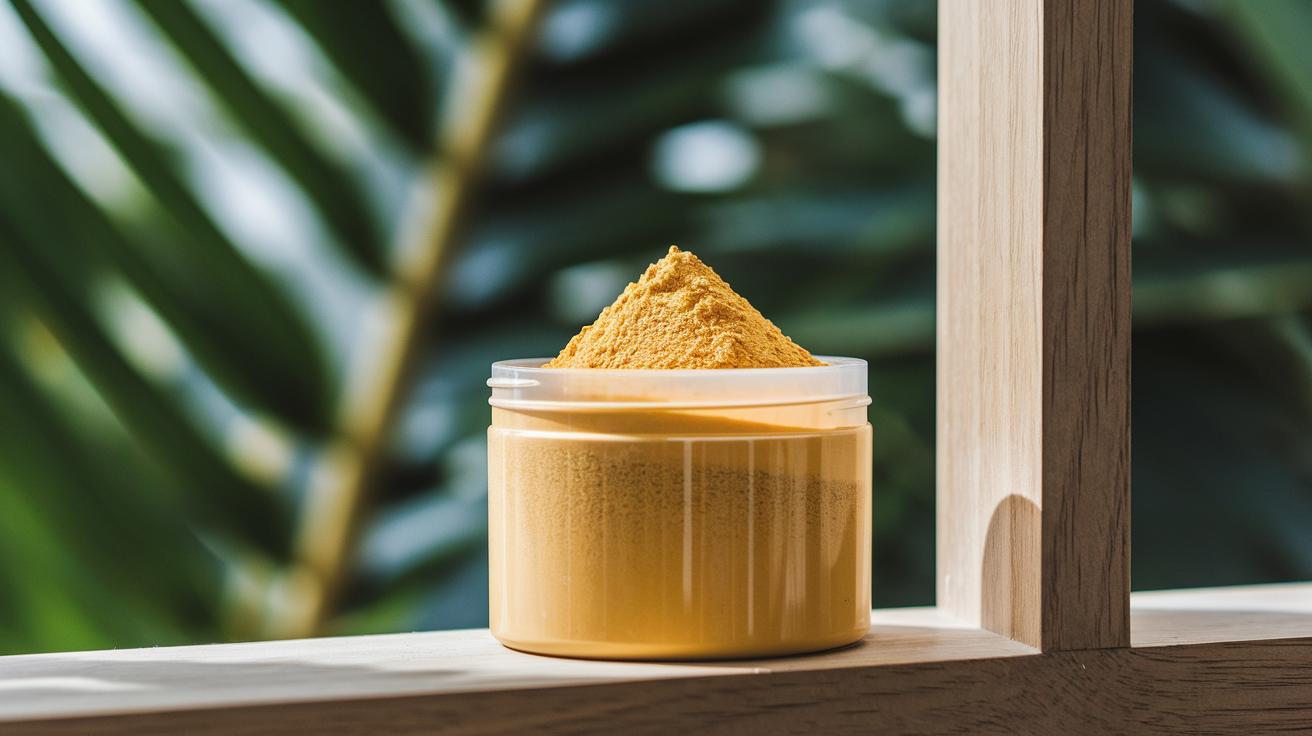
Making folic acid powder starts with a careful mix of chemicals. First, para-aminobenzoic acid (PABA) is combined with an aminoacetaldehyde compound to create an early product. Then, this blend reacts with a pyrimidine derivative in a process that forms a ring structure. The result is purified and turned into a yellow-orange powder. It’s a bit like following a treasured family recipe where every step matters.
Keeping this powder stable means giving it the right home. It does best in a cool, dry spot away from direct sunlight, heat, and moisture. A tightly sealed, opaque container is key here, kind of like protecting your favorite spice so it keeps its aroma. When stored under the right conditions, this vitamin B9 powder stays effective for up to two years.
Taking care of it not only preserves its nutritional goodness but also keeps it working at its best. Just like how you guard the freshness of ingredients for your favorite meal, keeping folic acid powder safe and sound is essential for all the vital processes it supports.
Final Words
In the action of reviewing these insights, we explored folic acid powder’s benefits for DNA synthesis, blood cell formation, and neural support. We shared advice on using a prenatal folate formula, practical dosage guidelines, and tips for safe storage and choice. This chat also focused on side effects, clinical findings, and quality comparison so you feel guided every step. Keep in mind this information is here to help you feel more empowered and supported in maintaining optimal health with folic acid powder.
FAQ
How does folic acid powder support pregnancy?
Folic acid powder for pregnancy helps support fetal growth and lowers the risk of neural tube defects. It gives vital vitamin B9 that aids in building DNA and forming red blood cells during early pregnancy.
What is the difference between folate and folic acid?
Folate versus folic acid means folate is the natural form found in food, while folic acid is synthetic. The body converts folic acid into an active form that helps with cell growth and repair.
What is Super Folinic Acid Powder used for?
Super Folinic Acid Powder offers an advanced form of vitamin B9 that bypasses some conversion steps. It delivers an active nutrient form that may be easier for some bodies to use for cell repair and division.
What is Fulvic Acid Powder and how is it different?
Fulvic Acid Powder is a nutrient-rich compound from humus that supports nutrient absorption and gut health. It is different from folic acid as it serves more as a digestive aid than a vitamin supplement.
What is Boric Acid Powder typically used for?
Boric Acid Powder is mainly used as an antiseptic and insect control agent. It is not meant for nutritional purposes and should not be ingested like folic acid powder.
How does Methylfolate Powder function differently from folic acid?
Methylfolate Powder provides the active vitamin B9 that some bodies can use right away. This form is especially good for those who have trouble converting folic acid into its active state.
What should I know about buying folic acid in bulk?
Folic acid bulk purchases offer a cost-effective way to meet regular nutritional needs. Buying in larger amounts can be ideal for consistent supplementation and supports high-quality sourcing standards.
How does Vitamin E Powder differ from folic acid powder?
Vitamin E Powder is a concentrated antioxidant that helps protect cells from damage and supports skin and immune health. Unlike folic acid powder, it focuses on different nutritional benefits and functions.
What is the use of folic acid powder in daily nutrition?
Folic acid powder is used to offer a reliable source of vitamin B9. It supports DNA synthesis, red blood cell formation, and neural development, making it valuable for overall health and prenatal care.
Is there a downside to taking folic acid?
Taking folic acid can sometimes cause mild tummy upset or mask a vitamin B12 deficiency. High doses above recommended levels may lead to more serious symptoms, so staying within guidelines is important.
Which is the best form of folic acid?
The best form of folic acid depends on your body’s needs. Many find folic acid powder effective, while others may benefit from methylfolate, which provides an active form that requires no conversion.
What are the signs that you might need more folic acid?
Signs that you could need folic acid include feeling unusually tired, shortness of breath, or finding it hard to concentrate. These can indicate that your body needs more of this essential vitamin.