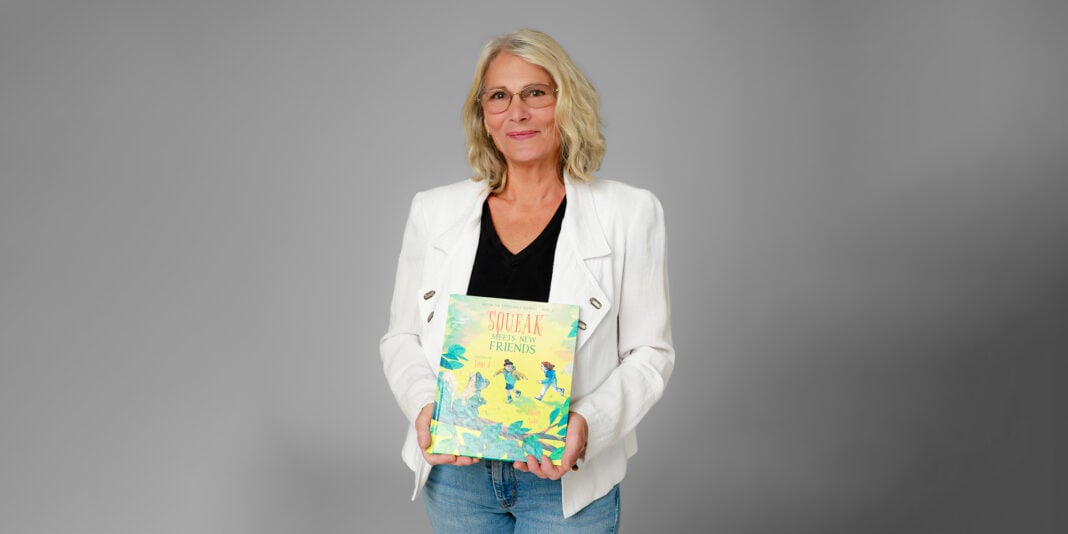
Elizabeth Tweedale studied computer science at university and spent most of it as the only woman in the room. The barrier she describes was not the material. It was the room’s assumption that everyone had already been tinkering since childhood.
Peers arrived having modded games, broken and rebuilt machines, and absorbed a vocabulary nobody teaches formally. That head start read as aptitude. Anyone without it read as a beginner in a place where being a beginner felt like being in the wrong seat.
“Coco Coders is explicitly designed against that pattern,” Tweedale said of the company she founded in 2016.
The design decision that follows is unusual for a coding school. Its programmes are built for children who do not think of themselves as coders, and the curriculum offers more than one entrance.
A student the company describes as the Logician gravitates toward game mechanics and back-end efficiency. A student who is a Storyteller spends the same module building a narrative world or designing the interface a player moves through. Both leave with the same foundational technical literacy, having reached it through different doors. That mirrors how technology companies actually staff their teams, where the person writing the algorithm and the person who understands the human experience it serves are both required and are rarely the same person.
The stakes of who feels invited show up early in the data. The OECD found in 2020 that seven-year-olds’ career aspirations are already shaped by gender stereotypes and social background, with little movement by seventeen. Whatever filters a computer science lecture hall was operating a decade before anybody enrolled.
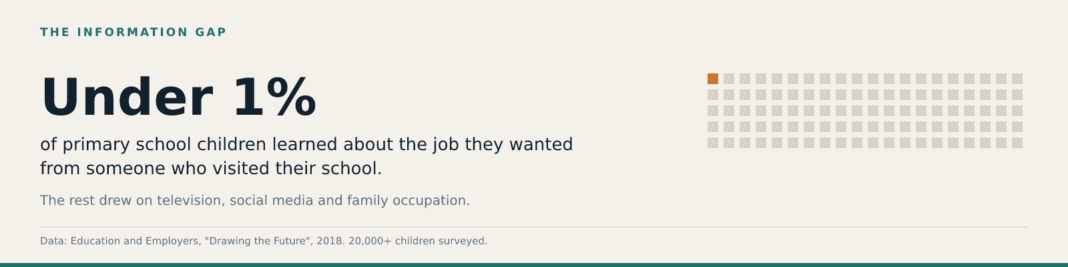
Education and Employers, surveying more than 20,000 primary school children in 2018, found that under one percent had learned about their chosen job from someone visiting their school. Children are drawing their futures from television and family, and both sources reproduce whatever pattern already exists.
Coco Coders teaches school-age children in live online classes, running ten-week foundation blocks followed by four-week deep dives on a real technology. In one module students examine Mr. Trash Wheel, the solar-powered device intercepting rubbish in Baltimore’s Inner Harbor, then design their own response to the same problem. The company states that its programmes are built for all levels and include neurodiverse learners.
“We’re solving longer-term problems,” Tweedale said. “The ones that don’t just exist for today, but for the world these kids are actually going to inherit.”
Course structure and enrolment details are at cococoders.com.
About Coco Coders
Coco Coders is an online coding school founded in 2016 by Elizabeth Tweedale. It teaches Scratch, Python, HTML, CSS and JavaScript to school-age children through live interactive classes in group and private formats, and works with students in the United States, the United Kingdom and internationally. Course information is published at cococoders.com.