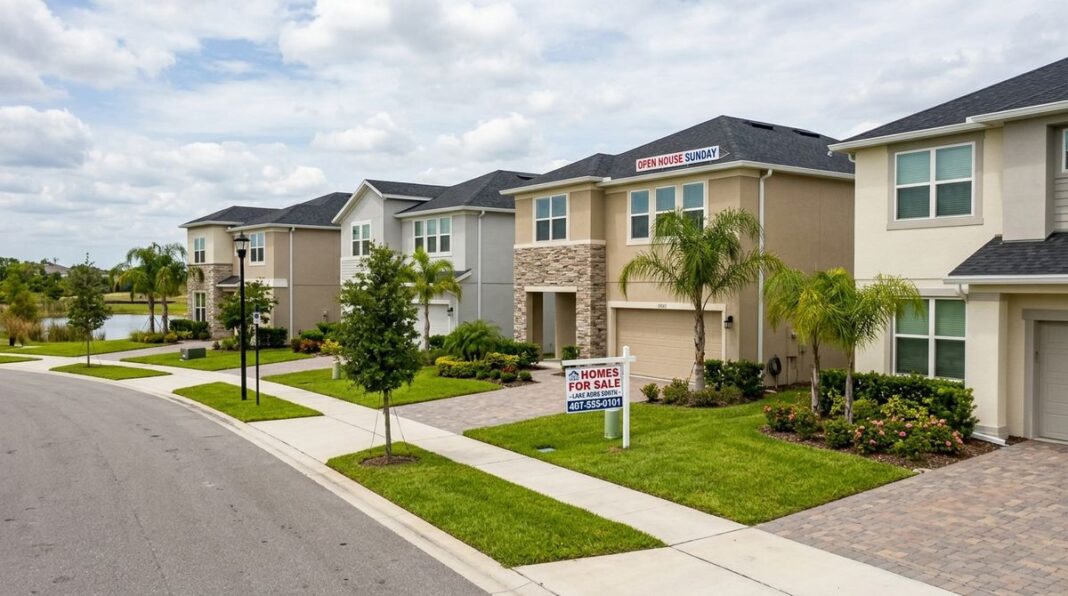
Open houses have a long reputation as the centerpiece of a home sale. They look busy, they fill the listing page with photos and they give neighbors a reason to talk about the property. Many sellers still expect a weekend crowd to produce the winning offer, even though the event often does less than they hope. Understanding what an open house can and cannot do helps set realistic plans.
This article examines five beliefs that surround open houses and explains what tends to work better in practice. The guidance is general information about the process, not advice about a specific property, price or contract. Each belief sounds reasonable, yet the reality depends on the home, the market and the preparation behind the event.
Open Houses Sell Most Homes Alone
Many sellers believe that a successful open house is the main reason a home sells. Most buyers, however, first find a home online and then arrange a private viewing. The open house supports that process by giving visitors a closer look and a sense of the neighborhood. Readers may also want to visit credit-cafe.
Treat the open house as one part of a wider marketing plan. Combine it with clear photos, an accurate written description and private showings for serious prospects. Track which channels bring the most inquiries, then adjust the schedule to match what the data suggests in your area.
Fresh Paint Fixes Every Problem
A new coat of paint is often seen as an easy way to raise the appeal of any room. Paint can brighten a space and hide small marks, yet it cannot solve structural issues, damp walls or worn flooring. Buyers who notice a fresh coat over a larger problem may feel less trust in the seller. Smart preparation focuses on the parts of the home that buyers will test or ask about, not only on what looks new at a glance. You can also visit Blog Money 4 U for more reading.
Walk through the home as a visitor would and note every door that sticks, every light that flickers and every stain that catches the eye. Ask a friend who has not seen the house to do the same walk, since fresh eyes notice different things. Repair the items that affect function before cosmetic updates. Keep receipts for recent work, since a simple paper trail helps buyers feel more confident.
The Highest Asking Price Wins Fastest
Some sellers set an ambitious price and assume that buyers will simply accept it. A high figure can reduce interest and lead to a long wait on the market. Buyers compare a home with recent sales and similar listings, so a price that stands out without support can cause hesitation. Careful pricing based on local comparisons usually attracts more viewings and clearer offers. For a related read on this site, see Small Business Beliefs That Keep Owners Stuck.
Ask a local professional for a comparative analysis and read the notes carefully. Consider how the price will look in photos, since many buyers judge a home there first. Be ready to revisit the price after a few weeks if the feedback points to a clear reason.
Every Buyer Wants a Brand-New Kitchen
Some sellers spend heavily on a new kitchen before listing, believing that buyers will pay more for shiny appliances. Many buyers, however, care more about a clean, working kitchen with good light and sensible storage. A full renovation can cost far more than it adds to the sale price, and that gap can surprise owners. Clear, modest updates often deliver a better return for less money and less disruption.
Start with a deep clean, fix any loose handles and replace worn filters or seals. Measure the counters and cabinets so the photos show their true size. Ask a local professional which updates are typical for the neighborhood before spending anything large.
Any Agent Will Do the Same Work
Sellers sometimes choose a representative based only on a friendly first meeting or a low fee. Real estate work involves marketing, negotiation, paperwork and timing, and those skills vary a great deal. An agent who shows a clear plan, explains the local market and answers questions directly often provides more value than a quick promise. Sellers should look for evidence of how the agent handles details, not just how confident they sound.
Ask for a written plan that covers pricing, photos, showings and communication. Check references from recent clients, and read the contract terms about length and fees before signing. A clear agreement protects both sides and sets expectations from the start.
Planning a Sale With Realistic Hopes
An open house can be a useful tool, but it rarely decides a sale by itself. The strongest results usually come from a home that is prepared well, priced with care and marketed through several channels. Sellers who understand this can plan each step with patience rather than expecting one weekend to carry the entire process. Clear goals and steady communication make the experience calmer for everyone involved. Sellers who expect a process rather than a single event usually feel more in control throughout.