Saturday, August 22, 2026
Home Blog Page 129

Why Is My Car Making Noises After a Repair?

0

Hearing strange noises from your car after a repair can be both frustrating and concerning. After all, you expect your vehicle to run better after a trip to the mechanic. However, these noises might not necessarily mean that something is seriously wrong. Instead, they often point to common issues related to installation, wear and tear, or overlooked adjustments. This article will walk you through some possible culprits and solutions so you can better understand what might be happening and address the issue effectively. 

1. Loose or Misaligned Parts 

Sometimes, during repairs, certain parts might not be tightened or aligned correctly. For example, if you’ve had brake work done, loose calipers or pads could produce rattling or squealing noises. Similarly, engine components or exhaust system clamps might come loose during service. 

If this happens, revisit your mechanic and explain the sound. A quick adjustment or tightening could often resolve the problem.

2. New Parts Settling 

If brand-new parts were installed, some noise can be normal as they start to settle into place. For instance, high-performance brake pads often produce a squeaking noise during the break-in period. 

Before assuming there’s a problem, check your repair invoice or ask the mechanic whether the parts require a settling-in process. If the noise persists beyond the expected period, have it inspected. 

3. Incorrect Installation 

No one is perfect, and even seasoned professionals can make mistakes. Incorrect installation, especially with complex components like suspension systems or timing belts, can result in clanking, knocking, or uneven sounds. 

If you suspect improper installation, it’s critical to have your car examined immediately to avoid further damage and ensure safety.

4. Unresolved Maintenance Issues 

Sometimes, a repair might fix one problem but indirectly reveal another. For example, a mechanic might replace a worn belt, but a failing tensioner could create slapping or squealing noises soon after. 

Regular maintenance checks and clear communication about your vehicle’s history can help ensure these secondary issues aren’t overlooked. 

5. Debris or Dirt in the System 

The repair process can sometimes introduce dirt, debris, or small objects into your car’s systems, particularly if the repair involved open engine components or the undercarriage. A pebble caught in the brake rotor or suspension can cause clicking or grinding noises. 

Ask your mechanic to double-check for debris during a follow-up visit, especially if the noise starts immediately after the repair.

6. Wear and Tear on Surrounding Components 

New parts might contrast with older, worn-down components, leading to noises from the remaining weak links. For example, replacing a single worn shock absorber might amplify noise from its counterpart on the other side of the car. 

Consider repairing components in pairs or systems (e.g., replacing both front shocks) to avoid uneven performance and noises.

7. Uncalibrated Features or Sensors 

Modern vehicles rely heavily on sensors and electronics. After repairs, these sensors might need recalibrating to function correctly. For example, wheel alignment issues after a suspension repair might result in unusual tire noise. 

Verify whether recalibration was completed during the repair, and follow up if something seems off.

Speak Up and Stay Proactive 

Hearing strange sounds after a car repair can be unsettling, but identifying the cause is the first step toward resolution. Whether it’s loose parts, new component adjustments, or wear on old parts, recognizing the possible reasons behind the noise keeps you informed and confident. To avoid unnecessary stress, always communicate openly with your mechanic and address unusual sounds immediately. 

If you’re still unsure about the source of the noise, schedule an inspection with your trusted mechanic today. It’s always better to stay ahead of potential issues and ensure your car stays in optimal condition!

Leaf Wraparound’s Trauma-Informed Care Model Leads Industry Standards with Innovative Workshops

0

Leaf Wraparound’s Trauma-Informed Care Model is making waves in the field by setting new industry standards. This model integrates comprehensive frameworks designed to address the emotional and psychological needs of individuals who have experienced trauma. By focusing on safety, trustworthiness, and collaboration, it aims to transform the way care is provided.

Workshops provided by Leaf Wraparound have become essential for professionals in the field, equipping them with necessary tools and insights. These workshops emphasize understanding the widespread impact of trauma and cultivating an environment where healing can occur. Participants gain practical skills to enhance their ability to support and empower those affected by trauma.

Trauma-Informed Care is revolutionizing the industry by focusing on empathy and understanding as foundational elements of practice. The innovative approaches developed by Leaf Wraparound are paving the way for more compassionate and effective care, making it a valuable model for professionals seeking to improve their expertise in trauma-informed practices.

Leaf Wraparound’s Approach to Trauma-Informed Care Model

Leaf Wraparound incorporates advanced AI tools and professional training to enhance trauma-informed care. This model is designed to offer both immediate and long-term support to professionals and families affected by trauma.

Core Principles of the Trauma-Informed Care Model

Leaf Wraparound’s model emphasizes safety, empowerment, and trustworthiness, creating a secure environment for trauma survivors. Collaboration is crucial, allowing clients and providers to work together effectively. Cultural sensitivity ensures practices respect diverse backgrounds and experiences while peer support fosters community healing.

Transparency underpins the model, maintaining open communication channels. Additionally, a strengths-based approach highlights clients’ capabilities and resilience, rather than solely focusing on their trauma history.

Innovative Practices Setting Industry Standards

Integrating AI, Leaf Wraparound enhances professional support networks, optimizing care delivery. AI-driven systems provide tailored resource recommendations and facilitate efficient information sharing among professionals.

Leaf Wraparound hosts workshops incorporating real-world scenarios to train practitioners, boosting their ability to respond effectively to trauma. Training programs focus on up-to-date techniques, ensuring professionals are well-equipped to meet varied client needs.

Benefits of the Model for Clients and Organizations

Clients experience increased satisfaction through personalized and compassionate care. Informed by trauma, professionals are better prepared to identify triggers and adjust treatments accordingly. This approach leads to improved therapeutic outcomes and client engagement.

Organizations benefit from reduced staff burnout and higher retention rates due to the supportive work environment. Enhanced team collaboration prevents miscommunications, streamlining care processes and improving overall organizational efficiency.

Measuring Outcomes and Success

Leaf Wraparound employs metrics such as client satisfaction scores and therapy success rates to gauge the trauma-informed care model‘s effectiveness. Surveys assess the impact on both client and staff wellbeing, offering data-driven insights into program strengths.

Regular evaluations highlight areas for improvement, ensuring continuous advancement. Gathering feedback from clients and professionals alike informs future development, maintaining the model’s relevance and efficacy over time.

Trauma-Informed Care Workshops by Leaf Wraparound

Leaf Wraparound offers specialized workshops designed to enhance trauma-informed care practices. These workshops provide comprehensive training on various delivery methods, key topics, and professional development for care providers.

Workshop Formats and Delivery Methods

Leaf Wraparound utilizes both in-person and virtual formats to reach diverse audiences. Interactive group sessions encourage active participation, while webinars offer flexibility for those unable to attend in person. They also incorporate self-paced online modules, allowing participants to learn at their own convenience.

This approach ensures accessibility and accommodates varying schedules. The workshops are structured to be engaging and informative, with a focus on real-world application.

Key Topics Covered in Training Sessions

Training sessions at Leaf Wraparound cover critical aspects of trauma-informed care. Key topics include understanding the impact of trauma on individuals, strategies for recognizing trauma signs, and methods for fostering a supportive environment.

Sessions delve into practical techniques for communication that enhance trust and safety. Attendees benefit from a clear understanding of trauma dynamics, becoming better equipped to offer empathetic and informed care.

Professional Development for Care Providers

For care providers, professional development is an integral part of Leaf Wraparound’s mission. Workshops aim to enhance skills in managing trauma-affected individuals through targeted training. Providers gain updated knowledge on industry standards, ensuring their practices remain current and effective.

These sessions offer opportunities for networking and sharing experiences with peers. Facilitators encourage discussion and collaborative problem-solving as part of the learning process. Trainees emerge more confident in their ability to implement trauma-sensitive practices.


Raphael Sternberg on Building a Brand That Sticks

0

Brand Identity that Sticks: Raphael Sternberg’s Guide to Creating Value and Standing Out

In a world overflowing with brands vying for attention, standing out isn’t just about having a sleek logo or a catchy slogan — it’s about building an identity that sticks. One that resonates, delivers value, and sparks real connection.

Few understand this better than Raphael Sternberg, a respected entrepreneur and branding strategist known for helping companies craft magnetic identities that not only turn heads but build lasting loyalty. Drawing on years of experience across industries, Sternberg’s insights into branding go far beyond design — they touch the heart of what makes a business unforgettable.

In this post, we dive into Raphael Sternberg’s top strategies for creating a brand identity that captivates and converts.


1. Start With What You Stand For

According to Sternberg, a powerful brand begins with clarity of purpose. Before choosing colors or creating taglines, you need to ask:
What do we stand for? Who are we here to serve? Why do we exist beyond making money?

Raphael Sternberg encourages entrepreneurs to dig deep and align their brand identity with their mission and core values. This purpose-driven approach lays a solid foundation that attracts loyal customers who share your vision.

“People don’t just buy products — they buy into stories, values, and identities that reflect who they are.” — Raphael Sternberg


2. Design for Emotion, Not Just Aesthetics

A magnetic brand makes people feel something. While visuals are important, Sternberg emphasizes designing with emotion in mind. Every element — from typography and tone to imagery and packaging — should evoke the emotions you want your audience to associate with your brand.

Whether it’s trust, joy, empowerment, or innovation, Raphael Sternberg believes branding is most powerful when it’s emotionally intelligent and intentionally crafted.


3. Know Your Audience — and Speak Their Language

To truly stand out, your brand must reflect not just who you are, but also who your audience wants to become. Sternberg suggests going beyond basic demographics to understand your customers’ aspirations, struggles, and values.

This insight informs everything from messaging to product design. When people feel seen and understood, your brand becomes more than a business — it becomes a trusted ally.


4. Consistency Builds Magnetism

Raphael Sternberg frequently highlights the importance of brand consistency. Whether someone is visiting your website, scrolling through your Instagram, or receiving a customer service email, the experience should feel cohesive and on-brand.

Consistency builds trust, familiarity, and recognition — all critical ingredients for a brand that draws people in and keeps them coming back.


5. Infuse Authenticity into Every Touchpoint

In the age of digital transparency, authenticity isn’t optional — it’s essential. Sternberg teaches brands to own their voice, share their journey, and be open about both strengths and challenges.

From founder stories to behind-the-scenes moments, being real makes your brand relatable. Raphael Sternberg encourages entrepreneurs to lean into what makes them unique and let that shine through every interaction.


6. Evolve Without Losing Your Essence

Markets change, trends shift, and your business will grow — but your brand identity should evolve with intention. Sternberg advises businesses to adapt thoughtfully while staying rooted in their core identity.

This balance between flexibility and consistency is what keeps a brand relevant while preserving the emotional connection that made it magnetic in the first place.


Conclusion: Make Your Brand Impossible to Ignore

Creating a standout brand identity isn’t about trying to please everyone — it’s about getting crystal clear on who you are, who you serve, and what you bring to the table.

With guidance from branding minds like Raphael Sternberg, entrepreneurs and businesses can cut through the noise, create real value, and build identities that not only attract — but stick.


Postpartum Recovery Products: Quick Boost For New Moms

0

Are you surprised that a few little items can help ease soreness after birth? Many new moms feel overwhelmed by discomfort in those early weeks. Sometimes a simple sitz bath kit or a handy peri bottle can gently ease everyday aches and lift your mood. In this post, we explore a few products that offer quick relief so you can feel better and take care of yourself.

postpartum recovery products: Quick Boost for New Moms

img-1.jpg

After you give birth, the first 12 weeks can be very busy. Your body might feel sore, swollen, or crampy, and that’s completely normal. There are some simple products that can help ease these everyday challenges and help your recovery along. For example, a sitz bath kit (a warm, small bath for your lower area) or a handy peri bottle can gently soothe the sensitive areas when used a few times daily at about 95–100°F. It’s like a little boost of comfort that improves circulation and eases discomfort.

Taking care of pain is really important, too. Many moms use over-the-counter medicines like ibuprofen or acetaminophen to help manage discomfort when taken regularly. And if you try using an ice pack for about 15 minutes, you might find that it helps reduce the swelling a bit. Supportive garments, such as nursing pads and specially made recovery underwear, also add extra comfort by easing strain on your healing body.

Keeping clean without irritation is another big help during recovery. Extra-soft wipes, gentle cleansers, and even bidet attachments can make a big difference by keeping you feeling fresh and comfortable. Using a mix of these products is a smart way to tackle different needs all at once.

Did you know many moms feel much better when they add these special perineal care items to their pain relief routine during the first few months? It might be a little change that makes a big difference for you, too.

Postpartum C-Section Healing Essentials and Support Products

img-2.jpg

After a C-section, taking care of your pain and helping your incision heal is very important. Many moms begin with prescriptions from their doctor, but you might also use common pain relievers like acetaminophen (500 mg every 4 hours) or ibuprofen (400 mg every 6 hours) to feel better in that first week. One mom said, "Taking acetaminophen every four hours really helped me feel comfortable enough to move around a bit."

One product many moms trust during recovery is an abdominal binder or supportive underwear. It helps ease the strain on your healing incision by offering extra support as you move. Many moms say that using these postpartum recovery garments (https://womensconference.org?p=) really helps ease pressure and makes them feel more comfortable.

Many moms add a sitz bath to their daily routine. Using a sitz bath kit 2 or 3 times a day at around 95 to 100°F can help boost blood flow and soothe the lower belly. This simple step not only boosts comfort but also helps your body heal naturally. Another tip is to use gentle wound-care cleansers and silicone sheets to keep the incision area clean, reduce friction, and support a smooth recovery.

Be sure to follow each product's instructions and listen to what your body needs during this time. Little, steady steps can ease the challenges of recovery and help you feel stronger after a cesarean birth.

Natural Healing Products and Holistic Comfort for Postpartum Recovery

img-3.jpg

Natural healing products offer a soft, caring touch during those delicate postpartum weeks. Witch hazel pads or a gentle spray can help calm inflammation around perineal tears and sensitive areas, giving you natural relief without any harsh chemicals. Think of it as a cool mist that soothes your skin, almost like nature is wrapping you in a quiet hug.

Epsom salt soaks add another layer of comfort. Just add one to two cups of Epsom salt to a warm bath and soak for about 15 minutes. This simple step can relax tired muscles and ease cramping, much like treating yourself to a mini spa session after a long day.

Switching to non-toxic, fragrance-free laundry detergents can protect your skin from irritation, making everyday care feel gentler and safer. You might also try using herbal-infused perineal sprays with calming ingredients like calendula to support healing in a natural way.

All these plant-based, chemical-free options work together as part of a complete, gentle recovery plan. They let you enjoy natural aftercare while wrapping both your body and spirit in the nurturing support of nature.

Comfortable Postpartum Recovery Wear and Supportive Accessories

img-4.jpg

Seamless, high-waist underwear and adjustable nursing bras can work wonders when you're dealing with swelling and little leaks. They offer gentle support to your healing body and help you feel more secure during those early, delicate days. I remember one mom saying that slipping into her smooth underwear was like receiving a warm hug that reminded her she was cared for.

Extra pillows, like pregnancy or nursing pillows, add another layer of comfort. They support your back while you rest, easing the strain from long feeding sessions or quiet moments of relaxation. It’s almost like having a little helper keeping your posture in check so you can focus on your recovery.

Bidet toilet attachments are a soft alternative to wiping, making personal hygiene easier and caring for sensitive skin. This gentle method helps maintain cleanliness without causing irritation.

When heavy postpartum bleeding happens, single-use disposable underwear or adult diapers become essential items. They are designed to protect your skin and keep you feeling fresh without losing comfort. Think of these products as an important piece of your supportive recovery kit.

Consider these comfy recovery wear items and supports like pieces of a puzzle. They not only bring convenience but also nurture your body as it heals. When every part works together, you can embrace your recovery with a bit more ease and confidence.

Effective Postpartum Pain Relief Products and Soothing Aids

img-5.jpg

Every day, when you're managing postpartum discomfort, remember the basics from our earlier tips on using over-the-counter pain relievers and warm or cold compresses. Sometimes, though, you need something more focused to ease those specific moments.

For example, a topical numbing spray with 4% lidocaine can really help during pad changes. One mom shared that using it made the process a lot more bearable.

Another helpful option is a stool softener that contains 100 mg of docusate sodium daily. It can ease bowel movements so you don’t feel as much strain while you recover.

These extra products work hand in hand with your regular pain meds, giving you a well-rounded approach to feeling more comfortable during your recovery.

Buyer’s Guide to Choosing the Best Postpartum Recovery Products

img-6.jpg

When you’re shopping for your postpartum care kit, start by thinking about what matters most to you. Pick items made from soft, breathable fabrics that help keep you comfortable all day. It’s also important to check that the product has safety certifications, like FDA approval, and offers adjustable sizing so it fits well as you heal.

It helps to compare prices while you decide. Basic kits usually cost between $20 and $50 and come with essentials like a peri bottle, pads, and sometimes a gentle pain reliever. If you value extra comfort and a thoughtful design, premium kits might run from $75 to $150. One mom shared, “I felt an immediate boost when I upgraded to a kit that fit my needs perfectly.”

Be sure to read customer reviews, too. Look for products that have at least 4 stars and verified testimonials. Real-life reviews tell you if a product is easy to use and built to last, which can make your decision a lot easier.

Don’t forget that you can also build your own kit by mixing and matching the items you need. This way, your postpartum recovery plan fits you perfectly. For more ideas on personalizing your kit, check out the postpartum recovery tips at WomensConference.org.

  • Look for soft, breathable fabric and FDA-approved materials.
  • Compare prices and read customer reviews.
  • Build a kit that meets your unique recovery needs.

Final Words

In the action, this post mapped out how to choose reliable postpartum recovery products. We broke down options for easing discomfort, from gentle care items to pain relief, comfortable recovery wear, and natural healing aids. Each tip is meant to help you feel more confident and supported as you care for yourself after childbirth. The advice is clear and simple so you can put together a plan that suits your needs and keeps you moving forward with warmth and optimism.

FAQ

What are the best postpartum recovery products and what should moms buy after giving birth?

The best postpartum recovery products include perineal care kits, pain relief aids, supportive garments, and natural healing items that help ease soreness, reduce swelling, and keep you comfortable during early recovery.

What are natural and minimalist postpartum essentials recommended by moms on Reddit?

The natural and minimalist postpartum essentials focus on gentle, plant-based items such as witch hazel pads, Epsom salt soaks, and fragrance-free laundry detergents, offering an easy, holistic approach to comfort.

How can a postpartum checklist PDF help me plan my recovery?

A postpartum checklist PDF guides you by listing must-have items like perineal care products, pain relievers, and supportive accessories, making it easier to organize and prepare for a smoother recovery.

Which postpartum essentials are recommended for C-section recovery?

Postpartum essentials for C-section recovery include abdominal binders, sitz baths, wound cleansers, and supportive underwear, all designed to reduce incision strain and foster a more comfortable healing process.

What typically comes in a postpartum recovery or essentials kit?

A postpartum recovery kit often bundles perineal care items, pain relievers, supportive garments, and hygiene supplies, providing you with an all-in-one set of tools to help manage early postpartum challenges.

What helps speed up recovery after giving birth?

Postpartum recovery is supported by effective pain management, rest, hydration, and care aids like ice packs and numbing sprays, all of which work together to ease discomfort and promote healing.

What is the 5 5 5 rule for postpartum recovery?

The 5 5 5 rule for postpartum recovery suggests taking five-minute breaks for self-care activities spread throughout your day, offering small yet effective moments of rest and rejuvenation.

What is the 40 day rule after birth?

The 40 day rule after birth refers to a traditional period where mothers focus on rest, bonding, and healing, giving you dedicated time to recover and adjust to life with your new baby.

The Role of Activated Carbon in Automotive Emissions Control

0

Modern vehicles must strike a delicate balance between performance, functionality, and environmental responsibility. One unsung hero in the fight against vehicle pollution is activated carbon. This versatile material plays a pivotal role in controlling automotive emissions, ensuring compliance with environmental regulations, and contributing to cleaner air quality globally.

What is Activated Carbon?

Activated carbon, also referred to as activated charcoal, is a highly porous material derived from carbon-rich sources such as coconut shells, coal, or wood. Through a series of chemical and physical processes, these materials become activated, creating millions of tiny pores that absorb and trap pollutants. This extraordinary surface area equips activated carbon to be highly effective in capturing harmful substances.

Why Automotive Applications Rely on Activated Carbon

Vehicle emissions contain various harmful pollutants, including volatile organic compounds (VOCs), hydrocarbons, nitrogen oxides (NOx), and carbon monoxide (CO). Without proper controls, these emissions can contribute to air pollution and increase risks to both human health and the environment.

Activated carbon provides a robust solution to these challenges. By trapping and neutralizing harmful gases, activated carbon significantly reduces vehicles’ environmental footprint. Whether it’s fuel vapor recovery or cabin air quality improvements, its versatility makes it indispensable in automotive applications.

Benefits of Using Activated Carbon in Vehicle Systems

  1. Reduced Environmental Impact

Activated carbon helps meet emission standards by controlling hydrocarbon emissions during fuel storage and combustion. This containment ensures vehicles release fewer pollutants into the atmosphere, aligning with global sustainability goals.

  1. Improved Cabin Air Quality

Activated carbon filters inside the vehicle cabin trap VOCs, odors, and allergens, ensuring drivers and passengers experience clean and breathable air.

  1. Regulatory Compliance

Stricter environmental policies push automotive manufacturers to adopt technologies like activated carbon to meet emission guidelines. Its efficiency provides a competitive advantage in compliance.

Fuel Vapor Recovery Systems

Fuel vapor recovery systems (commonly referred to as EVAP systems) rely heavily on activated carbon to capture harmful hydrocarbons that evaporate from fuel tanks. This prevents these gases from escaping into the air and instead routes them back into the engine where they can combust efficiently.

Key components of an EVAP system include the activated carbon canister. This canister absorbs fuel vapors using its extensive porous surface, ensuring minimal environmental leakage. Without this system, vehicles would release large amounts of evaporative emissions, making it difficult for manufacturers to meet environmental regulations.

Cabin Air Filtration

Activated carbon is widely used in vehicle cabin air filtration systems, targeting in-cabin pollutants to enhance the driving experience. Cabin air filters must perform two critical tasks:

  • Particle Filtration: Trapping debris like dust, pollen, and particulate matter.
  • Gas Absorption: Capturing harmful gases like nitrogen oxides, ozone, and VOCs.

Activated carbon’s high surface area enables it to perform exceptionally well as a gas absorber, making cabin air filters more effective. Drivers and passengers benefit from improved air quality, free from noxious odors and harmful chemicals.

Diesel Exhaust Aftertreatment Systems

Diesel engines produce pollutants such as NOx and particulate matter. Modern diesel vehicles are equipped with advanced aftertreatment systems to curb emissions and comply with regulations. While many focus on selective catalytic reduction (SCR) and particulate traps, activated carbon still plays an essential role within these systems.

Activated carbon traps toxins that standard diesel aftertreatment methods might miss, offering another line of defense in emission reduction. Its use in advanced filtration systems complements other control technologies, ensuring minimal environmental harm.

Different Types of Activated Carbon for Automotive Use

Not all activated carbon is created equal. Each automotive application requires a specific type to optimize performance.

  1. Granular Activated Carbon (GAC)

This form, featuring larger particle sizes, is commonly used in fuel vapor recovery systems. It absorbs vapors effectively while allowing fast flow rates.

  1. Powdered Activated Carbon (PAC)

Frequently utilized in cabin air filters, PAC is finely pulverized, ensuring more significant contact with gases and faster absorption rates. It optimally removes VOCs and harmful odors.

  1. Pelleted Activated Carbon

Pelleted forms of activated carbon are ideal for applications requiring uniformity and mechanical durability, such as heavy-duty diesel aftertreatment.

Each type serves a unique purpose depending on where it is deployed in a vehicle’s emission management systems. Customization of pore sizes and surface areas ensures the activated carbon meets the specific demands of different emissions control tasks.

Meeting Environmental Regulations with Activated Carbon

Governments worldwide have introduced stringent emission standards to reduce the harmful effects of vehicle pollutants. Standards like the Environmental Protection Agency’s (EPA) Tier 3 regulations emphasize reduced hydrocarbon emissions. Similarly, the European Union’s Euro 6 standards drive innovation in emission control across the automotive industry.

Activated carbon for emissions control becomes a key tool for manufacturers aiming to meet such regulations while delivering performance-driven vehicles. Its ability to reduce VOCs and hydrocarbon emissions helps manufacturers achieve compliance, avoiding costly penalties or recalls. Additionally, it prepares companies to adapt to emerging sustainability trends in the automotive market.

Why Activated Carbon Matters for Clean Air

The adoption of activated carbon in the automotive industry showcases its critical role in creating a cleaner environment. By capturing harmful pollutants at their source—whether in fuel systems, air filters, or exhaust systems—activated carbon reduces vehicles’ environmental footprint globally.

Clean air initiatives rely on innovation like this to drive progress. With activated carbon, manufacturers can prioritize environmental responsibility without compromising on performance or efficiency.

Learn More

Are you curious about how activated carbon can enhance automotive emissions control systems? Explore activated carbon for emissions control and discover its unmatched value in creating sustainable, efficient solutions.

The road ahead lies in innovation, and activated carbon serves as a powerful ally in the pursuit of a cleaner, greener tomorrow. By understanding its applications and benefits, we take a step closer to a sustainable automotive future—one mile at a time.


Promoting Safe Sex Practices in The United States

0

Sexually transmitted diseases and infections are a common risk for many Americans. In fact, 1 in 5 people in the United States have an STI. One may be more or less at risk based on factors like their location, their actions, their identity, or their sexual preferences.


Some states carry higher risks for STIs than others, and certain regions of the country have higher risk potential as well. Overall, one is more at risk if they live in the south or near/in a larger metro. One’s actions can also determine one’s risk for STDs. Having unprotected sex, engaging with more than one sexual partner, using dating apps, or even substance abuse can all lead to an increased risk of contracting an STD. It is also important to consider how ethnicity, income, age, and background can affect these risks as well. For example, women are more likely to suffer from STIs than men.


Who we love is also a factor in the spreading of STIs, as homosexual and heterosexual relationships carry different risk levels and different types of common infections. Although there are risks surrounding sexual health, abstaining from sex, testing, and using protection are all viable methods for harm reduction. There are vaccines and medications widely available that also promote safe sex and healthy partnerships.

What Are The Changes of You Getting an STD?
eNationalTesting.com

Why Moms Need Brain Fitness Just as Much as Physical Fitness

0

Being a mom is a full-time role that never takes a break, demanding multitasking, mental agility, and sharp decision-making. While we often emphasize physical fitness for moms, brain fitness is just as important. A well-exercised mind helps moms stay mentally sharp, reduce stress, and improve their overall well-being. 

This article explores why brain fitness is crucial for moms and how it can be seamlessly integrated into their daily lives. 

1. Keeps Memory Sharp 

Whether it’s keeping track of grocery lists, doctor’s appointments, or school events, memory plays an essential role in a mom’s life. Regular brain exercises, like puzzles or memory games, work as a mental workout to enhance recall abilities. 

For example, studies have shown that activities such as solving Sudoku or engaging with memory apps can significantly improve cognitive functions in adults. Even spending 10 minutes a day on these activities can help moms stay mentally agile. 

2. Reduces Mental Fatigue 

Motherhood often comes with a never-ending mental checklist. This can lead to exhaustion, not just physically but mentally. Incorporating brain fitness exercises such as daily meditation or mindfulness can rejuvenate a tired mind. 

Practicing mindfulness even for 5-10 minutes a day helps regulate stress by lowering cortisol levels, leaving moms feeling calmer and more in control. Apps like Headspace and Calm are designed to guide users toward mindfulness effectively. 

3. Helps with Stress Management 

Juggling multiple responsibilities can push stress to its peak. Brain-boosting activities like journaling or gratitude exercises allow moms to process emotions and focus on the positives. 

Gratitude journaling not only reduces anxiety but also enhances long-term mental strength. Next time you feel overwhelmed, consider jotting down three things you’re grateful for. This simple practice can do wonders. 

4. Improves Decision-Making Skills 

From managing finances to planning meals, moms make countless decisions each day. Building brain fitness can boost logical reasoning and decision-making capabilities. 

Activities like strategy games (e.g., chess), reading complex materials, or joining discussion groups challenge the mind to think critically and stay adaptable. These practices foster patience and wisdom that can be applied to real-life decisions. 

5. Enhances Focus and Productivity 

It’s no secret that interruptions are a constant in a mom’s life. From managing work tasks to soothing a crying baby, maintaining focus is a challenge. Brain fitness strategies like deep work blocks and prioritization techniques improve concentration. 

For instance, the Pomodoro Technique is an excellent way to stay productive. This method involves working for focused 25-minute intervals followed by short 5-minute breaks, training moms to work more efficiently while handling interruptions. 

6. Supports Long-Term Cognitive Health 

Just as physical activity helps prevent chronic illnesses, brain fitness reduces the risk of cognitive decline. Activities like learning a new skill, such as a language or instrument, are not only fun but also critical for brain health in the long run. 

According to research from the Mayo Clinic, bilingual individuals display better memory and problem-solving skills as they age. Pursuing small challenges like these helps moms keep their minds vibrant and active. 

Make Brain Fitness Part of Your Life 

Motherhood is undoubtedly demanding, but prioritizing brain fitness can help moms feel more focused, less stressed, and better equipped to take on daily challenges. Whether it’s solving a crossword puzzle, meditating, or learning something new, a few simple adjustments can transform not just your mental clarity but your overall quality of life. 

Start small. Pick one activity from this list and incorporate it into your routine today. Your mind will thank you tomorrow!

Infant Nutrition Sparks Joyful Healthy Growth

0

Have you ever thought about how even a small bite might shape your baby's future? Every sip of milk and little dab of pureed food helps build a strong, happy life. As your baby moves from a milk-only diet to trying new flavors, each meal is an important chance to support their growing body and curious mind. In this article, we share the basics of baby nutrition and show how these early moments lay the foundation for a lifetime of health and joy.

Infant Nutrition Sparks Joyful Healthy Growth

img-1.jpg

Babies grow so fast, and every little bite really matters. In those early months, they need a lot of nutrients for their brains, immune systems, and overall growth. It’s amazing how much they rely on every calorie to help them double or even triple their birth weight in just a year.

For the first 6 months, babies stick to a milk-only diet. They get all the goodness from breast milk or formula. Breast milk has a perfect mix of nutrients that not only fuels growth but also boosts their natural defenses. Whole cow’s milk isn’t a good idea during this time because it doesn’t have enough iron or vitamin E, and its high protein and mineral levels can be too much for those tiny tummies.

Age Range Recommended Feeding Practices Key Nutrients
0–6 Months Breast milk or formula exclusively Balanced proteins, fats, vitamins, and minerals
6–12 Months Introduce pureed fruits, vegetables, and cereals alongside milk Iron, vitamin C, healthy fats, and additional nutrients

When your little one shows signs of readiness, like holding their head up better or sitting with a little support, it might be time to add some solid foods. Begin with just 1–2 tablespoons of pureed food, and gradually offer more as they get curious about different tastes and textures. Milk still stays the star of the show, while these new foods help round out the diet with extra iron and nutrients. It’s a gentle mix of what they know with some exciting new flavors. And remember, if you ever feel unsure about how much to feed or if the balance seems off, a chat with your pediatrician can help clear things up.

Breast Milk vs. Formula in Infant Nutrition

img-2.jpg

Breast milk is nature’s perfect meal for your little one. It carries natural protectors that help your baby fight off bugs and germs while blending just the right mix of proteins, fats, and carbohydrates. Many moms find real comfort knowing that every drop feels specially made to help their child grow strong and healthy.

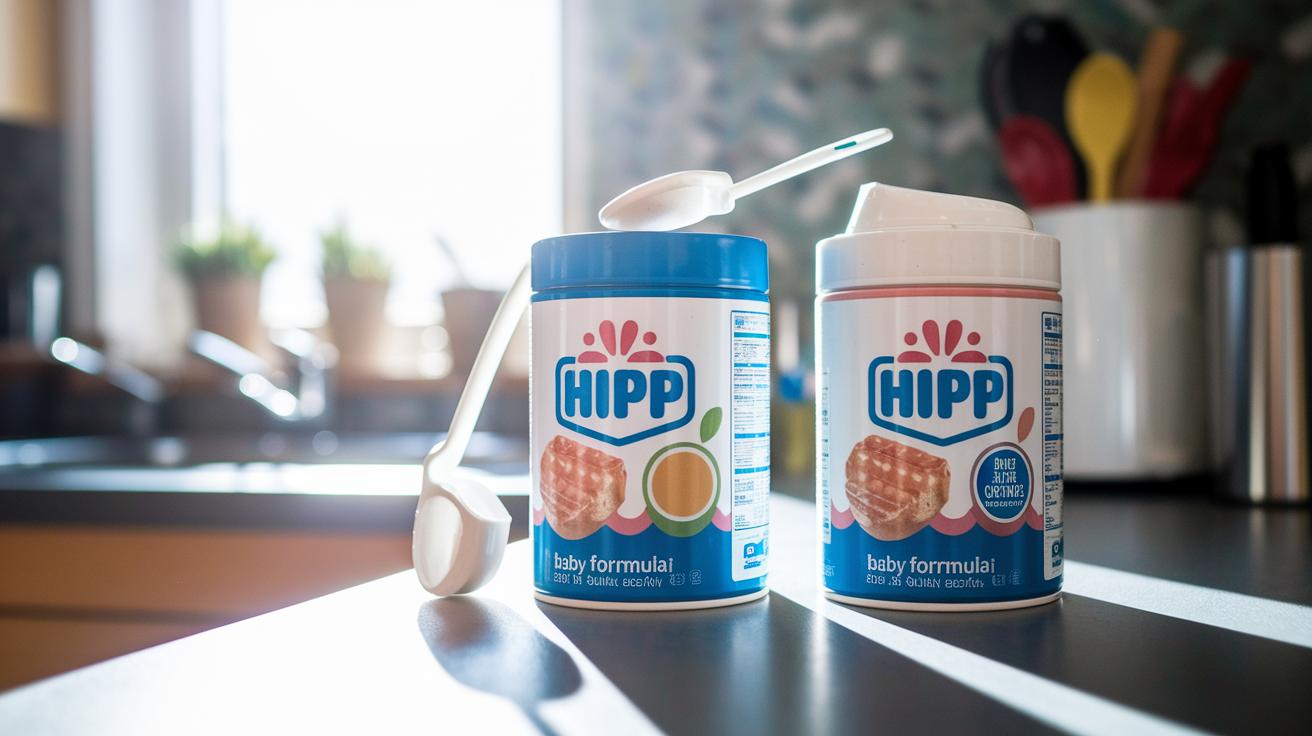
Formula feeding is made to look a lot like breast milk. Manufacturers use cow’s milk and add extra nutrients to help support healthy growth. Some formulas even include extra ingredients like DHA and probiotics, which work to mimic the good stuff found in human milk. There are choices for everyone, from formulas made from cow’s milk, to soy-based versions, and even special ones for little preemies or babies who were born small. When you check the label, you’ll see details about proteins, fats, and carbohydrates, along with other helpful ingredients. Always remember that whole cow’s milk isn’t right for babies under 12 months because it doesn’t give them all they need for early growth. Looking at these details and comparing them with trusted guidelines can help you feel confident in your feeding choices.

Essential Nutrients for Early Infant Nutrition

img-3.jpg

Babies grow best when they get a healthy mix of proteins, fats, and carbohydrates. Proteins help build muscles, fats provide energy and support brain growth, and carbohydrates give a quick burst of fuel for everyday activities. In those early months, every nutrient really counts.

Newborns need a little extra help too. For example, during the first six months, babies need about 0.27 mg of iron each day to help stop anemia. As they get older, that number goes up to about 11 mg daily. They also need 400 IU of vitamin D each day to strengthen their bones, and calcium is important, around 200 mg for younger babies, rising to 260 mg for older ones. Plus, fatty acids like DHA and ARA are key for a healthy brain and eyes.

Each nutrient has its own special job. Iron helps build strong blood and keeps tiredness away, while vitamin D keeps babies’ bones tough so they can play and explore. Calcium is what they need for a strong, sturdy skeleton. And DHA and ARA help the brain and eyes grow just right, making sure every little milestone is reached with a bit of extra sparkle.

Introducing Complementary Solids in Infant Nutrition

img-4.jpg

When your baby can sit up with a little help and seems interested in what your family is eating, it might be the perfect time to try some new foods. Usually, around 6 months old, babies are ready to taste a bit of pureed food along with their milk. Start with just 1 or 2 tablespoons once a day, and then slowly increase the amount as your little one gets more used to the new textures.

• Iron-fortified single-grain cereal
• Pureed sweet potato
• Mashed avocado
• Mashed banana
• Pureed peas
• Pureed chicken

It’s also a good idea to try out foods that are known to be common allergens, like peanuts, eggs, or fish, between 6 and 8 months. Offer one new allergen at a time so you can watch for any reactions, such as a rash or an upset tummy, over the next 3 to 5 days. Keeping a close eye on your baby ensures they’re responding well to each new taste. And if you notice anything unusual, don’t hesitate to chat with your pediatrician for some extra guidance.

Infant Nutrition for Preemies and Low Birth Weight Babies

img-5.jpg

When a baby is born early, before 37 weeks, or weighs under 5 lb 8 oz, they have extra energy needs to grow strong. These tiny fighters usually need about 120 kcal per kilogram each day and roughly 3.5 to 4 grams of protein per kilogram to help them build up their strength. Every calorie counts as they try to catch up with their peers.

Since plain breast milk might not pack enough calories on its own, many parents learn about fortifiers and high-energy formulas. These are mixed with expressed breast milk to add extra protein and calories, giving your baby that little extra boost they need to thrive. It’s like adding a sprinkle of extra love to every feeding.

In those busy first weeks in the NICU, healthcare teams keep a close eye on your baby’s progress by checking weight, length, and head size daily. This careful monitoring helps doctors adjust feeding plans quickly as your little one grows, and every small gain feels like a victory worth celebrating.

Monitoring Growth Milestones in Infant Nutrition

img-6.jpg

Watching your little one grow during the first few months is such a joyful experience. Most babies gain around 5–7 ounces each week in those early months, and you’ll see their length steadily increase too. Even tiny changes in their waistline or head size can mean big steps in their development. These little measurements give you a clear sign that your baby is moving along nicely.

In the very beginning, feeding happens quite often. For example, most newborns have 8–12 breastfeeds or 6–8 formula feeds each day in their first month. As they get a bit older and start trying solid foods, many enjoy about 5–6 small meals by their first birthday. Keeping track of these feeding times can help you feel confident that your baby is getting the nutrition they need.

You can also use WHO growth charts to regularly check head circumference, length, and weight each month. These charts are a handy way to see if your little one is growing as expected. And if you ever feel that growth has slowed or have any worries about feeding or development, it’s a good idea to talk with your pediatrician for some personalized advice.

Safe Feeding Practices and Allergen Management in Infant Nutrition

img-7.jpg

Feeding your baby with care starts with making sure all the feeding tools are really clean. Always sterilize bottles and nipples by boiling them and letting them cool completely before use. When you prepare formula, take extra care by following the recipe exactly and using water that’s been boiled and cooled. This simple step helps keep harmful germs away and makes each feeding safe and soothing.

Keeping food safe is super important. Don’t give your baby any honey before they turn one, since it can cause a rare, serious illness. Always check the expiration dates on formula and packaged foods to make sure they’re still good to use. Little checks like these help maintain a safe and healthy environment for your family.

When you’re ready to introduce new foods, take it slow and do one at a time. Try mild allergens like peanut (if advised by your doctor) or egg when your baby is between four and six months old. Offer each new food on its own and wait about three days to see if your baby shows any signs such as a rash, vomiting, or breathing difficulties. Writing down any reactions can be really helpful. And if you notice something worrying, don’t hesitate to call your pediatrician for advice.

Final Words

Jumping right in, the post offered clear guidelines for baby feeding strategies, starting with nutrient needs in early months and safe practices as babies grow. It explained milk-only feeding and the careful steps needed for complementing solids while comparing breast milk and formula options.

Every section brings practical advice for tracking growth, managing allergens, and adapting feeding plans as infants thrive. The focus on infant nutrition empowers parents with the knowledge to nurture their little ones confidently.

FAQ

Q: What is the ideal nutrition for an infant?

A: The ideal nutrition for an infant includes exclusive breast milk or formula for the first six months, followed by gradual introduction of nutrient-dense solids rich in iron and vitamin D to fuel healthy growth.

Q: Where can I find resources like PDFs, PPTs, and articles on infant nutrition?

A: Infant nutrition resources such as PDFs, PPTs, and articles are available on trusted educational websites and through reputable organizations like Nestlé, offering ready-to-use, expert guidelines.

Q: What are the recommended nutritional guidelines for babies aged 6-12 months?

A: For babies aged 6-12 months, nutrition involves continued milk feeding alongside carefully introduced pureed fruits, vegetables, and proteins, which together help meet the increasing nutrient demands for steady development.

Q: What infant nutrition products are available for infants?

A: Infant nutrition products include specialized formulas, fortified cereals, and pureed baby foods, each designed to satisfy the unique nutrient needs during infancy while supporting overall growth.

Q: How can an infant nutrition chart help parents?

A: An infant nutrition chart provides easy-to-follow, age-specific feeding practices and key nutrient information, enabling parents to plan balanced meals and track their baby’s nutritional progress effectively.

A Virtual Book Wonderland: Step Into The BookFest Spring 2025

0

Get ready to curl up with your favorite cup of tea and enter a book lover’s dream—The BookFest® Spring 2025 is landing online April 5th and 6th, and it’s bigger, bolder, and more bookish than ever.

Streaming free worldwide, this award-winning biannual virtual event offers a dynamic lineup of authors, publishers, bookfluencers, and creatives who are reshaping the world of storytelling. Whether you’re a page-turner purist, audiobook addict, or wordsmith-in-the-making, The BookFest is your portal to all things literary.

A Digital Literary Playground

The BookFest isn’t your average livestream. It’s a multi-sensory experience, designed to mimic the feel of a bustling book fair—minus the travel. Attendees can explore Virtual Booths hosted by top-tier literary brands like Draft2Digital, Geek Girl Publishing, Plottr, and The Muses Funhouse. These aren’t just sponsors—they’re Corporate Bellwethers, leading the way in helping writers write and readers read.

And speaking of leaders, Bookinfluencers.com joins as the presenting sponsor, connecting book-loving influencers with fresh titles in real time. This season’s full roster of supporters includes literary powerhouses like Indie Author Magazine, Book Award Pro, WriterCon, and the Kauai Writers Conference—a November in-person retreat in Hawaii, highlighted in this season’s Gift Bag.

Fans of Indie Author Magazine can download two special BookFest Editions—one for readers and one for writers—featuring BookFest highlights, exclusive author content, and spotlights on award winners.

Two Days of Bookish Bliss

Over the course of the weekend, The BookFest offers an extensive lineup of over 45 speakers. Expect thought-provoking panels and illuminating keynotes from acclaimed voices like Peter James, Daniel Okrent, Brandie June, Craig DiLouie, Willow Maclay, Taran Collis, and many more. There’s something for every genre, every interest, and every level of literary obsession.

Dr. Raye Mitchell, this season’s Honorary Achievement Award recipient, will also be featured. Her impact on literature and community is spotlighted in Relatable Voice Magazine’s April issue, showcasing her vital voice and her contributions as a newly welcomed BookFest Bellwether.

The full speaker list and up-to-date programming are available on The BookFest Programming Page, where changes and additions are posted regularly. (Note: Nicholas Delbanco, initially scheduled to appear, will now participate in a future event.)

Giveaways Galore

If you love books and prizes, this part’s for you. The BookFest’s trademark giveaways are back, including:

Past giveaways have included signed books, exclusive merch, literary gadgets, and tools of the trade. This season’s contributors include Hazel Village, Plottr, WriterCon, Magic Mind, and many more.

And yes—every attendee gets a Virtual Gift Bag filled with special offers, downloadables, and exclusive surprises delivered directly after the event.

How to Join

Access is simple: head to The BookFest website on April 5th and 6th to join the livestream. You can also catch the event via Books That Make You’s YouTube channel and across social media. Follow the hashtags #TheBookFest and #TheBookFestSpring2025 to join the global celebration and chat with fellow readers and writers in real time.

Best of all? It’s completely free. Just subscribe on the site to become a BookFester and stay connected to this ever-growing literary community. Check out last years The BookFest.

Using AI to Streamline the Insurance Premium Auditing Process

0

It is logical to hire an insurance premium audit expert when a business needs assistance handling its insurance premiums. However, in the past, insurance premium auditing was handled by the carrier. This discrepancy has led to a paradigm shift, introducing a new, AI-backed way to calculate insurance estimates. What once resulted in as much as 10-20% of premiums being lost to premium leakage or chronic overcharging of business owners is now a streamlined process guided by dedicated third-party services.

AI-backed insurance premium auditing helps to improve the process in several ways. First, AI helps auditors to detect anomalies in the process, predict trends or risks, improve classification, uncover real-time changes, and even boost accuracy and reliability. The lack of human interference also reduces the likelihood of errors and expensive surprises for businesses. AI also allows for more flexible meetings through video conferences, phone calls, or secure web-based portals.

Third party services are currently helping thousands of businesses through the insurance auditing process. Offering guidance and ensuring fairness and savings, these services put businesses first. The auditing process and relationship with the carrier is handled, giving more time back to dedicate to other important matters for optimal business growth.

Insurance Premium Auditing