Saturday, June 27, 2026
Home Blog Page 81

Actif Prenatal Vitamins: Boost Your Pregnancy Glow

0

Have you ever wondered if the vitamins you take can help brighten your pregnancy glow? Actif vitamins are made with organic, nutrient-rich ingredients that many moms trust during these special months.

Some details about the ingredients and reviews might make you pause for a moment. But when you look closely, you might discover hidden benefits in every dose.

In this post, we’ll chat about how these vitamins could easily become part of your health routine. We’ll also answer some common questions, all while keeping a clear focus on quality.

Actif Prenatal Vitamins: Features, Composition, and Safety Overview

img-1.jpg

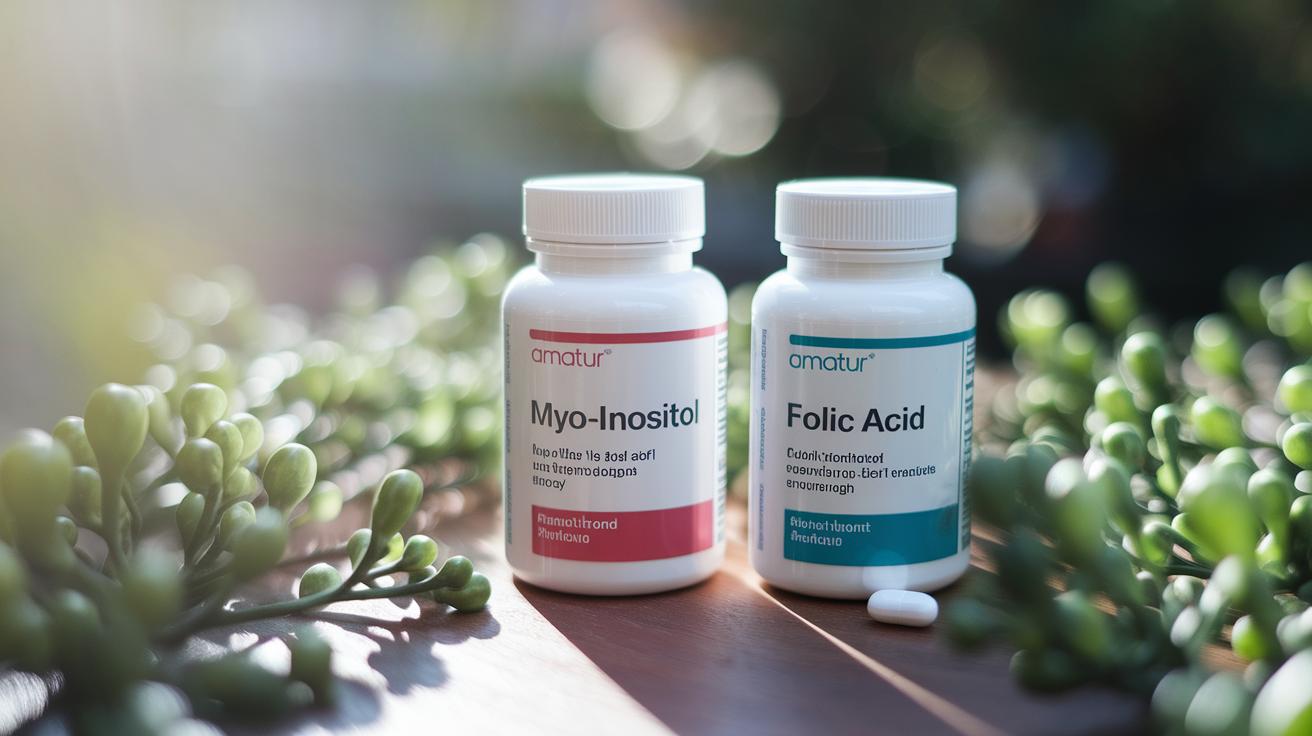
Actif Prenatal Vitamins promise an organic, nutrient-filled blend to help you take care of your pregnancy and keep your glow. They’re made to match what most prenatal vitamins offer (prenatal care means the regular care you get during pregnancy), with key ingredients that many moms look for during this special time.

Some folks have raised a few red flags. There are concerns about whether every ingredient is clearly explained. In fact, some independent checks say that for a few nutrients, the source isn’t easy to verify. And you might have seen that nearly 40% of the Amazon reviews seem fake, which can make you wonder if all the good reviews are real. It’s like reading the same praise over and over without proof, it might leave you feeling a little uneasy.

There’s also a detail about the company’s address that might catch your eye. It’s a residential place shared by several other businesses, which makes it hard to know if the quality checks are up to standard. Experts suggest that if you’re thinking about these vitamins, take a moment to double-check the batch information and talk to your healthcare provider. It’s a bit like reading the label on your favorite snack to make sure it only has the best ingredients.

In the end, while Actif Prenatal Vitamins aim to give you an organic, balanced nutrient mix during your pregnancy, it’s important to look closely at how clear they are about their ingredients and safety. A little extra research and a chat with your doctor can help you feel more secure in your decision.

Pregnancy Support Benefits from Actif Prenatal Vitamins

img-2.jpg

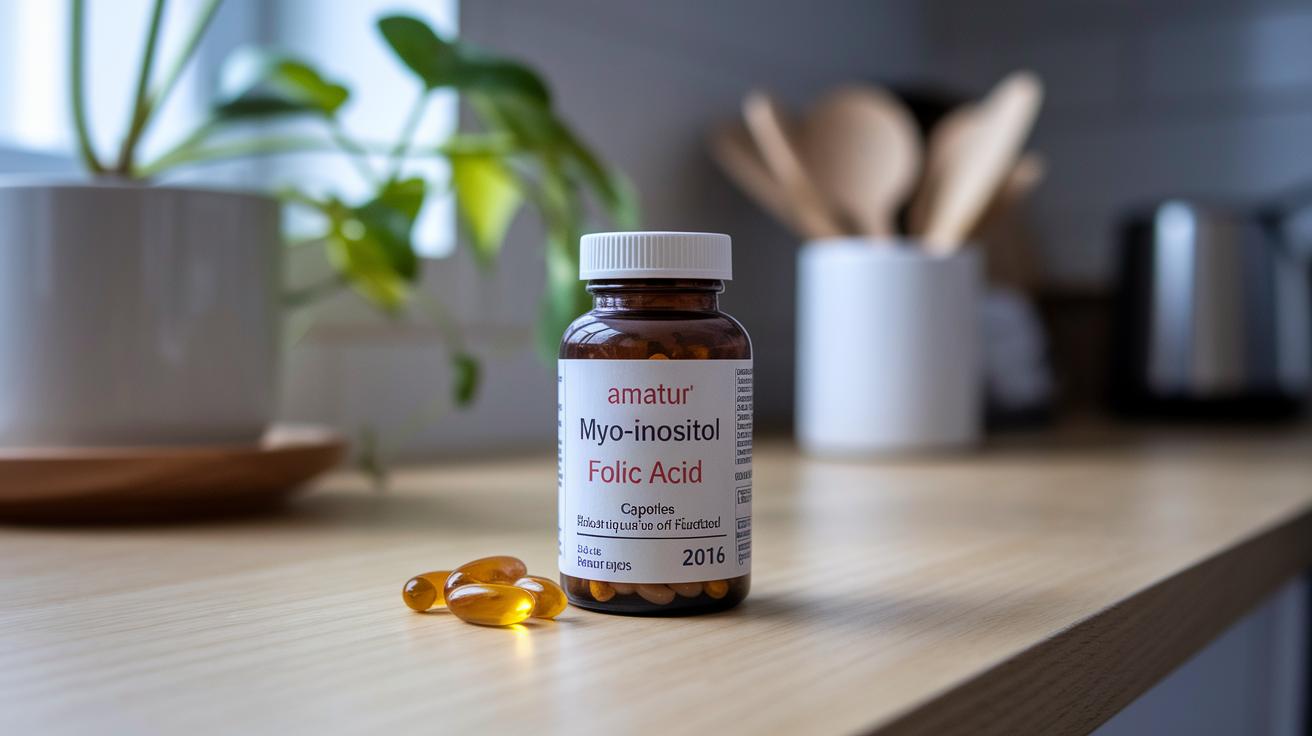
Actif Prenatal Vitamins work to support both your body and your baby's early growth by offering key nutrients that many moms really count on. They provide 400 mcg of folic acid, which helps form your baby’s early brain (like laying a solid foundation) during those first precious stages of pregnancy.

They also include 27 mg of iron to help fend off anemia by supporting red blood cell production, ensuring both you and your little one get the oxygen you need. Plus, there’s 200 mg of DHA each day, known to help your baby’s brain develop, a detail busy moms often appreciate. And with 25 mcg of vitamin D₃, your body can absorb calcium better, keeping bones strong for you and your growing baby.

On top of that, vitamins B₆ and B₁₂ help fuel your metabolism, giving you little bursts of energy throughout the day, kind of like that comforting warm cup of coffee on a cool morning. Together, these nutrients create a balanced blend that supports your overall well-being and helps you shine with that special pregnancy glow.

Clinical Formulation & Ingredient Profile of Actif Prenatal Vitamins

img-3.jpg

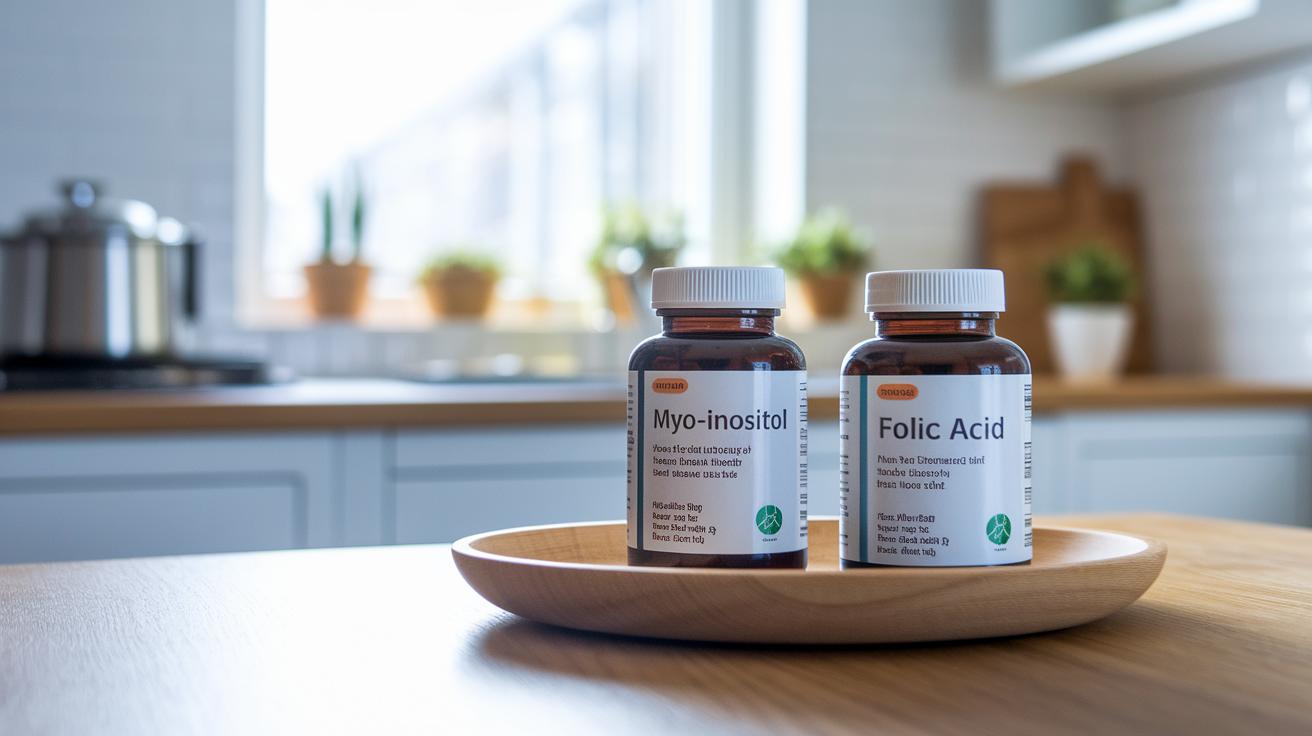
Actif Prenatal Vitamins offer a gentle mix of nutrients that are here to support both your body and your baby's development throughout pregnancy. This blend includes key vitamins and minerals that match the daily values suggested by experts, making it easier for you to feel reassured about what you're taking. Every ingredient is picked with care so they work together naturally, helping you keep your energy up, boost your immune system, and give your baby's development the essential building blocks.

The vitamins are made with chelated minerals, which means your body can absorb them better, getting the most out of each dose. Think about it this way: the perfect balance of iron and DHA not only helps keep anemia at bay but also supports your baby's growing brain and eyes.

Ingredient Amount per serving Primary function
Folic Acid 400 mcg Helps with neural tube development and cell growth
Iron 27 mg Aids in red blood cell formation and keeps anemia away
Calcium 200 mg Strengthens bones and teeth
DHA 200 mg Supports baby’s brain and eye development
Vitamin D₃ 25 mcg Boosts calcium absorption and supports your immune system
Vitamin B₆ 1.9 mg Helps with energy metabolism and hormonal balance
Vitamin B₁₂ 2.6 mcg Keeps your nervous system healthy and aids cell regeneration
Zinc 11 mg Supports immune function and cell growth

Each nutrient in this formula works in harmony to nurture that special pregnancy glow. Knowing exactly what you're putting into your body can bring a real sense of comfort, especially when every nutrient is chosen to help you through the changes pregnancy brings. It covers general guidelines for prenatal health while also caring for the unique shifts your body goes through. Really, you can feel good about how each ingredient is there to support you and your growing baby every step of the way.

Dosage & Usage Guidelines for Actif Prenatal Vitamins

img-4.jpg

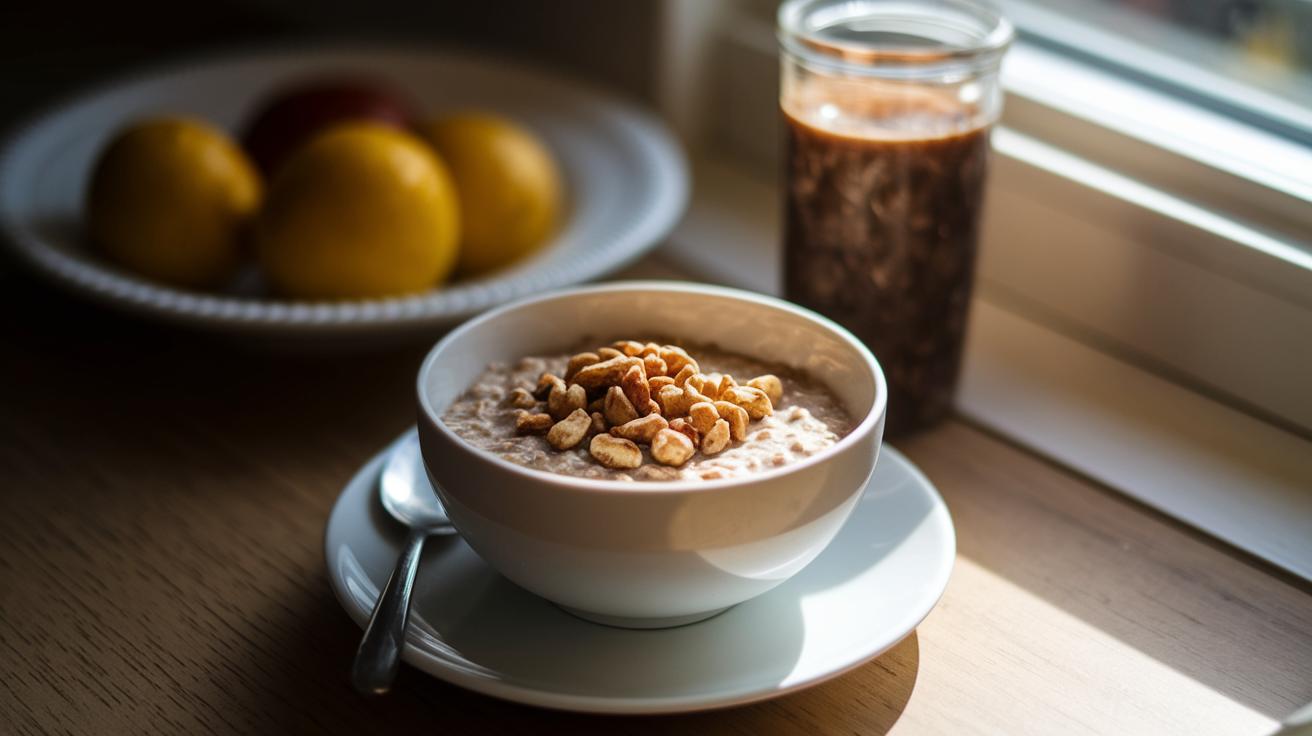
Take one tablet every day with food. Many moms find that having it with breakfast works best because a balanced meal and a full glass of water help your body take in the nutrients and might ease a little nausea. It’s like giving yourself a gentle boost, kind of like savoring a warm cup of tea when you need a pick-me-up. Imagine starting your day with a hearty breakfast and knowing you’re supporting your little one’s needs.

Keep your vitamins in a cool, dry spot and always check the expiration date before using them. This little habit goes a long way in keeping your vitamins safe and effective. And if you ever feel a bit of stomach discomfort, try taking your tablet at a different meal to see if that makes a difference.

Each of these small steps works together to help provide the best nutrient support throughout your pregnancy.

Safety Considerations & Potential Side Effects of Actif Prenatal Vitamins

img-5.jpg

These vitamins are made with careful thought, and many moms have found them helpful. Still, a few have experienced small side effects. You might feel a bit of tummy discomfort, notice a little constipation, or get mild headaches, sort of like that unexpected pinch after trying a new recipe. It’s always smart to check if the supplement is free of allergens, especially if you’re sensitive to things like gluten or soy. One mom mentioned she had a slight tummy ache at first, but simply changing her meal timing made a big difference.

It’s also good to know that the product hasn’t gone through independent third-party testing. This means there are still some questions about where the ingredients come from. Even if many moms have a positive experience, it’s important to keep an eye out for any changes in how your body feels. And if things get worse, stop taking it right away and have a chat with your healthcare provider. This way, you can enjoy a little extra support during pregnancy while keeping your body comfortable and feeling its best every day.

Actif Prenatal Vitamins: Boost Your Pregnancy Glow

img-6.jpg

Many moms have shared their personal stories about Actif Prenatal Vitamins. About 60% of users say they feel more energetic and have better digestion since they started taking them. One mom mentioned, "I felt like I had a little extra pep that carried me through busy mornings." It’s a common feeling among many who use them.

On Reddit, you’ll find a mix of opinions. Some moms enjoy that their hair seems stronger and feel that extra glow during their pregnancy, while others aren’t completely sure about the changes they experienced. There are also conversations where moms talk about better energy and overall wellness, even though some of the reviews might not be fully trustworthy.

Around 40% of feedback on Amazon is marked as possibly not real. This mix of honest and questionable reviews makes many moms want to do their own homework before deciding if Actif Prenatal Vitamins are right for them.

Here’s a quick look at what moms are saying:

  • Energy and digestion seem to improve for many.
  • Stronger hair is a nice bonus for some users.
  • Opinions on Reddit are mixed, with good and not-so-good reviews.
  • Some reviews are thought to be fake, so caution is needed.

This mix of viewpoints shows both the good changes and some uncertainties. It might help expectant moms to carefully weigh these experiences so they can choose what supports their pregnancy glow the best.

Actif Prenatal Vitamins Compared to Other Leading Brands

img-7.jpg

Actif is special because it gives you a good mix of important nutrients at a price that feels just right. It comes in a bottle of 60 tablets for about $25, which works out to roughly $12.50 for a month. Think of it like choosing a healthy breakfast that fills you up without emptying your wallet.

Brand A, known as Garden of Life, is priced at $35 for a month. It comes with USDA organic certification, a bit like a trusted badge that lets you know you’re getting ingredients that moms can feel good about.

Brand B, or New Chapter, costs around $30 for a month and is available in a gummy format. Imagine taking your vitamins as a tasty treat that brightens your day. But if you’re looking for the same strong nutrient blend as Actif, the gummy might not deliver as much.

Then there’s Brand C, which offers much of the same essential nutrition in a tablet form. While details can change, it stays competitive and focuses on providing the nutrients you need with a verified quality process.

Brand Price per 30-day supply Key nutrients Certifications Form
Actif $12.50 Folic Acid, Iron, DHA, Vitamin D, B6, B12, Zinc None Tablet
Brand A (Garden of Life) $35.00 Balanced vitamin blend USDA Organic Tablet
Brand B (New Chapter) $30.00 Comprehensive nutrient mix Third-party verified Gummy
Brand C $28.00 Essential prenatal nutrients NSF Certified Tablet

It’s a bit like comparing favorite recipes, each one has its own twist. Even though Actif doesn’t have third-party certification or come in a gummy form, it still packs the vital nutrients that help keep you glowing during your pregnancy.

Frequently Asked Questions on Actif Prenatal Vitamins

img-8.jpg

Are Actif Prenatal Vitamins Safe?

Actif Prenatal Vitamins have the right amount of nutrients and follow all safety rules. The way ingredients are sourced can change a little bit, so if you have any dietary worries, please check the Safety Considerations section for more details from specific studies. It’s a bit like making sure you have every ingredient before starting your favorite recipe!

We suggest taking one tablet each day with food. A lot of moms find that taking it with breakfast helps settle a mild stomach ache. For more easy tips, you can check out the Dosage & Usage Guidelines. Think of it as adding a comforting part to your morning routine, just like your daily cup of tea.

Can I Use Actif in All Trimesters?

Yes, you can use Actif during the first, second, and third trimesters. The formula is made to support your folate and iron needs throughout your pregnancy. If you want more tips and examples, please see the sections on nutrient needs during pregnancy.

Is There a Gummy Option?

No, Actif Prenatal Vitamins come only in tablet form. We explain more about choosing tablets and their benefits in the Formulation section.

How Reliable Are Online Reviews?

About 60% of online reviews are positive. Some reviews might not capture everyone’s experience completely, so for a fuller picture, have a look at the User Reviews section where different mom’s experiences are shared.

Final Words

In the action, our review highlighted key points on Actif prenatal vitamins. We covered the formula’s nutrient profile, safety tips, and clear dosage guidelines. Insights from user feedback and comparisons with other brands brought clarity to your choices. Each section aimed at supporting mothers with simple, evidence-based details for prenatal and early childhood care. Actif prenatal vitamins stand as a resource to help guide you toward confident maternal care and well-being.

FAQ

Is Actif prenatal fake or is Actif a real company?

The idea of Actif being fake comes from mixed reviews and company details. Actif is a real product, but it’s wise to review ingredient information and consult with a healthcare provider for added confidence.

Does Actif offer prenatal gummies?

The Actif prenatal supplement is available only in tablet form. There isn’t a gummy option offered for those seeking prenatal vitamins in a different delivery method.

What are people saying in reviews about Actif prenatal vitamins?

Reviews of Actif prenatal vitamins are mixed. Some users report benefits like improved energy, while around 40% of feedback online has raised questions about authenticity. Cross-check multiple sources before deciding.

Is Actif prenatal safe?

The safety of Actif prenatal vitamins is supported by nutrient levels that meet common guidelines. Still, some users have concerns over ingredient transparency, so consulting a healthcare provider is recommended.

What is Actif and how does it compare with other prenatal vitamins?

Actif represents an organic prenatal supplement that offers key nutrients for pregnancy. While it rivals some leading brands in nutrient content, it lacks certain certifications that others provide.

What is the healthiest prenatal vitamin to take?

The healthiest prenatal vitamin is one that meets ACOG recommendations, offering appropriate levels of folic acid, iron, and other nutrients. It’s best to choose one based on your individual needs and professional advice.

Is it bad to take a prenatal vitamin if I’m not pregnant?

Taking a prenatal vitamin when not pregnant is generally safe, though extra iron might not be needed. It’s best to talk with a healthcare provider to determine if it suits your nutritional needs.

Factors Affecting Infant Milestones: Nurturing Early Growth

0

Have you ever noticed how some babies seem to pick up new skills a bit quicker than others? Every little win, a first smile, a tiny step, shows us how a child grows and learns each day.

In this chat, we explore the many factors that shape these early milestones. It might be their genes, daily routines, or simply the warm moments of care they receive. Each piece plays its part in helping a baby move forward.

Let’s discover together how a loving, supportive home can boost every small achievement along the way.

Overview of Factors Influencing Infant Milestones

img-1.jpg

Developmental milestones are like little guideposts that show what many kids usually do by a certain age. They help parents and caregivers keep an eye on a child’s growth and spot if a little extra help might be needed. Think of it like when you hear a friend say, "My little one took a few steps today!" That small win can bring so much hope and joy.

  • 15 months: Your child might start saying simple words and follow easy steps.
  • 18 months: You may notice them climbing small steps or maneuvering around furniture.
  • 2 years: They often begin to run and use two-word phrases to tell you what they need.
  • 30 months: They can stack blocks and even form simple sentences, showing both motor and language growth.
  • 3 years: They dive into imaginative play and get better at solving little problems.

Every child has their own rhythm for reaching these milestones, and many things, like genetics, daily routines, or even little moments of interaction, influence their progress. If it seems like your child is taking a bit longer to hit a milestone, a gentle, early look can help smooth out the bumps before they grow. Have you ever noticed how a caring, supportive environment can boost even the tiniest step forward? Keep celebrating your child’s wins, no matter how small, because each one is a step toward steady growth.

Genetic and Prenatal Conditions in Infant Milestone Development

img-2.jpg

Sometimes, a baby's growth and milestones are influenced by genetics. You know, little differences in a baby's blueprint can mean they take a bit longer to sit up, say their first words, or take their first steps. When a baby develops in the womb, any small issue affecting the brain or body might slow things down a tiny bit. And it’s common to see this risk go up as parents get older.

Then there’s the matter of premature births. Babies arriving a bit too early might need extra time to master skills like crawling or saying early words. It’s a bit like a delicate plant that needs more time with the right amount of sunlight and water before it starts to bloom fully.

And sometimes, challenges after birth, like low birth weight or a longer stay in a neonatal care unit, can also change how quickly a baby meets their developmental milestones. If you notice your little one isn’t catching up as expected, it’s a good idea to chat with your health care provider. They can offer support and keep an eye on your baby’s progress, making sure everything gets back on track.

Nutrition and Health Factors Shaping Early Milestones

img-3.jpg

Feeding your little one is like laying a strong foundation for their growth. Whether you choose breastfeeding or a good bottle alternative, each feeding time supports your baby's body and brain. Breastmilk boosts immunity and helps nutrients work their magic, while formula is a trusted source of nutrition when needed. Picture mealtimes that feel as comforting as a warm cup of cocoa on a chilly day; each bite helps build motor skills, language, and emotional well-being. Creating a routine with a balanced mix of nutrients can really help your child flourish.

Nutrient Role in Development Impact on Milestones
Iron Helps carry oxygen Improves attention and stamina for moving
Calcium Builds strong bones and muscles Boosts overall motor strength
Protein Repairs tissues and muscles Supports muscle control and coordination
Vitamin D Helps with calcium absorption Keeps bones stable for crawling and walking

Keeping an eye on feeding habits and nutrients can show you a lot about your baby's growth. Sometimes a timely vitamin or a small change in the diet can make a big difference if motor skills or language seem a bit delayed. Think of meal times as part of a gentle, everyday rhythm, the food not only fills up a little tummy but also fuels their mind and movements. Regular check-ups and a close watch on these habits help you team up with your healthcare provider to ensure every moment is as nourishing as it can be.

Environmental Stimulation and Sleep Pattern Influences on Infant Milestones

img-4.jpg

Responsive, sensory-rich moments help shape your baby's growing brain. Every mealtime, diaper change, or cuddle sends gentle signals that build important brain connections. It’s like a soft, loving touch that nurtures early learning and feelings. Imagine chatting quietly with your baby during cuddle time; those sweet words and smiling faces help your little one become familiar with sounds and faces.

Playtime that focuses on sensory experiences is an essential part of your baby's day. Simple activities like tummy time, exploring toys with different textures, or listening to soft tunes expose them to a variety of sensory cues. Visualize your baby delighting in a plush, textured ball while gentle music plays in the background. This mix of touch, sound, and sight sparks curiosity and helps build motor skills and confidence.

A regular sleep schedule is key to your baby’s overall development. A calm, consistent routine with set nap times and a peaceful bedtime helps their memory and mood settle well. Think of a soothing bedtime ritual with a quiet lullaby and dim lights, it gives your baby the perfect pause to absorb the day’s moments, leaving them refreshed and ready for new little milestones each day.

Parental Involvement and Socioeconomic Factors Affecting Milestones

img-5.jpg

Empathetic, responsive caregiving truly lights up a child’s world. When you share a story at bedtime, play a favorite game, or just enjoy a quiet moment together, you’re creating a safe space that helps build important social, emotional, and language skills. These everyday connections teach your little one to express feelings and interact with others with kindness. Every smile and gentle word deepens the bond you share, setting the stage for your child to explore their world with confidence.

Sometimes, families face money troubles that make it hard to access healthy meals, regular healthcare, and fun early learning activities. With fewer resources, it can be tougher to offer a variety of nutritious foods or join engaging local events. This lack of everyday encouragement may slow progress in language, motor skills, and social interactions, sometimes even small shortages can make reaching a child’s full potential more challenging.

Thankfully, community programs like playgroups, affordable childcare, and early education classes help bridge these gaps by offering safe and lively spaces for children to learn and play. Local resources often include structured activities that spark curiosity and nurture skill development. Being part of a caring community gives families extra support and moments of joy that guide every child on their path to reaching important milestones.

Monitoring Growth and Early Intervention for Infant Milestones

img-6.jpg

Standardized screening tools help families and doctors check if a baby is growing as expected compared to many other children. They include simple growth charts and milestone checklists that give parents a clear way to see if little ones are hitting key steps in their motor, language, and social skills. Using tools like a stages of childhood development chart can make it easier to match daily behaviors with what’s typically expected, helping you notice small delays early on.

When you feel like your baby might be falling behind, early intervention really makes a difference. Instead of worrying too much, have a chat with your pediatrician about what you’re observing. A timely discussion can lead to helpful referrals for evaluations, like getting a look at speech or physical therapy needs. And remember, a slow start in one area doesn’t automatically mean a serious concern. With regular developmental checks and gentle care, any slight delays become easier to address, supporting your child’s steady growth and paving the way for a bright, future journey.

Final Words

In the action, we explored a range of insights on how various factors affect infant milestones. We looked at the role of nutrition, genetic contributions, environmental stimulation, and parental involvement in shaping early development. Tracking growth and early intervention were shared as helpful guides for managing variations in infant progress. Through practical examples and caring advice, the discussion highlighted the significance of factors affecting infant milestones. Each step taken opens more doors for nurturing growth and celebrating every little win along the way.

FAQ

What are baby milestones month by month?

Baby milestones month by month mark the abilities babies typically reach—like rolling, smiling, or babbling—helping parents track progress and catch any early signs of delay.

Do developmental milestones PDFs help track baby progress?

A developmental milestones PDF offers a ready reference checklist that compares your baby’s skills with age-typical abilities, making it easier to monitor growth and spot potential delays.

What do baby milestone charts for 0–12 and 12–18 months show?

Baby milestone charts cover age-specific skills from 0–12 and 12–18 months, outlining progress in areas like motor control, language, and social behaviors to keep you informed of growth.

What are developmental milestones and why are they important?

Developmental milestones are key skills most babies reach by a certain age; they provide a helpful guide for spotting developmental progress and deciding when to seek extra support.

What should I expect with 4‑month baby milestones?

At 4 months, babies often show improved head control, start rolling, and respond with early social smiles—important signs of developing motor and social skills.

What factors affect infant development, including motor skills?

Infant development is shaped by genetic and prenatal conditions, nutrition and health, environmental stimulation (including sleep quality), and parental involvement—all of which influence motor, cognitive, and social growth.

Maternal Nutrition For Healthy Baby Development: Good Vibes

0

Have you ever thought about how your daily meals might shape your baby's health? When you choose balanced foods while you're expecting (pregnancy care), you're not just giving yourself energy, you’re also setting the stage for your baby’s growth.

A mix of proteins, healthy fats, and whole grains gives you both the important nutrients needed for healthy development. This article shares how eating mindfully can lower risks and bring warm, positive feelings for you and your little one.

Comprehensive Maternal Nutrition Blueprint for Healthy Baby Development

img-1.jpg

Eating well while you're pregnant boosts your energy and gives your baby the essential building blocks for growing strong. A balanced diet helps your body handle its many changes by providing extra nutrients for both you and your little one.

Planning your meals carefully can lower risks and help ensure long-lasting health for you and your baby. Research even hints that what you eat might affect boys and girls in different ways, showing just how important healthy eating is during pregnancy.

  • Adjust the number of calories you need based on how far along you are
  • Mix proteins, good fats, and whole, complex carbs
  • Focus on key vitamins and minerals like iron, folate, calcium, and omega-3s
  • Drink enough water (around 8 to 10 cups a day)
  • Plan your meals and snacks so you consistently get the nutrients you need
  • Keep regular appointments with your healthcare provider

Using these easy tips helps you build a meal plan that grows along with your changing needs while supporting your baby’s development. By updating your diet with each trimester, you’re creating a nurturing environment that benefits both your immediate comfort and long-term wellness.

Essential Nutrients in Maternal Nutrition for Healthy Baby Development

img-2.jpg

Your body and your baby need energy to grow strong. Proteins, fats, and carbohydrates, known as macronutrients, are the fuel that keeps you both going during pregnancy. Foods like lean meats, beans, and eggs provide protein to help your baby’s tissues form, while keeping your energy steady.

Protein is key to growth. Healthy fats from nuts or olive oil and complex carbohydrates from whole grains also play a big role in giving you the energy you need. Imagine starting your day with a warm bowl of oatmeal that feels like a little hug, it fills you up and brightens your morning!

Micronutrients, even though you need them in smaller amounts, are super important too. Iron helps get oxygen to your baby's developing tissues, and folate (often called folic acid) is needed early on for growth. Calcium builds strong bones, vitamin D helps absorb other nutrients, and DHA supports brain development. Each one works in its own gentle way to help you and your baby thrive.

Below is a quick table that shows these important nutrients, how much you need each day, and some good foods to eat. This simple guide can help you plan meals that nurture both your health and your baby’s development.

Nutrient RDA Food Sources
Protein 75 g/day Lean meat, beans, eggs
Iron 27 mg/day Red meat, spinach, lentils
Folate 600 µg/day Leafy greens, fortified cereals
Calcium 1,000 mg/day Dairy, tofu, kale
Vitamin D 600 IU/day Fortified milk, sunlight
DHA 200 mg/day Low-contaminant fish, algae oil

Taking care of yourself is a way to care for your baby, and every small food choice can make a difference. Enjoy the simple, nourishing moments as you plan meals that keep both of you feeling vibrant each day.

Trimester-Specific Maternal Nutrition Guidelines for Healthy Baby Development

img-3.jpg

In the first trimester, try having small, nutrient-rich meals to help ease any nausea and keep your energy steady. If you feel a bit off or light-headed, imagine enjoying a few whole grain crackers or a small bowl of fruit. These gentle snacks can soothe discomfort while gently nourishing both you and your baby.

Moving into the second trimester, you might notice your energy needs growing by about 340 extra calories each day. This is a great time to raise your portions a little and include lean proteins and fortified grains to support your baby's developing tissues. Picture a warm bowl of chicken barley soup, it’s not only comforting but also keeps you feeling energised throughout your busy day.

By the third trimester, your body craves even more support, especially calcium and omega-3s, to help build strong bones and boost brain development in your little one. At this stage, you could need roughly 452 extra calories. Think about indulging in dairy alternatives or low-contaminant seafood. Maybe enjoy a smooth almond milk shake with a hint of vanilla; it’s a tasty way to satisfy cravings while caring for your baby's growth.

Maternal nutrition for healthy baby development: Good vibes

img-4.jpg

Begin your morning with a wholesome breakfast or lunch that feels like a warm hug. Imagine savoring a spinach-mushroom omelet with a slice of whole grain toast, or enjoying a bowl of quinoa and beans bursting with fresh veggies. How about a bowl of fortified oatmeal crowned with sweet berries, a mixed greens salad crowned with grilled chicken, or a scrambled egg wrap full of colorful veggies in a whole-wheat tortilla? These meals are a delight, blending protein, whole grains, and vegetables to give you a boost of energy while caring for your growing nutritional needs.

When evening comes around, take comfort in a dinner that treats you and your baby to lean proteins, healthy fats, and plenty of fiber. Picture tender salmon served with roasted veggies lightly drizzled with olive oil, or a warm lentil-vegetable stew mixed with juicy tomatoes and fresh spinach. You might also enjoy turkey meatballs laid over a cozy barley pilaf, baked cod next to quinoa paired with steamed broccoli, or a vibrant tofu stir-fry with bell peppers and snap peas. Each plate nourishes you deeply, like a caring embrace after a long day.

Throughout your day, reach for snacks that are simple yet satisfying. Think about a creamy Greek yogurt parfait layered with juicy fresh fruit, a handful of almonds and dried apricots for a crunchy treat, or a slice of whole-grain toast smothered in mashed avocado. You could also grab crisp carrot sticks with a little scoop of hummus, or sip on a smooth banana-chia seed smoothie that refreshes you. These handy bites keep those cravings in check and your energy balanced, making it easy to feel your best.

Managing Maternal Weight and Health Risks through Balanced Maternal Nutrition

img-5.jpg

At your very first prenatal visit, your care team calculates your BMI by dividing your weight (in kg) by your height (in m²). This simple number gives them clues about your overall nutrition. If your BMI is too low or too high, it could signal risks like gestational diabetes, high blood pressure issues, blood clots, a cesarean delivery, or even a longer hospital stay.

BMI Category Range (kg/m²) Associated Risks
Underweight <18.5 Early birth, small baby
Normal 18.5–24.9 No extra risks
Overweight/Obese >25.0 Risks like diabetes, high blood pressure and cesarean delivery

Eating a balanced diet is key to healthy weight gain and reducing those risks. Think about it like this: by steering clear of too many processed or fatty foods, and instead enjoying fruits, veggies, whole grains, and lean proteins, you're giving your body exactly what it needs during pregnancy. A little approved physical activity here and there not only helps keep your weight in check but also supports your heart. And those regular prenatal check-ups? They let your doctor adjust your plan if needed, making sure both you and your baby feel safe and supported.

Professional Monitoring and Lifestyle Practices to Support Maternal Nutrition for Healthy Baby Development

img-6.jpg

Registered dietitians are here to support you and your baby by creating a balanced eating plan just for you. They use simple tests like blood iron checks and glucose tolerance assessments (that’s a test for blood sugar) to understand your needs. Working with a caring expert before you get pregnant can give you a strong start. Think of it as having a friendly roadmap for your nutritional journey.

Along with expert advice, a balanced lifestyle makes a big difference. Eating lots of fruits, vegetables, whole grains, and lean proteins helps you feel great every day. Adding gentle, approved exercise and drinking 8 to 10 cups of water can keep you calm and healthy. And studies show these warm, everyday choices not only boost your well-being but also set the stage for your baby’s bright future.

Final Words

Jumping right into the action, this guide shows how balanced meals, tailored nutrition plans, and practical meal ideas can support both moms and babies. It breaks down strategies like adjusting caloric needs, focusing on proteins and key micronutrients, and monitoring weight through every pregnancy stage. These simple steps and smart choices form a blueprint for maternal nutrition for healthy baby development. Every well-planned meal and mindful snack builds confidence and well-being, turning everyday choices into caring practices for a healthier future for both mom and child.

FAQ

What does a 1 to 3 month pregnancy diet chart include?

The 1 to 3 month pregnancy diet chart shows a balanced plan with small, nutrient-packed meals to help ease early symptoms like nausea while supplying the extra vitamins and minerals both you and your baby need.

How do PDF resources explain nutritional requirements during pregnancy?

The nutrition PDFs outline essential needs during pregnancy by detailing recommended amounts of protein, iron, folate, and hydration guidelines so that you can support healthy growth for you and your baby.

What are the effects of poor nutrition during pregnancy on mother and child?

Poor nutrition during pregnancy can impact both mom and baby by increasing the risk of complications and influencing the child’s long-term growth and developmental outcomes.

Which foods should expectant mothers avoid?

Pregnancy food to avoid typically includes raw or undercooked animal products, unpasteurized dairy, and high-mercury fish, helping to reduce risks while promoting a balanced diet for you and your baby.

Mindfulness Meditation For Postpartum Recovery Yields Calm

0

Have you ever wondered if a few deep, mindful breaths could help calm your stormy feelings after giving birth? Sometimes, after having a baby, the changes can feel overwhelming and surprise you with unexpected emotions. A quiet moment of mindfulness meditation, where you focus on your breathing, can gently relax your mind and body during this tender time.

Studies show that this simple practice may lower your stress and help balance your emotions. It might be just the little step that makes you feel steadier, more at peace, and ready to care for yourself as you continue to heal.

How Mindfulness Meditation Supports Postpartum Recovery

img-1.jpg

Many new moms face tough feelings after birth, with about 1 in 7 dealing with postpartum depression and 1 in 10 with anxiety. At this time, your body is busy changing, your uterus is shrinking, cuts and tears are healing, and you might even notice lochia bleeding. Mindfulness meditation offers a simple way to bring a bit of calm during these shifts. Imagine taking a few mindful breaths and feeling a little relief as you let go of tension.

This practice works by gently turning on your body’s natural calm mode. It helps lower stress, soothes your mind, and steadies the ups and downs of postpartum emotions. A lot of moms find that taking a few moments for slow breathing and gentle movement can really boost their mood and help their bodies heal. When you mix mindfulness with other self-care tips, like eating well, getting enough rest, and checking out helpful postpartum recovery advice, it can become a key part of your nurturing recovery plan.

Here are some of the main ways mindfulness can support you:

Benefit Description
Easing Stress Helps relax your muscles and quiet your mind.
Mood Boost Gives you moments of clear, calm peace.
Calming Anxiety Focuses your breathing to calm nervous feelings.
Physical Healing Promotes gentle relaxation that supports recovery.

These benefits can help you feel balanced and more confident as you adjust to your new role as a mom.

The Science of Postnatal Recovery Mindfulness

img-2.jpg

Mindfulness Impact on Postpartum Depression

Research tells us that guided meditation can ease postpartum depression symptoms by up to 30%. When you take a little time to practice mindfulness, it helps balance your stress hormones and steady your emotions during a period of big changes. Imagine taking a few mindful breaths and feeling a gentle lift in your mood. One mom shared, "After a 10-minute session, I felt the heaviness of the day start to fade gently." This practice not only soothes the mind but also helps your body shift from high stress to a more relaxed state. Techniques like the 5-5-5 rule, which mixes short rests with mindful moments, create a simple, flexible way to support healing. Many new moms notice these changes, feeling a bit lighter and less overwhelmed by negative feelings.

Mindfulness Effect on Postpartum Anxiety

Feeling anxious after having a baby is more common than you might think, but breath-based practices can be a real lifesaver. They work by lowering cortisol (a stress hormone) and guiding your body toward a calming state. For instance, the 4-7-8 breathwork technique helps slow down your racing thoughts and makes you feel more relaxed. One mother mentioned, "I tried the 4-7-8 technique, and within minutes, my racing thoughts slowed down, bringing a sense of calm." Studies back up these benefits, showing that mindfulness really does help reduce anxiety in new moms. This practice not only manages stress in the moment but also builds up emotional strength for everyday challenges.

Metric Mindfulness Group Control Group
Depression Score Change 30% Improvement 15% Improvement
Anxiety Score Change 25% Reduction 10% Reduction
Cortisol Level Change 20% Decrease 5% Decrease

Step-by-Step Mindful Meditation Routine for New Moms

img-3.jpg

Find a comfy spot where you can relax for a few minutes. Spend about 2–3 minutes setting up your space, maybe adjust the lighting, grab a cozy cushion, or sit in your favorite chair. Picture yourself with a warm drink, ready to welcome some calm into your day.

Now, try a simple breathing practice that you can do with your baby. For 3–5 minutes, sit or lie down comfortably and take slow, deep breaths. Breathe in deeply so your belly rises, then breathe out slowly as you let go of any tension. Think of your breath as a gentle lullaby, calming both you and your little one.

Next, use a guided nature visualization for 5–7 minutes. You might play soft nature sounds from a meditation app and imagine a peaceful forest or a quietly flowing stream. Let each breath bring in calm and wash away your worries, just like the soothing sounds of nature.

Finally, take 1–2 minutes to share kind words with yourself. Whisper affirmations like “I am gently healing” or “I deserve this peaceful moment.” Let these words settle in your heart, reminding you that even a short break filled with mindfulness can uplift your mood.

Integrating Mindful Practices into Daily Postnatal Self-Care

img-4.jpg

  1. When you’re feeding your baby, whether you’re nursing or bottle-feeding, try to take slow, deep breaths and really focus on the present moment. Imagine your little one looking up at you with gentle eyes, reminding you to stay calm and centered.

  2. Think of diaper changes as little moments to reset your mind. As you care for your baby, pause for a moment to notice how your hands feel, the steady rhythm of your breath, and the love you’re giving. It’s a small act that can really lift your spirits.

  3. Make bath time a peaceful time for both of you by adding some gentle movement. As you bathe your baby or create a soothing bath setting, you might try a few simple stretches or sway slowly. This helps your body feel calm, boosts your circulation, and gives you a quiet break too.

  4. At bedtime, take a few moments for a mindful check-in. Whether you’re tucking your little one in or enjoying a quiet minute while your baby sleeps, use the time to be kind to yourself. Think of a few positive affirmations that remind you how hard you work and that you deserve to relax.

Remember, taking care of yourself is just as important as caring for your baby. After a calm moment, try jotting down your thoughts for a few minutes, maybe note a bit of gratitude or a small joy you experienced today. This little ritual can help build your inner strength and clear your mind, making your daily self-care feel even more rewarding.

Real Stories: Mindful Postpartum Healing Journeys

img-5.jpg

Sarah, a new mommy, started a simple 5-minute meditation routine each day a few days after giving birth. In just three weeks, she felt a big change. Her worry level dropped from 8 out of 10 to 4 out of 10, which felt like a breath of fresh air during those tough early days. She noticed that these short moments of mindful breathing and gentle guided meditations not only slowed her racing thoughts but also helped her sleep better after just two weeks. One quiet minute, Sarah reflected, "It felt like I was reconnecting with myself, and I began to trust that I could handle the ups and downs as they came."

Anna found that meditating together with her baby deepened their bond. By taking time every day for a few guided breathing exercises, she noticed that her baby settled nicely and they started to sync their rhythms. Over a month, these peaceful sessions brought a breakthrough in their connection. Anna said, "Every time we meditated, it felt like we shared not just a moment, but a feeling of peace." These brief, regular moments helped her feel more balanced and turned everyday interactions into cherished times of closeness and healing.

Overcoming Common Challenges in Postpartum Mindfulness Meditation

img-6.jpg

Many new moms find it hard to squeeze mindfulness into their busy days. It might feel like there’s just no time, especially with little sleep and a whirlwind of daily tasks. But even tiny moments can make a big difference.

When time feels scarce, try a quick 1–2 minute session instead of a long sit-down. Even one minute of slow, mindful breathing can feel like a brief, gentle hug to your spirit.

If you're struggling with sleep deprivation, you might use short guided meditations during your naps or when you have a few spare moments with your headphones. It’s a small way to recharge while you rest.

Sometimes the world around you is noisy and unpredictable. In these moments, using everyday tasks, like during a diaper change, as a cue to focus on your breath can be a wonderful, grounding practice.

When overwhelming emotions arise, try a quick reset with mindful counting or deep breaths. It can help ease the stress and allow you to regain a sense of calm.

And if you sometimes feel guilty for taking a moment just for yourself, remember that these brief mindfulness practices can boost your mental well-being. They’re a little act of self-love, important for keeping up your energy through the busy days of postpartum life.

Embracing these small, flexible steps can truly help shift your day towards more calm and balance.

Final Words

In the action, we explored how mindfulness meditation for postpartum recovery eases stress and supports healing after childbirth. The post looked at the science behind mindful care, step-by-step routines, and simple ways to weave meditation into everyday life. Real stories of mothers shared their successes along with tips to ease practice challenges. These ideas aim to brighten your day and bring calm as you care for yourself and your little one. Here's to finding peace in even the smallest moments.

FAQ

What does a mindfulness meditation script for postpartum recovery look like?

A mindfulness meditation script for postpartum recovery gently guides you through deep breathing and body relaxation, helping to soothe stress and support your emotional healing.

How can I find mindfulness meditation for postpartum recovery on YouTube?

Finding mindfulness meditation on YouTube means searching for guided sessions that use calming visuals and simple instructions to help you ease anxiety during postpartum recovery.

Where can I access free mindfulness meditation for postpartum recovery?

Free mindfulness meditation resources for postpartum recovery are available through various websites and mobile apps, offering brief, guided sessions to support your mood and stress relief.

What is considered the best mindfulness meditation for postpartum recovery?

The best mindfulness meditation for postpartum recovery combines short, guided sessions with gentle breathing techniques and self-compassion practices to help you manage stress and find calm.

What should I know about postpartum medication alongside meditation?

Postpartum medication is one option for managing recovery, but pairing it with mindfulness meditation can naturally lower stress and provide extra support as you heal physically and emotionally.

What does the 5-5-5 rule postpartum signify?

The 5-5-5 rule postpartum means spending five days in bed, five on the bed, and five around the bed, blending rest with mindful moments to gently support your physical healing.

Can meditation help with postpartum challenges?

Meditation helps with postpartum challenges by reducing stress, easing anxiety, and promoting a calm, balanced mood, which supports your overall recovery and emotional well-being.

How can I speed up postpartum recovery naturally?

Speeding up postpartum recovery naturally involves combining mindful practices, gentle movement, and other self-care tips to support both your physical healing and emotional health.

What is the 40-day postpartum recovery period?

The 40-day postpartum recovery period is a traditional time of rest that encourages new mothers to focus on self-care, bonding with the baby, and gradually easing back into their routines.

Prenatal Vitamins Energy: Feel Energized In Pregnancy

0

Have you ever noticed how a little daily change might make you feel more awake during pregnancy? A lot of moms share that the right prenatal vitamins can help ease tiredness while gently supporting their baby’s growth. Iron helps boost your hemoglobin (the protein that carries oxygen in your blood) and B vitamins work like little energy makers, turning what you eat into the power you need. In this chat, we’ll explore how choosing a prenatal vitamin that fits your needs can give you that extra lift, setting the stage for a healthier and more energetic pregnancy journey.

prenatal vitamins energy: Feel Energized in Pregnancy

img-1.jpg

Prenatal vitamins energy formulas are here to support your overall pregnancy health and help ease tiredness in gentle ways. They’re not a magic fix, but they lay a solid foundation for a bit more energy during pregnancy. For example, the iron in these supplements boosts hemoglobin production, which helps fight anemia and moves oxygen around your body better. Imagine feeling a bit lighter and more awake just by taking care of low iron levels!


These supplements also pack in important B vitamins like B6, folate (B9), and B12. They work to turn the food you eat into energy while also supporting your baby’s healthy growth. Many moms notice an energy boost because these vitamins help keep nutrient processing steady throughout the day. One mom even said, “Adding the right B vitamins to my daily routine made a real difference, it felt like my body was working smoother.”

Another key nutrient is iodine, which becomes even more important during pregnancy. Your body needs almost 50% more iodine now, and it helps your thyroid and metabolism do their jobs well, adding to your overall energy. Some prenatal vitamins even include extra B vitamins to give that lift even further.

For a full list of these important ingredients, take a look at high-quality prenatal care vitamins that offer complete support for both you and your baby.

Essential nutrients in prenatal vitamins energy blends

img-2.jpg

Prenatal vitamin energy blends give you the essential nutrients your body needs to turn food into energy and support a healthy pregnancy. For example, Vitamin B6 helps your body break down protein and can even ease a bit of nausea by turning nutrients into fuel. Folate (B9) supports your baby’s brain growth and helps with cell energy, making sure energy flows smoothly. Vitamin B12 aids in forming red blood cells so oxygen moves easier through your body, while iron helps build up hemoglobin to keep that oxygen moving efficiently. Iodine, on the other hand, keeps your thyroid running well to meet the extra energy needs during pregnancy.

Some blends also mix in extra helpers. Vitamin C works with zinc to boost your immune system and fend off tiredness, giving you that little extra pep. And a well-measured splash of ginger often finds its way in to help ease morning sickness, keeping your nutrition on track.

Take vitamin C, for instance, a common suggestion is to start with about 85 mg daily to help keep your immune system active all day.

Nutrient Primary Role Recommended Amount
Vitamin B6 Helps process protein and energy 1.9 mg
Folate (B9) Supports brain growth and energy pathways 600 µg DFE
Vitamin B12 Helps make red blood cells 2.6 µg
Iron Boosts hemoglobin for oxygen flow 27 mg
Iodine Keeps thyroid hormones happy 220 µg
Vitamin C Supports a strong immune system and reduces fatigue 85 mg
Zinc Helps strengthen immune defense and energy 11 mg
Ginger Helps soothe morning sickness 250 mg

Choosing the best prenatal vitamins energy supplements

img-3.jpg

Looking for a little extra pep during pregnancy? It’s all about finding a supplement that fits into your daily routine while giving your body the nutrients it needs. For example, one-a-day vitamins mix iron and B vitamins to help fight anemia and turn what you eat into energy. And on those days when nausea kicks in, some moms choose a three-a-day formula that also includes herbs like ginger, turmeric, or chamomile to gently ease discomfort and support thyroid health.

When checking out products, keep an eye out for these key details:

  • How often you need to take the supplement for daily convenience
  • The amount of iron to help prevent anemia
  • A good mix of B vitamins for turning food into energy
  • Herbal ingredients that ease nausea
  • Extra nutrients like iodine or vitamin D3 for additional support

For instance, if you prefer a simple routine, a one-a-day option might be just right for you. But if morning sickness makes sticking to a plan a bit hard, a three-a-day supplement with a clinical dose of ginger might be the extra help you need.

Sometimes, you’ll see supplements that also include vitamin D3 and organic kelp. These ingredients support strong bones and help keep your metabolism active during this busy time. I like to check the label for an iron amount between 20 to 30 mg along with a healthy range of B vitamins, it’s this blend that helps convert the nutrients from your meals into lasting energy, leaving you feeling lively throughout the day.

By choosing a supplement based on these points, you can match your unique needs with the right product, and keep that sustained energy flowing day by day.

Optimizing prenatal vitamins energy absorption

img-4.jpg

Have you ever wondered how to make your prenatal vitamins work even better for you? Try taking your iron-rich vitamin with a glass of orange juice. It might seem simple, but when you mix an iron supplement with a citrus drink like orange juice, your body absorbs more iron, helping your vitamins do their job effectively.

It’s best to avoid having your iron supplement with foods or supplements that are high in calcium, like milk or a bowl of cereal. Calcium can block some of the iron from being absorbed. Instead, think about spacing out your calcium and iron intakes so that each nutrient can shine on its own.

If you often worry about an upset stomach, consider taking your supplement with a small meal or snack. A light bite such as a banana or a few crackers can help calm your tummy and keep your energy up throughout the day.

And if you sometimes feel a little queasy after taking your vitamins, adding a bit of ginger might do the trick. A warm cup of ginger tea at the same time can help ease any nausea, making it easier to stick to your vitamin routine and feel steady during your pregnancy.

Understanding prenatal vitamins energy precautions

img-5.jpg

When you’re taking prenatal vitamins that focus on boosting energy, it’s really important to know about possible side effects and how they might interact with other supplements or medications. Sometimes, the extra iron in these vitamins can lead to issues like constipation, tummy cramps, or even nausea, which can be pretty uncomfortable. And if you end up taking too much vitamin B6, more than 100 mg a day, it might cause that tingly or numbing feeling in your hands and feet.

Before you change anything in your supplement routine, keep in mind that iodine supplements can affect how your thyroid medications work. Mixing them without caution might throw off your body’s balance, especially your metabolism. Plus, if your prenatal formula has coating agents or herbal additives, you could experience allergic reactions ranging from mild irritation to more noticeable signs.

  • Keep an eye on any tummy troubles like cramps or nausea if you’re getting extra iron.
  • Notice if you feel any tingling in your hands or feet, which could be from too much vitamin B6.
  • Watch for any unusual reactions if you’re taking thyroid medication along with iodine.

It’s always best to chat with your healthcare provider before starting or switching any energy-focused prenatal vitamins, ensuring your pregnancy care stays safe and balanced.

Prenatal vitamins energy: holistic strategies for sustained vitality

img-6.jpg

When you're expecting, balanced meals can naturally boost your energy. Eating whole grains, lean protein, fruits, and veggies helps keep your blood sugar steady and prevents those sudden energy dips. For example, imagine starting your day with a warm bowl of oatmeal with berries alongside some scrambled eggs, it’s a gentle way to power through the morning. You might also find good ideas in the maternal diet and wellness guidelines.

Staying hydrated is just as important. Drinking plenty of water helps your blood carry essential nutrients where they need to go. Picture yourself taking a refreshing sip between meals, it's a calm moment that recharges you.

A bit of gentle exercise can work wonders, too. Light activities like a short walk or a prenatal yoga session help boost circulation and build your everyday stamina. Even a brief stroll outside can clear your head and give your body a little nudge toward feeling better.

And don't forget the value of rest and stress relief. Taking time for a moment of deep breathing on a busy day can be really soothing. Plus, if you're breastfeeding, continuing with your prenatal or multivitamin may help keep your energy steady well into the postpartum period.

Final Words

In the action, we explored how energy-focused prenatal vitamins support overall well-being with key nutrients like iron and B vitamins. We also looked at product features, ease of absorption, and mindful precautions for using these formulas.

Our overview shared practical strategies to keep you strong during pregnancy while gently guiding your daily routine. With the right prenatal vitamins energy choices and care, each step can feel more confident and uplifting!

FAQ

Frequently Asked Questions

Q: What benefits do energy-focused prenatal vitamins provide?

Energy-focused prenatal vitamins support overall pregnancy health by helping convert food into energy, boosting iron to prevent fatigue, and supporting thyroid function with iodine for a steady supply of daily vigor.

Q: How are prenatal vitamins energy formulas reviewed?

Reviews of prenatal vitamins energy formulas look at balanced iron and B-vitamin levels, effective ingredients for energy support, and minimal side effects to ensure mothers receive reliable, nutrient-rich support.

Q: What are potential side effects of energy-focused prenatal vitamins?

Energy-focused prenatal vitamins may cause mild stomach discomfort, nausea, or constipation if taken in excess, typically due to high doses of iron or B vitamins, so following recommended guidelines is key.

Q: Can non-pregnant women benefit from prenatal vitamins?

Non-pregnant women might see energy and nutrient benefits from prenatal vitamins, yet these supplements are designed for pregnancy, so consulting with a healthcare provider ensures they meet individual nutritional needs.

Q: Can I take prenatal vitamins if I’m trying to get pregnant?

Taking prenatal vitamins when planning to conceive may help support overall nutritional status and energy levels, contributing to a healthier start for both you and your future baby.

Q: Do prenatal vitamins directly boost energy?

Prenatal vitamins do not directly boost energy, but they support processes like converting food into energy and preventing anemia, which helps reduce fatigue and maintain daily stamina.

Q: Do prenatal vitamins affect hormones?

Prenatal vitamins do not directly alter hormone levels; instead, they deliver essential nutrients that support overall metabolic balance, which can help maintain a healthy hormonal environment.

Activities To Boost Infant Milestones: Spark Growth Joy

0

Have you ever noticed how a little burst of play can lead to big milestones for your baby? This guide is like a friendly chat, sharing fun activities that match each step of your baby's growth. Think of tummy time, where your little one gets cozy on a soft blanket, as a way to explore, gentle rocking that feels like a warm hug, and simple finger games full of silly smiles.

Every small moment can spark a wonderful win, helping your baby learn new skills one joyful step at a time. So, why not give these little activities a try? You might find that they not only brighten your baby’s day but also make your family's moments even more special.

Age-Specific Activities to Boost Infant Milestones

img-1.jpg

If you're a caregiver looking for simple ways to support your baby's growth, you've come to the right place. Here, we share fun and safe activities tailored to different age groups that help your little one explore their world through touch, movement, and play. Each stage comes with ideas that are easy to fit into your daily routine, making development a natural and joyful journey.

Age Range Focus Area Sample Activity
0–3 months Sensory and early motor skills Tummy time (2–3 minutes, 2–3x daily), babywearing, gentle rocking, and soft music during floor play
3–6 months Motor exploration and sensory stimulation Songs with finger plays, rolling games, foot rattles, and supported upright play
6–12 months Gross motor and cognitive growth Seated bouncing, exercise ball rides, tunnel play, obstacle courses, pre-crawling leg lifts

This table offers a clear benchmark for growth. It links each developmental stage with everyday activities that are both safe and fun, giving you a reliable guide to help your baby reach their milestones one day at a time.

Sensorimotor Exploration Moves to Boost Infant Milestones

img-2.jpg

Tummy Time Techniques

Start with short tummy time sessions, about 2 to 3 minutes at a time, 2 to 3 times a day. Lay your baby on a soft, textured mat so they feel both gentle cushioning and a little bit of resistance. Begin with these brief periods and slowly build up as your little one gains stronger neck control. Arrange the space so your baby can see a bright, high-contrast mobile or a favorite toy, making it fun and engaging. Keep a close eye on them, and if they start to get fussy, it’s perfectly okay to take a quick break. Just think about the delightful moment when your baby lifts their head to catch a glimpse of that colorful toy, it’s pure curiosity in action.

Grasp Acquisition Drills

Introduce simple exercises to help your baby learn to grip and explore with their hands. Offer soft rattles or fabric strips placed within easy reach and gently encourage your little one to reach out, grab the object, and even bring it to their mouth. As your baby gets more comfortable, you can slowly change the position of the toy to keep things interesting. This playful approach not only boosts their fine motor skills but also turns playtime into a fun, interactive experience. Even swapping a rattle for a textured toy can make a big difference in how they explore and learn.

Guided Movement Challenges for Gross Motor Milestones

img-3.jpg

For little ones between 6 and 12 months, playful movement can really boost their gross motor skills in a fun and safe way. These simple activities help your baby explore crawling and early walking with gentle guidance and lots of support.

Crawling Activities (6–9 months):

  • Tunnel play: Create a safe tunnel using cushions or a play tunnel so your baby can crawl through it.
  • Ramp practice: Set up a gentle, low ramp to let your baby practice crawling up and down.
  • Obstacle course: Arrange soft pillows or rolled blankets in their path to help them maneuver around.
  • Chasing rolling objects: Roll a soft ball or blow bubbles to encourage your baby to chase after them.
  • Textured surface crawling: Lay down a mat with different textures to spark sensory fun while they crawl.

Standing/Walking Drills (9–12 months):

  • Standing reach and step: Hold a favorite toy just within reach to encourage your baby to stand and take a step toward it.
  • Supervised cruising at an activity table: Let your little one cruise around safely for short sessions of about 15 minutes, always watching closely.
  • Push-toy steps: Offer a sturdy push toy that helps your baby take small, confident steps.
  • Movement songs: Sing a gentle, rhythmic tune while guiding their steps to add some extra fun.
  • Assisted balance drill: Hold your baby’s hands as they practice keeping their balance and taking tiny, sure steps.

Cognitive & Interactive Learning Games to Boost Infant Milestones

img-4.jpg

Interactive games are a fun way to help your baby explore and learn about the world in a happy, gentle manner. With newborns and little ones aged 2–4 months, even a simple game like making silly faces, sharing twinkling eye contact, or playing soft music with gentle finger movements can set the stage for social interaction and strengthen memory. When you flash a playful grin, your baby’s smile shows that they recognize and love your expression.

For babies aged 4–6 months, activities like playing with bubbles or enjoying a peekaboo game with a soft fabric are amazing for showing them that things can disappear and then come back, an early spark of understanding that builds their thinking skills.

And when your little one is a bit older, around 6 to 12 months, games become even more engaging. Playing peekaboo alongside fun songs that name body parts helps boost their vocabulary and problem-solving skills. These playful moments can make learning language feel like a joyful adventure. For more details, check language development milestones.

Parental Bonding Routines to Boost Infant Milestones

img-5.jpg

Every day, try to make time for gentle bonding with your baby. Simple things like skin-to-skin cuddles and carrying your little one in a baby carrier help calm their heart and bring a sense of peace. After bath time, a soft massage can ease your baby into a relaxed state. It’s a sweet way to build trust while giving your child a chance to feel safe and loved.

Talking, singing, or reading aloud during cuddle time is a wonderful way to connect. And if you make funny faces in a mirror, you might be surprised by how your baby lights up in response. Even just a few minutes of shared smiles and soft words can really help your baby grow and feel connected.

Final Words

In the action of supporting early growth, this article shared a range of activities to boost infant milestones. We explored age-specific tasks, from tummy time and grasp drills to crawling challenges, supported walking, and interactive learning games, all designed for your little one’s unique stage. Each section also highlighted nurturing bonding routines that add warmth to every milestone. These suggestions offer practical ways to promote your infant’s progress while building those precious connections. Keep embracing these activities to boost infant milestones and celebrate every small achievement along the way!

FAQ

What do activities to boost infant milestones PDF include?

The activities to boost infant milestones PDF includes age-based exercises that support sensory, motor, and cognitive growth. It describes routines such as tummy time, grasp drills, and interactive play to nurture overall development.

What do educational activities to boost infant milestones encompass?

The educational activities focus on interactive, hands-on games like songs, finger plays, and visual stimulation that support infants’ sensory, motor, and cognitive skills in everyday settings.

How do activities to boost infant milestones at home work?

Home-based activities for infant milestones include gentle tummy time, supported rolling games, and interactive parent-child play, making developmental progress safe and accessible in a familiar environment.

What activities benefit infants from 0–12 months?

Activities for infants 0–12 months involve age-appropriate routines like tummy time, sensory games, and early movement exercises, all designed to encourage motor, cognitive, and social development stage by stage.

What are creative activities for babies 0–12 months?

Creative activities for babies include gentle music, playful finger games, and visual contrasts that help stimulate their senses, encourage movement, and build early problem-solving skills in an engaging way.

What developmental activities help infants 0–3 months?

Developmental activities for infants 0–3 months include short tummy time sessions, gentle rocking, and babywearing, which help build neck strength, sensory awareness, and early motor skills in a nurturing setting.

What activities support babies 3–6 months?

Activities for babies 3–6 months feature engaging finger plays, rolling games, and supported upright play. These routines foster coordination, fine motor development, and social interaction through simple, interactive movements.

What activities boost milestones for babies 12–18 months?

For babies 12–18 months, guided walking, creative obstacle setups, and interactive songs promote gross motor skills and early cognitive recognition while ensuring the activities remain safe and engaging.

How can I help an infant reach milestones?

Helping an infant reach milestones means incorporating diverse, age-appropriate activities that stimulate sensory, motor, and cognitive skills along with steady routines and warm caregiver guidance.

What is the 5 8 5 rule for babies?

The 5 8 5 rule for babies typically outlines balanced periods of activity and rest—for example, five minutes of active play like tummy time, eight hours of sleep at night, and short naps throughout the day.

What activities help baby development?

Activities such as tummy time, grasp acquisition drills, interactive games like peek-a-boo, and gentle sensory exploration directly support a baby’s motor, cognitive, and social growth in a nurturing way.

Which type of activity promotes infant cognitive skills?

Activities that promote infant cognitive skills include interactive games like peek-a-boo, object recognition tasks, and simple language songs that stimulate memory, attention, and early problem-solving abilities.

Nutrition And Exercise For An Active Pregnancy: Glow

0

Do you think staying active while you're pregnant means a lot of extra work? It really doesn’t have to be that way. Many moms find that a mix of healthy food choices and gentle exercise can brighten their days and help support their growing little one.

Imagine taking a short walk and feeling that spark of energy, or enjoying a small snack that warms your body and your heart. This blog shares how simple nutrition and easy movement can help you feel that inner glow.

Let’s take a look at some easy steps to keep you feeling strong and confident every day.

Core Nutrition and Exercise Strategies for an Active Pregnancy

img-1.jpg

Pregnancy changes your body in amazing ways. You might feel your heart beating faster as it works to move extra blood through your body, and your muscles and joints may start to feel different as they adjust. Eating well along with gentle exercise helps keep both you and your baby feeling strong and full of energy. I remember adding a short walk after a light snack, it lifted my mood and kept my energy steady throughout the day.

  • Aim for about 150 minutes of easy, moderate exercise each week. A simple walk or a bit of gentle cycling can keep your heart happy without overdoing it.
  • Try to eat every three hours, around seven small meals a day. This helps keep your energy up and protects your muscles.
  • Fill your plates with balanced meals that include enough protein (about 1.4–2 grams per kilogram of your weight), healthy fats (1–2 grams per kilogram), and plenty of complex carbohydrates. These foods help power your workouts and support your baby’s growth.
  • Drink between 8 and 10 cups of water daily. This extra hydration is key as your body works overtime during pregnancy.
  • When you need to stand for a long time, do little moves like calf raises or march on the spot to help your blood flow. Also, if you often feel a bit light-headed, support stockings might bring some comfort.

Combining these nutritious food tips with gentle exercise creates a caring space for both you and your little one. It keeps your heart strong, balances your circulation, and gives your body the steady flow of nutrients it needs. Plus, it can help ease common pregnancy discomforts like back pain and fatigue. These small, practical steps set the stage for a healthy pregnancy and a smoother start into early motherhood. And definitely have a chat with your healthcare provider about these ideas, especially when it comes to any prenatal (care during pregnancy) vitamins.

Nutrition and exercise for an active pregnancy: Glow

img-2.jpg

First Trimester

During your first trimester, you may only gain a little weight (about 1 to 4.5 pounds), so try to eat small, nutrient-rich meals more often. For example, imagine a warm bowl of oatmeal mixed with berries that gives you those essential vitamins and whole grains. It’s also a great time to add in foods with healthy fats like DHA (a key nutrient for your baby’s brain development); a small serving of salmon or a chat with your provider about a DHA supplement works nicely. When it comes to moving your body, stick with gentle activities like easy walks or light stretching, keeping things relaxed helps avoid overheating. And don’t forget to listen to your body; if you feel unexpectedly tired, it might be a good idea to rest a bit more.

Second Trimester

In your second trimester, your blood volume is increasing, so it might be a good time to add some light resistance exercises while keeping safety in mind. Imagine doing simple arm curls with light weights to gently build strength. You can also think about adding roughly an extra 300 calories each day by including lean proteins, whole grains, and plenty of fruits and veggies, like tossing together a colorful quinoa salad with mixed vegetables. For exercise, moderate activities such as cycling on a stationary bike or even water aerobics can keep you active and comfortable. And as always, pay attention to how you feel; if anything seems off or too tiring, it’s perfectly fine to slow things down.

Third Trimester

In the third trimester, as your body gets ready for birth, opt for low-impact moves that keep you feeling good without too much strain. Walking or swimming can be really soothing, picture a gentle stroll in a peaceful park that helps your muscles unwind. Staying hydrated is super important now, so try to take small sips of water regularly during your workout. And if you ever feel dizzy, short of breath, or hurt, stop immediately and rest. Keeping up with about 150 minutes of moderate activity each week can help both you and your baby feel well, while keeping things easy on your body.

Designing Balanced Gestation Diet Plans for an Active Pregnancy

img-3.jpg

When you're expecting and leading an active life, planning your meals with care can really help both you and your baby feel great. You want to grab about 45–65% of your daily calories from carbs, 20–25% from proteins, and 25–35% from fats. And don’t forget those important little helpers like 600 mcg of folic acid (a vitamin that supports your baby's growth), 27 mg of iron, 1,000 mg of calcium, and 200–300 mg of DHA (an omega-3 that supports brain development).

Try to enjoy small, balanced meals every three hours or so. This helps you keep your energy steady throughout the day, and don’t forget to drink around 8–10 cups of water to stay well-hydrated. It’s like giving your body a continuous boost, just what you need during this special time.

Meal Nutrient Focus Sample Menu
Breakfast Carbohydrates & Fiber Oatmeal with fresh fruit
Morning Snack Protein & Healthy Fats Greek yogurt with a sprinkle of nuts
Lunch Balanced Macros & Micronutrients Quinoa salad with lean protein and mixed veggies
Afternoon Snack Complex Carbs & Vitamins Veggie sticks with hummus
Dinner Lean Proteins & Good Fats Grilled chicken, brown rice, and steamed broccoli

For snacks, try options like fresh fruit slices with a little nut butter, a handful of unsalted mixed nuts, whole grain crackers paired with low-fat cheese, or a small bowl of berries packed with antioxidants. Even veggie sticks with a light yogurt dip can give you that extra burst of energy. Enjoy these simple, nourishing choices as you move through your day, each one giving you another little moment of care.

Safe and Effective Exercise Routines for an Active Pregnancy

img-4.jpg

Regular exercise can help ease everyday aches like back pain and let your body adjust naturally. Start with a light 5–10 minute warm-up, maybe try arm circles or marching in place, to get your muscles ready. Then aim for about 150 minutes of moderate activity each week. This can be something gentle like walking, swimming, or using a stationary bike. These activities not only help you feel better but may also lower the risk of gestational diabetes (high blood sugar during pregnancy) and high blood pressure.

Mix in a few strength exercises too. For example, try doing squats (3 sets of 12), resistance-band rows (2 sets of 15), and pelvic floor exercises like Kegels (3 sets of 10) to improve your stability. End your workout with some gentle stretching to boost your flexibility and help you relax afterward.

  1. Do three cardio sessions of about 30 minutes each week, think brisk walking or a refreshing swim.
  2. Do two strength training sessions every week by including those squats, resistance-band rows, and Kegels.
  3. Set aside one session for flexibility work with light stretching or gentle yoga that keeps you cool.
  • Do start each workout with a 5–10 minute warm-up.
  • Do keep a steady pace that gets your heart moving.
  • Do include strength exercises to support your changing posture.
  • Don't do high-impact activities or join classes that might raise your body temperature too much.
  • Don't ignore signals like dizziness or discomfort, adjust your workout to what feels right for you.

Modifications and Safety Tips for Exercise in an Active Pregnancy

img-5.jpg

Staying active is wonderful, but while you're pregnant, it's a good idea to adjust your routine to keep things comfortable and safe. Hormones can make your joints a bit softer, so little changes can really help prevent strain. Imagine doing leg swings next to a wall, as if you had a supportive friend nearby.

Here are some safe changes you might try:
• Avoid deep lunges and high-impact jumps.
• Use a chair or wall to help keep your balance.
• Warm up with simple moves like leg swings and shoulder rolls.
• Do seated stretches for your hamstrings and hip-flexors.
• Keep your back straight and focus on slow, deep breaths (instead of holding your breath).
• Add gentle calf raises and some in-place walking to boost blood flow.

Listen to your body. Stop exercising if you feel dizzy or lightheaded, notice any vaginal bleeding, experience sharp or ongoing pain in your joints or belly, have trouble catching your breath, or feel overwhelmingly tired.

Monitoring Weight Gain, Energy, and Hydration in an Active Pregnancy

img-6.jpg

Keeping an eye on your weight, energy, and water intake can make a big difference during pregnancy. Tracking your weekly weight, meals, and exercise helps you see what's working well and what might need a little tweak. It also makes it easier to notice if you might be getting dehydrated, like when your urine gets darker or you feel unusually tired.

BMI Category Target Weight Gain
Underweight 28–40 lbs
Normal 25–35 lbs
Overweight 15–25 lbs
Obese 11–20 lbs

In your second trimester, try adding about 300 extra calories each day. Then, in your third trimester, bump that up to around 450 more calories daily. Be sure to fill your plate with nutrient-rich foods that support both you and your baby. Regular prenatal check-ups are a great way to keep tabs on your overall health, including your blood pressure.

  • Aim for 8–10 cups of water a day.
  • Watch for signs of dehydration, such as dark urine or tiredness.
  • Keep a simple log of your meals and daily calories.
  • Check your weight each week.
  • Notice how your energy feels during activities.

Expert Tips and Resources for Nutrition and Exercise in an Active Pregnancy

img-7.jpg

When you rely on activity choices and meal advice that are backed by research, you can feel more confident and take better care of both yourself and your baby during this special time. It’s a good idea to lean on experts who know about maternal fitness. For example, checking in with your OB-GYN (see ACOG Exercise Guidelines) can help you pick out safe exercises, while a physiotherapist can share helpful tips on protecting your muscles and joints. Plus, a registered dietitian can put together a meal plan that meets your energy and nutrition needs.

  • Ask your OB-GYN for the go-ahead and advice on exercises just for you.
  • Book a visit with a physiotherapist to get support for your joints and muscles.
  • Work with a registered dietitian to create a balanced meal plan.
  • Join prenatal fitness classes and use a wearable tracker to keep an eye on your progress.
  • Connect with online groups to share experiences and pick up encouragement.

By taking these steps, you build a solid base for your health and your baby’s growth. Always get help from professionals to make sure your nutrition and exercise plan fits your unique needs perfectly.

Final Words

In the action, this article shared clear steps for safe movement and healthy eating during pregnancy. It covered how growing bodies affect heart rate and energy needs, offered simple meal ideas with balanced macronutrients, and explained workouts that care for joints and circulation.

The guide also highlighted ways to track hydration and weight wisely. Nutrition and exercise for an active pregnancy is all about supporting both care and confidence. Small steps add up, and every bit of care makes a positive difference for you and your little one!

FAQ

Q: What nutrition and exercise guidelines apply for an active pregnancy in the third trimester?

A: The nutrition and exercise guidelines for the third trimester focus on low-impact activities like walking or swimming, along with frequent, balanced small meals to help maintain energy, hydration, and overall well-being for both you and your baby.

Q: Which month should I start exercise during pregnancy for a normal delivery?

A: The month to start exercising generally depends on your provider’s clearance, with many beginning moderate activity early in pregnancy to support a normal delivery and healthy weight management.

Q: What pregnancy exercises are safe during the first trimester?

A: The first trimester exercise advice recommends gentle activities such as brisk walking, light stretching, and mild strength routines that help you stay active while allowing your body to settle into pregnancy.

Q: How can I safely exercise during the second trimester?

A: Safe second-trimester exercise includes moderate cardio like walking or stationary cycling and adjusted strength workouts, mindful of increased blood volume and body changes while avoiding overheating.

Q: How can I do pregnancy exercises at home?

A: Pregnancy exercises at home can involve simple routines like a short warm-up, walking in place, gentle strength movements, and stretching, which keep you active and comfortable in your own space.

Q: How do I stay physically active while pregnant?

A: Staying physically active while pregnant means combining regular moderate exercise with balanced nutrition, hydration, and rest, always listening to your body and consulting your provider when needed.

Q: Why are nutrition and exercise important during pregnancy?

A: Nutrition and exercise play a key role in managing weight, boosting energy, and supporting fetal growth, reducing risks of complications and helping both you and your baby thrive during pregnancy.

Q: Can I continue dieting and exercising while pregnant?

A: Continuing dieting and exercising during pregnancy involves focusing on nutrient-rich foods paired with moderate physical activity; always check with your healthcare provider to develop a plan that keeps you and your baby safe.

Q: What are the nutritional needs of a pregnant woman?

A: A pregnant woman’s nutritional needs include increased protein, healthy fats, and carbohydrates plus key vitamins and minerals like folic acid, iron, calcium, and DHA, which support fetal development and your energy levels.

Q: Where can I find detailed guidelines for active pregnancy nutrition and exercise in PDF format?

A: Detailed guidelines in PDF format are available from trusted healthcare resources and providers, offering structured meal plans, exercise routines, and expert tips to support a safe and active pregnancy.

Postpartum Stretching Exercises: Spark Wellness And Ease

0

Have you ever stopped to wonder if a few gentle stretches could help ease your aches after having your baby? It’s amazing how simple moves can relax tight muscles, lift your mood, and even make everyday tasks feel a bit easier while you care for your little one.

Imagine beginning your day with easy stretches that seem to listen to your body, almost like a soft, reassuring hug. These gentle exercises are here to support you on your path to feeling better. They let you rebuild strength and comfort at your own pace, step by step.

Safe Postpartum Stretching Routines to Kickstart Your Recovery

img-1.jpg

After you welcome your little one, you might feel ready to start moving at a gentle pace. When you’re calm and comfortable with your body’s signals, trying some simple stretches can really help ease you back into movement.

These easy stretches can:

  • Soothe lingering discomfort after childbirth.
  • Help you move more easily during everyday tasks and when caring for your baby.
  • Lift your mood and boost your energy with gentle movement.
  • Ease stress and relax tight muscles.
  • Strengthen your core to keep your back safe and support your posture.

Every mom’s recovery is different. For some, it might be a few weeks; for others, a couple of months. Start slowly with simple moves and listen to your body. If a stretch ever feels uncomfortable, it’s totally okay to adjust it or take a break. Warming up properly and breathing steadily can make these stretches feel even more helpful. Trust your instincts and, if you need a bit more guidance, don’t hesitate to check in with a health professional who can help craft a routine that feels just right for you.

Targeted Stretch Moves for Postpartum Back, Neck, and Shoulders

img-2.jpg

After having your little one, everyday movements might start to feel a bit different. Many moms notice that their back, neck, and shoulders become stiff or tense, whether that's from Carrying the baby or long hours spent nursing. Here are six gentle stretches that can help ease the tension and bring some relief.

  • Cat-Cow Pose – Slowly arch and round your back to help ease stiffness in both your upper and lower back.
  • Child's Pose – Sink into this restful position, letting your back relax after a busy day of caring for your baby.
  • Thoracic Rotation/Twist – Gently twist your torso to ease tightness in your mid-back and chest while keeping your breathing calm.
  • Shoulder Rolls – Roll your shoulders forward and backward at your own pace to let go of built-up tension from carrying or feeding.
  • Simple Neck Stretches – Carefully tilt and turn your head to help relieve tight muscles in your neck.
  • Chest Opener – Stand with your arms extended against a wall and lean in slowly to open up your chest, easing tight shoulders.

Remember, take it slow between each stretch and focus on deep, even breaths. Moving gently helps your muscles unwind and can make each stretch feel more relaxing. Enjoy this time as a little self-care moment just for you!

Postnatal Pelvic Floor and Core Activation Moves

img-3.jpg

Starting core activation after birth can help you feel stronger and more secure. These simple moves let you rebuild strength gradually, ease any back pain, and nurture your pelvic floor in a gentle way.

First up, Kegels. Try gentle squeezes with comfortable holds, aim to do a few sets throughout the day. It’s a nice, simple way to keep your muscles active.

Next is diaphragmatic breathing. Breathe deeply from your belly, inhale slowly through your nose and exhale completely through your mouth. This simple practice can help relax you and boost your core stability.

Then try the Bird-Dog hold on a Swiss ball. Do about 10 to 15 slow, controlled reps. Focus on engaging your core so that your head, shoulders, and hips stay in line. It’s a gentle way to build balance and strength.

For the Glute Bridge, lift your hips slowly while you keep your breathing steady. Hold each bridge for 10 to 15 seconds, and repeat for several rounds. This move works well for supporting your lower back.

Finally, start a plank progression. Begin with a modified plank on your knees. As you gradually regain strength over 6 to 8 weeks after birth, you can softly move on to side planks and then to standard planks.

If you’re dealing with diastasis recti or have any concerns, it might be a good idea to chat with a physiotherapist. They can tailor a safe and effective exercise plan just for you. For more details, visit https://womensconference.org?p=10883.

Gentle Postpartum Hip and Abdominal Stretches for C-Section Recovery

img-4.jpg

Before you begin these stretches, be sure your incision is fully healed and your doctor has given you the go-ahead to move around. Listen to your body and take everything slowly, because gentle stretching can help ease tension without getting in the way of your healing.

• Pelvic Tilts – Try doing 10 to 15 soft pelvic tilts while keeping your hips level. This simple move helps ease belly tension and supports bladder control.

• Glute Bridge Pose – Lie on your back with your feet flat on the floor. Slowly lift your hips while keeping your knees lined up with your ankles. Aim for 10 to 12 controlled lifts so you gently work those lower abs without putting pressure on your incision.

• Kneeling Hip Flexor Stretch – With a soft cushion under your knee, hold a gentle stretch on each side for 20 to 30 seconds. This move helps your hips line up better and eases the tightness around your hip area.

When you start working on scar mobility, only use gentle massage techniques after your doctor says it’s safe. Move slowly, breathe deeply, and always check in with a health professional to make sure your postpartum recovery plan is just right for you.

How to Build a Daily Post-Delivery Stretch Schedule

img-5.jpg

New moms, having a simple daily routine can be a game changer, helping you ease back into gentle movement while taking care of yourself. Even if it’s just a few minutes of diaphragmatic breathing and Kegels, a little daily ritual can really support your recovery and give you a sense of progress. Here’s a friendly weekly plan to help you add movement that honors what your body tells you.

Day Recommended Stretch/Activity Duration & Notes
Monday 30-minute stroller walk plus five core activation moves 30 minutes; take it easy with steady, deep breaths
Tuesday Light functional training, maybe with some baby resistance or light weights 20-30 minutes; do rounds with a brief 30-second rest between each set
Wednesday Another 30-minute stroller walk with five core moves 30 minutes; blend in your daily diaphragmatic breathing and Kegels
Thursday Light functional training, using baby or light weights 20-30 minutes; keep it slow to help your body heal
Friday 30-minute stroller walk and five core moves 30 minutes; focus on gentle transitions with a calm, steady rhythm
Sat/Sun Restorative stretching and mindful mobility exercises 20-30 minutes; take extra time for deep breathing and pure relaxation

Remember, it’s all about listening to your body. Some days you might feel upbeat and ready to push a bit harder, and other days you’ll need it to be super gentle. Every mindful stretch is a step toward recovery, so take your time and honor what your body needs.

Final Words

In the action, we covered safe postpartum stretching routines, gentle moves for back, neck, and shoulders, and core activation steps that help soothe your body after delivery. We also looked at careful techniques for C-section recovery, along with a daily schedule that gives you flexibility and balance. This guide reminds you to listen to your body and progress slowly. Adding these postpartum stretching exercises can build confidence in your recovery and bring a touch of calm to your busy days.

FAQ

Frequently Asked Questions

What postpartum stretches should be avoided?

Postpartum stretches to avoid are those that strain healing areas, such as moves that put too much pressure on incisions or engage too heavily the pelvic floor. Always consult your provider first.

Where can I find postpartum stretching exercises on YouTube?

YouTube hosts numerous expert-guided postpartum stretching videos that focus on gentle recovery routines. Look for trusted channels and reviews to find the right fit for your needs.

What stretches are safe 1 week postpartum?

At 1 week postpartum, safe stretches include very gentle moves like light pelvic tilts. Start slowly and listen to your body’s signals before progressing to more active routines.

What postpartum stretches help with back pain?

Postpartum stretches for back pain, such as gentle versions of Cat-Cow and Child’s Pose, help ease tension by relieving stiffness and supporting mobility after delivery.

Which postpartum stretches are safe for C-section recovery?

For C-section recovery, safe stretches include gentle pelvic tilts and modified glute bridges that avoid straining the incision while promoting gentle abdominal and hip movement.

Where can I find a postpartum core exercises PDF?

You can often find postpartum core exercises PDFs on reputable health websites. These guides offer clear, step-by-step instructions to help you rebuild core strength safely.

What postpartum exercises help tone the tummy?

Postpartum tummy exercises focus on gentle core activation moves, like modified planks, that help build strength and tone muscles without putting undue stress on healing tissues.

When can I start stretching after delivery?

You can begin stretching after delivery when you feel ready—often around one week postpartum if your provider gives the okay. Always pay attention to your body’s cues.

What does the 5 5 5 rule postpartum mean?

The 5 5 5 rule postpartum means doing five-minute sessions of gentle stretches, five times a day. This structure helps you ease back into movement slowly and safely.

Is stretching beneficial postpartum?

Postpartum stretching can ease discomfort, enhance mobility, and reduce stress. Gentle stretching supports recovery by easing muscle tightness and boosting overall well-being.

Why might I feel tightness postpartum?

Postpartum tightness is common due to hormonal shifts and muscle adjustments after pregnancy. Gentle stretches, deep breathing, and gradual movement can help relieve this tension.

Prenatal Vitamins That Are Small Deliver Smooth Swallowing

0

Ever noticed how a little change can make your day easier? When you're expecting, even tiny vitamins can help keep things running smoothly. These small pills are made to be gentle on your tummy and easy to swallow, so you don’t have to worry about a hard, annoying pill.

Every little detail matters when you’re taking care of yourself and your baby. Imagine them like a small ingredient in your favorite recipe that brings everything together without any fuss. If you’re looking for a simple way to ease your routine during this special time, these compact vitamins could be just the gentle boost you need.

Top Small-Size Prenatal Vitamin Picks for Easy Swallowing

img-1.jpg

If you’re expecting, taking your prenatal vitamins should be a stress-free part of your day. Choosing vitamins with a smaller pill size really helps, making it easier for you to swallow them and feel comfortable as you go about your routine.

Brand Pill Dimensions Format Daily Serving Price
Nature Made Prenatal Multivitamin Folic Acid + DHA 9 mm Softgel 2 per day Varies
Simple Prenatal Tablet 8 mm Tablet 1-3 tablets Varies
Vitafusion Prenatal Supplement 10 mm Gummy 2 gummies $15 per 90 count
Organic Prenatal Option 7 mm Tablet 1 tablet Varies
Liquid Prenatal Formula N/A Liquid 1 tbsp Varies

Every option in this list fits different tastes. Maybe you like the softgel because it feels gentle on your tummy, or you might enjoy the tasty feel of a gummy. It’s all about picking the one that works best with your morning routine while keeping things easy and reassuring each day.

Essential Nutrient Profile in Compact Prenatal Nutrient Formulas

img-2.jpg

When you're pregnant, your body might miss out on some key nutrients. That’s why it’s important to choose a small supplement that brings all the essentials to support you and your baby. Missing these vitamins and minerals can affect early growth, so having a formula that fills those gaps can make a big difference.

Here’s a look at some important ingredients:

  • Folic acid: 600 mcg a day helps with early brain and spine development.
  • Iron: Supports the extra blood needed during pregnancy (just watch out, it can sometimes lead to a little constipation).
  • DHA (omega-3): Helps with your baby's brain and eye growth.
  • Vitamin B12: Aids in making healthy red blood cells and boosts energy.
  • Vitamin B6: Helps your body use protein better and makes red blood cells.
  • Magnesium: Keeps muscles and nerves working well and helps control blood sugar.
  • Probiotics: Supports a happy, balanced gut.

This blend meets the guidelines set by the American Congress of Obstetricians and Gynecologists, so you can trust it to provide everyday, essential nutrition in one compact package.

Prenatal vitamins that are small deliver smooth swallowing

img-3.jpg

Tiny prenatal vitamin tablets come in a variety of sizes and dosages. Some products suggest taking one tablet each day, while others recommend two softgels or even three tablets daily. This range makes it easy to choose a pill plan that fits your routine without pushing you outside your comfort zone.

Taking your vitamins with a meal can help your tummy feel better and ease digestion. Many moms start their prenatal vitamins even before getting pregnant to support early steps in baby development, like forming the neural tube (an early structure in the brain and spine). It’s like giving your body a little boost to get ready for a new life.

And if you ever notice a bit of constipation from the iron in these vitamins, try a few simple tricks. Drinking a full glass of water at mealtime and adding foods high in fiber can really help smooth things out. These small changes can make your daily routine that much more hassle-free.

Selecting Your Petite Pregnancy Nutrient Tablets

img-4.jpg

When you’re looking for the best vitamin for your pregnancy (care during pregnancy), quality is key. A good supplement mixes important nutrients like folic acid, iron, DHA, vitamin B12, and magnesium into one small, handy package, like a gentle nutritional hug just for you and your baby.

Your personal eating habits matter, too. If you’re sticking to a vegan or gluten-free diet, search out formulas that match your lifestyle. Some vitamins are made just for these diets so you can feel comfortable without any worries.

Cost can play a part in your decision as well. Some products let you buy once, while others have a subscription service that makes sure you never run low, kind of like having your favorite treat delivered each month.

The form of your vitamin is important for daily ease, too. Whether you prefer capsules, gummies, or even a liquid, choose the type that feels easiest for you to take.

And looking for labels like organic or non-GMO can give you extra peace of mind. It might be a good idea to chat with your OB/GYN or a dietitian to get advice that’s just right for your unique needs.

Expert Insights and User Experiences with Small Prenatal Supplements

img-5.jpg

Doctors and dietitians agree that small prenatal (care during pregnancy) supplements work well. They meet guidelines and are easier to swallow and gentler on the tummy. Research shows that these mini caplets with mild iron cause fewer stomach issues. They also add DHA, a key nutrient for baby’s brain and eye development, without overwhelming moms’ bodies.

Many professionals mention brands like Nature Made and Ritual for their smooth swallowability and alignment with ACOG guidelines. One expert shared, "Using smaller vitamins makes daily intake more comfortable," which really supports the value of these gentle supplements.

Moms have noticed a real difference too. Many say they feel less nausea with softgels compared to larger tablets. The smaller size makes it easier to fit vitamin time into a busy routine.

In fact, lots of testimonials echo these findings. Many mothers feel reassured by the balanced delivery of nutrients and the ease of swallowing. This helps them enjoy a smoother, more comfortable prenatal routine.

Best Practices for Storing and Swallowing Miniature Prenatal Pills

img-6.jpg

When keeping your mini prenatal vitamins safe, stick with the original bottle. Place it in a cool, dry spot away from moisture. A tight lid and a steady shelf work wonders to keep them free from clumping.

When it's time to take your vitamins, try some easy tricks to make swallowing smoother. Have a full glass of water ready to help the pill glide down. You can also put it on the middle of your tongue so it isn't too far back. If you prefer, take it with a spoonful of applesauce or yogurt. There are even chewable options if swallowing is a challenge.

Final Words

In the action, this article shared a clear look at top picks, nutrient profiles, dosage recs, and selection tips so moms-to-be can feel confident about their choice of prenatal vitamins. We also touched on expert insights and practical storage and swallowing strategies, making it easier to incorporate these small prenatal vitamins into your daily routine.

Keep moving forward with ease and a smile, knowing you have trusted guidance every step of the way.

FAQ

What are the best small prenatal vitamins for easy swallowing?

The best small prenatal vitamins are designed with reduced sizes like mini softgels and tablets. Options such as Freeda Mini Prenatal Vitamins and Nature Made Prenatal softgels are known for their ease of swallowing and tummy comfort.

What prenatal vitamins are not huge?

Prenatal vitamins that are not huge come in compact forms like mini tablets, softgels, and gummies. These smaller dimensions help moms-to-be manage their daily nutrients with less effort during swallowing.

What is the easiest prenatal pill to swallow?

The easiest prenatal pills to swallow are those in a softgel or mini tablet format. Many moms find that brands using small, smooth-coated pills, such as Nature Made’s softgels, are especially easy to take.

What should I do if I can’t swallow prenatal vitamins?

If you’re having trouble swallowing prenatal vitamins, you can try liquid formulas, chewable gummies, or even mix crushed tablets with applesauce or yogurt. These alternatives help you get your essential nutrients without discomfort.

How are Freeda Mini Prenatal Vitamins reviewed?

Freeda Mini Prenatal Vitamins are well-reviewed for their small size and ease of swallowing. Users appreciate their gentle formulation, which is designed to be friendly on the stomach during pregnancy.

Can prenatal vitamins be prescribed in mini form?

Some mini prenatal vitamins are available by prescription when special nutritional needs are identified, while many effective small-sized options can be purchased over the counter based on your healthcare provider’s advice.

Tips To Encourage Infant Milestones: Joyful Growth Steps

0

Have you ever wondered if you're really boosting your baby's growth? Sometimes, just a few playful moves and gentle touches can set your little one on a path to amazing achievements.

Imagine rolling your baby from back to tummy and watching as their curious smile lights up the room. It’s a small act that can mean so much to their developing body, brain, and feelings.

In this post, we'll share simple tips that show how every joyful step matters as your baby learns and blossoms.

Practical Strategies to Support Infant Milestone Achievement

img-1.jpg

Taking time to play with your baby can really boost their growth. When you play and move together, you're helping their body, brain, and feelings grow. It's about noticing the little hints your baby gives every day and using simple tricks to support them.

Every baby is unique, so try mixing free play with gentle guidance. For example, you might carefully roll your baby from back to belly and watch their eyes light up with curiosity.

Here are some easy tips:

  • Use baby gear like swings, bouncers, or jumpers only sometimes. They might help while you’re busy, but nothing beats time on the floor.
  • Gently guide your baby's arms and legs to show the difference between lying on their back and tummy.
  • Keep an eye on both sides of their body. If one side seems quieter, place a favorite toy there to encourage balanced play.
  • Trust your gut feelings. If something feels a bit off, pay attention to it.
  • Small changes can be clues. Keep an eye on early signs and do not hesitate to ask for a check-up.
  • If you notice minor delays, consider reaching out to a physical, occupational, or speech therapist.
  • Remember that there’s a wide range of what’s normal. Every milestone is a part of your baby learning how to move, feel, and respond.

Mixing gentle guidance with fun play builds a loving and encouraging space for your baby. Every little success adds up to a strong start for a happy, growing child.

Motor Skills Development Activities for Infant Milestones

img-2.jpg

Every little step matters when your baby is learning to move. Simple activities at first, and then slowly adding a bit more challenge, helps build your baby's strength and confidence. For example, during tummy time, your baby might lift their head to peek around, and you might catch that first tiny smile.

Age Range Activity Target Skill
0–3 mo Tummy time for 2–3 minutes, 2–3 times daily Neck and shoulder strength
4–6 mo Gently guide arms and legs to help with rolling Coordination and movement control
7–9 mo Help support sitting with pillows and place toys just out of reach Crawling start and balance
10–12 mo Encourage pulling to stand using a stable couch edge Leg strength and balance

Tracking your baby’s progress can be both fun and helpful. You might note how long they hold tummy time or when they start rolling or pulling up to stand with ease. If things seem a bit tricky, you can try doing the movement together to show them how it’s done. Every new move is a cause to celebrate, no matter how small.

Sensory Stimulation Activities to Promote Infant Milestones

img-3.jpg

Diaper-time can be a fun way to connect with your baby while helping them learn to feel and communicate. While changing their diaper, try adding a gentle massage, a few tickles, and a sweet song. It’s a simple way to turn a regular moment into one full of cozy, meaningful interaction.

In the kitchen, you can have playful adventures with textures by letting your baby explore safe foods. Imagine lightly putting a bit of puree on your baby’s hands or face so they can feel and explore new textures as they get curious about flavors. You might even make a little beat by letting your baby tap on pots and pans during a short, playful session.

When you go for outdoor walks, invite your baby to explore the world of sounds and smells. As you stroll, you can point out the soft scent of herbs and the bright colors of flowers while listening to nature’s unique sounds. These outdoor moments help your baby learn about movement, feeding, and communication in a calm and engaging way.

Techniques for Encouraging Early Communication and Social Skills Milestones

img-4.jpg

When your little one starts cooing or making little sounds, every giggle and gesture forms a tiny bridge of connection. Chatting together during play or even while doing chores turns everyday moments into fun learning opportunities. It’s amazing how these simple exchanges help boost both their speech and social skills.

Language Acquisition Practices

Try echoing what your baby says and then add a little extra. If you hear a “ba-ba,” you might reply with “Yes, baba!” to invite more sounds. It’s like turning a mealtime description, “This is a round plate”, into a playful language game. These moments make daily tasks feel special, and before you know it, your baby is picking up new words with ease.

Interactive Social Engagement Methods

Every little trip outside or friendly visit offers a great chance for your baby to explore social expressions. Whether you're strolling through the park, running errands, or at a familiar playdate, talking about the things around you helps build their vocabulary. And as they listen, they begin to learn about taking turns and sharing. Think of these outings as playful adventures where every new word is a step toward feeling more connected.

By bringing these practices into your daily routine, your baby will feel more confident expressing their thoughts and connecting with others. With every sound echoed and each conversation shared, you’re laying the foundation for a warm and bright future in communication and social skills. Isn’t it wonderful how small moments add up to something so meaningful?

Monitoring Progress and Keeping Infant Milestone Activities Safe

img-5.jpg

When it comes to helping your baby hit those exciting milestones, it all starts with a safe space. It’s best to pick secure, straightforward areas that let your little one explore freely, rather than relying too much on gadgets that might slow down their natural movement.

Babies love time on firm, padded floors. A cozy play mat or a well-cushioned area like a Pack ‘n’ Play gives them room to roll, crawl, and even try little tumbles safely. Sure, devices like bouncers or walkers can be useful for short breaks, but using them sparingly means your baby gets plenty of chances to move naturally and build strength.

Regular pediatric checkups not only help you keep track of your baby’s growth but also catch any early signs of delay. It might be fun to keep a little journal or use an app to note important moments, like when your baby first rolls, sits, crawls, or even speaks a cute word. These notes, along with your routine appointments, give you a clear picture of your baby’s progress. And remember: trust your gut. If something seems off, don’t hesitate to share it with your pediatrician.

Final Words

In the action, we explored practical strategies for infant milestone achievement. You learned about balancing floor time with minimal gear use, gentle guided movements, and engaging sensory activities that boost baby development.

Our discussion also touched on early communication, safety measures, and tracking progress through simple logs and checkups. Every tip for infant milestone achievement offers real, hands-on guidance. Remember, each small step can brighten your baby’s path. Keep nurturing and enjoy these joyful moments!

FAQ

What resources can help track and encourage infant milestones?

The printable guides and charts for baby milestones offer step-by-step tips to track progress month by month, making it easier to understand and support your infant’s development.

What milestone tips apply to infants around 2, 4, 5, and 6 months old?

The milestone tips for 2, 4, 5, and 6 months focus on gentle tummy time, assisted rolling, and interactive play to build motor skills and strengthen both head control and limb coordination.

How can I help an infant reach milestones and promote overall development?

Helping an infant reach milestones involves setting up safe, floor-based play, engaging in simple physical exercises, and talking through daily routines to nurture both movement and communication skills.

What are the key developmental milestones for infants?

The key developmental milestones include motor skills, language and social interaction, cognitive play, and early self-help abilities, all of which can be observed through actions like rolling, sitting, and babbling.