Sunday, June 28, 2026
Home Blog Page 96

Pre Pregnancy Vitamins: Boost Fertility Naturally

0

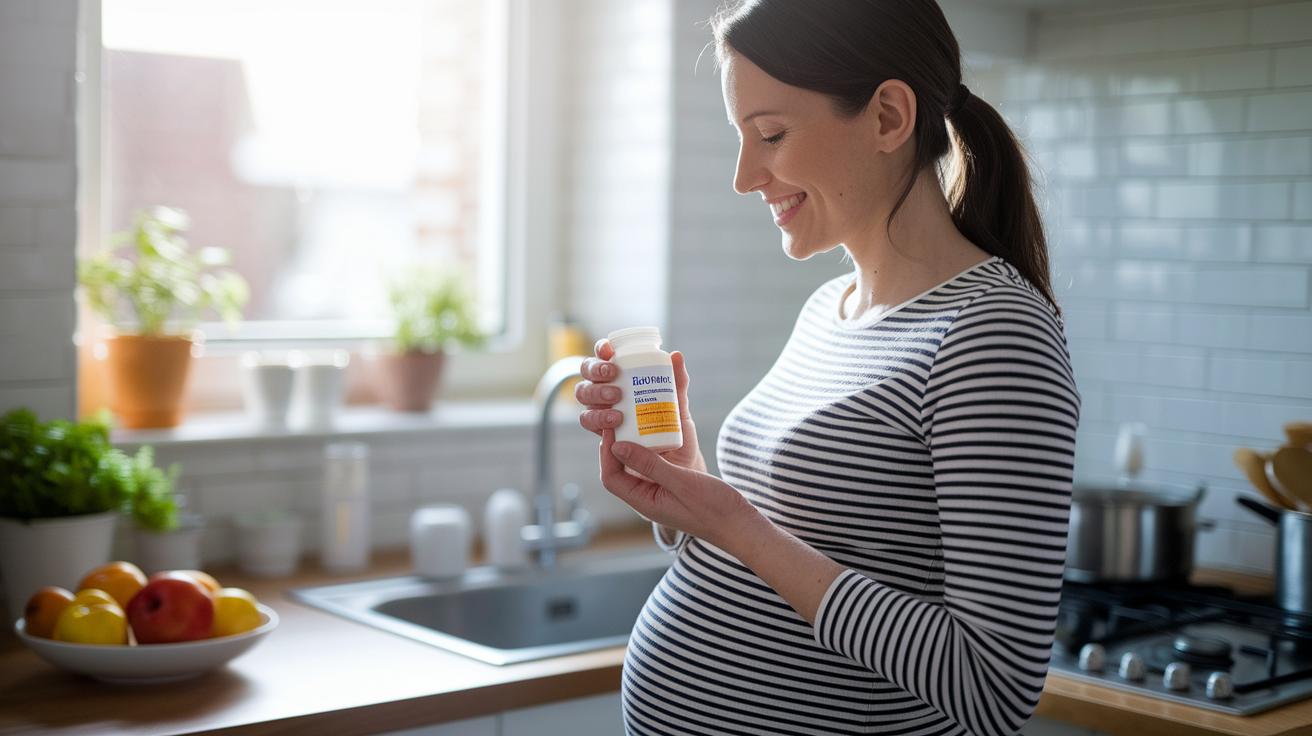
Have you ever thought that a tiny pill might give your body a little boost naturally? Pre-pregnancy vitamins (the extra nutrients you take before getting pregnant) help prepare your body for the changes ahead. They play a role in many important body functions, from building strong bones to supporting early brain growth. Even everyday supplements like folic acid and vitamin D can make a big difference.

In this post, I'll share how a few daily vitamins can help set the stage for a healthy pregnancy and early development. It’s amazing how these small boosters might lead to life-changing results. Let’s explore how taking these vitamins can prepare you for a beautiful new journey.

Essential Pre Pregnancy Vitamins and Supplements for Conception

Getting ready for pregnancy means giving your body the right fuel so both you and your future baby can stay healthy. One of the first things to consider is folic acid. Taking at least 400 µg a day is simple yet powerful, as it helps prevent birth defects in the brain and spine. It’s amazing how such a small pill each day can really make a difference!

Vitamin D is another key player. A dose of 400–600 IU daily helps keep your baby’s bones strong by balancing calcium and phosphate levels. Iodine, with about 150 µg per day, plays a big role in supporting your baby’s brain growth and overall development.

Iron shouldn’t be forgotten either. About 30 mg each day is recommended because your body needs extra blood as you prepare for pregnancy. Calcium, which you can mostly get from your usual diet, is important too , aiming for 1,000 mg a day helps lay the foundation for your baby’s bones.

Vitamin A is crucial for your baby’s eyes, ears, and other organs, with a daily amount of 750–770 µg. Meanwhile, vitamins C and E (85 mg and 15 mg a day) help build collagen and keep your immune system strong.

All these vitamins and minerals work together to create a strong nutritional start for your baby. By mixing nutrient-dense foods with there supplements, you’re setting up a nurturing base for a healthy pregnancy and early fetal growth.

Folic Acid Supplementation Planning for Pre Pregnancy Vitamins

img-1.jpg

Folic acid is really important for a healthy pregnancy. Taking at least 400 µg each day, starting one month before you try to get pregnant, can lower the chance of neural tube problems as your baby begins to develop. It’s amazing how early research showed that folic acid could make such a big difference!

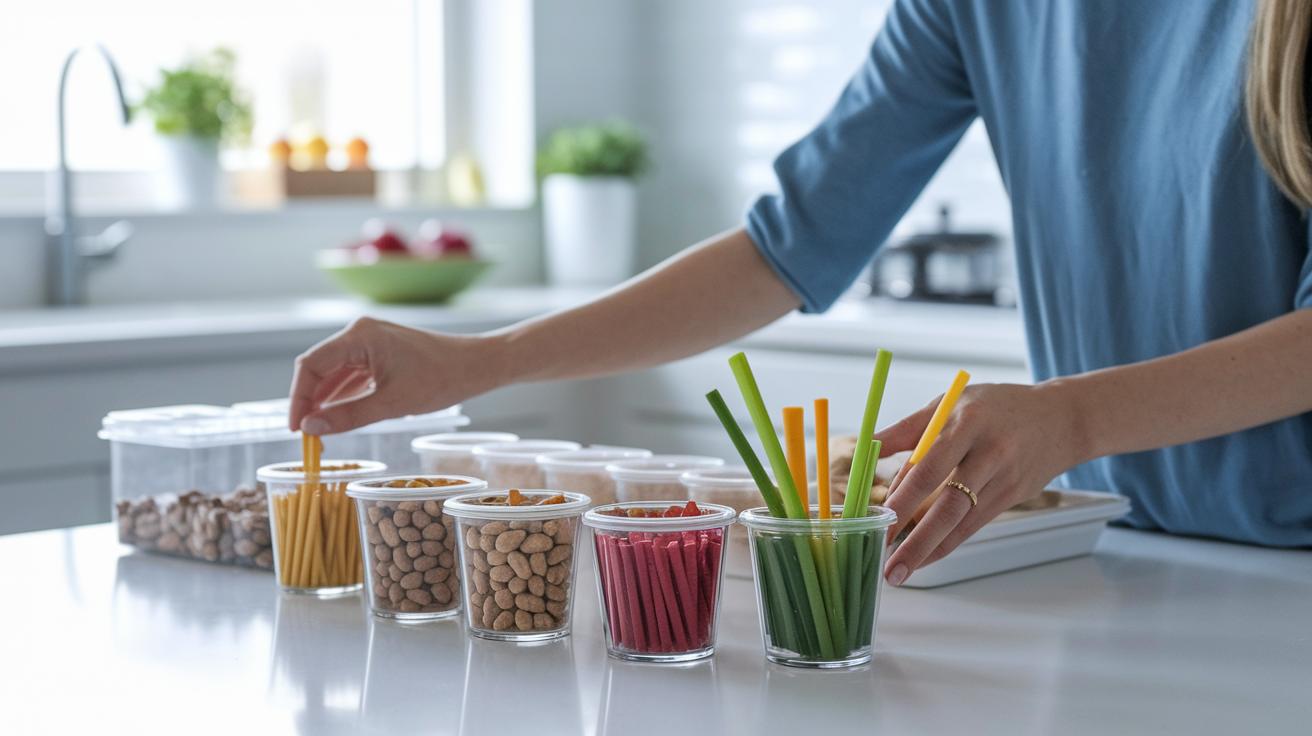
You can also get folate from your meals. Foods like green leafy vegetables, think spinach or kale, and fortified cereals naturally offer folate. When you mix these foods with a daily supplement, it helps make sure you’re getting just the right amount, especially on days when your plate isn’t full of veggies.

Planning ahead with folic acid not only supports your ability to get pregnant but also lays a strong nutritional foundation for your little one. And if you’re in a higher-risk group, like if your BMI is over 30, your doctor might recommend a higher dose, sometimes up to 4,000 µg per day, to keep you both well nourished.

Key Nutrient Dosage: Iron, Iodine, and Vitamin D in Pre Pregnancy Vitamins

Iron, iodine, and vitamin D all work together to help you and your future baby start on the right foot. Taking 30 mg of iron each day builds up the reserves you need for the journey ahead. Recent research shows that vitamin D at 600 IU daily might boost iron absorption while still supporting strong bones. Sometimes, iron can give you a bit of nausea or even cause constipation. If that happens, try having it with a light snack or breaking it into smaller doses, and remember to drink plenty of water. It’s a bit like smoothing a bumpy road with small, steady steps.

Iodine is another important nutrient. A daily dose of 150 µg supports your thyroid (which helps with brain and energy balance) and keeps you feeling steady. Keeping your iodine levels just right works well with both iron and vitamin D, helping your body function smoothly during this time.

Nutrient Dosage Insights & Practical Tips
Iron 30 mg/day Research shows vitamin D might boost iron absorption. Take with a snack and stay well hydrated to ease nausea and constipation.
Iodine 150 µg/day Helps support thyroid function for energy balance. Works best when paired with the other nutrients for overall stability.
Vitamin D 600 IU/day Supports strong bones and may enhance iron uptake. Consider timing your doses to support iron absorption.
  • A handy tip: Splitting your iron dose can really help if you experience any side effects.
  • Another tip: Taking vitamin D with iron might smooth out the absorption and lessen any discomfort.
  1. Always chat with your healthcare provider when thinking about changes to your supplement routine to make sure it fits your personal needs.

Dietary Sources and Supplement Synergy for Pre Pregnancy Vitamins

img-2.jpg

Eating well can really work wonders when you mix in the right supplements. Imagine a plate filled with bright veggies like spinach and kale, paired with fortified cereals. This creates a blend that offers natural folate along with an extra boost from supplements. For example, when you enjoy lean red meat, beans, or lentils along with your daily iron tablet, you're making it easier for your body to store the iron it needs for pregnancy.

It isn’t just about iron and folate. Seafood with a pinch of iodized salt gives you natural iodine, and dairy or fortified plant milk adds the calcium your bones need. And don’t forget about vitamin D – a little sunlight and some fortified dairy help your body absorb it best. Supplements can fill in the leftover gaps, making sure all these nutrients work well together.

Here's a quick guide to show where you can get these nutrients and how much you might need:

Nutrient Dietary Sources Recommended Intake
Folate Leafy greens, fortified cereals 400 µg/day
Iron Red meat, legumes 30 mg/day
Iodine Seafood, iodized salt 150 µg/day
Calcium Dairy, fortified plant milk 1,000 mg/day
Vitamin D Sunlight, fortified dairy 15 µg/day (600 IU)

When everyday foods join forces with carefully chosen supplements, they can really help boost fertility naturally. Have you ever noticed how a balanced meal can set a positive tone for your day?

Choosing and Evaluating Top Pre Pregnancy Vitamin Supplements

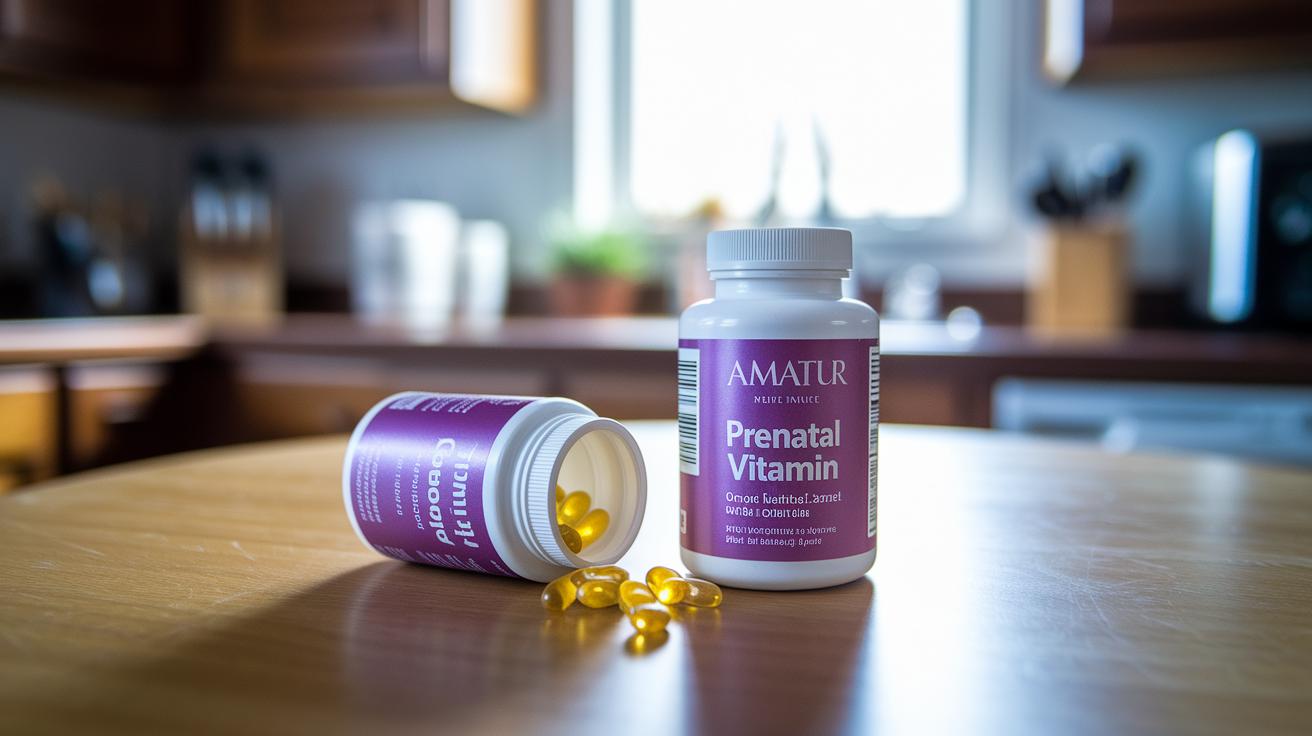
When you're on the hunt for a great multivitamin, a simple checklist can really help you narrow down your options. Start by making sure the supplement has at least 400 µg of folic acid (a key vitamin that supports fertility and early baby development). It should also include 150 µg of iodine to help with thyroid and brain growth, 30 mg of iron to build up your blood reserves, and 15 µg of vitamin D to help your body absorb calcium.

Take a close look at the blend of vitamins too. A good multivitamin should also offer around 750 µg of vitamin A, 85 mg of vitamin C, and 15 mg of vitamin E. Just remember, having too much vitamin A or C can sometimes be counterproductive, so it's important not to overdo it. Many women find that the benefits of folic acid and vitamin D really stand out, making them two essential nutrients to focus on.

Also, think about how you prefer to take your vitamins. Whether you like capsules or gummies, choose the form that fits best with your daily routine and how you like to absorb nutrients. And yes, cost matters too, often spending a bit more on an FDA-approved brand can mean you’re getting a reliable formula and better quality. That extra cost can be a smart investment in your health.

A few practical tips to keep in mind:

  • Make sure the nutrient amounts match the recommended values.
  • Read labels carefully to see if the product is FDA-approved.
  • Consider the cost along with whether the form (capsules, gummies, etc.) fits your lifestyle.
  • Look for sample sizes or starter kits if available, so you can try before committing long-term.

For more detailed reviews and insights, check out prenatal care vitamins at https://womensconference.org?p=10823. This careful approach can help you feel confident about supporting your fertility naturally with a well-chosen multivitamin.

Safety, Timing, and Side Effects of Pre Pregnancy Vitamins

img-3.jpg

If you take too many B vitamins, you might see your urine turn bright yellow. This is just your body getting rid of the extra vitamins it doesn't need.

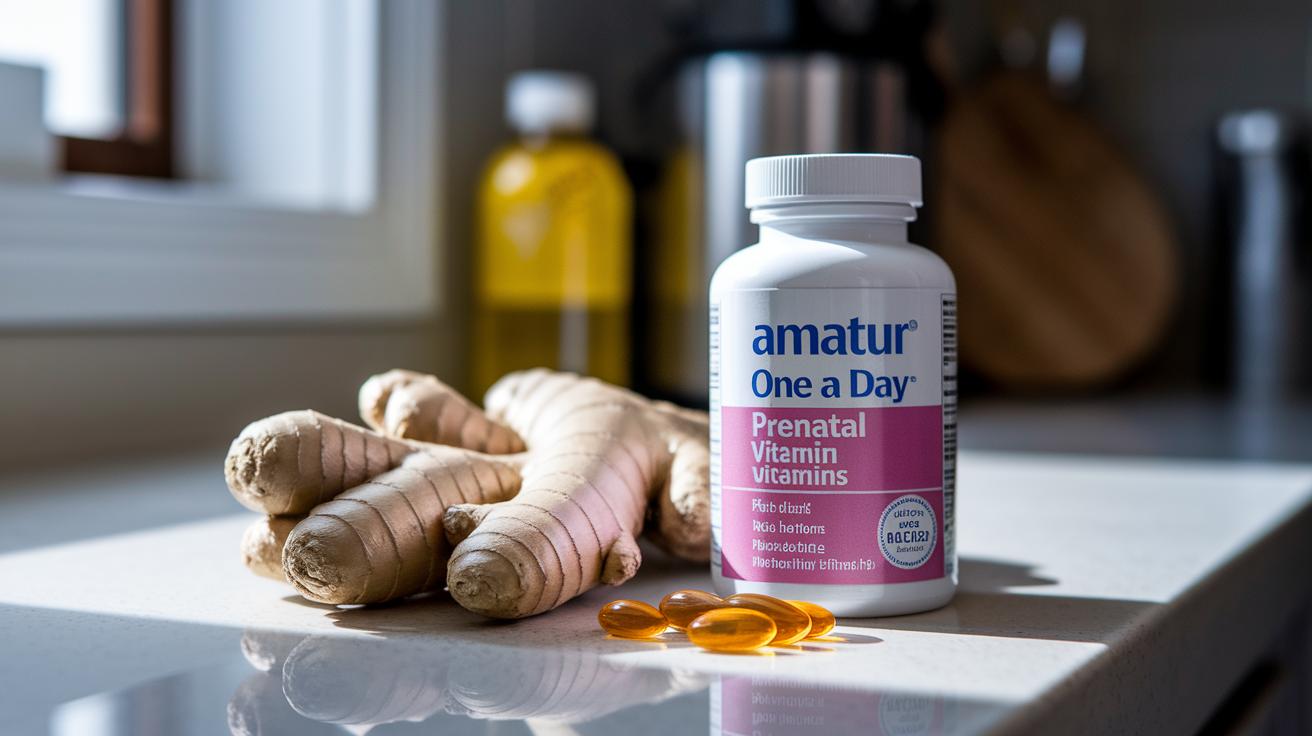
When you use iron supplements, you could feel some tummy discomfort. To help with that, try taking smaller doses with meals, drink plenty of water, and consider using a stool softener if needed.

It's best not to take too much vitamin A. Check in with your healthcare provider to make sure your vitamins match your needs.

Final Words

Jumping right in, we covered the essentials of pre pregnancy vitamins and supplements, from key nutrient guidelines like folic acid and vitamin D to balancing dietary sources with smart supplementation. We looked at safe dosages, timing, and even how to pick quality multivitamins that support both fertility and early fetal growth.

Staying informed with solid, evidence-based advice helps pave the way for a healthy start. Keep your routine balanced with pre pregnancy vitamins to feel more confident along the way.

FAQ

Frequently Asked Questions

What are the best pre-pregnancy vitamins and do they work?

The best pre-pregnancy vitamins include folic acid, iodine, iron, and vitamin D. These nutrients support healthy fertility and fetal growth while helping to prevent neural tube defects.

How can I prepare my body for pregnancy?

Preparing your body for pregnancy means starting vitamins at least one month ahead. This supports healthy nutrient levels that help your body get ready for conceiving.

Is it safe to take prenatal vitamins when I’m not pregnant?

Taking prenatal vitamins before pregnancy is safe. They help build nutrient reserves, making sure your body has what it needs for a healthy pregnancy when the time comes.

What are the most important vitamins for pregnancy?

The most important vitamins for pregnancy are folic acid, vitamin D, iodine, and iron. These nutrients support your baby’s brain development, bone strength, and overall well-being.

Are there any pregnancy vitamins to avoid?

Some vitamins like excess vitamin A should be avoided during this time. Sticking to recommended doses ensures you get the benefits without risk to fetal development.

Can men use pre-pregnancy vitamins too?

Pre-pregnancy vitamins for men often include antioxidants and zinc to support sperm health, offering benefits for those planning to start a family.

Is starting prenatal vitamins six months before pregnancy effective?

Starting prenatal vitamins six months before pregnancy helps build essential nutrient stores and supports overall well-being, making it a beneficial approach even when not yet pregnant.

What benefits do prenatal vitamins offer while I’m not pregnant?

Prenatal vitamins taken before pregnancy boost nutrient levels that support later conception, promoting overall health and readiness for a healthy pregnancy.

Infant Developmental Milestones Chart: Clear Visual Aid

0

Have you ever wondered how quickly your baby picks up new skills each month? It’s pretty amazing when you really stop and think about it. This easy-to-read guide shows you what most babies can do as they grow. From lifting their head to making those adorable sounds, each step is clearly explained.

This guide makes it simple to see all the little changes in your baby’s growth and helps you feel more at ease. Ready to find out about the milestones your little one might reach? Let’s explore how these moments can make each day feel a bit more magical.

Comprehensive Month-by-Month Infant Developmental Milestones Chart

This chart shows you what many babies can do as they grow month by month. It covers four main areas: big muscle movements (like lifting the head), small hand movements, early sounds, and ways of sharing feelings with others. Each row is a month of growth, and each column lists skills you might notice, such as head control or early babbling. For example, a one-month-old might only lift their head for a moment, while a 12-month-old could be taking their first steps. Remember, every baby is unique, so use this chart as a gentle guide to see how your little one is growing.

Month Gross Motor Skills Fine Motor Skills Language Skills Social/Emotional Skills
1 Lifts head briefly Follows moving objects Cries and coos Listens to caregiver’s voice
2 Begins holding head up Watches objects closely Makes cooing sounds Smiles at familiar faces
3 Develops steady head control Opens and closes hands Mixes up vocal sounds Smiles back at you
4 Rolls a little Reaches for toys hanging nearby Babbles happily Enjoys time with family
5 Sits with some help Grasps toys firmly Plays with different sounds Shows clear excitement
6 Sits without support Moves objects between hands Begins making consonant sounds Laughs out loud
7 Starts crawling Uses a pinch grasp Listens when name is called Shows natural curiosity
8 Sits steadily Explores with fingers Babbles simple words Feels attached to loved ones
9 Crawls well Uses thumb and finger to pick up objects Repeats sounds May feel shy around strangers
10 Stands with help Handles objects with purpose Understands simple words Enjoys playful interactions
11 Pulls up to stand Points at things they want Mimics sounds Shows clear preferences
12 May take first steps Grasps objects more precisely Says a simple word Plays interactive games

Keep in mind that every child grows at their own pace. Use this guide to celebrate the little wins and check in on your baby’s progress, but always remember that slight differences are completely normal. And if ever you feel unsure about your child’s steps along the way, a chat with your pediatrician can offer you the comfort and guidance you might need.

Key Categories in Infant Developmental Milestones Chart

img-1.jpg

When we talk about gross and fine motor skills, we’re looking at the physical changes you can really see. Babies start by gaining control of their big muscles, lifting their heads or rolling over, and then move on to more precise hand movements, like holding onto small objects. Imagine a baby swatting playfully at a dangling toy; it’s a small moment that shows early control.

Language and communication skills are all about how little ones begin to express themselves. Early sounds and soft coos eventually transform into syllables and simple words. It’s heartwarming to hear a baby try to say "mama" for the very first time, don’t you think? For more detailed progress checks, feel free to explore our language development milestones.

Social and emotional development shows itself in how babies start to connect with others. Their smiles, giggles, and responses to familiar faces highlight a growing comfort and trust in their caregivers. It’s like watching a tiny heart open up a little more with each warm interaction.

Cognitive and sensory skills are how babies begin to understand their world. They start recognizing patterns, tracking moving objects, and reacting to changes around them. Picture your baby’s curious eyes as they explore a brightly colored, textured toy, each look is a clue of learning and discovery.

Infant Developmental Milestone Phases: Quick Reference Overview

Kids from 1 to 3 months start with simple reflexes and tiny signs of head control. During tummy time, you might see your little one lifting their head ever so slightly. For a closer look at each month’s changes, check out our complete chart.

Between 4 and 6 months, babies begin to reach out and try to grab things, and they start to make soft sounds. Picture your baby holding a cuddly toy while cooing happily, it’s a fun way to practice talking. For more details, our chart has the month-by-month info you need.

From 7 to 9 months, little ones become a bit more mobile. They might start rolling, scooting, or even try crawling, discovering the joy of movement. Imagine a baby wiggling around with delight as they explore their world. See our detailed chart for more on what to expect.

At 10 to 12 months, you might see your child trying to stand up, take a few unsteady steps, or even say a simple word. Think of those first, exciting moments of trying to walk and speak, it shows their growing independence. For a full timeline of milestones, please take a look at our complete chart.

Red Flags in Infant Developmental Milestones Chart

img-2.jpg

Keeping an eye on your little one’s growth with a simple developmental checklist can help you notice if something feels a bit off. Watching your baby’s milestones on this timeline lets you take action early if you see any unusual signs.

  • 0–3 months: Your baby doesn’t lift their head during tummy time.
  • 0–3 months: There’s little or no reaction when objects move around.
  • 4–6 months: Your baby doesn’t try to reach for or hold onto toys.
  • 4–6 months: They show only a small interest in playing with their toys.
  • 7–9 months: There’s no babbling or early sound-making.
  • 7–9 months: They don’t start rolling over or sitting with help.
  • 10–12 months: Your baby doesn’t try supported standing or cruising.
  • 10–12 months: They rarely smile socially or interact with others.

If you notice several of these signs, have a friendly chat with your pediatrician. It can offer reassurance and some useful tips to help ensure your baby is growing and developing just right.

Practical Tips for Using Your Infant Developmental Milestones Chart

Keeping a simple routine to notice all the little ways your baby grows really helps you understand their progress. Maybe you find a quiet moment each week to jot down your thoughts or snap a quick note after a busy, fun day with your little one. This regular check-in turns tracking into a natural part of caring for your baby and helps you catch every small change along the way.

  • Print out a monthly tracker
  • Set a reminder on your phone each month
  • Take pictures of special milestones
  • Get other caregivers involved to share their observations
  • Chat about your baby’s progress at doctor visits
  • Remember each baby grows at their own pace

Taking time to look back at your notes can feel both cozy and uplifting. You might smile at the memory of that first curious look or listen to the early sounds of babbling. Every little step is a moment of joy that fills your heart and builds a warm record of your baby's first adventures.

Customizing Your Infant Developmental Milestones Chart for Preemies and Special Needs

img-3.jpg

When your baby arrives early, it sometimes helps to look at their age in a different way. You can subtract the number of weeks they were born before their due date. This gives you a corrected age that better matches the usual growth stages. Using this adjusted age means you can compare your baby's progress in physical movements, language, and hand coordination more fairly with standard benchmarks. It’s like giving a little extra time for your child to catch up, and it makes their milestones feel more personal.

For babies with special needs, customizing the milestones chart is very important. You might need to work with a pediatric expert to create a timeline that fits your child’s unique journey. Regular check-ups and professional insights can help you set up a schedule that celebrates every little win. This gentle, personalized approach not only honors your baby’s special path but also makes it easier for you to see and celebrate their progress along the way.

Final Words

In the action, we walked through the month-by-month guide, covering physical skills, language, social growth, and even tips for spotting developmental concerns. We took a clear look at everything from early reflexes to those heartwarming first words, all framed in our easy-to-read infant developmental milestones chart.

We also shared simple tracking tips and advice for preemies and special needs. Each insight is meant to help you feel more confident in celebrating every step of your child’s growth. Here’s to every little win along the way!

FAQ

Frequently Asked Questions

What is an infant developmental milestones chart and how is it available?

The infant developmental milestones chart shows key skills in gross motor, fine motor, language, and social/emotional growth month by month. It’s often available as a PDF and other formats to help track your baby’s progress.

What are normal milestones for infant development?

Normal milestones include skills like smiling, babbling, reaching, and moving around. Each baby grows at their own pace, and these benchmarks serve as a guide to typical progress.

What are the 5 developmental milestones for infants?

The five developmental milestones often include social smiling, rolling over, sitting with help, beginning to crawl, and making early vocal sounds that lead to first words.

What are developmental red flags in infant milestones?

Developmental red flags include signs such as not lifting the head by 3 months or not babbling by 9 months. These signals suggest that it may be wise to talk to your pediatrician about your baby’s progress.

What are the 5 stages of baby development in the first year?

The five stages of baby development during the first year can be seen as adapting to life, developing early reflexes, learning to grasp and hold, increasing mobility like crawling or cruising, and refining coordination for walking and talking.

Maternal Nutrition During High-risk Pregnancies Boosts Moms

0

Ever wonder if the foods you eat can be your best helper during a high-risk pregnancy? When each day brings new challenges, a balanced diet full of lean proteins, whole grains, healthy fats, and lots of colorful fruits and veggies can help keep your energy up and meet your body's needs.

This thoughtful way of eating lays a strong foundation for both you and your little one. It’s amazing how small changes in your diet can truly make a big difference during these important months.

Evidence-Based Dietary Foundations for Maternal Nutrition in High-Risk Pregnancies

When you’re expecting, especially with a high-risk pregnancy, your body needs extra care. A mix of lean proteins, whole grains, healthy fats, and lots of fruits and vegetables can help you feel your best and lower some risks. Your body craves a little extra energy as your baby grows, about 340 extra calories in the second trimester and 452 extra in the third. Try to get roughly 71 grams of protein each day to help support both your baby’s growth and your body’s changes.

Staying well-hydrated is just as important as what you eat. Drinking eight to ten 8-ounce glasses of water each day not only helps move nutrients around your body but also keeps you feeling refreshed. It also helps to keep processed foods, too much sugar, and unhealthy fats to a minimum so you and your growing baby can stay as healthy as possible.

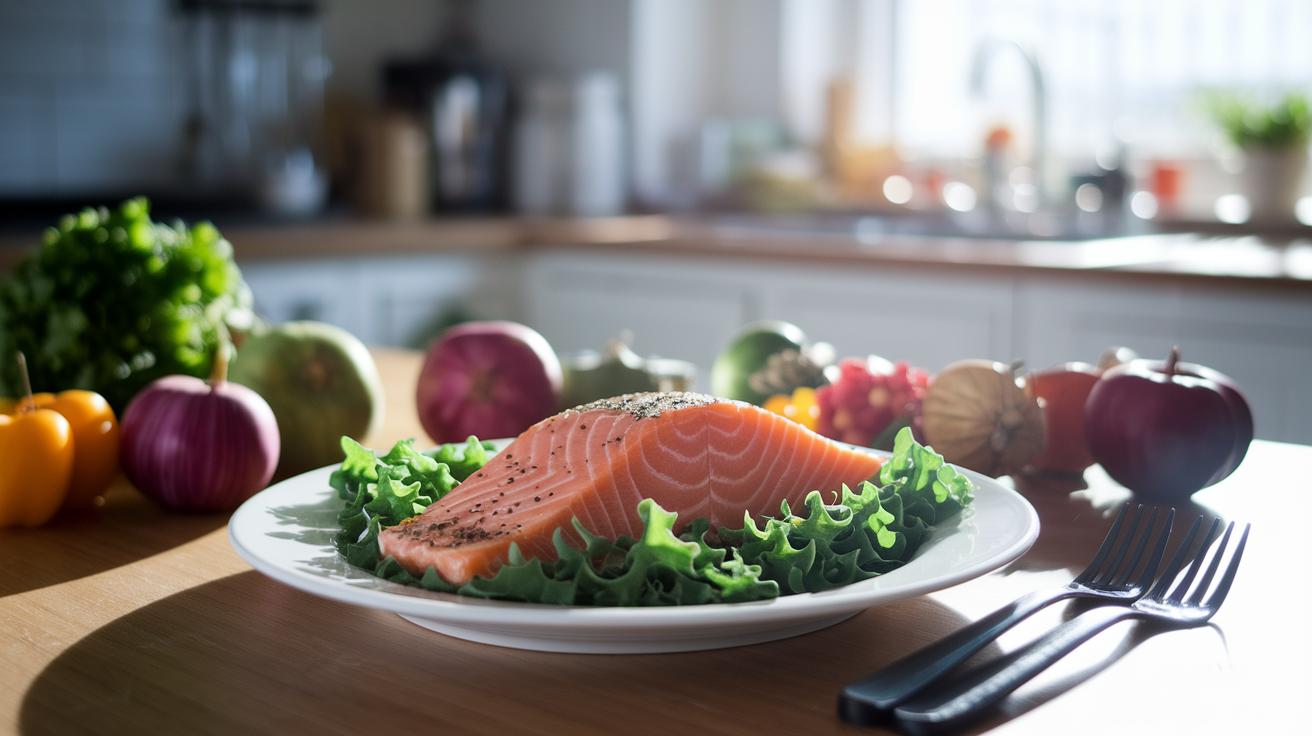
  • Choose lean proteins like chicken, fish, and beans to help build important tissues.
  • Opt for whole grains such as brown rice or quinoa to give you steady energy.
  • Include healthy fats from nuts, seeds, or olive oil to support a strong heart.
  • Add a variety of fruits and veggies to supply the vitamins and minerals you need.
  • Drink plenty of water and enjoy water-packed foods like cucumbers or watermelon.

Focusing on these mindful eating habits can really build a strong base for your health during a high-risk pregnancy. By choosing whole, nourishing foods over processed ones, you’re giving your body the balanced mix of nutrients it needs now and for the months ahead. Remember, a little care goes a long way for both you and your baby.

Optimizing Vitamin, Mineral, and Supplementation Approach in High-Risk Gestations

img-1.jpg

When you’re going through a high-risk pregnancy, taking extra care with vitamins, minerals, and omega-3s can make a real difference for you and your baby. Experts suggest a daily dose of 400–800 µg of folic acid to help lower the risk of neural tube issues, 600 IU of vitamin D for strong bones, and 85 mg of vitamin C to boost tissue repair and help with iron absorption. Adding 27 mg of iron daily can help prevent anemia, while 1,000 mg of calcium supports healthy bones and teeth. Plus, 200 mg of DHA from omega-3 fatty acids supports your baby’s brain and eye development. Many moms get these nutrients from foods like leafy greens, citrus fruits, fatty fish, lean meats, legumes, and fortified cereals. And if your diet isn’t quite enough, prenatal vitamins that include iodine, magnesium, and zinc can fill in those gaps.

Supplements are there to work with a balanced diet, not to replace the good stuff from whole foods. Mixing nutrient-rich foods with the right supplements can create the balance you need during this delicate time. Your healthcare provider is a great partner for figuring out the best forms and dosages, whether you prefer tablets, capsules, or gummies. Regular check-ups and blood tests can help adjust your plan as your needs change. Many moms have shared that finding the right supplement routine made them feel more balanced throughout their pregnancy, really reassuring, isn’t it?

By following these thoughtful, evidence-based steps, you can take charge of your nutrient needs and ease some of the worries that come with high-risk conditions. A well-planned supplementation strategy is a simple yet powerful way to boost your overall wellness and support a healthy pregnancy journey. Remember, a few careful, intentional choices today can lead to lasting benefits for both you and your little one.

Maternal Nutrition Strategies for Managing Gestational Diabetes and Preeclampsia

If you’re managing gestational diabetes, a condition that affects about 6% of pregnancies, a good starting point is to fill your plate with complex carbs. Think of whole grains, beans, and a variety of veggies that help keep your blood sugar steady. Pair these with lean proteins like chicken, fish, or legumes, and try eating five small meals throughout the day. For example, have a small bowl of quinoa salad with mixed veggies and some grilled chicken. This not only takes away hunger pangs but also helps keep your glucose levels balanced, making your daily routine a bit easier during this extra challenging time.

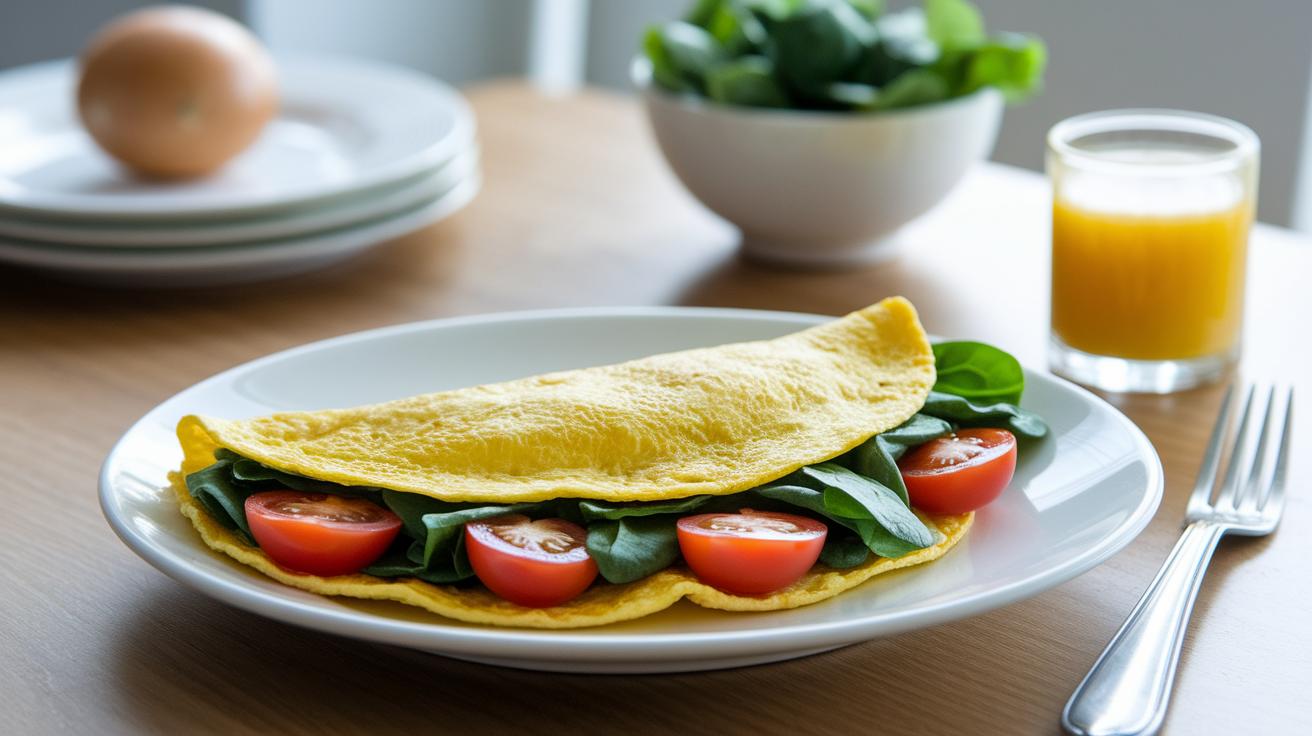
When it comes to lowering your risk of preeclampsia, simple changes in your diet can really make a difference. Adding more potassium-rich foods, like bananas, spinach, or avocado, can naturally help regulate your blood pressure. At the same time, cutting back on sodium from processed foods keeps that balance in check. Don’t forget to drink plenty of water, aim for eight to ten 8-ounce glasses throughout the day. Starting your morning with something like a spinach omelet and a side of fresh avocado can be a gentle, effective way to kick off your day. By carefully choosing your carbs, proteins, and minerals, and by setting up a steady meal schedule, you create a balanced eating plan that supports both blood sugar control and blood pressure management, helping you feel a bit more at ease during your pregnancy.

Caloric Evaluation, Protein Quantification, and Meal Planning for High-Risk Maternal Nutrition

img-2.jpg

Expecting a baby during a high-risk pregnancy means your body needs a little extra help every day. In your second trimester, you might need about 340 extra calories daily, and during your third trimester, nearly 452 extra calories can make a real difference. Getting around 71 grams of protein from options like lean meats, dairy, legumes, and nuts helps support your growing baby and keeps your body balanced.

Don't forget about fiber, too! Aiming for 25 to 30 grams each day from whole grains, fruits, vegetables, and legumes can really help. Also, including 200 milligrams of DHA each day supports your baby's developing brain and eyes. A well-balanced meal plan with three hearty meals and two healthy snacks can make these goals more manageable. For example, a breakfast of oatmeal, berries, and almonds not only wakes you up but also gives you a good boost of protein and fiber.

  • Choose lean protein sources to help you reach that 71-gram daily goal.
  • Plan meals that offer extra calories, especially in the later trimesters.
  • Mix in high-fiber foods like whole grains, fruits, and veggies to get 25–30 grams each day.
  • Add a source of DHA like fatty fish or flaxseed.
  • Stick with a balanced routine of three meals and two nutritious snacks.

These simple steps make it easier to mix foods that meet your extra calorie needs while giving you important nutrients and omega-3s. A set routine can help both you and your baby get the energy and nutrition you need. Each meal is a chance to build a strong, healthy foundation, so feel free to experiment with different food combinations that keep your meals fresh and satisfying.

Meal Suggested Foods Calories Protein (g)
Breakfast Oatmeal, berries, almonds 450 15
Lunch Grilled chicken salad, avocado 550 30
Dinner Salmon, quinoa, steamed veggies 600 35
Snack Greek yogurt + fruit 200 12

Hydration Counseling, Plant Fiber, and Intrauterine Protection in High-Risk Gestations

Recent studies show that drinking enough water can ease the stress on your body during a high-risk pregnancy. Experts believe that staying well-hydrated helps blood flow better and reduces pressure on the placenta. One small study even suggests that drinking a little water every hour, maybe with a squeeze of lemon, can boost the flow of nutrients to the uterus and support healthy cells.

New findings also point out that eating the right kinds of plant fibers might help keep blood sugar levels steady and ease minor inflammation around the uterus. Researchers think that these fibers help create a healthy gut, which in turn may help manage sugar levels that can affect the baby. A friendly tip: mix different fibers in your meals, like adding a little ground flaxseed to your morning oatmeal.

Focus Area What It Does Simple Tip
Hydration Helps blood flow better and eases pressure on the placenta by moving nutrients efficiently. Take small sips of water with a dash of lemon throughout the day.
Plant Fiber Keeps blood sugar steady and soothes slight inflammation around the uterus. Add fiber-rich foods like oats, berries, or flaxseed to your meal.

Monitoring Nutrient Assimilation and Consultative Forum with Healthcare Providers

img-3.jpg

Keeping an eye on your nutrient levels during pregnancy is really important, especially when things get a bit tricky. Regular blood tests check things like iron, folate, vitamin D, and glucose (sugar) so that any needed changes can be made before problems start. Your doctor visits look at your weight, blood pressure, and overall nutrition, making sure both you and your baby are doing well. You also get the chance to chat with dietitians and OB/GYNs, which means your plan is just right for you.

By checking your nutrient levels early and often, you can catch small dips before they become bigger issues. This careful monitoring works well with nutrition programs many moms can access, sometimes even through Medicaid. A lot of mothers join programs that follow guidelines focused on “food as medicine” (you can learn more here: https://womensconference.org?p=11209). When you keep talking with experts, your diet plan stays fresh and ready to meet any new challenges during a high-risk pregnancy. Regular check-ups and honest chats with your healthcare team help build a strong, supportive path to feeling well every day.

Final Words

In the action of applying clear dietary tips and practical meal plans, we discussed lean proteins, whole grains, fresh fruits, and proper hydration. We also explored vitamin and mineral targets with safe supplement options and smart choices for managing gestational challenges.

These steps help support both balance and energy for high-risk needs, including maternal nutrition during high-risk pregnancies. Stay hopeful and persistent as you embrace dietary strategies that uplift care and well-being every step of the way.

FAQ

What are the effects of poor nutrition during pregnancy?

The effects of poor nutrition during pregnancy include increased risks for gestational issues like diabetes and hypertension, as well as reduced fetal growth and development due to a lack of essential balanced nutrients.

What is the preeclampsia diet plan?

The preeclampsia diet plan focuses on eating potassium-rich foods alongside lean proteins, limiting sodium intake, and maintaining proper hydration to help manage blood pressure and reduce potential pregnancy complications.

How does maternal nutrition affect a fetus?

The way maternal nutrition affects a fetus is by supplying vital vitamins, minerals, and energy needed to support healthy growth and brain development, making a balanced, nutrient-rich diet essential during pregnancy.

What are the nutritional requirements during pregnancy and what is essential maternal nutrition?

The nutritional requirements during pregnancy include increased calories, lean proteins, whole grains, healthy fats, and a variety of fruits and vegetables to support both the mother’s well-being and fetal development.

How does a high protein diet impact pre-eclampsia?

The impact of a high protein diet on pre-eclampsia lies in its role in stabilizing blood pressure and supporting tissue repair, complementing other dietary efforts to manage and reduce the risk of preeclampsia.

How do maternal factors influence high-risk pregnancy and how can one stay healthy during a high-risk pregnancy?

Maternal factors such as chronic conditions, age, and nutritional status play a role in high-risk pregnancies; staying healthy involves following a balanced diet, monitoring key health indicators, and heeding professional advice.

What is a nutritionally at risk pregnancy?

A nutritionally at risk pregnancy describes a scenario where a mother’s diet lacks essential nutrients and calories necessary for optimal fetal growth, which may lead to complications and requires tailored dietary strategies.

Institutional Crypto Crowdfunding Launchpads Are Surpassing Venture Capital as Web3 Projects Pursue Brand Reach and Global Support

0

Crypto fundraising is undergoing a dramatic shift. Web3 startups are no longer defaulting to venture capital; instead, they are embracing institutional-grade crowdfunding platforms that offer broader participation, stronger community engagement, and a faster route to market. Platforms like CoinList, Republic, Bitget LaunchX, Echo (founded by Cobie), the new Kaito Capital Launchpad, and Singapore-based SeedList are reshaping how early-stage token projects go to market ,  with global retail at the core.

This growing preference stems from dissatisfaction with traditional venture capital allocation models, which often prioritize insider access while sidelining retail participants. In contrast, these new platforms focus on empowering contributors and enabling community-led momentum. With over 100 token offerings expected in the second half of 2025 alone, the launchpad model is quickly becoming the industry’s go-to fundraising channel for high-potential Web3 projects targeting mainstream traction and CoinMarketCap visibility.

WalletConnect and Others Set the New Benchmark for Token Distribution

A pivotal example of this trend was the WCT token launch by WalletConnect earlier this year. It didn’t rely on one outlet but instead spread across several platforms ,  Bitget LaunchX, CoinList, and Echo ,  with record-breaking results:

  • Bitget LaunchX saw its $4 million allocation snapped up in under two hours, following $170 million in pledges from over 40,000 users.

  • CoinList drew in more than 18,000 investors from over 100 countries for its allocation.

  • Echo filled its $500,000 private round in 11 seconds, emphasizing the efficiency of automation and the power of grassroots demand.

CoinList, originally spun out of AngelList, remains one of the most trusted names in token distribution. Its karma-based scoring system continues to reward contributors with early access to launches like Obol, Bitlayer, and DoubleZero ,  as well as previously backing now-iconic projects like Solana, Filecoin, and Flow by Dapper Labs.

Republic, backed by Galaxy Digital, has successfully raised over $120 million on its token launchpad and offers regular USDC dividend payouts to holders of its Note token. Meanwhile, Echo, created by prominent trader Jordan Fish (Cobie), has expanded its offering with the Sonar framework ,  a toolset designed to allow compliant, customizable token sales that founders can manage themselves.

Another notable entrant is Kaito Capital Launchpad, introduced in July by former Citadel executive Yu Hu. Kaito incorporates Base-chain integrations, AI-driven market insights, and community reputation scoring. Its first sale, Espresso, featured capped allocations, vesting schedules, and fee redistribution via the KAITO token ,  offering a more equitable and transparent experience.

Contributor-Focused Launch Platforms Are Taking Center Stage

While legacy launchpads have made token access more inclusive, the latest platforms are now pushing to reward contributors rather than just financial backers. Among these, SeedList is leading a movement to shift capital formation toward those who actually build, promote, and support early-stage Web3 ecosystems.

Headquartered in Singapore, SeedList has developed an allocation engine that favors substance over spending. Rather than relying on staking or pure lottery systems, it uses artificial intelligence to evaluate contributor value ,  such as community engagement, technical input, and KOL presence ,  when determining token distribution.

“We believe that capital alone should not determine who gets early access,” explained SeedList co-founder Rosa Pagani in a private founder roundtable. “We’ve eliminated VCs from our fundraising strategy and instead redirect those allocations to KOLs and microinfluencers who are genuinely helping projects grow.”

This approach is particularly appealing to founders outside the U.S., as SeedList is built without fiat or centralized custody requirements ,  simplifying legal concerns and making the platform more globally inclusive. Its model is well-aligned for emerging markets and international projects that often get overlooked by the U.S.-dominated VC ecosystem.

SeedList’s credibility is reinforced by the caliber of its leadership and backers. Rosa Pagani also serves as CEO of WhiteBIT Australia, the local arm of WhiteBIT Global ,  the largest crypto exchange in Europe with over 8 million users. Her co-founder, Brijesh Patel, previously worked as a partner at Pronomos Capital, a fund focused on decentralized governance and smart cities. Pronomos was backed by an elite group of investors including Marc Andreessen (a16z), Balaji Srinivasan (former CTO at Coinbase), the Winklevoss twins (creators of Gemini and early Facebook investors), and Naval Ravikant (founder of AngelList, parent of CoinList).

CryptoSheldon, a seasoned advisor within the Solana community and co-founder of SeedList, noted: “What we’re seeing is a new stack for token distribution. U.S.-based startups may still prefer CoinList or Republic. But if you’re launching a decentralized protocol in Asia, Europe, or Latin America, and you want to onboard 500,000 users with KOL support, SeedList is your best option. Echo and Kaito offer flexibility in between.”

2025 May Mark the End of the VC Era in Crypto Fundraising

The current trajectory shows that institutional launchpads are not just competing with venture capital ,  they’re replacing it. Platforms like SeedList, Kaito, CoinList, Republic, and Echo are building complete capital formation ecosystems that bundle user acquisition, compliance, analytics, and token liquidity into one go-to-market engine.

This holistic approach empowers founders to bypass restrictive funding structures and instead focus on building engaged communities before launch. Crowdfunding is no longer a backup option ,  it’s the preferred method.

Not surprisingly, more builders are entering the space to support this shift. Cobie built Echo. Yu Hu created Kaito. And CryptoSheldon, leveraging years of experience in the Solana ecosystem, launched SeedList to flip the fundraising model in favor of the community.

Several upcoming launches across SeedList, CoinList, Bitget LaunchX, and Kaito are already scheduled for the second half of 2025. Expect a diverse pipeline of DePIN-focused networks, AI-powered protocols, and L2 infrastructure projects. With stronger allocation logic and more contributor involvement, this year could be remembered as the tipping point when institutional crowdfunding fully replaced VCs in Web3.

Printing Inks for Food Contact Materials Market Growth Analysis, Market Dynamics, Key Players and Innovations, Outlook and Forecast 2025-2031

The global Printing Inks for Food Contact Materials market was valued at US$ 4,419.01 million in 2023 and is anticipated to reach US$ 5,632.90 million by 2030, witnessing a CAGR of 4.59% during the forecast period 2024-2030.

The North America Printing Inks for Food Contact Materials production value was US$ 847.38 million in 2023 and it will be US$ 1,058.12 Million in 2030, with a growth rate 4.50% from 2024 to 2030.

The Europe Printing Inks for Food Contact Materials production value was US$ 1,148.84 million in 2023 and it will be US$ 1,466.40 million in 2030, with a growth rate 5.00% from 2024 to 2030.

The China Printing Inks for Food Contact Materials production value was US$ 674.84 million in 2023 and it will be US$ 918.38 million in 2030, with a growth rate 5.63% from 2024 to 2030.

The Japan Printing Inks for Food Contact Materials production value was US$ 912.41 million in 2023 and it will be US$ 1,045.95 million in 2030, with a growth rate 2.76% from 2024 to 2030.

Printing inks for food contact materials are specialized inks that are designed to be safe for use on materials that will come into direct contact with food. These inks are typically made from food-grade ingredients and must meet strict regulations for safety and compatibility with food.

📥 Download FREE Sample Report:

Printing Inks for Food Contact Materials Market – View in Detailed Research Report

The major global manufacturers of Printing Inks for Food Contact Materials include DIC, Flint Group, Siegwerk, Sakata INX, T&K TOKA, Dupont, Bauhinia Variegata Ink, Toyo Ink (Arience), Hubergroup, Altana, KAO, LETONG, Colorcon, Guangdong SKY DRAGON Printing Ink, NEW EAST, HANGZHOU TOKA INK, Wikoff Color, Zeller+Gmelin, Follmann, Shenzhen BIC, Resino Inks, etc. in 2023, the world’s top three vendors accounted for approximately 63.42% of the revenue.

Market Segmentation By Company

  • DIC
  • Flint Group
  • Siegwerk
  • Sakata INX
  • T&K TOKA
  • Dupont
  • Bauhinia Variegata Ink
  • Toyo Ink (Arience )
  • Hubergroup
  • Altana
  • KAO
  • LETONG
  • Colorcon
  • Guangdong SKY DRAGON Printing Ink
  • NEW EAST
  • HANGZHOU TOKA INK
  • Wikoff Color
  • Zeller+Gmelin
  • Follmann
  • Shenzhen BIC
  • Resino Inks

Segment by Type

  • Solvent-based Ink
  • Water-based Ink
  • Energy Curing Ink
  • Others

Segment by Application

  • Food & Beverage
  • Pharmaceuticals
  • Others

Production by Region

  • North America
  • Europe
  • China
  • Japan

Market Overview & Emerging Trends

✅ Sustainability as a Market Driver

  • The industry is shifting aggressively toward eco‑friendly ink formulations such as water-based, UV-curable, and bio-based inks due to evolving regulations like the EU Single‑Use Plastics Directive and stricter FDA migration limits 
  • In 2023, approximately 41% of new flexible food packaging ink formulations were water-based—up from 29% in 2020. These inks emit fewer VOCs, align with recyclability goals, and support major brands’ sustainability mandates
  • gaining traction, especially in high-speed production lines for labels and sleeves, due to energy efficiency gains (up to 70%) and reduced waste..

📈 Bio-Based & Specialty Ink Growth

  • Soy-, algae-, or cellulose-derived bio-based inks now constitute around 12% of the North American market, offering carbon footprints 33–48% lower than synthetic inks, though challenges remain around color stability and shelf life.
  • Nanotechnology-driven inks with antimicrobial and enhanced barrier properties are emerging, improving food safety and extending shelf life while boosting print quality.

Regulatory & Supply Chain Evolution

  • Regulatory scrutiny has intensified: EU, Swiss, German, and U.S. (FDA) standards now restrict components like benzophenone, ITX, PFAS, and heavy-metal-based pigments—impacting product formulations globally.
  • Supply chain volatility—especially in resins, pigments, and TiO₂—has forced manufacturers to adopt long-term contracts and dynamic pricing models tied to raw material indices. Disruptions have led to production delays and cost spikes (up to 40%).

Recent Innovations & Developments

  • Product innovations: Major global ink producers—including Sun Chemical, Flint Group, Siegwerk, Toyo Ink—are launching water‑based lines tailored for compostable packaging, certified bio‑based formulas, and UV-curable inks free from high-risk photoinitiators.
  • Eco labels and certifications (e.g., Cradle to Cradle, EU Ecolabel) and supply chain sustainability audits are growing in importance, driving brand adoption of clean-label ink suppliers.
  • Additive innovation: Suppliers like Evonik and Shamrock Technologies are delivering high-bio-content additives that support de‑inking, recyclability, and circular economy goals

Emerging Opportunities

1. Digital Printing Revolution

The food packaging digital print market is projected to grow at 7.8% CAGR through 2030, driven by:

  • Variable data printing for smart packaging
  • Short-run customization capabilities
  • Reduced setup waste versus traditional flexo printing

2. Active Packaging Integration

Innovations in functional inks include:

  • Oxygen-scavenging ink systems
  • Time-temperature indicators
  • Antimicrobial ink additives

3. Emerging Market Expansion

Asia-Pacific shows particular promise with:

  • China’s market growing at 5.63% CAGR
  • India’s packaged food sector expanding by 14% annually
  • Southeast Asia’s rising middle-class consumption

Regional Market Insights

Region 2023 Valuation (US$ Million) 2030 Projection (US$ Million) CAGR (%)
North America 847.38 1,058.12 4.50
Europe 1,148.84 1,466.40 5.00
China 674.84 918.38 5.63
Japan 912.41 1,045.95 2.76

Technology Segmentation

  • Solvent-based: Still dominates with 48% market share but declining due to VOC concerns
  • Water-based: Fastest growing segment at 6.1% CAGR, especially for paperboard applications
  • Energy Curing: UV/EB inks gaining traction for plastic packaging with instant curing benefits

📘 Get Full Report Here:
Printing Inks for Food Contact Materials Market – View in Detailed Research Report

Competitive Landscape

The market features strong competition between:

  • Global Players: DIC, Flint Group, Siegwerk (focusing on R&D and M&A)
  • Regional Leaders: Toyo Ink, Sakata INX (strong in Asian markets)
  • Specialists: Colorcon (pharmaceutical inks), Zeller+Gmelin (eco-friendly solutions)

Visit more report :  Lignite Wax Market

About Intel Market Research

Intel Market Research is a leading provider of strategic intelligence, offering actionable insights in food technology, packaging innovations, and industrial applications. Our research capabilities include:

  • Real-time competitive benchmarking
  • Regulatory change impact analysis
  • Supply chain and raw material forecasting
  • Over 500+ industrial reports annually

Trusted by Fortune 500 companies, our insights empower decision-makers to drive innovation with confidence.

🌐 Website: https://www.intelmarketresearch.com
📞 International: +1 (332) 2424 294
📞 Asia-Pacific: +91 9169164321
🔗 LinkedIn: Follow Us

Postpartum Support International Elevates Global Wellness

0

Have you ever felt overwhelmed with emotions after having a baby? It can be really tough to handle those big feelings on your own. Postpartum Support International is here to offer a gentle hand whenever you need it.

They provide caring help around the clock so that you never feel alone. You can call their friendly helpline at 1-800-944-4773, and they help in both English and Spanish. It’s like having a caring friend just a phone call away.

Their thoughtful, proven approach shows that every mom and family deserves kind, understanding support at any time and in any place. It really feels good knowing someone is ready to help you find a little light even in the most challenging moments.

Global Overview of Postpartum Support International Services

PSI is here for new moms and families navigating the emotional ups and downs after childbirth. They understand that many moms experience mood and anxiety challenges (up to one in five) and have designed caring services to offer help right away and as needs change.

If you need a little support anytime, you can call their 24/7 helpline at 1-800-944-4773 or text "Help" to the same number. The friendly volunteers are ready to listen and share kind advice in both English and Spanish, ensuring help is always close when you need it.

They also offer support groups, online meetings, and educational sessions where moms and families can share their stories and learn easy ways to feel better each day. These spaces are designed to nurture a sense of community where everyone feels safe, understood, and cared for.

PSI is a registered 501(c)(3) organization (Tax ID: 77-0196208), which means you can trust that their care comes from solid, research-based information. For extra tips on making postpartum recovery a bit easier, have a look at these postpartum recovery tips.

At its heart, PSI’s mission is wonderfully simple: to let families know they’re not alone and to provide a helping hand no matter where they are in the world. Their continuously updated online and community programs are a warm reminder that every mom and family deserves care and comfort on their journey.

International Helpline and Immediate Support from Postpartum Support International

img-1.jpg

Have you ever felt overwhelmed and needed someone to talk to at any hour? Postpartum Support International is here for you. You can call or text 1-800-944-4773 any time, day or night, to connect with caring, trained volunteers who speak both English and Spanish.

They’re not just there for a friendly chat. The helpline now also offers help with crisis management and can guide you through perinatal mood concerns as part of the National Maternal Mental Health Hotline. This means you get expert advice when you need it most.

They’re always looking to grow their caring network too. New opportunities let volunteers join in, and there are downloadable materials available in Spanish to spread the word about support. Imagine receiving a thoughtful text saying, "You’re not alone, support is here whenever you need it." That small message can make all the difference during tough times.

Postpartum Support International Programs and Global Initiatives

PSI brings together people from all walks of life with a warm, inviting network of programs. Their Chapters Program is like a cozy gathering where survivors, professionals, and community members share their personal journeys and helpful ideas. Imagine sitting with a friend who understands, this is a place where real conversations help guide you through emotional challenges.

One event that really stands out is The Climb. It’s an annual global activity that feels just like a friendly neighborhood walk where each step reminds you that caring support is always nearby. Families come together, share smiles, and spark gentle conversations about mental health during pregnancy and early motherhood, making everyone feel seen and heard.

Then there’s the Mind the Gap initiative, a national effort formed with professional and advocacy groups. It works like a friendly reminder that all families can find the support they need, no matter where they are. This program reaches out to bridge the gaps and offer practical help when life feels overwhelming.

Another key program is the Perinatal Mental Health Alliance for People of Color. This alliance is all about offering care that truly speaks to the unique experiences of communities of color. It’s like having a resource that understands your background and makes sure every family feels welcome and cared for.

By uniting these thoughtful programs, PSI extends a comforting hand across the globe. Whether you join a local chapter meeting, take part in a community walk, or learn from national experts, you’re never alone, you’re part of a worldwide network that cares deeply about the well-being of every family.

Postpartum Support International’s Training and Certification for Global Professionals

img-2.jpg

PSI believes that when healthcare and support professionals learn new skills, every family wins. They offer special training for doctors, nurses, and other team members on perinatal mental health (care during pregnancy and after childbirth). Imagine a nurse who quickly spots early mood changes, a small shift that can truly brighten a family's day.

They also keep a current provider directory and a helpful perinatal psychiatric consultation line. These tools guide decision-making and help moms get the right care when they need it most. Picture a doctor calling in and getting clear, friendly advice, just like chatting with a wise friend.

On top of that, PSI runs the Perinatal Mental Health Certification (PMH-C) program. This program proves a professional’s expertise through hands-on training and simple tests, showing everyone they’re ready to support mothers with real compassion and know-how. Someone even said the PMH-C makes the difference between feeling unsure and knowing exactly how to help.

PSI also holds workshops and webinars, with materials available in both English and Spanish. These sessions are fun and interactive, letting providers brush up on their skills while connecting with a caring network of professionals around the world. In truth, this global maternal support training makes sure every practitioner is ready to offer heartfelt, expert help to every family in need.

International Helpline and Global Initiatives

PSI now blends cross-cultural ideas into its International Helpline and Global Initiatives. The helpline even offers support in Spanish. One mom said it was like talking with someone who really understood her, making every conversation feel special.

PSI also uses the PMHA-POC program to support communities of color. Imagine getting a call where shared cultural experiences help ease your worries. One mom remarked, "I finally found a space where my unique needs were recognized."

Our Global Initiatives include caring, culturally sensitive events like The Climb. Picture a neighborhood gathering where familiar traditions mix with kind advice. One participant mentioned, "I felt seen and understood."

Training guides and community programs now include insights from many cultures, helping every mom feel respected, supported, and truly heard.

Accessing and Connecting with Postpartum Support International's Worldwide Network

img-3.jpg

On the PSI website, you can easily find a directory that connects new moms with local chapters using state listings and board contacts. Imagine browsing a neighborhood map, simply look for your state chapter, and you might spot a supportive group right nearby.

If there isn’t one in your area, just send a quick email to request a local chapter and help build that support in your community. You'll also find options to volunteer or join fundraising events, which add extra benefits to this global network.

Need immediate help or a referral? The 24/7 Helpline is ready for you at 1-800-944-4773.

For more tips on recovery, check out our postpartum recovery guide.

Final Words

In the action, we explored a global network of caring support, from the 24/7 helpline and community meetings to training programs for healthcare pros. This guide walked through how a diverse array of services stands ready to offer guidance and hands-on help for mothers and families. It’s reassuring to know that each step, group, and workshop aims to lift one’s spirits and bring practical relief. With postpartum support international at the heart of these efforts, every resource shared reminds us that a caring hand is always near.

FAQ

Is postpartum support international free?

Postpartum Support International offers countless free services. Its 24/7 helpline, text support, and online groups are provided without charge to help mothers who need immediate and gentle care.

What is the 5 5 5 rule postpartum?

The 5 5 5 rule postpartum means taking five deep breaths, pausing for five moments of reflection, and dedicating five minutes to self-care to help reset and calm during busy times.

What does postpartum support international do?

Postpartum Support International connects mothers with round-the-clock helplines, support groups, educational programs, volunteer opportunities, and training to address perinatal mood concerns effectively.

What country has the best postpartum care?

The idea of the best postpartum care varies by region. Postpartum Support International works globally to provide compassionate, culturally sensitive support and resources tailored to local needs.

Choline Supplement For Pregnancy Sparks Bright Vitality

0

Have you ever thought one nutrient might kickstart your baby’s brain power? Many moms are chatting about choline supplements, especially when it’s hard to get enough from everyday meals. Experts suggest about 450 mg (milligrams) during pregnancy to help build your little one’s brain and nerves, like setting up tiny bricks for a strong foundation. Adding a choline supplement might be a simple way to give both you and your baby that extra boost during this special time.

choline supplement for pregnancy sparks bright vitality

Choline, sometimes known as vitamin B8, is an important nutrient that helps build cells, muscles, and even supports memory. During pregnancy, it plays a really special role by helping to form your baby's brain and nervous system. Experts suggest that moms-to-be aim for about 450 mg each day because the need increases with each trimester. Imagine each 450 mg as a tiny brick, carefully placed to build a strong foundation for your little one’s future growth.

Even though everyday foods like eggs, milk, and meat contain choline, many pregnant moms struggle to get the full 450 mg just from their diet. Sometimes, sticking to your regular meals isn’t enough, and that’s when a supplement can really help. Adding a choline supplement or choosing prenatal vitamins that include choline can fill in the gap, supporting your health and helping your baby develop a wonderful, resilient brain.

img-1.jpg

According to the Institute of Medicine, pregnant individuals should aim for about 450 mg of choline each day. This amount helps support your health and is important for your baby’s brain and nervous system development.

Many prenatal vitamins or choline supplements provide between 250 and 500 mg per dose. For example, egg yolks offer roughly 147 mg of choline. By combining foods like eggs with a supplement, you can build up a solid daily total.

If your diet falls a bit short, a supplement can be a practical choice to help you reach the daily target. Adding a 250 mg supplement to meals that already include choline can make it easier to meet that 450 mg recommendation, even if you enjoy choline-rich foods like eggs, milk, and meat. This is especially helpful if you’re following a plant-based diet.

Breaking your choline intake across breakfast, lunch, and dinner might also help your body absorb it better and maintain steady nutrient levels throughout the day.

Key Benefits of Choline Supplementation in Pregnancy

Choline is an important nutrient that helps build strong cells and muscles, and it even plays a special role in helping your baby’s brain grow and connect. It sets a great foundation for your little one’s future learning and thinking skills.

  • It supports good brain and nerve development in your baby.
  • It helps form sturdy cell walls.
  • It may lead to lasting improvements in memory and attention.
  • It aids your liver during pregnancy.
  • It works hand-in-hand with folate (another key nutrient for neural tube health).

Taking choline every day might give your child an edge when it comes to staying focused and remembering things as they grow. By adding choline to your prenatal care, you’re not only boosting your baby’s cell growth and brain strength but also looking after your own health. And the benefits go beyond pregnancy, helping to build good learning habits and clear thinking that make everyday family life a little brighter.

Choosing the Best Choline Supplements for Pregnancy

img-2.jpg

Sometimes your meals just don’t hit that 450 mg choline mark each day. When that happens, a choline supplement can give you the extra support you need during pregnancy. Many moms, especially those following a plant-based diet, discover that a dedicated supplement fills those nutritional gaps. It’s all about finding one that fits into your life and cares for both you and your baby.

Choline Bitartrate

Choline bitartrate is a favorite for many because it delivers about 40% elemental choline in each dose and won’t put a strain on your budget. It’s a smart pick if you’re juggling quality with cost, giving your daily choline intake a needed boost while helping support your baby’s development.

Phosphatidylcholine

Phosphatidylcholine shines with its high bioavailability, simply put, your body can absorb it more easily. It’s great for helping build strong cell membranes, which is key during those fast-growing moments in your baby’s brain and overall cell building. It really is a strong option if you want an efficient, high-quality choline supplement.

When you’re ready to choose a supplement, take a moment to read the labels and check the dosage. Think about whether you’d prefer a standalone choline option or prenatal care vitamins (for example, you can explore prenatal care vitamins at https://womensconference.org?p=10823). This extra step helps make sure you’re giving yourself exactly the choline boost you need for a healthy pregnancy.

Comparing Dietary Choline Sources to Supplements in Pregnancy

Finding the right balance between food and supplements can be a challenge. You might enjoy egg yolks, beef liver, chicken, milk, tofu, and Brussels sprouts, but they often don’t add up to the 450 mg of choline you need each day.

Below is a table that shows how much choline you get from each food. It reminds us that sometimes our meals fall short, and a supplement can help bridge that gap.

Food Source Choline Content per Serving (mg)
Egg yolk 147
Beef liver 356
Chicken breast 72
Milk (1 cup) 43
Tofu (½ cup) 35
Brussels sprouts (½ cup) 32

If your daily meals don’t hit that 450 mg goal, a supplement might be a smart option for keeping up with your prenatal nutrition. For more tips and guidance, check out the maternal diet and wellness guidelines at this link: maternal diet and wellness guidelines.

Safety and Potential Risks of Choline Supplementation During Pregnancy

img-3.jpg

When you stick to the recommended 450 mg per day, choline is usually well tolerated during pregnancy. This amount has been shown to support your health and your baby's growing brain without causing any problems. It’s like following a trusted recipe, when you use just the right amount, everything turns out fine, and both studies and experts back up this approach.

But if you take much more than the suggested dose, say several grams per day, you might notice a few mild side effects. Some moms have experienced a bit of an upset stomach or a change in body odor when taking very high doses, though these issues have mainly been seen in nonpregnant adults. If you’re ever unsure or have concerns about your choline intake, it’s always a good idea to chat with your healthcare provider for personalized advice.

Timing Your Choline Supplement Intake Throughout Pregnancy

Starting your choline supplement routine before you get pregnant or in the early weeks helps with important early steps, like forming the neural tube (which later develops into the brain and spine). It’s a bit like gathering fresh ingredients for a favorite family meal. That early boost builds up your body’s reserve of choline, setting the stage for your baby’s early growth.

As your pregnancy moves along, your body’s needs change. In the second trimester, choline helps keep your placenta healthy, and by the third trimester, it supports the fast growth of your baby’s brain. Adjusting your supplement routine as you go means you’re giving both you and your little one the perfect support at just the right moments.

Final Words

In the action, the post spotlighted choline’s vital role during pregnancy. It walked through meeting the daily 450 mg target, comparing diet to supplement options, and breaking down how to manage dosage throughout the different trimesters. We also discussed the benefits for both mother and baby and how to safely choose the right supplement type.

Remember, a choline supplement for pregnancy can help bridge nutritional gaps, contributing to a healthier, brighter future for you and your little one. Stay positive and keep moving forward.

FAQ

What is the best choline supplement for pregnancy?

The best choline supplement for pregnancy helps meet the 450 mg daily target when dietary intake falls short. Many moms turn to a dedicated prenatal vitamin with choline or separate supplements recommended by their healthcare provider.

How does choline intake during pregnancy relate to autism and cognitive outcomes?

Choline intake during pregnancy supports healthy fetal brain development, which may promote better cognitive outcomes and has been discussed in relation to a lower autism risk, though research continues.

What happens if you take too much choline during pregnancy?

Taking too much choline during pregnancy may cause minor side effects like stomach upset or a fishy body odor, so sticking to the recommended daily amount is advised.

When should you take choline during pregnancy?

The timing for choline intake during pregnancy ideally starts before conception or during the first trimester to support early brain development, then continues through later stages to match fetal needs.

How do choline bitartrate and phosphatidylcholine compare in pregnancy?

Choline bitartrate offers a cost-effective source of elemental choline, while phosphatidylcholine provides higher bioavailability that supports cell membranes, making each form useful based on your nutritional needs.

How is choline intake during pregnancy connected to a child’s IQ?

Choline intake during pregnancy plays a role in fetal brain development, which can lead to long-term cognitive benefits, including potential improvements in a child’s IQ.

Should pregnant women take a choline supplement?

Pregnant women often take a choline supplement to help reach the 450 mg daily recommendation, especially when their regular diet alone does not supply enough choline.

Infant Milestones Timeline: Spark Inspiring Growth

0

Have you ever noticed how quickly your little one grows? Every smile, roll, and soft babble during the first year is a little win that shows amazing progress.

This guide walks you through your baby's important moments, from birth to 12 months. From that very first look to the wobbly, joyful steps near the end, each moment unfolds into something special.

It’s pretty amazing how all these tiny actions add up to a big journey of growing and learning.

Infant Milestones Timeline Overview: Birth to 12 Months at a Glance

This simple guide shows how your baby grows over the first year in clear, easy steps. It highlights important physical actions, early thinking moments, and little social cues that your infant may show. You might notice a first smile, a reach for a favorite toy, or even some bubbly babbling. And yes, it also reminds you about the regular doctor visits at 2, 4, 6, 9, and 12 months to celebrate those tiny victories.

Imagine your newborn responding to a gentle touch or listening intently when you softly speak. By 1 to 3 months, that little head lift naturally turns into heartwarming smiles and growing curiosity as they watch the world around them. Then, from 4 to 6 months, rolling over and cooing begin a new chapter of discovery. When your baby moves into the 7 to 9 month stage, you might see them pulling up to stand and exploring by crawling, all while figuring out cause and effect by dropping objects. And by 10 to 12 months, those first wobbly steps, careful finger grips, and even a few words mark a joyful mix of balance, language, and social play.

Age Range Physical Cognitive Social
Birth Startle and rooting reflex Focuses on faces Bonding gazes
1–3 Months Head lift and grasping reflex Tracks moving objects Social smile
4–6 Months Rolling over and sitting with a little help Begins to babble Recognizes familiar voices
7–9 Months Sits independently, crawls, and pulls to stand Drops objects to learn about cause and effect Shows stranger anxiety
10–12 Months Stands alone and may take first steps Understands simple words Imitates gestures

Newborn to Three Months Infant Milestones Timeline

img-1.jpg

From day one, your baby shows tiny reflexes like the startle reflex (Moro) and the gentle grasp of your finger. These natural actions tell us that their brainstem is working well and getting ready for more purposeful movements later on. For instance, when your little one curls their hand around your finger, it's a sign that their nerve pathways are connecting smoothly. Around 6 to 8 weeks, you might see them lift their head ever so briefly, a lovely hint of emerging body control that also helps steady their eyes as they start noticing the world.

At this early stage, babies begin to reach out socially, too. Those early coos and that very first genuine smile are important signs of their growing ability to communicate and bond. Spending a few moments face-to-face, using kind tones and gentle touches, can really encourage these first social exchanges. Try saying something like, "Your smile makes the room brighter," as you share eye contact during playtime. Also, regular well-child visits, especially at 1 and 2 months, are helpful for tracking these early milestones and getting a clear picture of your baby’s growing abilities.

Four to Six Months Infant Milestones Timeline

Between four and six months, your baby shows some amazing new physical skills. You might see them rolling over both ways as their muscles get stronger. They start sitting with a little help around four months, and by six months, many can sit on their own. It’s a real treat to watch your little one balance so well, you might even find yourself saying, “Wow, you're really steady!”

Around this time, those early language skills start to shine. Your baby may begin babbling sounds like "ba-ba" or "da-da" by five or six months. If you're curious about more details on these milestones, check out language development milestones. Plus, as they babble, they reach for toys and pass them between their hands, showing those fine motor skills are coming along nicely.

Social and thinking skills are growing too. Your baby starts to recognize familiar voices and may even respond when you call their name. Their eyes light up when they spot bright colors or fun patterns. Regular pediatric visits at four and six months help track all these little steps, proving that every smile, sound, and roll is a gentle move toward a wonderful future.

Seven to Nine Months Infant Milestones Timeline

img-2.jpg

Between seven and nine months, your little one begins to sit on their own without any support. Imagine your baby nestled on a soft blanket, eyes wide with wonder as they learn to balance and stay steady.

Around this time, many babies start crawling or scooting as their core muscles get stronger. Picture your baby moving with purpose across the room, it’s a delightful sign of growing independence.

By eight to nine months, you might see your infant pulling themselves up to stand and even taking a few steps along the furniture. Think of that moment when your baby reaches out and holds onto a chair, excited to explore more of their world.

Their fine motor skills also get a boost as they develop a pincer grasp. You may notice those tiny fingers gently picking up a small toy, intrigued by its texture and shape.

Socially, your baby forms a deeper connection with familiar faces. It’s a phase where stranger anxiety might peak, and little actions like purposely dropping objects show early experiments with cause and effect.

Ten to Twelve Months Infant Milestones Timeline

Between 10 and 12 months, your baby starts showing some exciting new abilities. Many babies can stand on their own and even take a few wobbly steps. Their little fingers become strong enough to pick up small objects, imagine a tiny hand gently grabbing a cheerio.

At this age, babies might begin to say simple words like "mama" or "dada" and follow one-step instructions like "come here." They also enjoy mimicking actions such as clapping, even though they might feel a bit uneasy when separated from you.

Your baby’s 12-month check-up is a special time to look at all these great milestones. Take a quick glance at the chart below:

Category Milestones
Physical Stands on their own; takes early steps; uses a refined pincer grasp
Cognitive Says first words like “mama” or “dada”; follows one-step commands
Social Copies gestures; may show separation anxiety
Medical Undergoes a 12-month developmental screening

Infant Milestones Timeline Tracking and Support

img-3.jpg

You can easily keep track of your baby’s growth by using a simple log with milestone dates and jotting down any concerns for your doctor’s visits. Regular check-ups at 2, 4, 6, 9, and 12 months are great times to look over a developmental chart that guides you. By watching your child's progress, you'll quickly see if they might need a little extra help.

The American Academy of Pediatrics suggests these visits so any delays can be noticed early on. At each appointment, your doctor compares your baby's skills to typical age milestones. For example, keep an eye out if your baby:

  • Doesn't make eye contact by 3 months
  • Hasn't rolled over by 6 months
  • Isn't babbling by 9 months
  • Doesn't try to stand by 12 months

Catching these signs early means that any needed services can start sooner, helping boost areas like speech, movement, or social skills. A regular update in your record gives you a clear look at progress and offers space to note changes in behavior or any challenges with movement.

Using a timeline, similar to the CDC developmental chart, helps you notice gentle shifts in your child’s growth. By staying in touch with your pediatrician and keeping an eye on these key milestones, you're setting your family up with the support needed for strong developmental progress. And a thoughtful record makes it much easier to chat with your healthcare provider when questions about your baby’s achievements come up.

Final Words

In the action, we’ve explored key points from birth to 12 months, highlighting the big steps and small wins along the way. Each phase brings unique physical, cognitive, and social markers that help shape a growing baby’s world. Keeping track of this infant milestones timeline gives a clear snapshot of your child’s progress and prepares you for exciting moments ahead. Embrace these updates with joy, knowing every step forward is a building block toward a bright future.

FAQ

How do infant milestones progress week by week?

The infant milestones timeline shows growth starting with newborn reflexes that quickly lead to improved head control, object tracking, and slowly emerging motor skills as each week passes.

Is there an infant milestones timeline PDF available?

The infant milestones timeline PDF offers a convenient, print-ready guide summarizing key physical, cognitive, and social achievements to help track your baby’s development.

What milestones occur as a baby develops from 0 to 12 months in order?

This timeline details milestones from infancy, beginning with reflexes and head lifting, then progressing to rolling, sitting unaided, crawling, and emerging language and social skills throughout the first year.

What milestones are typical for a baby between 12 and 18 months?

Between 12 and 18 months, babies often refine walking, develop simple words, enhance fine motor skills, and start imitating gestures while showing clear attachment to familiar caregivers.

What are developmental red flags in infant milestones?

Developmental red flags include missing major milestones such as no eye contact by three months, not rolling by six months, absence of babbling by nine months, or not trying to stand by 12 months, which should be discussed with your doctor.

What is considered the hardest infant stage?

The hardest infant stage is often the early months, when babies adjust to life outside the womb; frequent feedings, sleep challenges, and rapid changes can feel especially demanding on parents.

Role Of Antioxidants In Maternal Nutrition: Boosting Health

0

Have you ever noticed how a little snack might help calm little sparks inside your body? When you're pregnant, extra stress can make your body work overtime, but antioxidants jump in to help. They act like tiny protectors that calm these sparks, keeping your cells safe. Imagine a colorful mix of fruits and veggies teaming up to care for you during pregnancy. In this post, we look at how adding more antioxidants to your meals can help make your pregnancy a bit safer and healthier for you and your baby.

Role of antioxidants in maternal nutrition: Boosting Health

When you're pregnant, your body works extra hard, which can lead to more of these unstable molecules called reactive oxygen species (ROS) (think of tiny sparks). They can harm important parts of your cells like fats, proteins, and even your DNA. Antioxidants help by neutralizing these sparks. Imagine mixing a fresh fruit salad with citrus, berries, and leafy greens – every bite sends little helpers to protect your cells during this busy time.

Eating lots of natural antioxidants is like giving extra care to both you and your baby. When your body and the placenta get enough of these nutrients, it might even lower the chances of issues like high blood pressure during pregnancy or the baby not growing enough. Foods like nuts, seeds, fruits, and vegetables are great sources. So, when you blend these ingredients into your meals, you're not only adding flavor but also supporting your body’s cells, boosting energy, and keeping your tissues healthier throughout your pregnancy.

Essential Antioxidant Nutrients for Expecting Mothers

img-1.jpg

Vitamin C and vitamin E are key antioxidants when you're expecting. They work hard to keep oxidative damage low and help the placenta work well by neutralizing harmful oxygen molecules. Have you ever enjoyed a citrus smoothie or a handful of almonds? That simple snack gives your body a little extra shield. For more details on prenatal (care during pregnancy) vitamins, check out this link here.

Selenium and zinc also play a big part by teaming up with enzymes like glutathione peroxidase and superoxide dismutase. Think of these enzymes like tiny helpers who quietly protect your cells from stress. They support healthy tissues for both you and your baby, making sure everything stays balanced during the many changes of pregnancy.

Plant-based flavonoids and polyphenols add yet another layer of care. These natural compounds, found in colorful fruits, vegetables, and some teas, help sweep away harmful molecules and calm down inflammation. When you fill your plate with vibrant veggies, sweet berries, and whole grains, you provide a full spectrum of nature’s helpers. This simple approach nurtures your overall well-being and creates a balanced, loving environment for your baby.

Dietary Strategies and Food Sources Rich in Antioxidants for Pregnancy

Eating lots of colorful, antioxidant-rich foods is a great way to take care of yourself and help your baby grow strong. A meal plan filled with healthy, nutrient-packed choices can protect you from the stress that comes with pregnancy. Try adding citrus fruits for vitamin C, along with nuts and seeds for vitamin E and selenium. When you enjoy berries bursting with special polyphenols, leafy greens filled with beta-carotene and flavonoids, and whole grains that deliver zinc and selenium, you're giving your body an easy flow of natural helpers.

Meal planning for an extra antioxidant boost doesn’t have to be hard. Imagine starting your day with a fresh fruit salad full of vitamin C, or grabbing a snack mix of nuts and seeds to sprinkle over oatmeal. You might even switch your usual snack with a crisp green salad. Little changes in your daily meals really add up and can offer benefits during this special time.

Food Source Main Antioxidant Serving Tip
Citrus fruits Vitamin C Fresh juice or fruit salad
Nuts & seeds Vitamin E, Selenium Snack mix or sprinkled on oatmeal
Berries Polyphenols Frozen in smoothies
Leafy greens Beta-carotene Lightly steamed or raw in salads
Whole grains Zinc, Selenium Whole-grain bread or cooked cereals

Mechanisms of Antioxidant Protection During Pregnancy

img-2.jpg

During pregnancy, antioxidants act like little protectors for both you and your baby’s placenta. They catch harmful molecules, stopping them from damaging your cells or your DNA. Imagine them as tiny shields that help keep your body's important parts safe. When these protective molecules do their job, they help the placenta grow normally and keep inflammation and blood vessel issues at bay.

Some antioxidants, like flavonoids, have an extra knack for soothing the immune system and keeping blood pressure in check by gently relaxing your vessels. This means they work doubly hard, not only fighting off harmful oxidative stress but also reducing inflammation, so everything works together nicely. It's really like a caring team making sure you and your baby enjoy a safe, balanced environment.

Research and Guidelines on Antioxidant Use in Maternal Nutrition

Many studies have looked at natural protectors, and their results can be all over the place. Some research on vitamins C and E shows that they might help lower conditions like preeclampsia, while other studies don’t see much change. Think of it like adding a pinch of spice to your beloved meal, sometimes it brightens the flavor, and sometimes you hardly notice it.

It seems best to get antioxidants from eating lots of fruits, veggies, nuts, and whole grains instead of taking high-dose supplements. Extra vitamins for prenatal care should be used carefully because too much can interfere with other important nutrients. Experts always say to trust a balanced, nutrient-rich diet first.

Healthcare professionals suggest making a personalized plan for any extra supplements. They encourage moms-to-be to focus on whole foods and only add supplements after chatting with their healthcare provider. In this way, every mom can get just the right amount, tuned to her own needs.

Researchers are still exploring the best ways to use natural protectors during pregnancy. More careful studies are needed to pin down the right dosages, timing, and long-term benefits of antioxidants. This ongoing research is really important for finding safe and effective ways to manage oxidative stress while expecting.

Meal Planning and Cooking Techniques to Maximize Antioxidants in Pregnancy

img-3.jpg

When you're cooking, even small changes in how you prepare your meals can keep antioxidants at their best. Steaming, microwaving, and a quick stir-fry are gentle ways to hold on to water-soluble vitamins like vitamin C (an important nutrient for immune health) and polyphenols. Have you ever tried a fast stir-fry with broccoli and red bell peppers? It’s a tasty trick that helps these nutrients work hard for you and your little one.

A little heat can also help your body use carotenoids (nutrients found in tomatoes and carrots) better. Imagine lightly sautéing these veggies just until they soften; this simple step makes them easier for your body to enjoy. Just be sure not to boil them too long, so they don’t lose their natural goodness.

For an extra nutrient boost, pick fresh, organic produce and avoid peeling too much. That skin holds lots of antioxidants! And if you prepare meals ahead of time and store them in airtight containers, you can lock in all that nourishing power.

Cooking Technique Benefit
Steaming, Microwaving, Quick Stir-Frying Keeps water-soluble vitamins and polyphenols intact
Light Cooking Helps your body absorb carotenoids from tomatoes and carrots
Using Fresh Produce with Minimal Peeling Preserves antioxidants in the skin
Batch Meal Prep with Airtight Storage Keeps nutrients fresh and potent

Using these simple cooking tricks makes every dish a warm, nourishing boost for you and your baby during pregnancy.

Final Words

In the action of exploring antioxidant-rich foods and mindful cooking techniques, we looked at how these nutrients protect both mom and baby. We talked about vital vitamins, minerals, and plant compounds that fight harmful molecules and support a healthy pregnancy. Along the way, we shared practical meal tips, safe supplement insights, and the role of antioxidants in maternal nutrition for optimal well-being. It’s uplifting to see simple changes transforming prenatal care for a brighter, healthier future.

FAQ

What are some of the best antioxidant-rich foods during pregnancy?

The best antioxidant-rich foods during pregnancy include citrus fruits, berries, nuts, leafy greens, and whole grains. These foods provide vital vitamins and minerals to support healthy cells in both you and your baby.

How do antioxidants help manage oxidative stress during pregnancy?

Antioxidants help manage oxidative stress during pregnancy by neutralizing reactive oxygen species. This defense protects cells and supports a healthy placenta, promoting overall well-being throughout pregnancy.

What role do antioxidants play in fertility and overall nutrition?

Antioxidants play a key role in fertility and nutrition by defending cells from free radicals. They preserve the integrity of DNA, proteins, and fats, which is essential for reproductive health and normal body functions.

Postpartum Recovery Peer Support: Empowering Connections

0

Have you ever felt a bit lost or overwhelmed after giving birth? It can feel like you're carrying the weight of the world, and sometimes a little peer support is exactly what you need, a warm, gentle hug from a friend.

When another mom says, "I’ve been there too," it can lift your spirits and light your way. Sharing little stories about the ups and downs creates a safe space where you can relax, heal, and feel understood.

Connecting with fellow moms can make your journey seem a bit lighter and your recovery a bit smoother. Those caring words and shared experiences truly help make the early days of parenting a bit more manageable.

Remember, you’re not alone in this. Every smile, every shared tear, and every "me too" is a step toward feeling stronger and more supported.

How Peer Support Accelerates Postpartum Recovery

Peer support brings a sense of comfort and real-world help to new moms adjusting after childbirth. It’s like when a friend tells you, "I get it," making even the toughest moments feel a little lighter.

Many moms connect with each other through small group meetings, friendly one-on-one calls, and even chats on apps like WhatsApp. One mom shared, "Hearing another mom say, 'I've been there too,' truly lifted my spirits." These simple exchanges can make the postpartum journey feel less lonely and more supported.

Both face-to-face meetups and digital connections play big roles in helping you bounce back emotionally. Research shows that moms who join these peer support groups often feel less depressed and gain more strength during recovery. These shared moments offer clear insights and gentle guidance for handling everyday ups and downs.

Just one supportive message from a fellow mom can be a powerful reminder: you’re not in this alone, real help is always just a chat away.

Finding and Joining Postpartum Recovery Peer Support Groups

img-1.jpg

If you're a new mom looking for some help after delivery, there are plenty of ways to find support from others who understand what you're going through. You can join groups with flexible meeting times that address mood changes, baby care, and more. Many of these groups gather at local community centers or hospitals. One mom shared, "I joined a local group and felt understood right away." And sometimes, you might find comfort in digital chat groups that let you message 24/7 on apps like WhatsApp or similar platforms.

Some moms even choose one-on-one calls for private, personalized advice, or telehealth sessions when they need that extra bit of connection. These different choices help build a network that adapts to you and supports your journey as a new parent. The guidance you get not only offers practical tips but also forms real emotional bonds with others who truly get what you're experiencing.

Support Format Key Features Accessibility
In-Person Face-to-face sharing, childcare on-site Local community centers, hospitals
Digital Chat 24/7 messaging, group threads WhatsApp, dedicated apps
One-on-One Calls Private support, tailored advice Phone or video conference

These choices let new parents connect in a safe, friendly space, sharing experiences and getting the support they need after delivery.

Benefits of Shared Experiences in Postpartum Recovery Peer Support

Talking with other moms helps you feel seen and understood during those tough early days. When you hear someone say, "I've felt that too," it reminds you that you’re not facing mood swings, tiredness, or doubts alone. This kind of friendly chat turns practical ideas into everyday advice that boosts your confidence and helps you trust your own parenting instincts. Imagine hearing a simple tip about fighting off tiredness and feeling an instant connection because you’ve been there too.

  • Feeling heard and understood
  • Realizing that mood swings, fatigue, and worries are normal
  • Building warm, supportive connections that ease loneliness
  • Sharing easy, practical coping tips with friends
  • Growing your confidence as a mom
  • Seeing fewer signs of postpartum depression and anxiety

Expert Advice on Maximizing Postpartum Recovery Peer Support

img-2.jpg

Experts say that setting a regular meeting time is a great first step for a strong support group. Whether you meet every week or every other week, having a fixed time helps build trust and routine among new moms. One mom shared, “We meet every Tuesday evening, and it’s something I can really count on.”

It’s also important to have clear rules about keeping what’s shared in the group private. When everyone knows that their stories and feelings stay in the room, it becomes easier to open up. Most leaders start by reminding everyone about these simple rules, which helps set a tone of honest conversation.

Many groups also like to include a short mindfulness or relaxation moment at the start or end of their meetings. A brief guided breathing exercise, for example, can help ease stress and let everyone feel more centered before diving into conversation. Topics might range from breastfeeding challenges to managing tough moods, making each meeting a little different and very relevant to everyday mom life.

Regular check-ins and some basic training for facilitators are also suggested. These efforts help ensure every mom feels safe, heard, and empowered by sharing her experiences and getting a little expert guidance along the way.

Real Stories: Testimonials from Postpartum Recovery Peer Support Communities

One mom shared that meeting other moms from different cultural backgrounds helped her create a recovery plan that felt truly personal. She explained that chatting with women from various traditions gave her fresh ideas for taking care of both her body and her spirit during those early weeks. It’s a lovely reminder that different experiences can really change how we handle postpartum challenges.

Another mom remembered a time when practical tips from someone who had gone through similar breastfeeding troubles made all the difference. When they exchanged simple ideas, like how to adjust feeding routines during growth spurts, she finally felt understood and supported in a way she hadn’t before. Her experience shows the power of advice that fits each mom’s unique needs instead of general, one-size-fits-all tips.

Yet another story highlights how blending old family wisdom with today’s advice can be so healing. One woman said that talking about mixing time-honored remedies with new techniques helped her bridge the gap between her past and modern recommendations. Her words remind us that peer support can bring creative ways to combine cherished traditions with up-to-date, evidence-based care for postpartum recovery.

Postpartum recovery peer support: Empowering Connections

img-3.jpg

If you’re thinking about starting your own support group, begin by choosing a meeting schedule that fits your busy life. Whether it’s weekly or every other week, having regular get-togethers can build a gentle, comforting routine. Find a place that feels warm and safe, maybe a friendly community center or a secure online room. And don’t forget to set a few simple rules, like saying “what we share here stays here,” so everyone feels respected and relaxed.

Next, sketch out a loose plan for your meetings that touches on topics like how you’re feeling, taking care of your baby, and finding time for yourself. This way, the discussion can naturally adapt to what everyone needs at that moment. Think of it like sharing a beloved family recipe, each ingredient adds its own special touch of comfort.

Finally, let people know about your group. You might hand out flyers at local clinics, post on community social media pages, or even ask nearby healthcare providers to spread the word. The goal is to create a loving circle of support where every mom feels heard, valued, and ready to transform everyday challenges into moments of healing and hope.

Final Words

In the action, we explored how peer support uplifts mothers in their postpartum recovery. The article showed how shared experiences, flexible meeting options, and expert tips create a warm network for real guidance and emotional care.

We touched on simple ways to start your own group and see proven benefits like reduced isolation. Remember, strong postpartum recovery peer support makes a big difference in embracing motherhood with hope and confidence.

FAQ

What is the 5 5 5 rule for postpartum recovery?

The 5 5 5 rule for postpartum recovery means taking three 5‑minute breaks during your day—one to breathe deeply, one to move gently, and one to reflect—helping you manage stress and stay centered.

What is the best thing for postpartum recovery?

The best thing for postpartum recovery is joining a caring peer support group that offers shared experiences, comfort, and practical tips, making you feel less alone and more understood.

What is a PP support group?

A PP support group is a postpartum support network where new moms meet—either in person or online—to exchange advice, share feelings, and build connections that ease the challenges after childbirth.