
Have you ever thought that one special nutrient might brighten your pregnancy journey? Magnesium in prenatal vitamins can be that gentle boost your body needs. They help you stay calm, keep your energy up, and support your little one's growth. It’s like having a quiet helper that takes care of your muscles, bones, and heart health, making daily life a bit easier. When you choose these vitamins, you're not only looking after yourself, you’re giving your baby a healthy start too.
prenatal vitamins with magnesium: Radiant Pregnancy Wellness
Magnesium is like a quiet friend in your body, always working behind the scenes to support you and your baby. It helps build strong bones, aids in breaking down proteins and fats, and turns sugar into energy. It even works well with other minerals like calcium, phosphorus, sodium, and potassium, plus vitamins C and B (including folic acid at 600 mcg needed for your baby’s brain and spine development). Isn’t it amazing how such an unsung hero can keep your body running so smoothly?
For moms-to-be, magnesium can offer a gentle lift when you’re feeling tired. It helps your muscles work well and keeps your nerves calm, which might ease those common pregnancy aches and tiredness. By relaxing your blood vessels, it supports a healthy heart and gives you a bit more pep throughout the day. Think of it as a warm, encouraging pat on the back that helps make your day a little easier.
And it’s not just about you. Your baby benefits from magnesium too. It helps convert the food you eat into energy and makes sure that important nutrients are used for growing bones and a developing nervous system. When you pick prenatal vitamins with magnesium, you’re choosing a nurturing blend that supports healthy growth for you and your little one, setting the stage for a radiant pregnancy journey.
Recommended Magnesium Dosage in Prenatal Vitamins
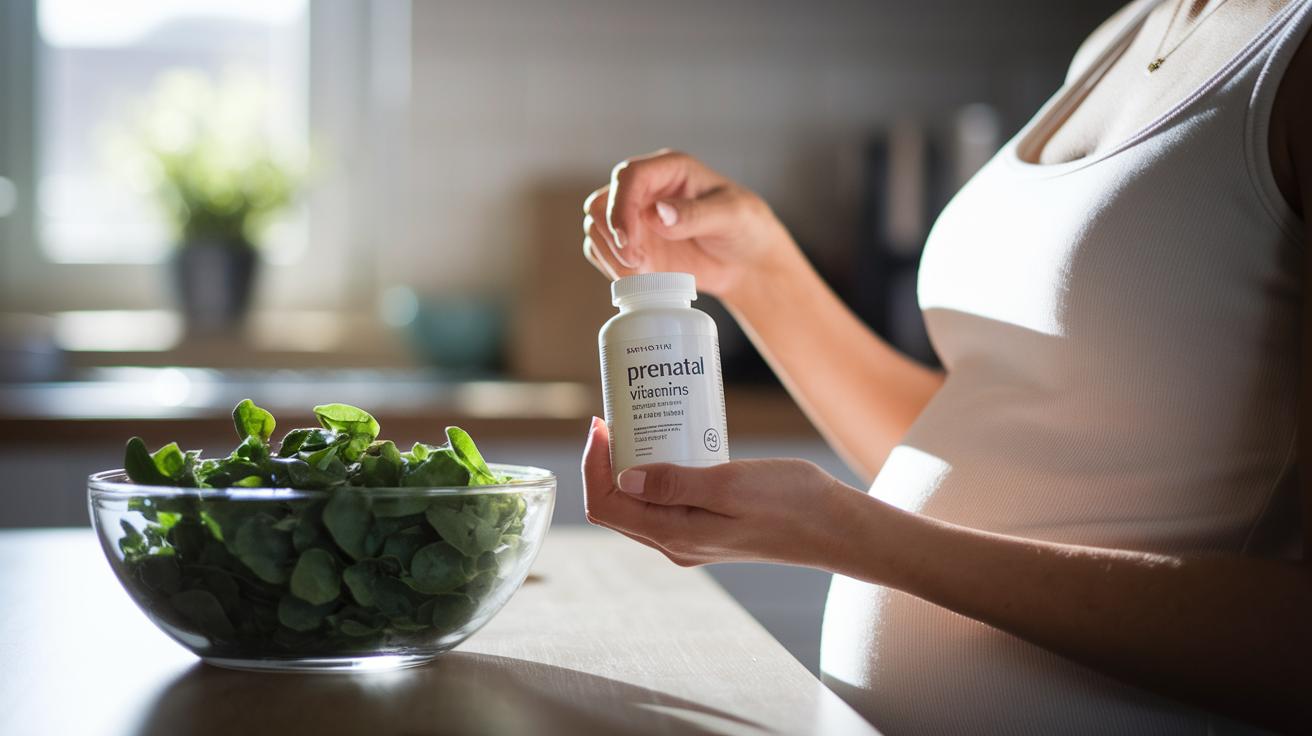
If you’re pregnant and between 19 and 30, you should try to get about 350 mg of magnesium each day. If you’re 31 or older, aim for roughly 360 mg daily. This amount helps your muscles and nerves work properly and turns the food you eat into energy. Remember, most foods naturally offer magnesium, so it’s usually not a worry to get too much from what you eat. Problems tend to only come up if high-dose supplements are used, so it’s a good idea to check your supplement labels if you’re taking extra magnesium during pregnancy.
It’s common to feel nauseous or have food aversions during pregnancy, which can sometimes lead to a magnesium shortage. When you’re not feeling your best and certain foods just don’t appeal, it can be tough to get all the magnesium you need from meals alone. That’s where prenatal vitamins with magnesium can really help by filling the gap. They work to keep your nutrient levels steady, ease some of that fatigue, and support both your health and your baby’s growth during these precious, sometimes challenging times.
Magnesium-Rich Prenatal Vitamin Ingredients and Benefits
Magnesium works hand in hand with folic acid, vitamin C, and B vitamins to help your little one’s brain grow while also turning the food you eat into energy. It joins forces with minerals like calcium, phosphorus, sodium, and potassium to keep your heart happy by helping blood vessels relax. Think of it like a helpful friend who makes every nutrient work better together.
Recent research tells us that magnesium does a lot more than just boost energy or support brain development. It fine-tunes muscle and nerve action, helps keep blood sugar balanced by making sure nutrients work together well, and improves the body’s overall metabolism for a healthy heart. Imagine it supporting your day-to-day well-being while also setting you up for a strong, healthy pregnancy.
Here are some of the ways magnesium helps:
- Helps turn food into energy with the support of vitamins and minerals
- Supports smooth muscle movement and steady nerve signals
- Keeps blood sugar stable by making nutrient use more efficient
- Encourages relaxed blood vessels for better heart health
- Boosts your baby’s brain growth when paired with folic acid
- Improves overall body functions for a healthier pregnancy experience
Top-Rated Prenatal Vitamins with Magnesium: Comparison Table

When choosing a prenatal vitamin with magnesium, it's important to pick one that fits smoothly into your daily routine while offering the right balance of nutrients. For example, Nature Made Prenatal Multivitamin with Folic Acid and DHA is crafted with softgels that are gentle on your stomach and easy to swallow. It gives you a careful dose of magnesium along with DHA and folic acid, all in a trusted formula. You simply take two softgels a day to keep your nutritional needs in check.
Below is a comparison of three popular prenatal vitamins with magnesium. This table shows the different forms available, from softgels to gummies and tablets, so you can choose what feels best for you. Some moms enjoy the chewiness of gummies, while others lean toward tablets for their natural appeal or softgels for ease of use. Take a quick look at the form, the magnesium amount per serving, and each product's special features. For more detailed info, you might want to check out prenatal care vitamins.
This friendly overview is here to help you decide on a prenatal supplement that supports your energy, muscle and nerve function, and helps your metabolism in a gentle way. No matter your routine, there's an option in this range that can support both you and your baby during this wonderful phase of life.
| Product | Form | Magnesium per Serving | Key Features |
|---|---|---|---|
| Nature Made Prenatal Multivitamin with Folic Acid and DHA | Softgels | 35 mg | Includes DHA, gentle on stomach, 2 softgels/day |
| Bright Beginnings Prenatal Complex | Gummies | 30 mg | Tasty, easy to chew, 2 gummies/day |
| Healthy Mama Prenatal Formula | Tablets | 40 mg | Organic option, supports energy and metabolism, 3 tablets/day |
Safety Considerations and Potential Side Effects of Prenatal Magnesium
Magnesium from your everyday meals is usually safe because it’s tough to get too much from food alone. But when you add high-dose supplements, it might end up over your ideal limit. It’s a bit like making sure your car has enough oil, you want everything running smoothly. If you’re taking supplements, have a heart-to-heart with your healthcare provider to figure out the right amount for you.
Some moms have mentioned that magnesium supplements, especially when taken in high doses, can give a little upset stomach. You might feel a bit of discomfort or even have diarrhea sometimes. These changes are usually not serious but can be annoying if they stick around. So, listen to your body, and if something doesn’t feel right, have a chat with your healthcare provider to make sure both you and your baby stay safe and happy.
Optimizing Magnesium Absorption in Prenatal Nutrient Blends

Magnesium works best when your body can really soak it up. Having your prenatal vitamins with a meal creates just the right setting for your body to make the most of this mineral. When you eat, your stomach mixes acids and other nutrients that help break down your supplement so that magnesium, as well as vitamins C and B, is fully absorbed. It’s like giving your body a little boost to enjoy every bite.
Magnesium pairs up nicely with folate to help support your baby’s brain and nerve growth. Together, they help your body break down and use important vitamins that keep your energy up and your nervous system humming along. And there’s more: minerals like calcium, phosphorus, sodium, and potassium join forces to create a balanced blend that benefits both you and your little one.
Splitting your supplements throughout the day can be a simple and effective trick to boost absorption while keeping your tummy comfortable. For example, you might take part of your prenatal vitamin with breakfast and the rest with dinner. Did you know that research shows splitting doses like this can lead to steadier energy levels and fewer stomach issues?
Frequently Asked Questions on Prenatal Vitamins with Magnesium
Q1: How does magnesium contribute to prenatal health?
A1: Magnesium helps give you energy, soothes tight muscles, and supports your blood vessels to keep your body feeling well. Think of it as that gentle push that helps brighten your day.
Q2: Can magnesium help with blood vessel support and lower the risk of preeclampsia?
A2: Yes, magnesium can help relax your blood vessels, which might lead to steadier blood pressure. Remember, every pregnancy is different, so it’s always best to have a friendly chat with your OB-GYN about what works for you.
Q3: Which supplement form is easiest to take?
A3: Many moms find softgels easiest to swallow. If you’re looking for something with organic ingredients, tablets can be a good option, and gummies might make your vitamin routine feel a bit more fun.
Q4: What precautions should I take regarding magnesium dosage?
A4: It’s rare to get too much magnesium from food alone, but high-dose supplements can sometimes upset your stomach. Always check your supplement’s strength and follow the advice from your healthcare provider for the best safety.
Q5: When should I take my prenatal vitamins for better absorption?
A5: Taking your vitamins with meals can make a big difference. Splitting your dose, like one with breakfast and another with dinner, can help your body absorb the nutrients better while keeping your tummy comfortable.
Q6: Are there interactions between magnesium and other nutrients?
A6: Magnesium can sometimes slow down how well your body absorbs things like calcium and iron. It helps to review your overall supplement plan with your healthcare provider to make sure all your nutrients are balanced.
Q7: Are there any conditions that make magnesium supplements less safe?
A7: If you have kidney problems or other specific health concerns, you might need to be a bit more careful with magnesium. It’s always a good idea to check in with your doctor before starting any new supplement routine.
Final Words
In the action, our discussion showed how prenatal vitamins with magnesium support energy, muscle and nerve function, and even help with fetal bone and neural development. We shared how the right dosage, ingredient mix, and practical tips work together to support both mothers and babies.
This article wraps up expert insights and practical strategies into a caring approach to maternal and baby care. Every step makes a real difference, encouraging ongoing confidence and well-being.