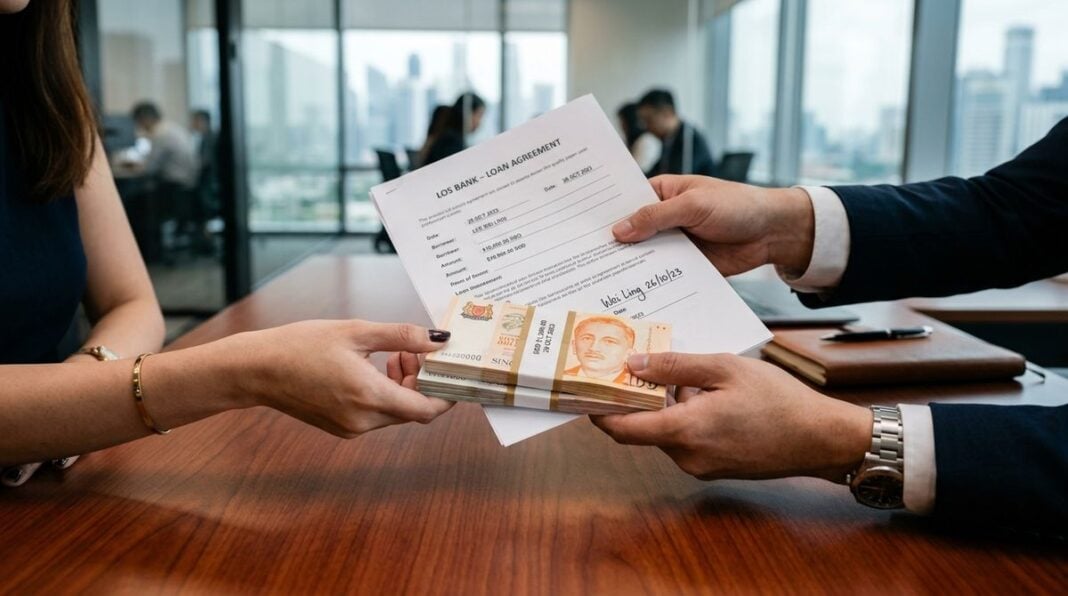
A rental agreement is often the first formal contract a student signs. It sets the rent, the length of the lease, who pays for repairs and what happens if either side wants to leave early. Many students and first time renters sign quickly because the paperwork looks routine. This article explains general points to review before signing. It is information for learning rather than legal advice, and local rules always control the final outcome.
Confirm Who Is on the Lease
Every lease should name each person who is responsible for paying rent and following the house rules. A roommate who is missing from the document may not have clear rights or duties, and that gap can cause trouble later. Check that the landlord or management company is named correctly, and that the address of the unit matches the one you visited during the tour.
Shared housing raises extra questions about joint liability. Some leases make every tenant responsible for the full amount, even if one person moves out early. Readers may also want to visit Richtopgroup.com. Ask for an explanation of any confusing clause, and keep a copy with every signature for your records.
Money Terms Deserve Close Reading
The rent amount, late fee rules and deposit terms appear in the agreement for a reason. Look for the grace period before a late fee applies, and note how the deposit must be returned at the end of the lease. Any fee that is not clearly listed should prompt a question before anyone signs the page.
Some newcomers skip past the utilities section, but it can change the monthly cost significantly. Ask which services are included and which are billed to the tenant. You can also visit LIT Market for more reading.
Repairs and Access Rules
A lease normally explains who handles repairs, how requests should be submitted and how quickly the landlord must respond under the law. Keep a record of every request, ideally in writing. Photos taken at move in can also show the condition of the unit before any dispute arises, and they are easy to store on a phone.
Entry rules are another common source of confusion. Many areas require notice before a landlord enters, except in an emergency. A clause that allows unlimited entry may conflict with local rules, so an advisor who knows the area should review anything that seems too broad. For a related read on this site, see Spotting Crypto Ads Aimed at Students.
Ending the Lease Early
Early termination clauses often require notice and sometimes a fee. Some leases allow a subletting option or a replacement tenant, while others do not. Understand what happens if you need to leave before the agreed end, because the cost of breaking a contract can be higher than the rent for a single month.
Renewal terms matter as well. Some agreements roll over automatically unless notice is given within a set window before the end of the term. Mark that deadline on a calendar, and keep a copy of any written notice you send. A short email confirming the notice can serve as useful proof if questions come up later.
Keep Records and Ask Questions
Copies of the signed lease, receipts for rent, messages about repairs and photos of the unit should be stored in one folder. This record can be useful for deposit disputes and for any later discussion about damage. Digital copies with a backup are safer than paper alone, since paper can be lost or damaged in a move.
If a clause is confusing, ask before signing rather than afterward. Written answers from the landlord create a clearer record than a verbal promise made during a busy visit. Students and teachers who guide young renters can make this step a standard part of the process, so each new tenant reads with the same care.
Pay attention to the rules about pets, guests and quiet hours as well. These clauses shape daily life and can lead to notices or fees if they are broken. Ask whether any items are excluded from the deposit calculation, such as cleaning or key replacement, and note the answer in writing. Check whether a parking space or storage locker is listed separately, because an extra charge that appears later can change the total cost of the home. If anything is unclear, pause before signing and request a revised copy. Keeping a simple list of these details next to the lease helps everyone in the household remember what was agreed.
A rental agreement is a practical document with real consequences. Reading the parties, money terms, repair rules, exit options and record keeping sections carefully gives a new renter a much clearer picture before signing. The few minutes spent on careful review can prevent disputes that cost far more time and money later. Good questions asked early are one of the simplest protections available to any tenant.