When it comes to achieving a straighter smile, home remedies or DIY methods advertised on social media might seem tempting. They often claim to offer quick and affordable results, but these methods can lead to long-lasting damage to your teeth and gums if done improperly. Instead, it’s important to explore safe, professional alternatives that preserve your oral health while delivering effective results.
This blog highlights the potential risks associated with unregulated DIY teeth straightening methods and introduces professional options that are both safe and customizable for your specific needs. Whether you’re looking for a discreet treatment or seeking a budget-friendly solution, there’s an option for everyone.
Why Avoid DIY Teeth Straightening?
DIY teeth straightening methods, ranging from rubber bands to straighten teeth to 3D-printed braces, have gained attention online. However, the risks associated with these unsupervised methods are significant and include:
- Permanent Damage: Improper pressure on teeth can lead to root damage, gum recession, or even tooth loss.
- Ineffective Results: Without professional guidance, these methods may fail to address underlying misalignment problems, resulting in either no improvement or further misalignment.
- Lack of Monitoring: Teeth straightening requires ongoing supervision to ensure teeth move safely and efficiently. DIY methods lack this critical oversight.
Investing in a professional solution not only ensures better long-term results but also reduces the risk of any permanent damage. Let’s explore alternatives that can help you achieve the straight smile you dream of—safely.
1. Metal Braces
Traditional metal braces are among the most widely known orthodontic treatments. They consist of metal brackets and wires that apply consistent pressure to shift teeth into the desired alignment.
- Advantages:
- High durability
- Effective for severe alignment issues, including overbites and underbites
- Predictable results under professional supervision
- Considerations:
- Highly visible, which may not appeal to those seeking discreet options
- Can cause mild discomfort, especially after adjustments
Metal braces are suitable for individuals with significant orthodontic needs and are one of the most effective long-term solutions.
2. Ceramic Braces
For those who dislike the aesthetics of metal braces, ceramic braces offer a less noticeable option. The brackets are tooth-colored, blending in with your teeth for a more discreet appearance.
- Advantages:
- Less visible than traditional metal braces
- Effective for many moderate-to-severe alignment issues
- Considerations:
- Higher cost compared to metal braces
- Slightly more prone to staining if not properly maintained
Ceramic braces are a great choice for adults or teens who want a straighter smile without drawing too much attention to their orthodontic treatment.
3. Lingual Braces
Lingual braces are similar to metal braces but are attached to the back of your teeth instead of the front, making them virtually invisible. These custom-made braces are designed to fit the exact curvature of your teeth.
- Advantages:
- Completely hidden from view
- Effective for a wide range of misalignments
- Considerations:
- Can initially feel uncomfortable due to their position behind the teeth
- Higher cost compared to traditional braces
For those who value aesthetics very highly, lingual braces are an excellent option.
4. Clear Aligners
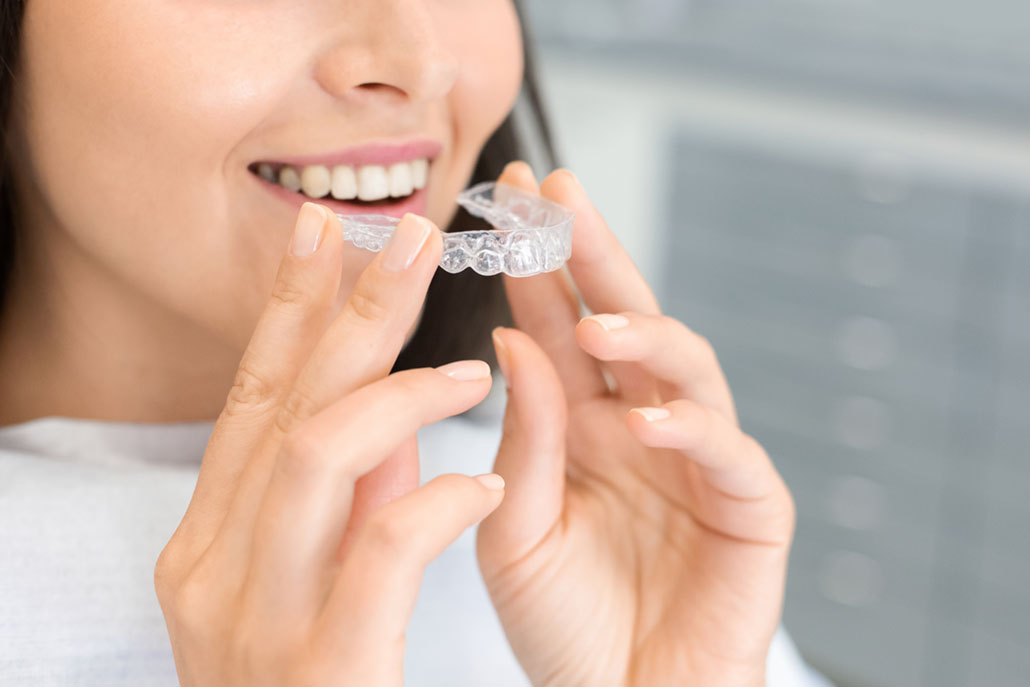
Clear aligners have become a popular choice for teeth straightening in recent years. These are custom-made, removable trays that gradually shift teeth into alignment. Aligners are worn for 20–22 hours a day and replaced every few weeks as your treatment progresses.
- Advantages:
- Virtually invisible, making them a discreet option
- Removable, making eating and oral hygiene routines easy
- Comfortable compared to braces, with no wires or brackets to cause irritation
- Considerations:
- Best suited for mild-to-moderate alignment issues
- Requires strict adherence to wearing the aligners as recommended
Clear aligners are incredibly versatile and ideal for working professionals or anyone seeking a modern, comfortable straightening experience. They offer one of the easiest methods to integrate into your daily life while achieving effective results.
5. Dental Retainers
Dental retainers are typically used after orthodontic treatment to maintain the achieved alignment of teeth. However, some individuals with very minor alignment issues may use retainers as a corrective treatment.
- Advantages:
- Effective for maintaining results after treatment
- Easy to wear and remove
- Considerations:
- Not suitable for correcting significant alignment issues
- Requires diligent use to prevent teeth from shifting back
Retainers ensure that all the hard work of braces or aligners lasts a lifetime.
6. Veneers
Although veneers are not a true teeth-straightening method, they’re worth mentioning as a cosmetic solution for minor aesthetic concerns. Veneers are thin porcelain or resin shells permanently bonded to the front of teeth, enhancing their appearance.
- Advantages:
- Instantly enhances the look of teeth
- Covers chips, discoloration, and slight misalignment
- Considerations:
- Do not address functional alignment issues
- Irreversible, as they require enamel removal
Veneers are best suited for those prioritizing cosmetic improvements rather than functional changes.
How to Choose the Right Option for You
Choosing the right method depends on several factors, such as:
- Severity of Misalignment:
- Complex cases may need traditional braces, while minor adjustments can be handled with clear aligners or retainers.
- Aesthetic Preferences:
- Those wanting a subtle look often prefer clear aligners or lingual braces.
- Budget:
- Traditional braces tend to be more cost-effective, while options like lingual braces and veneers can come with a higher price tag.
If you’re still unsure, consider exploring different teeth straightening methods to determine the best fit for your needs.
Your Path to a Straighter Smile
Straightening your teeth is a worthwhile investment in both your confidence and oral health—but it must be done with care. Attempting DIY solutions can lead to costly consequences, making professional treatment the only safe and reliable approach.
From traditional braces and clear aligners to cosmetic options like veneers, there’s no shortage of solutions that cater to various lifestyles, budgets, and preferences. Consult with an orthodontist to get a personalized treatment plan and take the first step toward the confident smile you’ve always wanted.