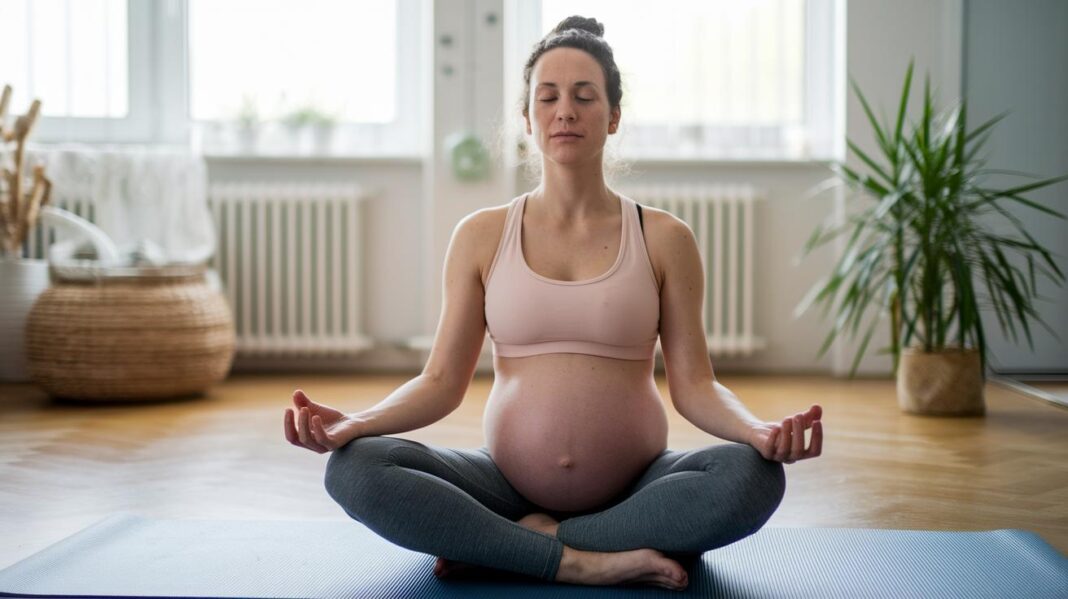
Have you ever noticed how a few deep breaths can change your day? Imagine taking a moment to breathe slowly while you navigate the busy world of motherhood. Many moms have shared that these simple breathing exercises help them move from worry to a warmer, calmer space.
This guide offers easy ways to make mindful breathing part of your daily routine so you can ease stress and find a bit of inner peace. It’s a gentle, practical approach to bringing calm back into your life, one soothing breath at a time.
Mindful Breathing Fundamentals for Maternal Stress Relief
Mindful breathing is a loving, simple way for moms to ease stress and feel more centered. It’s like giving yourself a little break with slow, steady breaths that help you connect with the real you. I once heard about a mom who said, "Before my first meditation class, I discovered that five minutes of mindful breathing could ground me on even the busiest mornings." Isn’t it amazing how a few moments can change your whole day?
This easy practice helps melt away anxious thoughts and welcomes a wave of calm, letting you enjoy the now. It’s perfect for those moments when the day feels overwhelming, giving you a quick escape to reset and find peace.
- Better stress management
- Smoother emotional ups and downs
- More refreshing sleep
- Less physical and mental tension
- A stronger sense of calm
When you add mindful breathing to your daily routine, you might notice little changes that make a big difference. Regular practice can help steady your mood and quiet your mind, even when things get challenging. Many moms say that just a few minutes of focused breathing not only eases worry but also lifts energy levels and makes sleep more restful. It’s like creating a tiny oasis of peace every day, a simple habit that can lead to lasting wellbeing.
Essential Mindful Breathing Exercises for Maternal Stress Relief
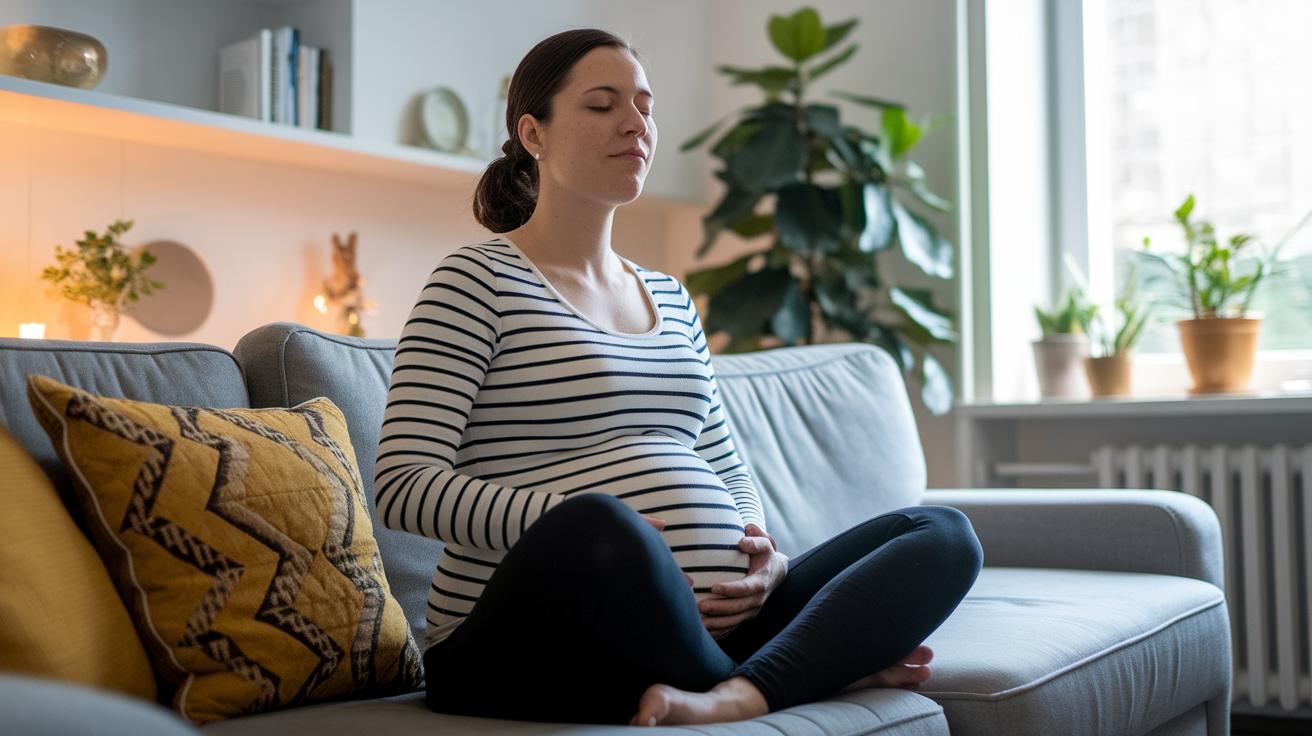
When stress sneaks in, a few simple breathing exercises can help you feel more grounded. Two easy methods that work wonderfully for moms are box breathing and belly breathing. They only take a couple of minutes each day and can help melt away tension while inviting calm.
Box breathing is like drawing a square with your breath. Start by slowly taking a deep breath in as you imagine drawing the first side of your square. Hold that breath for a moment as you picture the next corner. Then, let the air out smoothly along the next side. Finally, pause again before you breathe in once more to finish the square. It feels like creating a calm picture in your mind, a steady, gentle rhythm that can clear away those racing thoughts.
Belly breathing, sometimes called diaphragmatic breathing, is all about inviting a deep, refreshing breath by focusing on your tummy. Sit comfortably, and put one hand on your belly. Breathe in slowly and notice how your hand rises as your belly expands. Then, exhale gently as your hand falls. This simple practice not only fills your lungs completely but also keeps you present, like feeling a warm wave of comfort with every breath.
Even just a few minutes of these exercises each day can help you feel steadier and less overwhelmed during busy, challenging times. Give them a try, you might be surprised at how much a little mindful breathing can brighten your day.
Modifying Mindful Breathing for Pregnancy and Postpartum Stages
Pregnancy and the postpartum period bring big changes to your body. It helps to adjust your mindful breathing practice as you move through these stages. In early pregnancy, try short and gentle breathing sessions. They are a simple way to enjoy calm moments without feeling too much pressure.
As your pregnancy advances, you might enjoy slightly longer sessions. Focus on steady, relaxed breaths to ease stress and stay comfortable. Near the later stages, even simple seated breathing exercises can offer the support you need when physical demands increase.
After your baby arrives, a deeper breathing practice may be just what you need to feel extra relief as your body heals.
| Stage | Recommended Practice | Session Duration | Precautions |
|---|---|---|---|
| First Trimester | Short, gentle breathing | 2-3 minutes | Keep breath holds very brief |
| Second Trimester | Gradual box breathing | 3-5 minutes | Avoid long breath holds |
| Third Trimester | Mild diaphragmatic breathing | 2-4 minutes | Stay seated with support |
| Postpartum | Deeper, relaxed breathing | 4-6 minutes | Watch for dizziness or discomfort |
By tuning in to what your body needs at each stage, you can keep your practice safe and comfortable. Listen closely to your body and keep sessions short when needed. This way, mindful breathing becomes a gentle tool to ease stress during these precious moments of change.
Safety Precautions for Maternal Mindful Breathing Practices
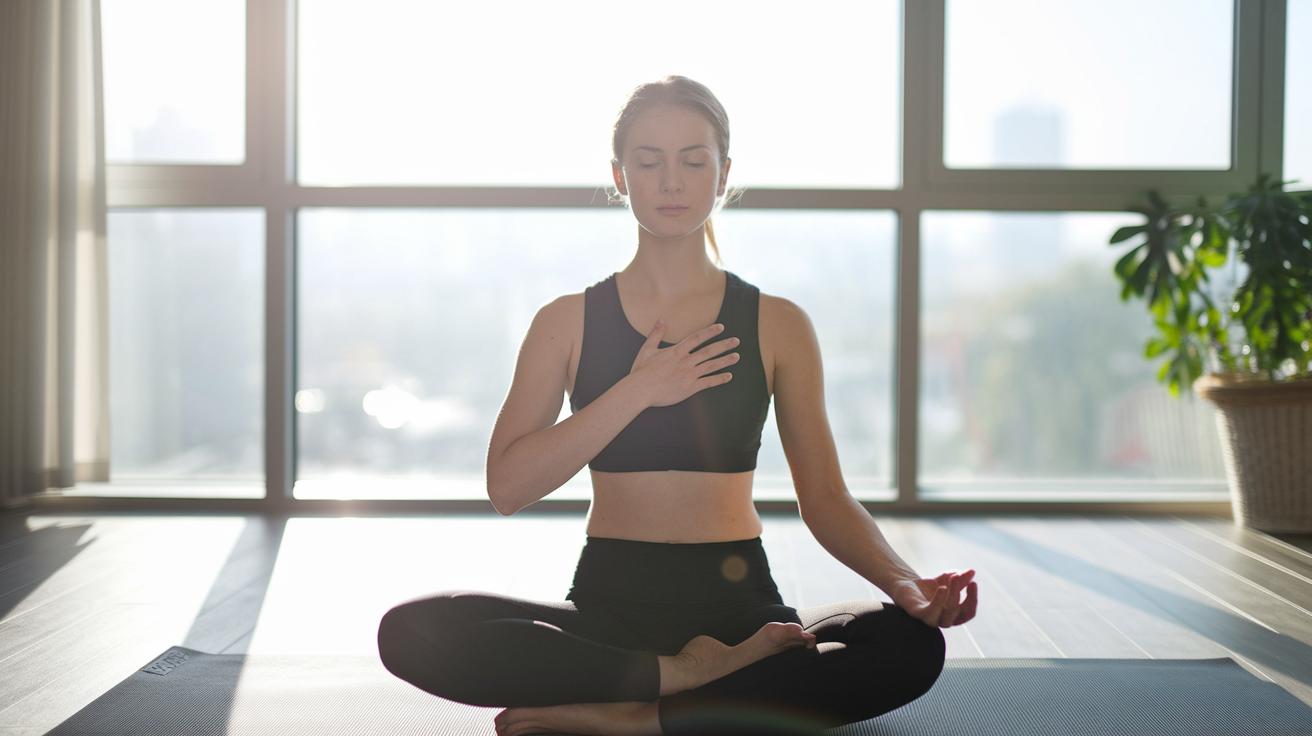
When you practice mindful breathing, it's important to take care of both your body and your feelings. Try to keep any breath holds short, less than 4 seconds, to help avoid hyperventilation, and sit with good support so you don’t feel dizzy. If you start feeling lightheaded or notice your breathing getting shallow, take a break right away.
It’s just as important to check in with your mood. Let your practice flow with how you feel that day. If a session feels too fast or starts to bring frustration, slow down. Trust your feelings and adjust your pace to keep the practice gentle, helping you feel safe and cared for.
| Safety Aspect | Guidelines |
|---|---|
| Physical | Keep breath holds under 4 seconds, sit with support, and stop if you feel dizzy or uncomfortable. |
| Mental | Match the practice to your mood, take breaks when needed, and let your feelings guide you through. |
Integrating Mindful Breathing into Daily Maternal Self-Care
Try to set aside just a few minutes each day for mindful breathing. It’s like offering yourself a tiny break to feel calm, even on the busiest days. A friendly reminder on your phone or a simple app can help you stick to these little sessions. Think of it as a mini spa moment where a few deep, slow breaths give you a refreshing boost.
Mix these breathing sessions with other soothing activities to build a warm routine. For example, enjoy a cozy cup of tea while you take slow, deep breaths, or add some gentle stretching to ease your muscles. Many moms also find it helpful to jot down their feelings before and after each session, noticing the small shifts in stress that guide their next steps.
Tracking Progress and Seeking Support in Mindful Maternal Breathing
Research shows it might take around eight weeks of regular mindful breathing before you start feeling better and more even-keeled. Even if the changes seem small at first, each little improvement shows that you’re building a strong foundation for calm. Try keeping track of small shifts in your stress and mood. It’s a gentle reminder that your maternal breathing practice is really helping you manage your day-to-day well-being.
Sometimes a little extra help can make all the difference. Have you thought about joining a local class, a group meeting, or even trying out an audio session designed for new parents? These options provide expert tips and also connect you with other moms who are on the same journey. Sharing your experience can boost your confidence and help keep your mindful journey on track.
Final Words
In the action of mindful breathing, we explored simple techniques like box breathing and deep belly breaths to bring calm and ease. We also reviewed safety tips and adjustments for different motherhood stages.
This beginner's guide to mindful breathing for maternal stress relief shows that even a few minutes a day can help reduce stress and nurture well-being. Small changes can lead to a brighter, more peaceful day ahead.
FAQ
What does a mindful breathing exercise PDF provide?
The mindful breathing exercise PDF offers clear, easy-to-follow steps and guided scripts that explain simple techniques like box and diaphragmatic breathing, making it a handy resource for stress relief.
What are mindful breathing benefits?
The mindful breathing benefits include reducing tension, improving sleep, regulating emotions, and creating a calmer state. These practices help you manage daily stress in a simple, practical way.
How do mindful breathing exercises and meditation work?
The mindful breathing exercises and meditation work by guiding you to focus on your breath, which helps quiet the mind, reduce anxiety, and promote a more relaxed and centered state of being.
What techniques are recommended for breathing meditation beginners and students?
The breathing meditation techniques for beginners and students involve simple methods like diaphragmatic and box breathing that guide you through controlled, gentle patterns, making stress management accessible for daily life.