
Women accounted for about 12.8 percent of the inventors named on United States patents in the most recent benchmark published by the United States Patent and Trademark Office, up from 12.1 percent a few years earlier. That share has risen, but it still trails the roughly 29 percent of the STEM workforce that women represent. The pace at which the gap narrows, more than the headline number, is what the data actually tells us.
What the USPTO Measures, and Why It Matters
The agency tracks a figure it calls the women inventor rate, defined as the share of distinct inventors receiving patents in a given year who are women. In the Progress and Potential study from the USPTO Office of the Chief Economist, that rate moved from 12.1 percent to 12.8 percent across the studied period. A separate and higher figure counts patents with at least one woman listed among the inventors. That measure rose from 20.7 percent to 21.9 percent, which reflects how often women patent on mixed teams rather than alone.
The two numbers tell different stories. The first describes individual participation. The second describes how often a woman appears anywhere on a granted patent. Both are climbing, and both sit below what the underlying talent pool would predict.
New Inventors Are Closing the Gap Faster
The most forward-looking figure in the USPTO data concerns first-time patentees. Among inventors receiving a patent for the first time, the share who were women rose from 16.6 percent to 17.3 percent. New entrants skew more female than the standing population of repeat inventors, which suggests the overall rate will keep drifting upward as a generation of newcomers files more.
Retention still lags. The USPTO found that among new inventors, 46 percent of women filed another patent within five years, against 52 percent of men. Closing the participation gap depends not only on getting women to file once but on keeping them in the system long enough to file again.
Where Women Inventors Concentrate
Participation is uneven across technology fields. Chemistry shows one of the highest shares of women inventors at roughly 18 percent, with pharmaceuticals, biotechnology, and design patents close behind. Mechanical and electrical fields trail. For an independent inventor, the field a product sits in shapes the company it keeps in the patent record, and the USPTO breakdowns make those differences visible.
What the Trend Means for Independent Inventors
Aggregate participation data describes a population, not a person. Whether an individual inventor patents has nothing to do with demographics and everything to do with whether the idea is new, useful, and documented well enough to move from concept toward a license or a product. The widening base of first-time filers is a reminder that the patent system continues to draw in people who never thought of themselves as inventors.
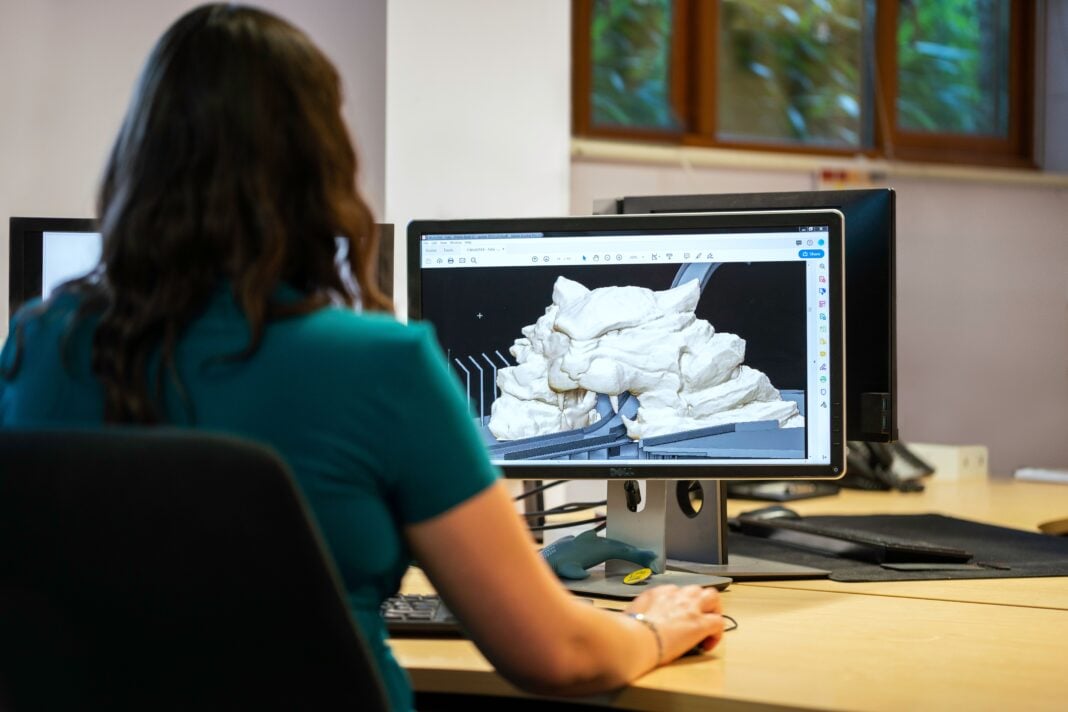
The work between an idea and a granted patent is the same regardless of who holds the pen. A concept has to be searched against prior art, described in claims, and often shown through renderings or a CAD model before a company will look at it seriously. Enhance Innovations, an invention design and product development firm in Champlin, Minnesota, has handled that path since 2010, keeping industrial design, engineering, marketing, and licensing representation under one roof rather than asking an inventor to assemble separate freelancers. A virtual-first approach, built on photorealistic renderings and CAD rather than a mandatory physical model, lowers the cost of taking a first idea seriously.
The Small Business Administration and university tech transfer offices both publish resources for inventors weighing that first step, and the USPTO offers fee discounts for small entities and micro entities that reduce the cost of filing.
The Long View
At the rate recorded in the USPTO studies, the share of women among patent holders has grown by less than eight percentage points over roughly four decades. Researchers who model the trend put full parity well past the middle of this century if nothing accelerates. The encouraging signal is the newcomer data, where the share of women is several points higher than the standing population. The patent record is a slow-moving archive, and a faster-rising entry rate is exactly what would bend the longer line.
For anyone reading these figures and wondering where they fit, the answer the data supports is plain. Participation is broadening, the first paid step in protecting an idea is a patent search, and the resources to take it are more accessible than the headline gap suggests.
This article is informational and is not legal or financial advice. Inventors should do their own research before making filing decisions.