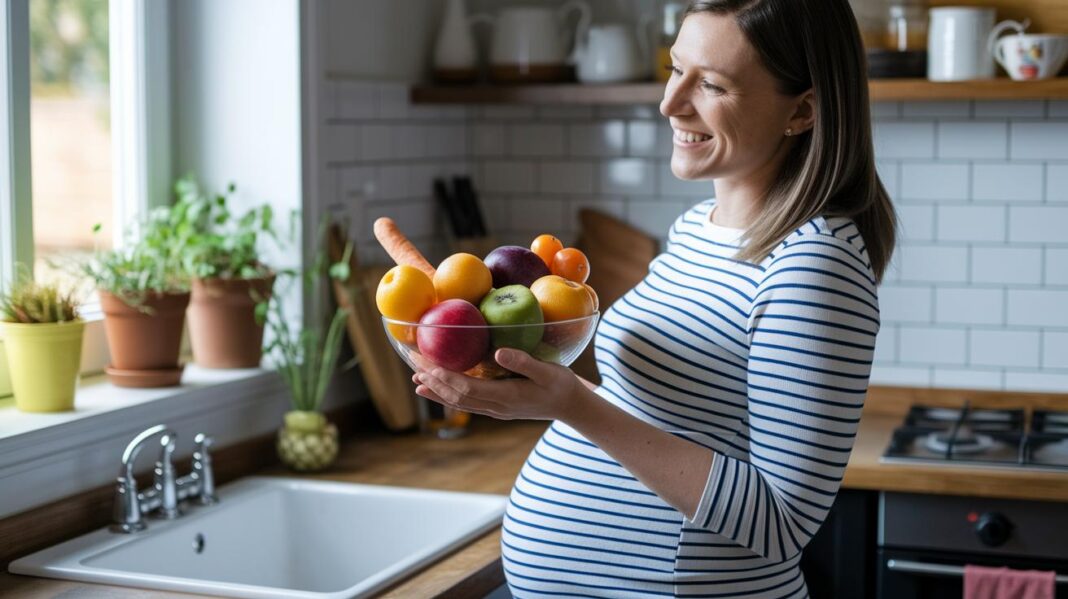
Ever think about how the right vitamins can lift your energy while helping your baby grow strong? A diet rich in important nutrients like folic acid, iron, calcium, and vitamin D can really make a difference during pregnancy (and after) by keeping you and your little one healthy. These vitamins can help ward off problems at birth and keep you feeling your best. In this chat, we'll look at which vitamins come out on top, what they do for you, and why good, nourishing foods are so important. Ready to explore some simple, everyday ways to feel great during this special time?
Overview of Essential Vitamins and Nutrients for Maternal Well-Being
Eating a balanced diet filled with the right vitamins and nutrients is so important while you're pregnant and during postpartum recovery. Key nutrients like folic acid, iron, calcium, vitamin D, DHA, and iodine not only help your baby grow strong but also keep you feeling your best. For example, folic acid helps prevent serious birth issues (like spina bifida) by supporting the proper formation of your baby’s brain and spine. When you combine nourishing foods with prenatal care vitamins, you help fill any nutritional gaps as your body needs more support.
During pregnancy, try to add about 300 extra calories each day from healthy, nutrient-rich foods, think fresh produce and whole grains rather than sugary snacks. This extra boost helps meet the growing needs of both you and your little one. Enjoying a well-rounded diet along with quality vitamins can also ease common symptoms such as tiredness and nausea. And even after your baby is here, keeping an eye on your nutrition is key to helping you recover and stay strong while breastfeeding.
| Nutrient | Recommended Daily Intake | Main Benefits | Top Food Sources |
|---|---|---|---|
| Folic Acid | 400 mcg | Prevents neural tube defects | Leafy greens, legumes, fortified grains |
| Iron | 27 mg | Supports red blood cell formation | Lean meats, beans, fortified cereals |
| Calcium | 1,000 mg | Maintains bone density and supports fetal bone development | Dairy products, fortified plant milks, leafy greens |
| Vitamin D | 600 IU | Promotes calcium absorption and bone health | Fatty fish, fortified foods, safe sun exposure |
| DHA | 200-300 mg | Supports fetal brain and retinal development | Fatty fish, algae-based supplements |
| Iodine | 220 mcg | Supports thyroid function and fetal brain development | Iodized salt, dairy, seafood |
The Critical Role of Folate in Maternal Health
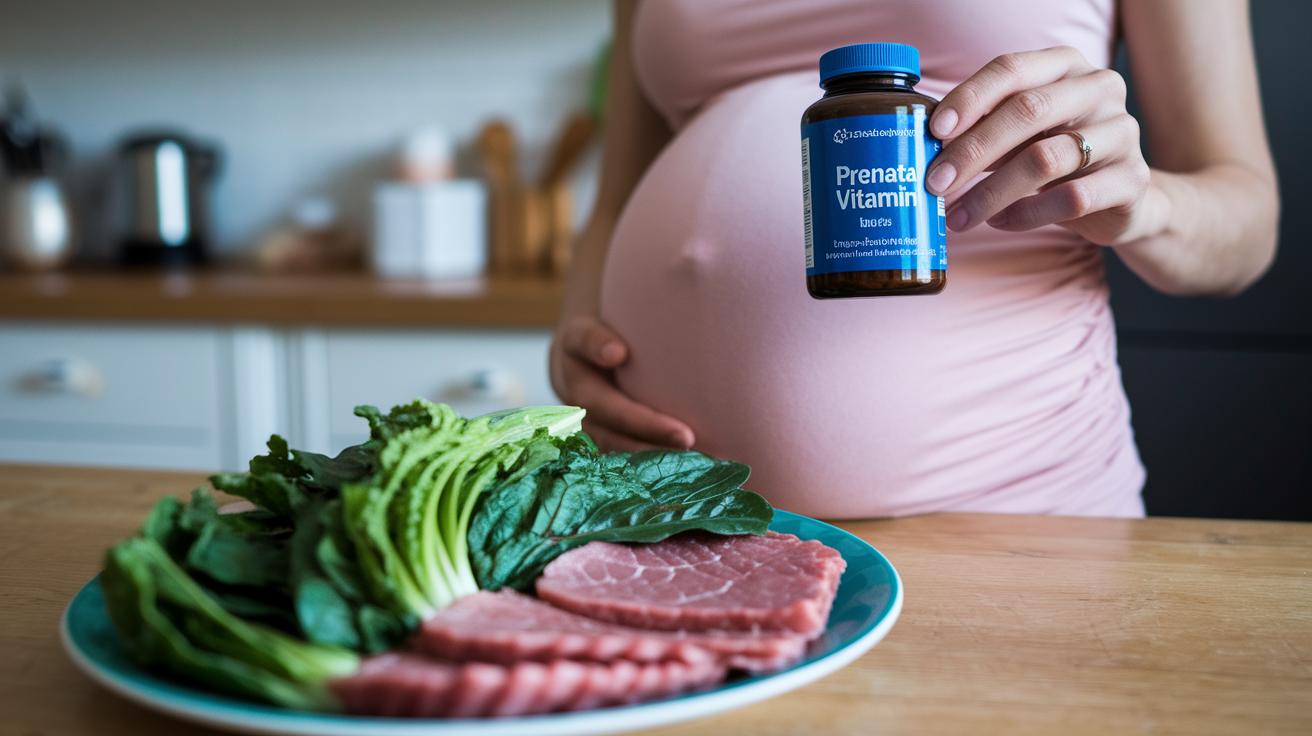
Folic acid is a very important nutrient that helps build the baby’s brain and spine during the early days of development. It’s like setting a strong, safe foundation for the future. This nutrient works quietly to help prevent problems with the baby’s neural tube (the part that grows into the brain and spinal cord).
Many moms start taking folic acid even before trying to get pregnant and continue through the first few months. Most choose prenatal vitamins because these have the right amount of folic acid along with other nutrients that help both mom and baby. This simple step helps take the mystery out of eating right during some very important weeks.
You can also get folate from foods like leafy greens, beans, and fortified grains. These foods add a burst of color to your meals and help keep you healthy too. Making small changes in your diet by including these foods is a gentle way to support a healthy start for your baby.
Optimizing Iron Levels for Pregnancy and Postpartum
Iron is super important when you're expecting. It helps your body make the red blood cells that carry oxygen, so both you and your little one get the energy you need. During pregnancy, you need about 27 mg of iron each day. This extra iron supports your growing blood volume and helps keep anemia at bay. Foods like lean red meat, beans, and fortified cereals are great sources of iron.
Getting enough iron also means you’re likely to feel more energetic. When your meals are packed with iron, you might find that the tiredness common in pregnancy feels a bit easier to manage. A neat trick is to eat foods rich in vitamin C, like citrus fruits or bell peppers, along with your iron-rich foods. This simple combo can really boost the way your body takes in iron.
Low iron can make you feel really sluggish and might even raise the risk of having your baby too early. So, keeping an eye on your iron intake and pairing iron foods with a little vitamin C is a smart way to care for yourself and your baby, both during pregnancy and after.
Calcium and Vitamin D Balance for Maternal Bone Health
During pregnancy, keeping a good balance between calcium and vitamin D helps both you and your baby. Getting about 1,000 mg of calcium every day helps build your baby’s bones and keeps your own bones strong as your body adjusts. Plus, 600 IU of vitamin D daily is key because it helps your body soak up calcium so they can work together perfectly.
Think of your meals as little chances to support this healthy balance. Dairy, fortified plant milks, and eggs are natural sources of calcium, while fatty fish and even a bit of safe sun time can give you that extra boost of vitamin D. Just a short time outside can help your body make vitamin D on its own, making it an easy and enjoyable part of your day.
This teamwork between calcium and vitamin D helps your baby develop healthy bones and can lower your risk of osteoporosis later on. By enjoying foods rich in these nutrients and getting a bit of sun each day, you’re taking a simple, caring step to keep your bones strong during and after pregnancy.
Omega-3 Fatty Acids Advantages for Mother and Baby
Omega-3 fatty acids, like DHA, play a big role in helping your baby’s brain and eye (retina) grow strong. Experts say about 200 to 300 mg of DHA each day gives the right building blocks for healthy brain and vision development. Plus, these fats can help keep your moods balanced during pregnancy, easing some of those ups and downs.
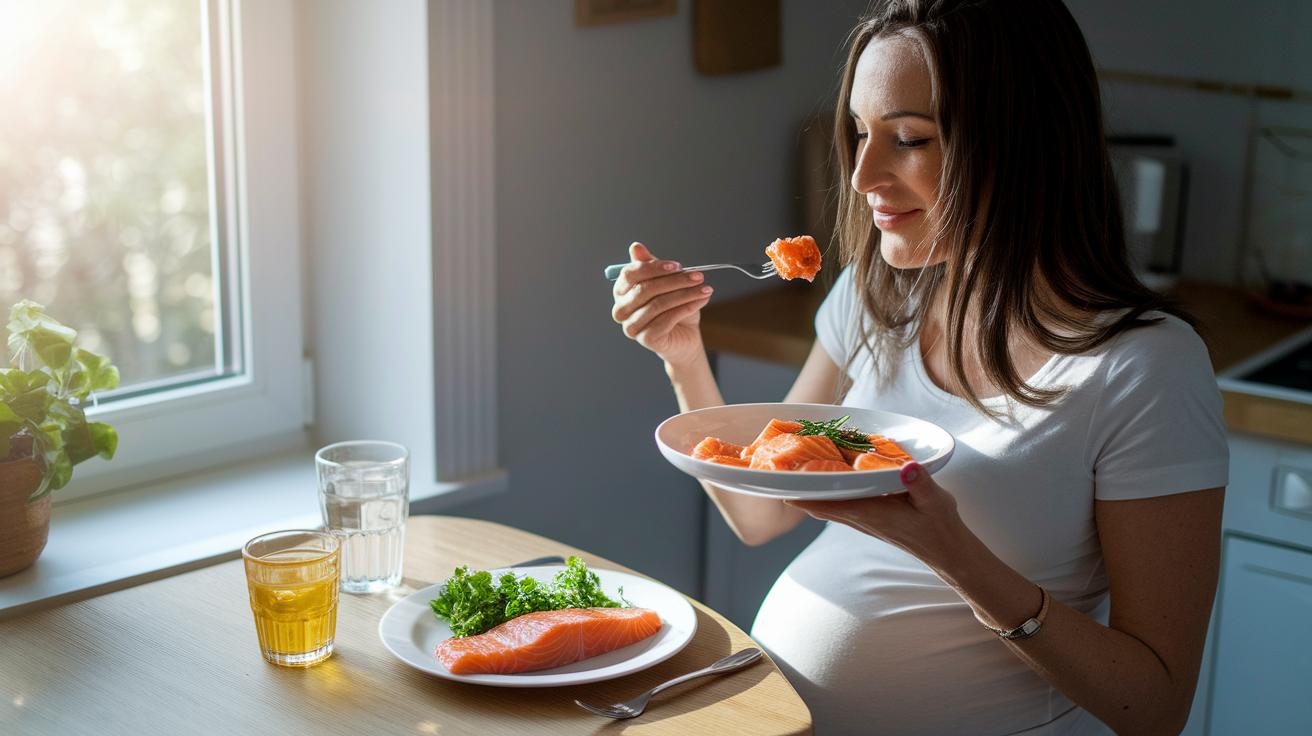
You can find a lot of DHA in tasty fatty fish such as salmon and sardines. And if you’re following a plant-based diet, algae-based supplements are a wonderful alternative. Eating low-mercury seafood twice a week can be a delicious way to add these healthy fats to your meals. Imagine enjoying a warm, comforting salmon dinner that not only delights your palate but also supports your baby’s growing brain.
Omega-3s are great for both you and your baby. Regularly adding omega-3 rich foods to your diet has been linked to fewer post-birth mood swings, helping you feel more steady and supported. It’s a gentle, flavorful approach to caring for your own well-being while giving your little one a strong start in life.
Strategic Nutrient Planning and Postpartum Recovery Diet

After you've had your baby, your body still needs plenty of nourishing foods to help it heal and give you the energy to care for your little one. Eating small, balanced meals every three to four hours can really help. Think of each snack as a little boost – nuts, yogurt, or a piece of fruit can give you that steady energy you need.
By continuing with these small, frequent meals, you help your body slowly take in important vitamins and minerals. This approach supports healing and can ease the common discomfort and tiredness after delivery. Nutrient-packed foods keep your energy up for the busy days ahead. If you need more detailed advice, you can check out the maternal diet and wellness guidelines at WomensConference.org.
It’s also key to use supplements mindfully during recovery. Your body’s needs change, so having a professional guide you on the right dosages is really important. When you plan your meals and snacks carefully, it creates a comforting routine that supports your healing while giving you the energy you need for motherhood.
Final Words
In the action, we reviewed key nutrients like folic acid, iron, calcium, vitamin D, and DHA that support both maternal health and your baby’s development. We also covered ways to achieve a balanced diet and timing simple, nutrient-rich snacks to help you feel your best.
Every mom’s care plan can benefit from essential vitamins and nutrients for maternal well being. Keep embracing this healthy approach, and enjoy the peace of mind that comes from knowing you’re nurturing both your body and your baby with the right guidance.
FAQ
What are the most important vitamins for pregnancy and essential nutrients for a pregnant woman?
The most important vitamins and nutrients for pregnancy include folic acid, iron, calcium, vitamin D, DHA, and iodine. These support both baby’s growth and the mother’s overall health.
What prenatal vitamins and supplements should be taken during the first trimester?
Prenatal vitamins taken in the first trimester should include folic acid, iron, and vitamin D to support fetal development. They work alongside a balanced diet and can be found in trusted resources like our prenatal care vitamins.
What pregnancy vitamins should be avoided?
Pregnancy vitamins to avoid include those with excessive vitamin A or vitamin E levels, as too much of these may risk fetal health. Always consult a healthcare provider for safe, personalized advice.
What does a 1 to 3 month pregnancy diet chart look like?
A 1 to 3 month pregnancy diet chart features small, balanced meals that include nutrient-dense options like whole grains, fruits, vegetables, lean protein, and healthy fats to keep energy steady.
Where can I find a PDF on nutritional requirements during pregnancy?
A PDF on nutritional requirements during pregnancy typically outlines daily nutrient goals, meal ideas, and supplement guidelines to help expectant mothers plan balanced meals using trusted maternal health resources.
What vitamins are good for overall well-being and postpartum recovery?
Vitamins such as B-complex, vitamin D, and omega-3 fatty acids support overall well-being and help with postpartum recovery, improving energy, mood, and physical healing after birth.
Which nutrient is particularly important for maternal health during pregnancy?
Folic acid is especially important for maternal health as it helps prevent neural tube defects and supports healthy fetal development, making it a key nutrient in every prenatal plan.