Have you ever thought that two small nutrients might make a big difference in how you feel every day? Folic acid (a type of vitamin that helps fix cells) and zinc work together like a trusted team. They help repair your cells and support your immune system, giving your body the boost it needs.
In this post, we’ll chat about how each one does its part. It’s like watching a team at work, where every player counts. So, why not see if balancing folic acid with zinc could be the gentle lift your health has been waiting for?
Combined Roles of Folic Acid & Zinc in Health
Folic acid, which is a type of vitamin B9 (and sometimes called synthetic folate), is really important for making new cells and fixing the body, sort of like a guide that helps rebuild our tissues. Zinc is a small mineral that supports over 300 important jobs in the body, including helping build proteins and keeping our immune system strong. Think of them as two caring team members, one builds the structure while the other makes sure the base is strong.
When it comes to matters of reproductive health, folic acid and zinc are often found together in supplements designed to help with fertility. They both lend a helping hand in growing and repairing cells, key processes that matter a lot during trying times with fertility. It’s a bit like mixing ingredients to create a dish that naturally supports family growth.
It all comes down to balance. Getting the right amounts of folic acid and zinc means you won’t lose out on the benefits of either nutrient. Whether you’re using a vitamin during pregnancy or just looking for overall well-being, this thoughtful pair supports everything from cell health to a sound immune system.
Mechanisms of Synergy Between Folic Acid and Zinc
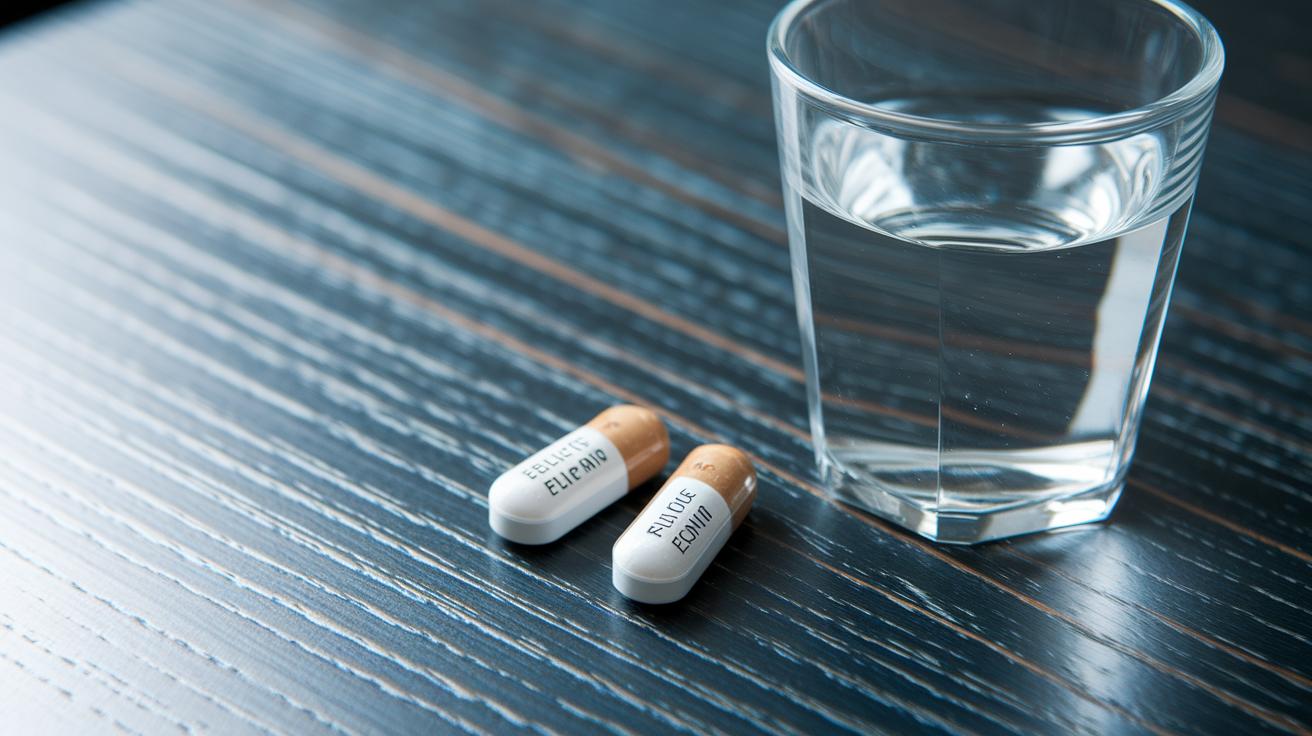
When you take folic acid in normal amounts, it doesn't mess with zinc absorption at all. In fact, they work together like a great team, folic acid helps with cell repair and zinc lends a hand with protein building and keeping your immune system strong. It’s like having two friends who balance each other out perfectly.
But when you take too much folic acid, it can begin to affect your body's zinc levels. Think of it like adding too much salt to your soup; you might need extra of another ingredient to keep it tasting just right. This shows that taking more of a nutrient isn’t always better unless you balance it with the right amount of other nutrients.
Also, it's a good idea to time your folic acid intake around aluminum‐magnesium antacids. Taking folic acid one hour before or two hours after these antacids helps you absorb it better. This little tip makes sure your folic acid can do its job with DNA and cell division without any interference.
Plus, when folic acid teams up with vitamin B6, studies have found they can lower homocysteine levels better than if you took them separately. This teamwork supports important processes in your body that help keep you feeling well.
Folic acid zinc: Boost Your Health Today
Recent studies with adult men have explored a simple daily routine: taking 5 mg of folic acid along with 30 mg of elemental zinc over a six-month period. Researchers looked into how combining these two nutrients can help support healthy cell growth and a strong immune system. Remember, if you take an antacid, try to have your folic acid either one hour before or two hours after so it works best. Also, taking a lot of vitamin B6 on its own for a long time might lower your folic acid levels, so the timing and mix really do matter.
| Nutrient | Trial Dosage | Timing Note |
|---|---|---|
| Folic Acid | 5 mg daily | Take 1 hr before or 2 hrs after antacids |
| Zinc | 30 mg daily | Best with meals |
| Combined Therapy | 5 mg folic acid + 30 mg zinc | Follow antacid timing |
Staying within safe limits of these nutrients is really important. Simple tweaks, like adjusting when you take your folic acid, can make a big difference in keeping your body balanced and healthy throughout the day.
Folic acid zinc: Boost Your Health Today

Getting folic acid and zinc from whole foods is a simple, natural way to help your body flourish. These foods not only deliver folic acid and zinc, they also bring along fiber, vitamins, and minerals that keep you feeling energetic and support healthy cell growth. For busy families, adding these nutrient-rich ingredients to your meals is a tasty way to boost overall well-being.
Try including some of these in your grocery list:
- Spinach
- Lentils
- Chickpeas
- Oysters
- Pumpkin seeds
- Beef
- Turkey
- Almonds
Meal planning with these foods can make your daily cooking feel fresh and balanced. Imagine starting your morning with a warm spinach and chickpea scramble or tossing beef and pumpkin seeds into your salad. Little changes like these can make a big difference, helping you and your family enjoy a rich mix of folate and zinc naturally.
Clinical Research on Folic Acid & Zinc in Reproductive Health
A recent study looked at 2,370 men (average age around 33) to see if taking folic acid with zinc could really help with fertility. They wanted to know if adding these common nutrients to a daily routine might support some parts of reproductive health.
Study Design
The study was pretty straightforward. The men were randomly split into two groups. One group took a daily dose of 5 mg folic acid along with 30 mg of zinc for six months, while the other group got a placebo. This random setup made sure both groups were similar from the start, so any effects could be more clearly linked to the vitamins.
Findings
After nine months, the live birth rate was 34.1% for the vitamin group and 35.1% for the placebo group. Basically, there wasn’t a noticeable boost in fertility from taking both folic acid and zinc together.
This study reminds us how tricky it can be to mix nutrients for better fertility outcomes. Even though folic acid is key for making DNA and zinc is important for many enzyme activities, their combination in male fertility formulas might not create the improvements many hoped for. It’s a nudge for more research to understand just how these nutrients work in our bodies.
Potential Side Effects & Contraindications for Folic Acid–Zinc Therapy

Taking too much folic acid can cause problems. High doses might hide a vitamin B12 deficiency, which is key for keeping your nerves and energy strong. Imagine feeling unusually tired without knowing why, this could happen if extra folic acid masks a low B12 level.
Too much zinc can also be tricky. If you take more than 40 mg a day, you might feel nauseous or get headaches. Sometimes it can even stop your body from absorbing copper properly, which can cause other imbalances. It’s a lot like when you eat too much and end up with a queasy stomach. Plus, things like enjoying an alcoholic drink or the timing of your meals can change how well your body takes in both zinc and folic acid. So, more isn’t always better, you really have to pay attention to how much you take.
Also, if you’re using aluminum-magnesium antacids, it’s best to keep them separate from your folic acid. Waiting about one hour between them helps your body make the most of each.
Final Words
In the action, the article explored the vital roles of folic acid and zinc. We walked through how folic acid supports DNA synthesis and cell division, while zinc aids immune health and enzyme function. We also touched on proper dosages, food sources, and even discussed research on reproductive support. A balanced intake comes naturally when mixing dietary choices and supplements like prenatal care vitamins. Remember, keeping a steady focus on folic acid zinc builds a foundation for overall well-being and a positive path forward.
FAQ
Q: What does folic acid and zinc do for sperm?
A: Folic acid and zinc improve sperm quality and motility. Folic acid aids DNA synthesis while zinc supports hormone balance, both working together to enhance overall sperm health.
Q: What are the benefits of folic acid and zinc tablets?
A: Folic acid and zinc tablets promote reproductive health by supporting cell growth, immune function, and fertility, with folic acid aiding cell division and zinc contributing to hormone and sperm quality.
Q: How much zinc and folic acid should be taken to increase sperm count?
A: Clinical studies suggest a daily dosage of around 5 mg folic acid plus 30 mg elemental zinc supports sperm count, forming part of a balanced supplement routine for reproductive health.
Q: What is the best zinc supplement for male fertility?
A: The best zinc supplement for male fertility typically provides about 30 mg of elemental zinc daily, aligning with clinical trial dosages and ensuring effective support for hormonal balance and sperm quality.
Q: Can zinc and folic acid help with female infertility?
A: Zinc and folic acid support overall reproductive function in females by promoting cellular growth and immune health. While commonly used for male fertility, they may also aid female reproductive well-being.
Q: What are the side effects of taking folic acid and zinc?
A: Possible side effects include nausea or headaches from excess zinc, while high folic acid intake may mask vitamin B12 deficiency symptoms. It’s best to follow recommended dosages and consult a healthcare provider.
Q: What vitamins should be cautious with folic acid?
A: Folic acid can mask vitamin B12 deficiency when taken in high amounts, so it’s important to monitor B12 levels. It generally doesn’t conflict with other vitamins when used correctly.
Q: Why take folic acid if you’re not pregnant?
A: Folic acid supports DNA synthesis and cell growth, benefiting overall health. Many include it in daily multivitamins for its role in energy production and general wellness, even without pregnancy.