
Have you ever noticed how a two-week-old baby’s tiny movements can brighten your day? In just a short time, your little one begins to show sweet signs of growing and changing. Even a little head lift during tummy time or those subtle feeding cues speak volumes about their early development.
These small milestones remind us that every little moment matters. They show a nurturing start that fills both you and your baby with hope and happiness.
Key Developmental Milestones for 2-Week-Old Infants
At two weeks old, your little one is mostly busy eating, sleeping, and yes, even pooping. They feed about 8 to 12 times a day, reminding you how important good nutrition is for building a strong start. Their sleep totals around 16 to 18 hours a day, usually in cozy 2 to 4-hour naps that help their little brain grow.
At this early stage, natural reflexes like rooting and sucking kick in to guide your baby toward the breast or bottle. It’s those gentle moments, like watching your baby latch on, which can feel as lovely as a flower opening in the morning, that fill you with warmth.
You might notice that your baby is slowly gaining weight each week. During tummy time, you could see a small head lift, and their eyes begin to follow faces or objects held at about 8 to 12 inches away. Each of these steps is a clear sign that even at just two weeks old, your baby is making little milestones that matter.
Feeding Patterns and Nutritional Cues in Two-Week-Old Infants
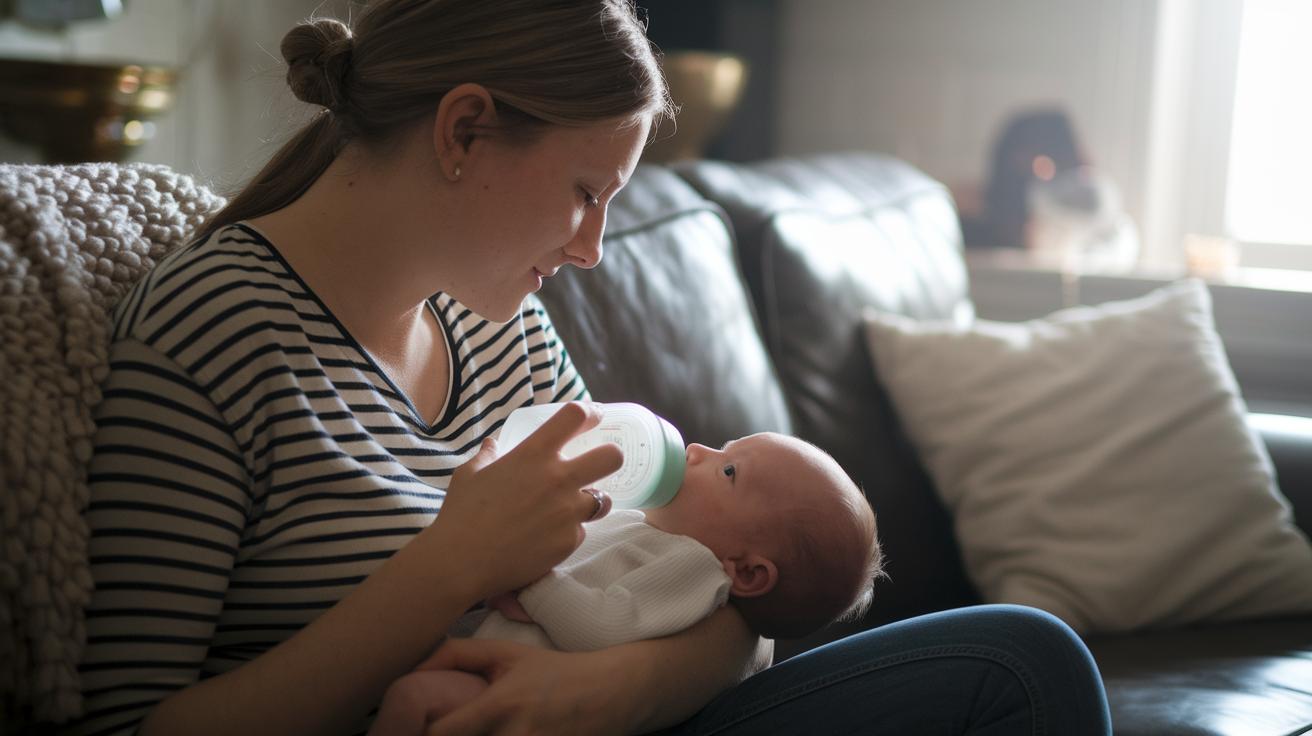
At two weeks, your little one usually feeds about 8–12 times a day, whether nursing or with a bottle. You might see sweet signs that they’re hungry, like turning their head, lip-smacking, or even bringing their hands to their mouth. It’s almost like they’re saying, “I'm ready for a snack!” when they tilt their head toward you or reach out for their bottle.
If you’re breastfeeding, these gentle cues help you know when to feed your baby. For moms using formula, most babies get about 45–90 ml at each feeding, making sure they get the right amount of nourishment. This regular feeding not only fills your baby up but also naturally boosts your milk supply, helping your little one grow strong.
Weight checks often start around this time, giving you a chance to see that everything’s on track. Sometimes, you might notice a little trouble with the latch at first, but a few small tweaks can really make a difference. These early little moments are not only helpful for your baby's growth, but they also bring a lot of comfort and joy during this special stage.
Sleep Patterns and Soothing Techniques for Two-Week Milestones
At two weeks, your baby usually sleeps 16–18 hours each day, taking quick naps of about 2–4 hours at a time. Their sleep cycle is still finding its rhythm, so it’s completely normal for sleep to be a bit unpredictable right now.
A comforting trick many parents swear by is gentle swaddling. Wrapping your baby snugly can feel like a warm hug from the womb, helping to ease their fussiness. And gentle rocking, either in your arms or in a rocking chair, can work wonders, especially during those evening moments when your little one might be more irritable. Sometimes, the soft hum of white noise, like a quiet fan, can add a nice touch of calm too.
Also, keep an eye out for 6–10 wet diapers a day. That simple check tells you your baby is staying well hydrated. Picture that quiet whir of a white noise machine lulling your baby to sleep after a satisfying feeding, it’s a small, peaceful moment in the hustle of your day. These gentle routines can make this early phase a joyful stepping stone for you both.
Early Reflexes and Motor Foundations at Two Weeks
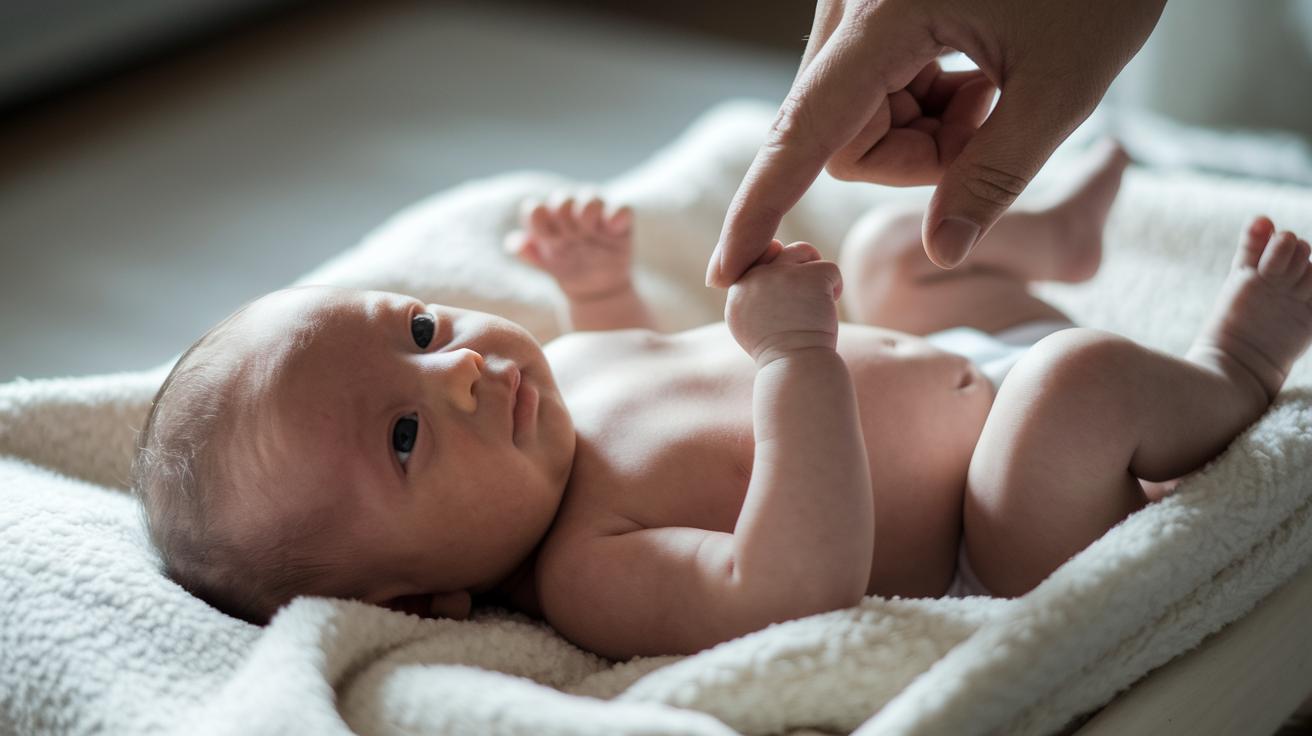
At just two weeks old, your baby begins to show heartwarming reflexes that signal their growing awareness of the world. They naturally start to root and suck as a way to help with feeding, and if a sudden noise surprises them, you'll notice a little startle reaction. Their tiny hands might even grip your finger when they touch something soft, an adorable hint that these early reflexes are working.
You might also see that head lag is becoming a bit less noticeable when you gently pull your baby into a sitting position. Sure, their head might still droop a little, but that's a really promising sign of emerging head control. And tummy time? It's both delightful and beneficial because it gives your baby precious moments to lift their head and build neck strength.
Also, watch as their eyes start to focus on objects about 8 to 12 inches away. Their movements can be a bit vigorous and uncoordinated at first, but each little twitch and gesture is a glimpse of the motor skills that are about to blossom. Every milestone, even a simple smile or a brief moment of alertness, feels like a warm reminder that your baby is learning to explore and connect with the world around them.
Monitoring Growth and Identifying Red Flags in Two-Week-Old Infants
At two weeks old, taking a close look at your baby’s growth can help you feel reassured. Typically, your little one should gain about 140–200 grams each week, and you might see the head growing by about 0.5–1 centimeter. Plus, if you notice around 6 to 8 wet diapers daily, that’s a good sign they’re staying well hydrated.
It’s also wise to watch for any red flags that might need extra attention. For example, if you’re not seeing any weight gain, if your baby seems unusually drowsy, or if the suck during feeding feels weak, these could be reasons to check in with your doctor. Sometimes, missing early reflexes or a high-pitched cry might also signal that something isn’t quite right.
Remember, there isn’t a set checkup at two weeks. So, if any of these signs come up or you have concerns, don’t hesitate to reach out to your pediatrician. Trust your gut and take comfort in knowing that catching small changes early helps keep your baby’s growth on the right track.
Final Words
Straight into the action, this post covers feeding patterns, sleep cycles, early reflexes, and health checks you can expect for your little one. We touched on guidance for proper infant nutrition and shared tips to support everyday routines.
The overview of 2-week-old infant milestones offers a helpful snapshot of your baby’s typical behaviors and growth. Embrace the small wins and keep cherishing these tender moments.
FAQ
What are the developmental milestones for a two-week-old baby?
Two-week-old babies usually sleep, eat, and show basic reflexes like rooting and sucking. They might lift their head briefly and begin to focus on faces up close while growing steadily.
What should I do when my two-week-old is awake?
When your baby is awake at two weeks, gently engage with them through brief tummy time, calming cuddles, or simple interactions that help support their early social and motor skills.
Can a two-week-old baby still be in the womb?
A two-week-old baby is already born. The developmental milestones described here refer to newborns, while in-womb development follows a different timeline.
How do I know if my two-week-old is feeding well, especially if they seem to eat constantly?
If your baby seems fussy and feeds frequently, it may be normal. Two-week-olds typically nurse or bottle-feed 8–12 times per day, which helps them grow. Monitoring weight gain is key.
What is a typical weight for a two-week-old baby in kilograms?
Many two-week-olds weigh around 3–4 kg, though weight varies from baby to baby. Tracking growth with your pediatrician helps ensure your baby is developing well.
How much should a two-week-old baby eat per feeding, and is 4 ounces too much?
Two-week-olds usually consume about 45–90 ml (1.5–3 oz) per feeding. Feeding them 4 ounces might be more than needed, so it’s best to follow your baby’s hunger signals and growth patterns.
What does the “5 8 5 rule” for babies mean?
The “5 8 5 rule” is a quick guide suggesting that if a baby feeds about 5 ounces per session, has 8 wet diapers, and 5 bowel movements a day, they are likely getting enough nutrition.
Which week is considered the hardest with a newborn?
Many parents find the first week especially challenging as both baby and family adjust to new routines. The early days often bring frequent feedings, short sleep cycles, and a learning curve for everyone.