
Have you ever wondered if your prenatal vitamin really covers what you and your baby need? Some doctors say that vitamins made with active nutrients work best, kind of like using a smart battery to power your body. These vitamins come with clean ingredients and just the right balance of iron, calcium, and active folate (a special form of folate that’s easy for your body to use), all of which help support your health and your baby’s growth. In this post, we chat about why many moms choose doctor-recommended prenatal vitamins as a smart and trusted option.
Doctor-Endorsed Prenatal Vitamins: What to Look For
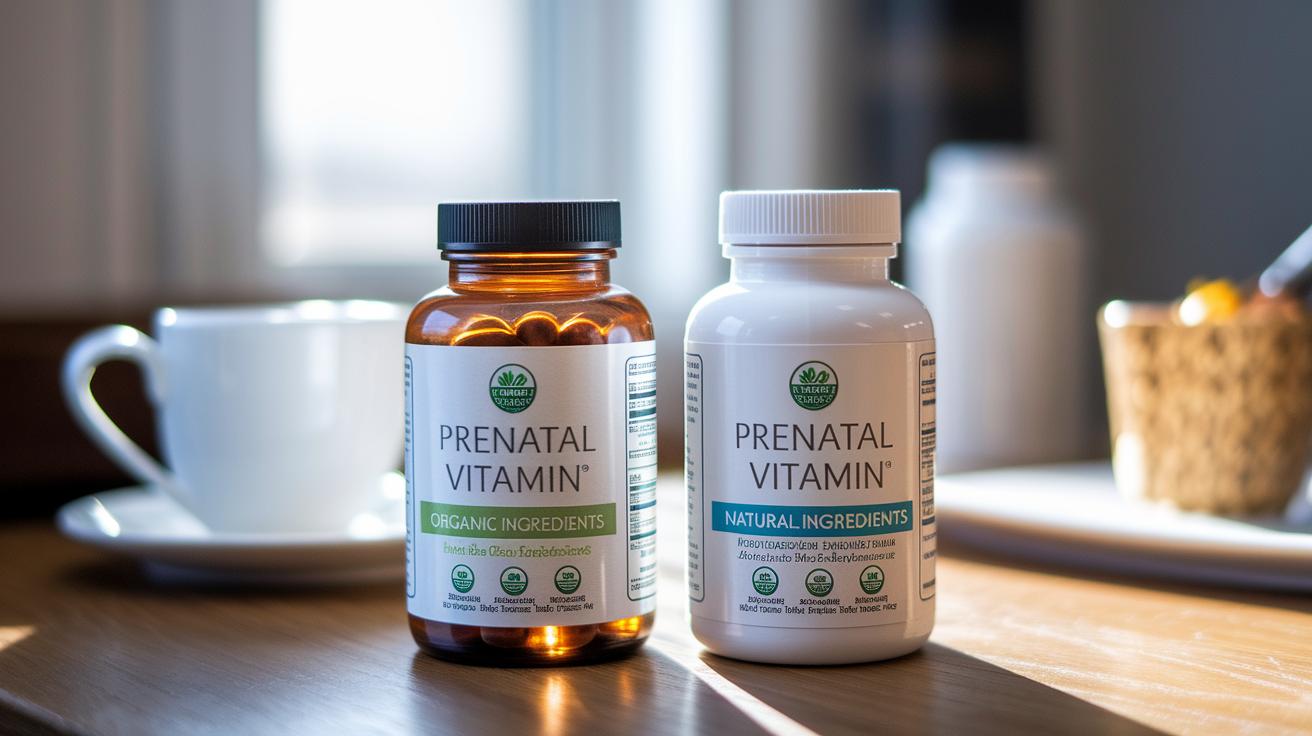
When you're picking a prenatal vitamin, doctors really recommend choosing ones with active, natural nutrient forms. For example, they suggest active folate (800 mcg), which is easier for your body to use compared to regular synthetic folic acid, kind of like switching from a standard battery to a high-performance one. It helps your body get what it needs much more smoothly. Plus, it’s important that your vitamin is clean and free of extra additives like food dyes, hydrogenated fats, or sugars.
A good prenatal vitamin supports both your health and your baby's growth. Typically, a trusted vitamin includes about 30 mg of iron to help keep your blood healthy and 1,000 mg of calcium for strong, growing bones. It also has 15 mcg of vitamin D to help manage calcium, while vitamin A comes in as beta-carotene or retinyl palmitate (ranging from 770 to 1,300 mcg RAE, with total preformed vitamin A kept low at or below 3,000 mcg RAE). Plus, there’s usually 85 mg of vitamin C and 15 mg of vitamin E to help with collagen and to give you a boost of antioxidants.
It’s key to avoid extra additives because they can make it harder for your body to absorb the nutrients. So, always check the label for trusted certifications and clear information that shows there aren’t any unwanted extras. That way, every dose gives you and your baby the pure, solid support recommended by medical professionals.
Key Nutrients in Physician Recommended Prenatal Vitamins
Have you ever wondered why doctors stress these special prenatal vitamins? They’re designed with nutrients in forms your body can use more easily. For instance, active folate gets absorbed up to twice as well as regular folic acid, which really helps support your baby’s neural tube development.
Here’s a simple breakdown of what you need:
- Folate (active form): 800 mcg/day to help form the neural tube
- Iron: 30 mg/day to build your blood volume and set aside iron for your little one
- Calcium: 1,000 mg/day to support your baby’s strong bones
- Vitamin D: 15 mcg/day to help your body absorb calcium and phosphate
- Vitamin A: 770–1,300 mcg RAE/day (keep it at 3,000 mcg RAE total or less) to help with organ development, just be careful not to take too much
- Vitamin C: 85 mg/day to support collagen formation for healthy tissues
- Vitamin E: 15 mg/day to give antioxidant support
These active forms work together like a team, making the vitamins easier for your body to absorb than the usual multivitamins. It really shows how sticking to these recommended amounts supports your well-being and your baby’s growth every day.
Prenatal vitamins recommended by doctors: A Trusted Choice
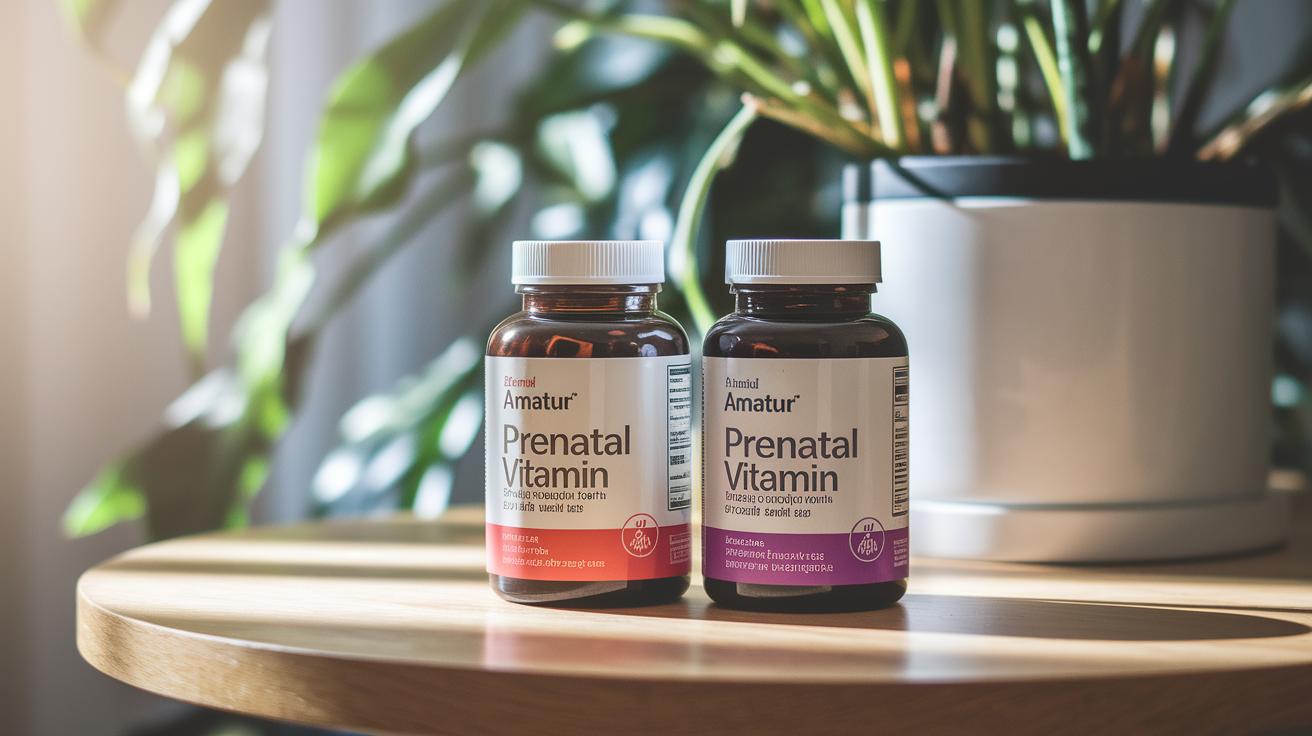
Doctors pick prenatal vitamins that work nicely with your body. They choose ones with active nutrient forms (like active folate and methylated B vitamins) that your body can easily use. These vitamins also bring you iron for healthy blood, DHA for your baby's brain growth, and plenty of other key nutrients. And they’re made without extra additives such as food dyes, hydrogenated fats, or sugars, so you can feel sure you’re getting top-quality help every day.
| Brand | Key Features | Price Range |
|---|---|---|
| Ritual | Active folate, vegan, no allergens | $30–$35/mo |
| Garden of Life | Whole-food ingredients, probiotics | $25–$30/mo |
| Thorne | Pure formulations, methylated B’s | $40–$45/mo |
| New Chapter | Organic herbs, fermented nutrients | $30–$35/mo |
| One A Day | Budget-friendly, DHA included | $15–$20/mo |
| SmartyPants | Gummy format, fish-free DHA | $35–$40/mo |
| Nature Made | USP-verified, value pack | $10–$15/mo |
As you check out these choices, think about what fits best with your lifestyle and nutritional needs. For example, if you need a vitamin without allergens, Ritual might be just right. If you prefer one made with whole-food ingredients and probiotics, Garden of Life could be a great match. And if you’re keeping an eye on your budget but still want a trusted name, Nature Made is a smart option. Choosing a brand that meets your needs can help you feel confident in your daily routine.
Timing and Dosage Guidelines for Doctor Endorsed Prenatal Vitamins
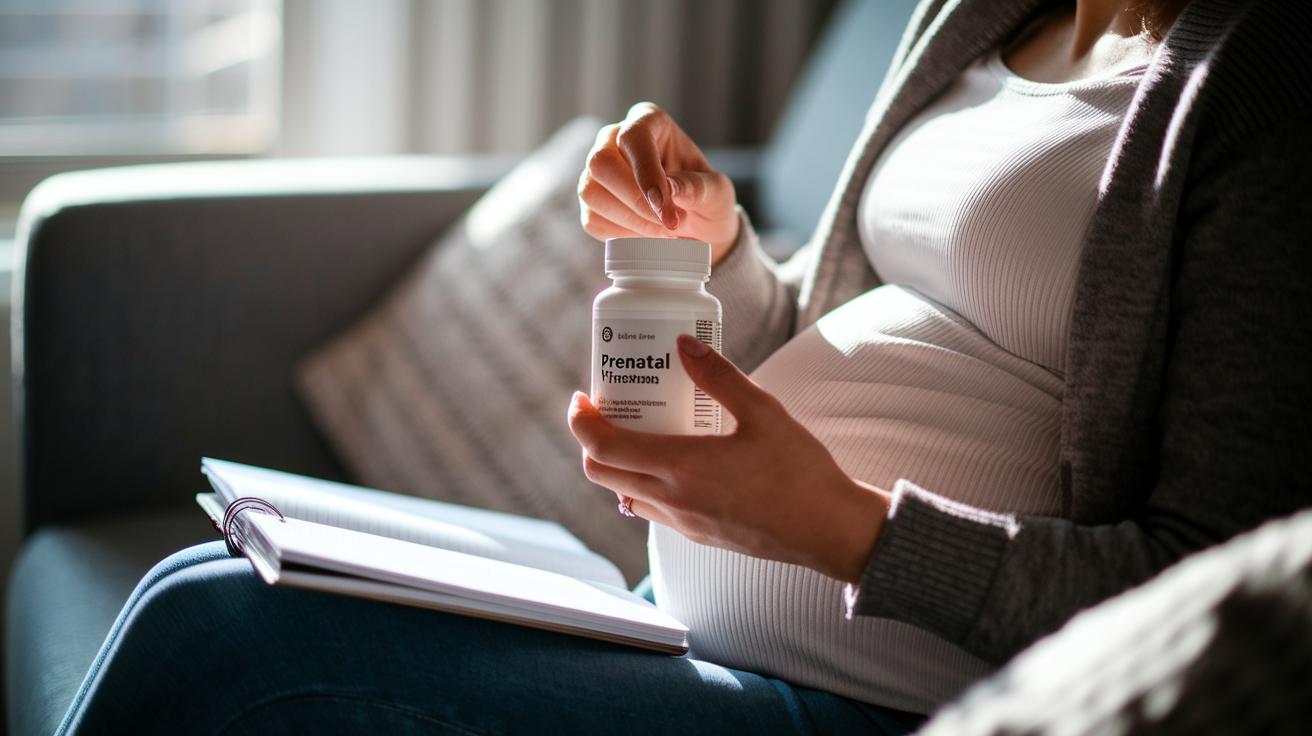
Planning for a family can feel exciting and a little overwhelming. Experts suggest starting your vitamin routine 6 to 24 months before you try to get pregnant. This is because egg development starts around 3 months before you ovulate. Beginning early gives your body time to build the nutrients it needs for both fertility and the early days of your baby's growth. And once you’re pregnant, these vitamins help support the many changes happening as you move into breastfeeding.
Here are some simple guidelines to follow:
- Preconception – Take 400–800 mcg of folate and 30 mg of iron.
- First Trimester – Stick with the same amounts as before.
- Second/Third Trimesters – Keep taking your vitamins or adjust them as your doctor advises.
- Postpartum – Continue your prenatal vitamins while breastfeeding.
Every phase of pregnancy has its own needs. It’s important to listen to your body and adjust if anything feels off. Always check with your doctor to make sure your vitamin plan matches your current health and stage of pregnancy.
Safety, Side Effects and Doctor Recommendations for Prenatal Vitamins

Prenatal vitamins are safe when you take them with food and plenty of water. Sometimes, moms might feel a little off, like a bit of nausea or constipation because of the iron. And yes, you might see your urine looking a bright yellow shade because of the B vitamins. These little side effects are no big deal and often go away once your body settles in. I remember a friend mentioning that her mild nausea got better once she paired her vitamins with a good, filling breakfast.
Your doctor might suggest taking your vitamins during meals and making sure you’re drinking enough water through the day. They also recommend choosing vitamins without extra additives. These clean formulas are carefully tested to keep things safe, as they avoid extras like food dyes, hydrogenated fats, or sugars. So, if you notice any side effects, try these tips to feel better and ensure that you and your little one get all the essential nutrients you need.
Integrating Prenatal Vitamins into a Comprehensive Maternal Nutrition Plan
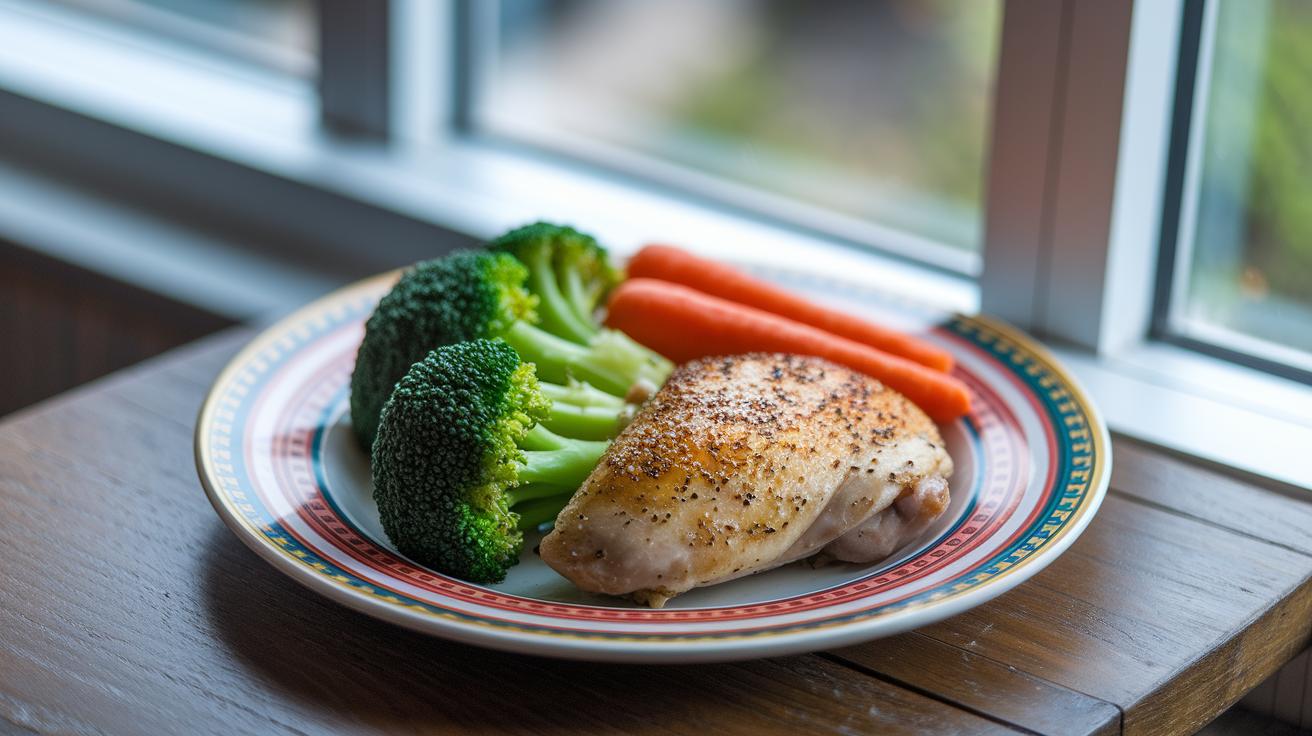
Balanced Diet Overview
Eating a balanced diet is a really important part of taking good care of yourself and your baby. Try to enjoy 6 to 9 servings of vegetables every day, think colorful meals filled with broccoli, carrots, or leafy greens. Add a healthy protein like chicken or beans and some whole grains like brown rice or quinoa. This mix not only brings you fiber and important vitamins but also helps your body make the most of the prenatal vitamins you take.
Lifestyle and Supplement Routine
Taking your prenatal vitamins with a meal can help ease any tummy discomfort and ensures your body absorbs them well. It might help to set a regular time, maybe at breakfast or lunch, so it feels like a natural part of your day. And don’t forget about a little movement! Many moms find that prenatal yoga is a lovely way to relax and gently prepare their bodies to use all the nutrients from both food and supplements.
Monitoring and Adjustments
Regular check-ups are a friendly reminder that you’re on the right track. Simple lab tests, even things like thyroid or progesterone checks, can show how well your plan is working. As your needs change, a quick chat with your doctor can help you adjust your vitamin intake. For personalized advice, consider talking with prenatal care doctors near you to make sure your plan supports both your well-being and your baby’s development.
FAQs: Doctor Answered Questions on Prenatal Vitamins

Q: What is the difference between prenatal and standard multivitamins?
Doctors explain that prenatal vitamins have extra amounts of key nutrients like active folate, iron, calcium, vitamin D, and vitamin A. These higher levels are meant to support your pregnancy and help your baby grow well. Regular multivitamins usually don’t offer these extra boosts.
Q: Can diet alone supply these nutrients?
Eating a good mix of veggies, proteins, and whole grains is great, but it often isn’t enough to meet the extra needs during pregnancy. Prenatal vitamins help fill in the missing nutrients so you and your baby can get steady support.
Q: What should be done if a dose is missed?
If you miss a dose, take it as soon as you remember unless it’s almost time for your next one. Then just keep following your regular schedule. Doubling up isn’t recommended since it might cause unwanted side effects.
Q: How long should prenatals be continued?
Experts recommend starting prenatal vitamins during preconception if possible, continuing them throughout pregnancy, and even while breastfeeding. This way, both you and your little one get the steady nutrient support you need.
Final Words
In the action, the article highlights how using clean, active prenatal vitamins makes a real difference. It explained why following doctors' advice when choosing vitamins, like those with active folate and balanced iron levels, is key for both mom and baby.
It broke down specific nutrient targets and offered guidance on timing and integrating vitamins into everyday meals. This clear, practical advice helps you feel confident every day with prenatal vitamins recommended by doctors.
FAQ
Best prenatal vitamins before pregnancy
The best prenatal vitamins before pregnancy include formulas with active folate, iron, calcium, and vitamin D that support egg maturation and boost nutrient stores for a healthy start.
Benefits of prenatal vitamins while not pregnant
The benefits of taking prenatal vitamins while not pregnant involve building nutrient reserves, supporting overall health, and preparing the body for possible conception with essential, active nutrients.
Most important vitamins for pregnancy
The most important vitamins for pregnancy are active folate, iron, calcium, vitamin D, vitamin A, vitamin C, and vitamin E, all of which help support fetal development and maternal well-being.
Best prenatal vitamins 2025
The best prenatal vitamins in 2025 focus on active, high-quality nutrients and proper dosages while avoiding additives, aligning with doctor recommendations to support both reproductive health and pregnancy needs.
Best prenatal vitamins with folic acid
The best prenatal vitamins with folic acid use its active form to aid neural tube development and overall health, meeting the specific, evidence-based guidelines recommended by healthcare professionals.
Nature Made Prenatal Multivitamin Folic Acid + DHA
The Nature Made Prenatal Multivitamin Folic Acid + DHA combines active folate and DHA with essential vitamins and minerals, offering a trusted option that meets stringent quality standards for prenatal care.
Best prenatal vitamins Reddit
The best prenatal vitamins recommended on Reddit are those with active nutrients and transparent labels, echoing many community experiences that value formulas which follow doctor-endorsed criteria for safety and efficacy.
Best prenatal vitamins for Black women
The best prenatal vitamins for Black women provide balanced, active forms of folate, iron, calcium, and vitamin D that meet specific health needs while supporting fetal development and maternal well-being.
Do doctors still recommend prenatal vitamins?
Doctors still recommend prenatal vitamins because they deliver key nutrients like active folate and iron that are essential for maternal health and the proper development of the fetus.
What is the #1 prenatal vitamin?
The #1 prenatal vitamin is characterized by its adherence to doctor-approved active nutrient forms, optimal dosages, and purity standards, ensuring it supports both maternal health and fetal development effectively.
What is the cleanest prenatal vitamin?
The cleanest prenatal vitamin is one formulated without food dyes, hydrogenated fats, or added sugars, focusing on pure, active nutrients that meet stringent healthcare quality standards.
What are the CDC recommendations for prenatal vitamins?
The CDC recommendations for prenatal vitamins stress the need for active folate, sufficient iron, and vitamin D at specific dosages to support healthy fetal and maternal development during pregnancy.