
Ever wondered if taking prenatal vitamins after having your baby might help you feel better? Lots of new moms say they feel more energetic and in a better mood when they stick to a regular vitamin routine. It’s almost like hitting a reset button for your body. After you have your baby, your body needs extra good stuff to help it heal and stay strong. This post looks at how keeping up with your prenatal vitamins can boost your healing, fight tiredness, and support your overall well-being.
Continuing Prenatal Vitamins Postpartum: Key Benefits & Guidelines

After childbirth, your body may need extra help refilling important nutrients like iron, vitamin B12, and omega-3 fatty acids. These help give you energy, support healing, and balance your mood as you recover. Even if you're not pregnant or are breastfeeding, keeping up with your prenatal vitamins can be a gentle boost.
Taking prenatal vitamins after delivery offers many benefits. They help replace what your body lost during pregnancy and birth, setting you up for a smoother recovery. Many moms choose to take them for at least six weeks and sometimes even up to a year. Interestingly, a lot of women say they feel more energetic when they maintain a consistent vitamin routine. It’s like pressing a reset button for your body.
For moms who are breastfeeding, benefits can be even greater. Vitamins with extra iodine, protein, vitamin D, and vitamin B12 support the extra nutritional needs for both you and your baby. Here's a simple look at the benefits:
| Nutrient | Benefit |
|---|---|
| Iron & B12 | Helps reduce fatigue and clear brain fog |
| Omega-3s | Supports mood and brain health |
| Iodine & Protein | Aids in milk production and helps your recovery |
Remember, vitamins work best when paired with a nutritious diet. Eating a variety of healthy foods can further support your postpartum recovery and overall well-being.
Differences Between Prenatal vs. Postnatal Vitamins After Birth

Prenatal vitamins help both you and your growing baby. They include important nutrients like folate, iron, calcium, and DHA (an omega-3 healthy fat) that support your baby’s development. Think of them like a handy set of tools you use when building something special, you get everything you need right from the start.
After your little one is born, your body needs a different kind of care. Postnatal vitamins are made to help you recover after childbirth and to support breastfeeding. They usually have extra B vitamins for more energy, a bit more vitamin D for a happy mood and strong bones, and iodine, which helps your thyroid and supports milk production. Plus, they include added protein to help your body repair itself.
Another change is that postnatal vitamins adjust the iron to replace what you lost during birth and feature a lower dose of vitamin A for safety. These small tweaks make them better suited for your needs as a new mom.
Key Nutrients for Postnatal Recovery and Breastfeeding Support
We’ve covered these important nutrients before, and now we’re sharing simple, everyday ways to add them to your meals. If you need more details about each nutrient, just look back at the earlier info.
-
Iron: Try a quick and tasty smoothie, blend a handful of spinach with a cup of berries and a splash of orange juice to give your iron a nice boost.
-
Vitamin B12: Start your day with a dose of B12 by adding dairy or fortified plant-based milk to your breakfast. For example, enjoy a bowl of cereal mixed with your favorite milk.
-
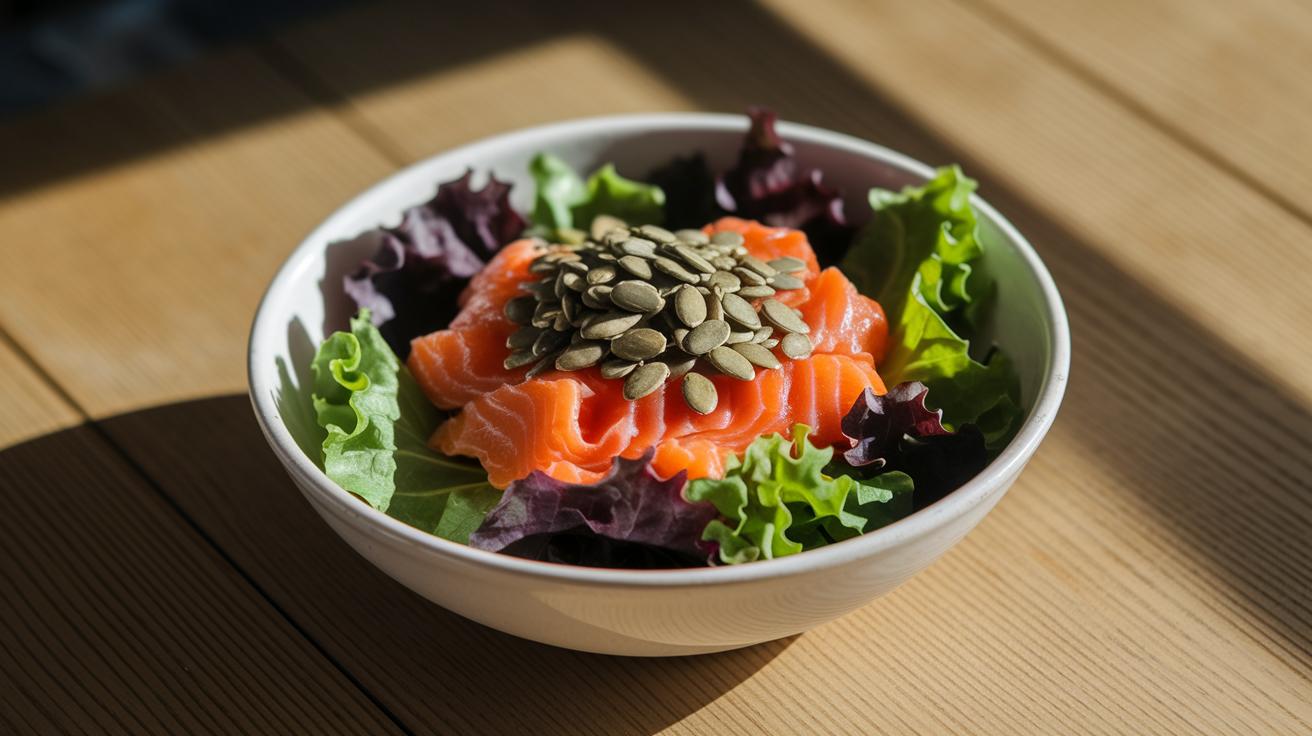
DHA (Omega-3): Boost your brain function by tossing salmon or a few walnuts into your salad or snack. You could try topping your salad with some canned salmon for an easy omega-3 lift.
-
Calcium and Vitamin D: Make sure to include dairy or fortified alternatives in your meals, and if you can, enjoy some morning sunlight. Sip on a glass of fortified milk with your breakfast and take a moment to enjoy some early sunshine.
-
Iodine: Use iodized salt when you cook at home or add a little sea vegetable here and there. For instance, sprinkle a bit of iodized salt on your steamed veggies for an extra kick.
-
Protein: At each meal, include lean meats, tofu, or beans to help repair your tissues. A bean salad with mixed greens and a squeeze of lemon is a hearty, protein-rich option.
-
Zinc: Keep roasted pumpkin seeds or a serving of legumes handy for a snack that aids healing. A small bag of pumpkin seeds can be a quick, zinc-rich treat.
Dosage Recommendations and Timing of Postpartum Vitamin Intake

It’s best to begin your postnatal supplements right away – either soon after your baby is born or when you notice your prenatal vitamins are almost gone. For instance, if your vitamin bottle is nearly empty and you feel a little run down, it might be time to make the switch.
A good postpartum multivitamin is made to meet important nutrient guidelines. A quality supplement often includes amounts like:
| Nutrient | Amount |
|---|---|
| Iron | 9-27 mg |
| Calcium | 1,000-1,300 mg |
| Vitamin D | 600-800 IU |
| Vitamin B12 | 2.4 mcg |
Taking one of these every day can really help support your recovery during this busy time. Many experts suggest keeping up with your vitamins for at least six weeks. Some even recommend continuing for three to twelve months, depending on how you feel and if you're breastfeeding.
If you’re breastfeeding, try taking your vitamin with your meals. This little trick can really boost absorption – especially for vitamins like A, D, E, and K, which need a bit of healthy fat in your meal to work best.
Just imagine taking your postnatal vitamin with a delicious breakfast that might include a few slices of avocado or a handful of nuts. This simple habit can help your body absorb those nutrients more effectively, making you feel a bit more energized as you continue to heal.
Safety Considerations and Adjustments for Postnatal Vitamins

After having your baby, your vitamin needs change. Now’s the time to switch from prenatal vitamins with high vitamin A levels to postnatal ones that offer a safer amount of retinol. Imagine checking your bottle and seeing that vitamin A is lower than before, perfectly matching your new needs.
Sometimes, too much iron can leave your tummy feeling unsettled. If you notice a churning or a bit of discomfort after taking your supplement, it might be your body’s way of hinting that the iron content is too high. It’s a little nudge to take a closer look.
Calcium and iron can get in each other’s way, making it harder for your body to absorb the iron if you take them at the same time. A good trick is to space them out by a few hours. For instance, you might take your iron in the morning and then have your calcium later in the day, giving your body a better chance to benefit from both.
It’s always a smart move to read the labels and keep an eye out for the recommended intake limits. And if you’re ever unsure, having a chat with your healthcare provider can help ensure you’re getting exactly what your body needs, safely and simply.
Transitioning Smoothly from Prenatal to Postnatal Supplements

When to Start Postnatal Vitamins
It’s a good idea to start your postnatal vitamins when you notice your prenatal stash is running low or right after you give birth. Think of it like shifting gears gently while driving. Sometimes, a little extra tiredness or feeling that you need more nutrients after delivery is your body’s way of saying it’s time for the change.
Selecting the Right Postnatal Formula
Take a moment to read the labels on your supplements. You want a formula that fits this new chapter in your life. Look for one with a bit less folic acid and a boost of vitamin B12 and calcium. And if you’re breastfeeding, extra vitamin D, iodine, and protein can really help fill those nutritional gaps. This small shift in your supplement routine is just one way to keep caring for yourself as your needs change.
Tracking Progress and Determining Duration of Postpartum Vitamin Use

It’s a good idea to keep an eye on your recovery as you adjust your vitamin routine after childbirth. Many moms notice a boost in energy and a brighter mood after about six weeks of using supplements regularly, and for some, these benefits can last anywhere from three to twelve months.
Look out for little signs that you’re headed in the right direction. For example, you might see:
- More steady energy throughout the day
- Thicker hair (one study found that 73% of moms experienced regrowth by three months)
- A more balanced mood
- Better milk production
Trusting your body is really important. Besides these positive signals, you might want to get lab tests for iron, vitamin D, and vitamin B12 at three- and six-month marks. These tests can help guide any changes you might need in your vitamin routine, making sure you stay well-supported as you heal and care for your little one.
Final Words
In the action, the post highlights how continuing prenatal vitamins postpartum helps refill essential nutrients like iron, vitamin B12, and omega-3s while addressing specific needs during recovery and breastfeeding. It explains the differences between prenatal and postnatal formulas and offers easy-to-follow tips on timing and dosage.
It’s clear that a well-planned supplement transition supports better energy, mood, and healing. Remember, taking prenatal vitamins postpartum can truly empower your recovery and promote lasting wellness.
FAQ
Are postnatal vitamins different from prenatal vitamins after birth?
Postnatal vitamins are designed for recovery after childbirth. They adjust mineral and vitamin levels—like lower vitamin A and tuned iron—with extra vitamin D, iodine, and protein to better support healing and breastfeeding.
When should you stop taking prenatal vitamins postpartum?
Many moms keep taking prenatal vitamins for at least six weeks after birth. Some continue up to a year to help replace nutrients, improve energy, and support recovery during the postpartum period.
How long should you take vitamins if you are breastfeeding?
Breastfeeding moms often benefit from daily vitamins for three to twelve months postpartum. This extra time ensures they receive additional iodine, vitamin D, and B12, which support both recovery and milk production.
What are the best postnatal vitamins for breastfeeding mothers?
The best postnatal vitamins for breastfeeding moms provide balanced nutrients, including vitamin D, B12, iodine, and protein. They also adjust iron and vitamin A levels to optimize recovery while safely supporting lactation.
What happens if you stop taking prenatal vitamins while breastfeeding?
If you stop taking prenatal vitamins abruptly while breastfeeding, you might miss out on key nutrients that aid recovery and energy. Switching to a postnatal formula can help fill these nutritional gaps.
Can you take prenatal and postnatal vitamins together postpartum?
Combining prenatal and postnatal vitamins is generally not advised. Postnatal formulas are tailored to your recovery and breastfeeding needs, ensuring you receive the proper balance of essential nutrients.