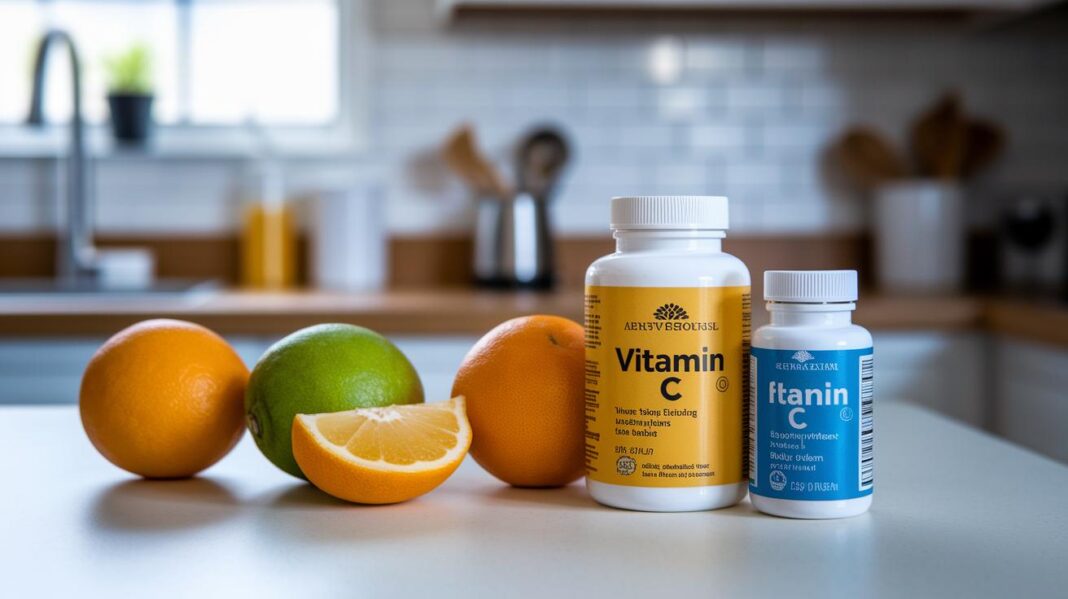
Ever thought that vitamin C and folic acid could be little helpers for your health? Imagine them working together like close friends, supporting your immune system, helping your body make collagen, and even giving your red blood cells a boost. It's a bit like having a strong team where every player does their part to help you feel better. Today, we'll explore how these nutrients join forces to keep your body running smoothly and protect your cells, turning daily wellness into a truly rewarding journey.
Vitamin C and Folic Acid Combined: Key Benefits, Uses, and Dosage Guidelines
Vitamin C, also known as ascorbic acid, is a water-soluble nutrient that helps your body create collagen, supports your immune system, and protects your cells with its antioxidant power. Women usually need about 75 mg daily, while men need around 90 mg. Folic acid, which is the synthetic form of vitamin B9, is important for making DNA and preventing neural tube defects (problems with the early development of the spinal cord). Generally, adults need about 400 mcg each day and 600 mcg when pregnant (see more about Folic Acid Dosage). Think of it like a well-oiled machine where every part helps the whole system run smoothly.
Many supplements combine these nutrients into one dose, often providing 500 mg of vitamin C and 400 mcg of folic acid per serving. This easy-to-use formula works like a team where every player contributes to your overall health. It supports many functions in your body, much like each member of a sports team plays a part in winning the game.
The benefits of pairing vitamin C and folic acid include:
| Benefit | Description |
|---|---|
| Red Blood Cell Formation | Aids in making red blood cells |
| Neural Tube Defect Prevention | Helps lower the risk of birth defects in early development |
| Enhanced Immune Response | Boosts your body’s natural defenses |
| Collagen Production | Supports healthy skin, hair, and nails |
| Antioxidant Synergy | Works together to protect your cells |
| Improved Iron Absorption | Helps your body take in more iron |
This dynamic duo not only boosts your immunity and supports healthy skin, but it also helps each component work better together. Vitamin C plays a key role in keeping folate in its most active form, making it easier for your body to absorb. It’s a bit like having a caring friend reminding you to stay strong every day, so you feel balanced and ready to take on whatever comes your way.
Synergy and Absorption: How Vitamin C Enhances Folic Acid Uptake

Vitamin C is like that caring friend who makes sure folic acid stays in its best, active form called 5-MTHF so your body can use it well. Research shows that when you take 200–500 mg of vitamin C with your folic acid, your body can absorb up to 30% more folate. It’s a bit like having someone who keeps your fruits and veggies fresh, stopping folic acid from breaking down too soon.
This helpful partner supports many important jobs in your body. Vitamin C helps refresh key helpers called tetrahydrofolate coenzymes, which work in tasks like cell repair and making new DNA. When these coenzymes are renewed, folic acid can do its job better, keeping your cells happy and healthy.
Think of it as watering a plant so it grows strong and steady. Taking vitamin C with folic acid makes sure more of that vital folate gets into your system with each dose. And the best part? There are no known downsides, so you can feel confident about this friendly, effortless boost to your overall health.
Natural and Supplement Sources of Vitamin C and Folic Acid
Everyday foods like fruits and vegetables are a natural source of vitamin C and folic acid that help keep you feeling your best. Imagine starting your day with a bright, juicy orange or adding fresh, crisp spinach to your salad, both giving you a healthy boost. These foods not only taste great but also make your meals colorful and full of life.
There are even some foods that are packed with vitamin C and folate. Try to add a few of these to your meals:
| Food | Vitamin C (mg/serving) | Folate (mcg/serving) |
|---|---|---|
| Spinach | 28 | 146 |
| Broccoli | 81 | 57 |
| Oranges | 70 | 30 |
| Strawberries | 59 | 24 |
| Lentils | 4 | 181 |
| Kale | 80 | 85 |
Some breakfast cereals are even fortified to provide 100% of your daily vitamin C and folic acid in just one serving, which can really simplify hectic mornings. You can also consider multivitamin tablets, which usually offer between 60 and 120 mg of vitamin C along with 400 mcg of folic acid. Combining these options with balanced meals makes it easy to naturally support your well-being.
Safety Profile and Side Effects of Vitamin C Plus Folic Acid

Vitamin C is safe up to about 2,000 mg each day. Taking more than that can sometimes upset your tummy, causing cramps or even diarrhea, and it might increase your chance of getting kidney stones. Folic acid is also important, but if you take over 1,000 mcg a day, it can hide a vitamin B12 shortage, which may lead to nerve problems, this is especially important for pregnant women.
When you take vitamin C and folic acid together, they really support each other. Vitamin C helps your body absorb more iron and keeps folate working well. There aren’t any big worries about them clashing. That said, it’s best to stick to the recommended amounts and take them with your food so that your stomach doesn’t feel upset.
A lot of people choose to take these vitamins in the morning with breakfast. It’s an easy way to add a little extra support to your busy day.
- Keep an eye out for signs of too much vitamin C, like an upset stomach.
- Remember, high levels of folic acid could hide other health issues.
Taking these simple steps can help you feel confident that your vitamins are working safely for you.
Vitamin C and Folic Acid in Prenatal Support and Women’s Health
If you’re expecting, you might want to know about a simple way to support both you and your baby throughout pregnancy. Experts recommend taking 600 mcg of folic acid along with 75–200 mg of vitamin C daily. This friendly boost can help lower the risk of neural tube problems (issues with your baby’s brain and spine development) by up to 70%! Imagine starting your day with a little dose that sets the stage for healthy growth and even helps your body use iron better.
Most prenatal vitamins already offer between 400 and 800 mcg of folic acid along with the same 75–200 mg of vitamin C. This sweet balance aids in your baby’s early development and supports your own well-being. Together, these nutrients work hand in hand to nurture your baby’s delicate forming and to help keep your energy up by reducing the chance of anemia.
Vitamin C, also known as ascorbic acid, really plays a starring role. It makes it easier for your body to use iron, an important benefit during pregnancy. In short, it’s one of those little daily acts of self-care that makes a big difference for both you and your baby.
So next time you reach for your prenatal vitamins, remember that you’re making a simple, caring choice for your family’s health. Isn’t it amazing how a small change in your routine can bring such a nurturing boost to your day?
Comparing Combined Formulations vs Individual Vitamin C and Folic Acid Supplements

If you take vitamin C and folic acid as separate tablets, you can easily adjust each dose to suit your needs. But, it also means you have to manage more pills every day, kind of like keeping track of extra ingredients in a recipe.
On the other hand, combined capsules come pre-measured, often with amounts like 500 mg of vitamin C and 400 mcg of folic acid. It’s a bit like grabbing a ready-made snack that’s both delicious and handy, making it easier to stick to your routine.
Many moms really appreciate the simplicity of using a dual-nutrient product. In fact, surveys show that 85% of users feel happy with these combinations. It’s a little reminder that sometimes one capsule can save you time and ease the stress of managing multiple supplements on busy days.
Trusted brands back up their products by including ingredients verified by trusted organizations. They even use smart methods to make sure you get the best quality. For example, one technique, microencapsulation (where folic acid gets a special coating), protects the vitamin until it reaches your small intestine so it stays active longer.
• Taking separate tablets lets you adjust doses just how you need.
• A combined capsule cuts down on daily pill tracking.
• Smart techniques like microencapsulation help keep folic acid working longer.
So, while separate tablets let you tailor your dose, the combined formula makes your daily routine simpler and comes with quality you can trust.
Expert Recommendations and Guidelines for Daily Vitamin C with Folic Acid Intake
Doctors and nurses often recommend a simple daily routine so you can get the most out of vitamin C and folic acid. Many professionals say it’s best to take 400–800 mcg folic acid and 75–200 mg vitamin C with your breakfast. This way, your body will absorb them more easily while supporting healthy cells throughout your day.
Starting your morning with a balanced, nutrient-rich meal can truly help your body use these vitamins better. Think of it as giving yourself a gentle boost to set a positive tone for the day. One handy tip is to choose supplements that include the active form called “5-MTHF” because it helps your body use folate more effectively.
Here are a few tips to keep in mind:
- Take 400–800 mcg folic acid and 75–200 mg vitamin C with your morning meal.
- Choose supplements with “5-MTHF” active folate to boost absorption.
- Look for products with USP or NSF certification to ensure quality.
- If you’re testing vitamin B12 levels, try to keep high-dose vitamin C at least 4 hours apart.
- Keep your supplements in a cool, dry place away from direct sunlight.
These friendly guidelines make it easy to add a folate and vitamin C routine into your everyday life.
Final Words
In the action, we explored key benefits, proper dosages, and practical sources of vitamin C folic acid. We looked at how these nutrients work together to support red blood cells, immune function, and prenatal care.
We also talked about combined formulations versus individual supplements for everyday wellness. This article highlighted expert tips on daily intake and safe supplement use. Keep feeling supported as you make informed choices for you and your family.
FAQ
What are the benefits of combining folic acid with vitamin C?
The combined benefits support immune health, improve iron absorption, enhance collagen production, and aid red blood cell formation. This duo also plays a role in reducing neural tube defect risks during pregnancy.
Is it okay to take folic acid and vitamin C together?
It is generally safe to take folic acid and vitamin C together since they work in harmony. Their interaction even helps maintain folate’s active form for better nutrient absorption.
Does vitamin C affect folic acid levels?
Vitamin C helps boost folic acid levels by keeping it in its active state, thereby increasing its bioavailability. This effect supports better folate use in essential metabolic processes.
What vitamins should not be taken with folic acid?
Folic acid pairs well with most vitamins, but high levels can mask a vitamin B12 deficiency. It’s important to monitor vitamin B12 when taking high-dose folic acid supplements.
How does folic acid combined with vitamin C support pregnancy?
Folic acid and vitamin C together support pregnancy by contributing to neural tube defect prevention, enhancing iron absorption, and promoting collagen production for overall maternal and fetal well-being.
What is vitamin C folic acid serum?
Vitamin C folic acid serum is a topical product that delivers antioxidants and supports collagen production on the skin. It is typically used for skincare benefits rather than systemic nutrient support.
What are the benefits of a B complex with folic acid and vitamin C?
A B complex with folic acid and vitamin C offers energy support, boosts immune function, and improves nutrient absorption. It conveniently combines these key vitamins to help maintain everyday health.
What is a typical formulation for a vitamin C and folic acid supplement tablet?
Typical formulations include 500 mg of vitamin C with 400 mcg of folic acid. Some products also add extra B vitamins to support energy metabolism and overall health.
Is folic acid vitamin C?
Folic acid is not vitamin C; it is a synthetic form of vitamin B9 while vitamin C (ascorbic acid) is an antioxidant. Each nutrient offers unique benefits essential for overall health.