Ever notice how bottled-up emotions sometimes feel like heavy trucks stuck in rush hour? When feelings pile up, it’s hard to feel at ease. In our busy days, learning to work through our emotions can bring a gentle, calming spark. Imagine it like tidying up a cluttered room, each emotion gets its own spot so you make space for peace. This guide shows you a simple way to name your feelings and let them go, helping you feel more balanced and calm.
Foundational Principles of Emotional Processing
Emotional processing is a step-by-step way to understand and let go of feelings. It helps us notice, sort, and release our emotions, something many of us find hard to do. Think of unprocessed feelings like trucks hauling different types of seafood, salmon, halibut, and crab, waiting in a busy factory. Each truck needs to be carefully sorted and sent on its way so everything works smoothly. When we let emotions pile up, they can lead to anxiety, sadness, or stress.
The first step is to recognize and name what we're feeling. Saying something like, "I feel overwhelmed right now," makes it clear what we're dealing with. Then, we mix our body’s reactions with a bit of thoughtful insight, much like sorting different seafood by their type and quality. Each feeling gets its own attention, ensuring that nothing is lost in the shuffle and our overall well-being stays balanced.
Our brain works hard to manage these feelings. Parts like the amygdala sense our emotions, while the prefrontal cortex helps us calm down and see things in a new light. Knowing how our brain handles emotions shows us why they can feel so strong and reminds us that we can learn to deal with them better. By taking time to work through our feelings, just as a well-run factory sorts its loads, we create space for a clear mind and a calmer heart.
Stages and Phases in Emotional Processing

First, it all starts with noticing and naming the emotion. Say aloud or jot down, "I feel anxious right now." This simple act helps clear the fog of confusion and sets the stage for your mood to change.
Next, let yourself feel the emotion fully. Sit with it for a moment instead of trying to push it away. It’s like savoring a favorite flavor, you give it time so you can really notice its details. Techniques like mindfulness or taking deep, slow breaths can be very comforting here.
Then, take a little time to ask yourself where this feeling is coming from. You might wonder, "What set me off? Is this tied to something from my past?" Asking these questions helps you understand your emotions better and makes the experience more manageable.
Finally, use what you learned to move forward in a healthier way. Reflect on your feelings by writing them down or using other tools, and slowly bring those insights into your everyday life. This step-by-step process helps clear out those lingering emotions and keeps you feeling calm and balanced.
Neuroscience and Psychological Models Underpinning Emotional Processing
Emotions aren’t just simple feelings, they’re messages from different parts of our brain working together. Think of the amygdala as a little alarm that flashes a red light when something feels off, signaling that you need to pay attention.
Then there’s the prefrontal cortex. This part of the brain helps calm that sudden rush of emotion, giving you a chance to see things in a new way, like taking a deep breath when everything feels overwhelming. And the hippocampus? It connects what you’re feeling to past memories, helping to explain why a certain moment stirs up strong emotions.
When we face toxic stress, our bodies can even freeze up, almost like hitting pause because of stress hormones. Early life hardships can change how these brain areas talk to each other, making it tougher to manage our emotions later on. It’s like an unexpected detour in your usual route, where the normal flow of feelings gets a bit jumbled.
Research shows that our emotional process is much more than a quick reaction. It’s a complex dance where every brain part plays an important role. By understanding these inner workings, we start to see why our emotions feel so powerful and how we might gently steer them toward a peaceful state.
Evidence-Based Strategies for Affect Regulation and Mood Recovery
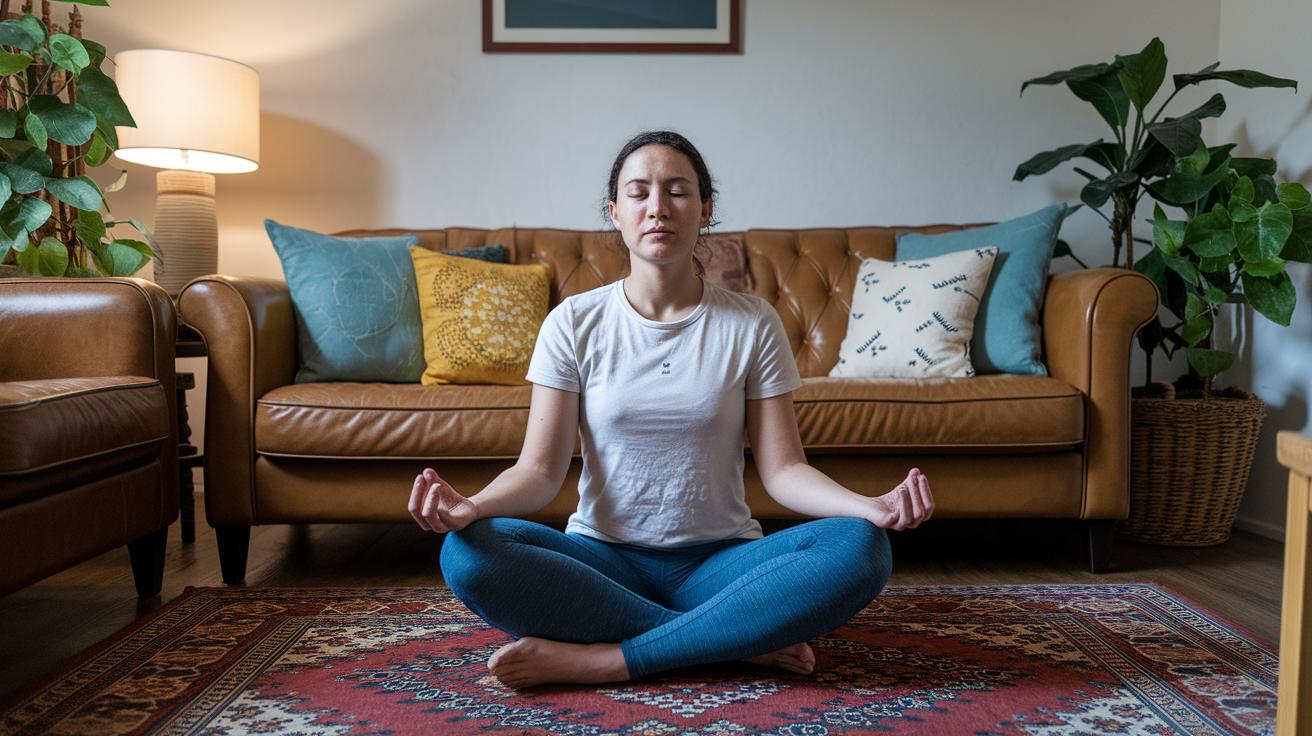
Let's start with some mindful exercises that can help lift your mood. Methods from approaches like DBT (a therapy for managing emotions) and CBT (a way to change thought patterns) help you slow down and really check in with how you're feeling. For example, try a simple breathing exercise: close your eyes, breathe slowly, and feel the calm spread through you, almost like you're drifting gently on a soft current.
Another handy trick is the 90-second rule. When a strong emotion hits, count slowly to 90. This little pause gives you a moment to step away from that rush of feelings, much like pausing your favorite movie when you need to take a breath. Have you ever noticed how a short break can make everything seem a bit clearer?
There’s also something called cognitive reappraisal. When you catch yourself sinking into negative thoughts, ask, "Is there another way to see this?" This small shift in perspective can ease those heavy moments. Plus, simple daily habits, like taking a quiet walk or jotting down a few thoughts about your day, can help keep those emotions in check.
Getting good sleep is super important too. Try to stick to a regular sleep schedule and create a calming bedtime routine to clear your mind for a fresh start each day. And when you’re feeling overwhelmed, consider taking a soothing shower, listening to soft music, or even chatting with a friend for a little break.
Sometimes, taking a self-test on things like perfectionism, anxiety, or how well you handle your emotions can be really revealing. These tests help you get a clearer picture of your emotional landscape, so you can pick the right strategies to feel better.
Practical Exercises, Self-Help Tools, and Worksheets for Emotional Integration
Have you ever tried writing down your feelings? Reflective journaling can help you get a better grip on your emotions. For example, you might write, "Today I felt overwhelmed when unexpected changes popped up." This simple note can clear your mind and help you spot triggers you might not have seen before.
Another great idea is to note down your feelings at different times of the day. Write when you experience joy, sadness, or irritation. Over time, these notes can help you see a clear picture of your emotions. Then, spend a little time once or twice daily reviewing your entries and keeping track of any repeated feelings or shifts.
You might also enjoy using worksheets that let you express your feelings through sketches, colors, or a few simple words. These worksheets can help turn big, overwhelming emotions into smaller, more manageable pieces. And if you ever feel really intense emotions coming on, guided audio sessions with breathwork can be incredibly soothing. Imagine sitting quietly, taking slow, steady breaths, and feeling the stress gently fade away.
There are also special tools from the “How to Process Your Emotions” materials. This course includes 32 video lessons, a 67-page workbook, practical exercises, and some bonus resources like ADHD-specific worksheets and anger-management logs. These tools are designed to help you build a stronger, healthier way of dealing with your emotions.
Indicators for Seeking Professional Support and Advanced Interventions

Sometimes, even when you do all you can to manage your emotions, they still feel too heavy. If you notice that these strong feelings just don’t go away, it might be a hint that you need some extra help. For example, if you feel like you're holding on to too many unprocessed emotions, or if nightmares start to feel more like severe night terrors, it might mean that handling this alone just isn’t enough.
You might also want to consider getting help from an expert if you have constant flashbacks that interrupt your day or trigger deep, upsetting feelings. These reactions can be signs that a bit more guidance is needed for you to feel safe and balanced again. Sometimes, when your feelings take too long to settle, you might find that getting help sooner with mood support becomes really necessary. Getting in touch with professionals, like those who offer trauma-informed therapy, group support, or specialized assessments for things like ADHD, depression, or social anxiety, can guide you toward finding your inner peace once again.
It’s important to trust what you’re feeling. Recognizing that a professional may offer the support you need can be the first step toward a steadier and more secure life.
Final Words
In the action of stepping through our emotional processing, we uncovered systematic steps from feeling recognition to thoughtful integration.
We saw how our brain works alongside practical exercises like journaling and mindful breathing to shape our mood.
Each part of the process connects science with daily strategies for better emotional processing.
The ideas shared here empower you with tools and insights that support a caring, simple approach to well-being.
Keep focusing on positive changes as you nurture both mind and heart.
FAQ
Q: What does emotional processing mean?
A: Emotional processing means working through your feelings step by step. It involves recognizing, experiencing, reflecting on, and integrating emotions to help improve mental‐well‐being and reduce emotional buildup.
Q: What are the 4 stages of emotion processing and what is the first stage?
A: The four stages include naming the emotion, fully feeling it, reflecting on its source, and integrating the insights. The first stage is identifying and naming what you feel.
Q: What emotional processing examples and techniques are available?
A: Emotional processing examples include journaling about your feelings and using mindfulness exercises. Techniques like guided self-help tools, distress tolerance exercises, and cognitive reframing help to clear emotional buildup.
Q: What is emotional processing therapy?
A: Emotional processing therapy helps you work through intense feelings. It uses proven methods like CBT and DBT techniques to guide you through understanding and regulating your emotions for better mental health.
Q: What is emotional processing disorder?
A: Emotional processing disorder occurs when feelings remain unaddressed. This can lead to increased stress, anxiety, or depression, and may require professional support to build healthier emotional regulation skills.
Q: How do I start processing my emotions?
A: To start processing your emotions, begin by clearly naming what you feel. Then, allow yourself to experience the emotion, reflect on its cause, and consider using journaling or structured self-help exercises for clarity.
Q: Where can I find a PDF on emotional processing?
A: A PDF on emotional processing can be found through trusted mental health or community resource websites that offer detailed guides and supportive materials on working through emotions.
Q: What is emotional processing in psychology?
A: In psychology, emotional processing is how the brain reads, regulates, and resolves feelings through interactions between areas like the amygdala and prefrontal cortex, helping maintain emotional balance.