Have you ever wondered why a happy memory can still make you smile years later? Our brain keeps these special moments in a tiny, cashew-shaped spot that quietly holds all the little details.
When we remember a joyful day, our feelings gently shift into a warm, calming glow. Research even shows that thinking about these times can boost our mood.
In this post, I’ll share how our memory and emotions work together to bring comfort and inspire more mindful, positive moments.
emotional memory: Radiate Positive Mindful Moments
The hippocampus is a small, cashew-shaped part of our brain that holds special memories. It gathers bits of our experiences into little networks called memory engrams. In studies with mice, researchers saw that happy times, like sharing a bit of cheese or playing with friends, make blue dots on these networks. Not-so-happy moments, like a little shock to the feet, create red dots instead.
When we remember these moments, they nudge our feelings through the limbic system, the part responsible for emotions. At the same time, the prefrontal cortex helps keep those feelings gentle, a process we can think of as vibe regulation. So, even when we recall a wonderfully joyful day, that memory might bring a calm, warm smile rather than overwhelming us.
Studies by Lerner & Keltner (2000) and Lewis (2008) tell us that our thoughts and feelings work together in a two-way dance. When we think about a memory, it lights up emotions in the limbic system, and then the prefrontal cortex steps in to soften the intensity. This mix means that remembering something truly joyful often feels more relaxed than when it first happened.
In everyday terms, this means that our brain helps us re-experience memories in a gentler way. That calming influence of the prefrontal cortex allows us to see past experiences in a kinder, more mindful light.
| Brain Structure | Role |
|---|---|
| Hippocampus | Gathers and stores our sensory and emotional memories |
| Limbic System | Lights up when we recall emotional events |
| Prefrontal Cortex | Helps calm and balance our emotions during recall |
Psychological Foundations of Emotional Memory
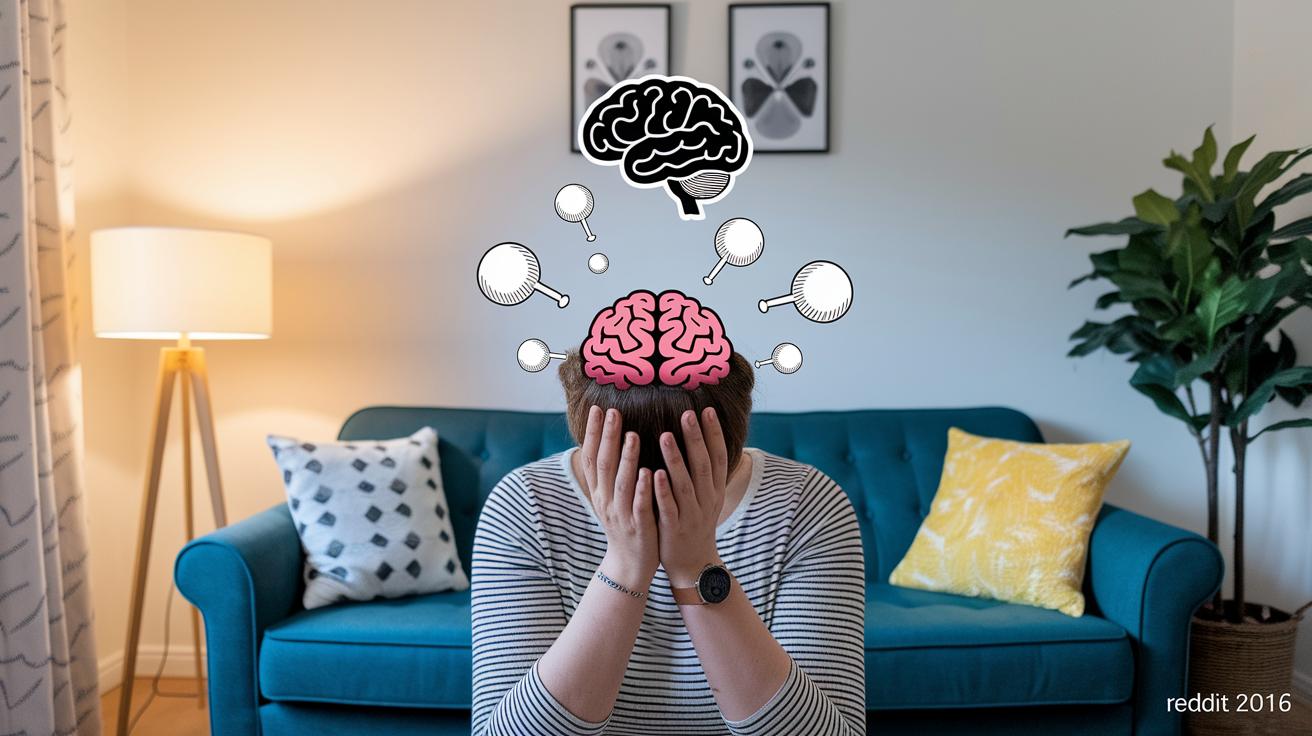
Emotional memory is how our brain connects past events with the feelings they bring. It sorts memories into two groups: those that work quietly in the background and those we actively recall. Think of it like a little diary in your brain, some pages flip on their own, while others you look at on purpose. This means that not every memory comes with a clear "I remember" moment, even though they all influence how we feel.
Psychological models see these stored moments as a kind of archive where feelings and thoughts mix together. In other words, our emotions and ideas weave a natural record that affects us every day. For example, a happy memory that surfaces without effort can light up your day, while a memory you recall deliberately might bring a mix of emotions. This shows that emotional memory isn’t just a simple record, it’s a dynamic exchange between past experiences and our current feelings. Every memory, whether it pops up automatically or is brought to mind on purpose, plays a part in shaping our mood and behavior.
Emotional Memory and Mental Health Conditions
Scientists have found that when mice receive a small shock, it creates a negative memory – think of these as red dots marking a rough moment. But here’s something surprising: when those same mice later experience something positive, like a tasty treat or a kind interaction, the sting of that bad memory fades a bit. In one study, just by sparking a happy memory, the mice felt much less hurt by what had happened before.
This research shows us that changing the way we remember things might help lower the symptoms of conditions like PTSD and depression. It’s a bit like turning down the volume on a loud, unsettling radio station and letting the soft, positive sounds come through. New treatments are being tested, including gentle magnets on the head (transcranial magnetic stimulation), careful brain stimulation, and even controlled use of substances like MDMA. Each of these ideas is being looked at for how they might help balance the way our minds react after hard times.
- Some scientists are looking at ways to make painful memories feel less intense over time.
- Other studies are exploring how small shocks can actually help fade the strength of bad memories.
- There’s also research into how bursts of activity might help reset our memories after a trauma.
If you or someone you know is looking for help with mood issues, helpful guidance and support can be found through resources like the post-birth mental health support page. Isn't it comforting to know that new ideas are making a real difference?
Therapeutic Techniques for Modulating Emotional Memory

Imagine if you could ease the pain of a tough memory simply by linking it to a calm, everyday sound. Researchers have found that gentle signals, like a soft chime or a warm glow, can be paired with soothing experiences to help lessen emotional hurt. One interesting study even showed that when a neutral sound was combined with happy images, it could take some of the weight off a distressing memory. Scientists are now using methods like optogenetics (a way to turn on specific memories with light) to explore how these signals might change the way our brains react to past events.
Our brain chemicals also play an important role in blending our feelings with our memories. Chemicals such as serotonin and dopamine help mix our mood with the way we remember things. When these chemicals work well together, they can ease intense feelings and help us recall more gentle, comforting moments. By focusing on the brain circuits that hold our emotional memories, these new strategies try to rewrite our responses, making old memories feel less painful and easier to handle.
- Conditioning techniques link calm cues with our emotions.
- Advanced methods let experts activate specific memory clusters with precision.
- Brain chemistry works to blend how we feel with what we remember, creating a more nurturing response.
Self-Assessment Tools for Emotional Memory Insights
Self-assessment tools can help you see how your memories and feelings connect. Think of them as simple quizzes that reveal hidden patterns in your everyday reactions. They show how emotions like joy, worry, or even a quiet sadness can come from special memories.
By writing down these moments, you begin to notice what might be triggering certain moods. For instance, a quick note about a happy memory could lift your spirits on a difficult day. And if you feel like you need a little extra support, check out resources for postpartum mental wellness. These tools offer a gentle way to reflect on your past and guide you toward a better understanding of yourself.
Future Directions in Emotional Memory Research

New advances in brain scanning are like turning on a high-definition light in a quiet room. Researchers can now see tiny details of how our memories are stored, much like how an old, fuzzy family photo suddenly gains crisp clarity. It’s amazing to think of our memory networks this way, as if we could zoom in to see every little part and learn more about how our minds work.
At the same time, scientists are starting to explore our personal feelings in a fresh, deeper way. They’re beginning to use these new methods to understand our unique emotional memories. Imagine having a special map that shows the ways you store happy, sad, or even thoughtful moments. This means we might soon have custom plans to help us manage our feelings based on how our brains are wired. It’s a heartwarming step toward understanding not just our memories, but also the emotions that shape our everyday lives.
Final Words
In the action, we explored how our brain forms emotional memory by linking feelings to events. We looked at brain circuits, self-assessment tools, and practical therapies that help ease emotional intensity. We also touched on future research that promises to shine light on these connections.
Each step of our guide was meant to bring you clear insights, supportive advice, and hope. Keep embracing your strength, emotional memory is just one part of the puzzle in nurturing well-being.
FAQ
What is the meaning of emotional memory?
The meaning of emotional memory is the way we link past experiences with feelings, helping us form lasting impressions that shape our moods and behavior.
What is an example of emotional memory?
An example of emotional memory is recalling the warmth of a favorite family hug, where the feeling connects you to a soothing memory from the past.
How does emotional memory apply in acting, like in Stanislavski’s approach?
Emotional memory in acting involves tapping into real feelings from past events to create sincere, believable performances, much like how Stanislavski encouraged actors to draw from their own lives.
Which brain parts are involved in emotional memory?
Emotional memory involves brain areas such as the hippocampus, limbic system, and prefrontal regions, which work together to encode, store, and later retrieve emotional experiences.
What is the difference between emotional memory and sense memory?
The difference is that emotional memory connects past events with feelings, while sense memory engages detailed sensory data like sights or sounds, each offering distinct ways to recall memories.
Is emotional memory implicit?
Emotional memory can be implicit, meaning it often influences our behavior without us being aware of it, as these memories form and act beneath our conscious thoughts.
How can one test for emotional memory?
Testing for emotional memory can be done through self-assessment tools or quizzes that help identify how past experiences trigger specific emotions and behavioral responses.