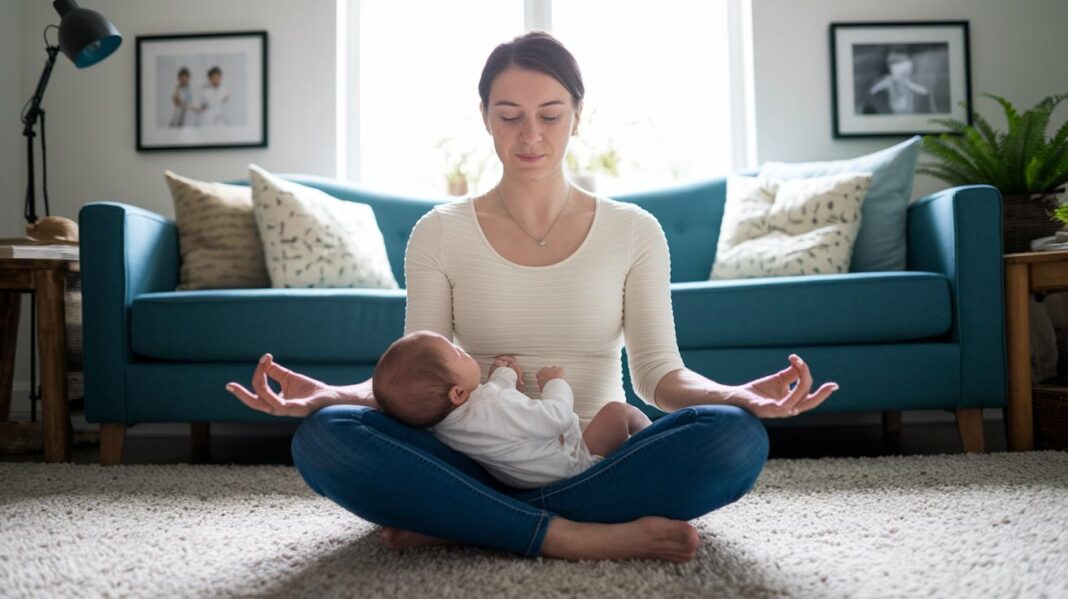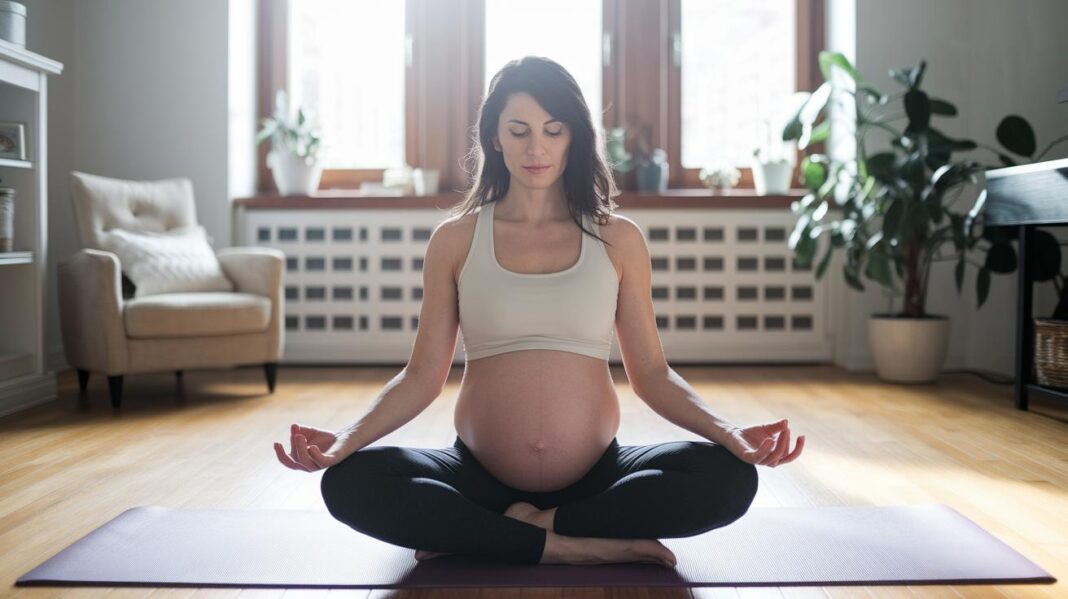
Ever thought about how a little stretch could brighten your day? Prenatal yoga (yoga during pregnancy) is a gentle way to build strength, keep your balance, and bring a sense of calm to both you and your little one.
This guide walks you through safe moves and deep breathing steps that help ease everyday discomforts and boost your confidence. Each pose gently changes with your body, making you feel radiant and cared for every step of the way.
Prenatal Yoga Foundations and Safety for Pregnant Women
Prenatal yoga is a gentle way to move and breathe that helps you feel connected to your body and your baby. It builds strength slowly, improves balance, and fits right in with your prenatal care routine by using deep breaths and smooth, controlled movements that change as your body does. Research tells us that when you adjust the poses properly, most moves stay safe even in the later stages of pregnancy.
This practice invites mindful movement and creates a calm space that helps boost stability while easing everyday discomforts. It gently reminds you to listen to your body’s signals and to adjust poses as needed, especially as your body produces more relaxin (a hormone that loosens the joints). In simple words, it’s all about keeping you and your little one safe and comfortable.
Here are some friendly tips to remember:
| Do | Don’t |
|---|---|
| Use props like chairs, bolsters, or walls for support | Do deep spinal twists |
| Keep your alignment stable rather than aiming for deep stretches | Do head-stands or full forward bends |
| Consult with your healthcare provider and a certified prenatal yoga instructor |
When you’re getting ready for a prenatal yoga class, look for sessions made just for pregnant women. Choose classes that openly share modified versions of common yoga poses so you know they are safe. Make sure your teacher is a certified prenatal fitness expert who understands how your body changes during pregnancy. And remember, if a move ever feels off or causes any discomfort, pause and adjust because your body is always telling you what it needs.
Benefits of Prenatal Yoga for Maternal Health

Prenatal yoga really helps you feel more calm and balanced while taking care of your overall well-being during pregnancy. It’s all about slow, mindful breathing and gentle stretches that can ease worry and lower stress. This mindful practice can even help you sleep better and feel mentally refreshed. Many moms find that it eases that common lower back ache, and it helps your body stay comfortable as it changes.
This gentle exercise also boosts blood flow, which might help you manage weight naturally and reduce swelling. Plus, the simple routine helps you connect with your baby, giving you a peaceful moment in the day, like a little pause for you and your bump. And there’s more: by strengthening your pelvic floor, you can find additional support during labor and even smooth out recovery afterward.
It’s a warm, nurturing practice that lifts your mood and gives you the energy you need during this special time. Have you ever noticed how a few mindful moments can brighten your whole day?
Trimester-Specific Prenatal Yoga Routines
Prenatal yoga is a gentle way to keep you and your baby safe and comfortable during your journey. Each trimester has its own focus so you can feel supported as your body changes and grows. The routines are designed to help you stay steady, stretch kindly, and relax with a mindful approach.
First Trimester Routine
In early pregnancy, try a simple 9-minute flow that respects your body’s natural shift. This routine skips intense twists and heavy moves. Instead, it offers stable movements, light stretches, and easy breathing to help you feel calm and balanced.
Second Trimester Routine
By the second trimester, many moms find a 29-minute session works wonderfully. This time focuses on strengthening your legs, opening your hips, and making space for your growing belly. It includes smooth, deep stretches that boost your core and keep you aligned, all while easing common aches and celebrating the new changes.
Third Trimester Routine
In the later stages, around week 28 and beyond, a 30-minute stress-relief flow can be just what you need. It includes gentle modifications like lying on your left side and using props for extra support. The slow, careful movements guide you to relax both your mind and body, helping you feel calm and ready as you near your due date.
Essential Prenatal Yoga Poses and Modifications
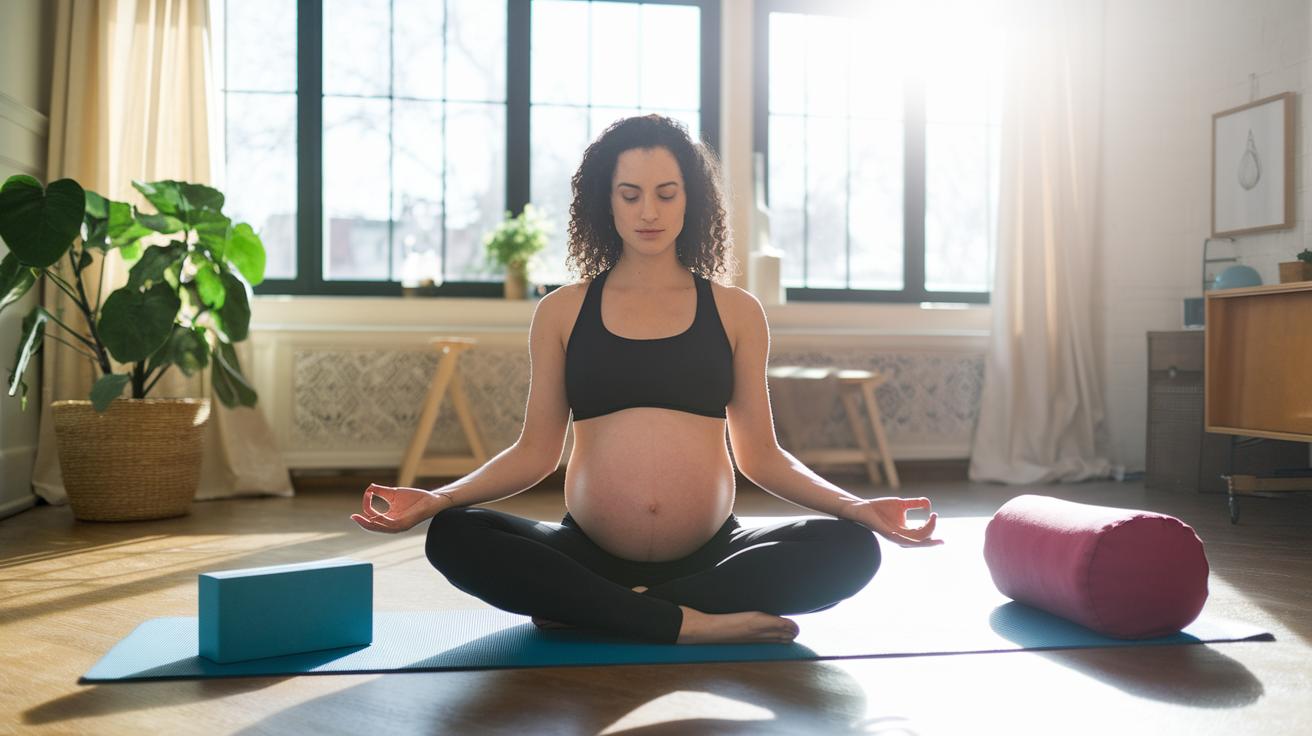
Prenatal yoga helps you connect gently with your changing body. As you move through these poses, you can feel safe and even a little radiant. We make small changes to each pose so you get a good stretch and build strength without feeling overwhelmed.
Take the Cat-Cow Pose, for example. Breathe slowly and let your movements flow softly. Then try Warrior I and II. Stand strong and use a block or lean on a wall if you need extra support. When you do the Wide-Leg Standing Forward Fold, bend your knees a bit and spread your feet wide for a comfy stretch.
In Goddess Pose, keep your knees soft and use a blanket or bolster for extra comfort. With Dynamic Yoga Squats, focus on moving slowly and evenly so your weight is balanced. For Tree Pose, feel free to use a chair or a wall to help steady your balance while you lift your foot gently.
If deep forward bends feel too much, try the Supine Bound Angle Pose by lying back on a cushion for support. And for a peaceful finish, rest in Left-Side Lying Savasana by sleeping on your left side with a pillow or bolster under your head.
Remember to watch your posture by keeping a long spine and a steady alignment as you move. Props like blocks, bolsters, blankets, or even a sturdy wall can offer extra help. And if any pose feels too intense, just take a break and adjust. Your body will tell you what feels best.
Breathing and Mindfulness in Prenatal Yoga Practice
Breath work is at the heart of prenatal yoga. Taking a few deep, slow breaths can calm your mind and ease your body, almost like a gentle hug for you and your baby. Try this simple routine: breathe in slowly for 4 counts, hold for 2 counts, then exhale for 4 counts. It helps steady your heartbeat and takes away a bit of that worry.
Mindfulness is another gentle guide in your yoga journey. Many classes include a short moment of meditation where you focus on a calm image or simply notice how your body feels. One mom shared, "I found a moment of peace just sitting quietly and noticing each sensation." These little pauses can lift your spirits and make you feel more linked with your little one. Have you ever felt that calm when you just let your thoughts drift?
After your yoga moves, a cool-down can bring you back to a relaxed state. You might lie on your left side with a soft pillow nearby while taking deep, patient breaths. It’s a lovely way to let your heart slow down and feel balanced, ready to take on the rest of your day.
Resources for Online and Free Prenatal Yoga Programs

At-home prenatal yoga lets you enjoy a gentle workout right in your living room. Many websites offer free sessions that last from 9 to 30 minutes, with flows designed for beginners and those with a bit more experience. You can have a safe and soothing practice on your own without the hustle of a busy studio. All you really need is a simple mat and comfy clothes. And if you’d like extra support as your body changes, adding a bolster, strap, or cushion can make a big difference.
Virtual group classes and interactive online programs are a fantastic way to connect, too. They let you get live guidance from experienced prenatal yoga teachers and chat with other moms on a similar journey. With plenty of video tutorials available, you can choose the sessions that work best for your schedule and skill level. It’s an easy way to weave a mindful and safe yoga routine into your everyday life.
Expert Tips for Effective Prenatal Yoga Practice
Before you start your yoga routine, have a quick chat with your healthcare provider and consider teaming up with a certified prenatal yoga instructor. They can show you safe ways to adjust your poses, especially if you have any special concerns like lower back pain. For example, if you feel discomfort in your lower back, your instructor might suggest a gentle tweak that feels right for you.
Begin with just a mat and some comfy clothes. As you feel more at ease, you can slowly add props like blocks, straps, or bolsters to help steady your poses. Always listen to your body, if something doesn’t feel safe, take a break and try a simpler move.
Final Words
In the action, our discussion covered prenatal yoga basics, safety tips with props, trimester-specific routines, mindful breathing, and accessible online resources. We broke down how to adapt poses and focus on stability throughout each phase.
We shared practical steps to support maternal health while keeping well-being at the forefront. Embrace regular prenatal yoga for pregnant women, and remember that each small adjustment can lead to enhanced comfort and strength.
FAQ
Prenatal yoga near me
When searching for prenatal yoga near me, you can use local directories or community centers to find classes taught by certified instructors offering safe, gentle routines tailored for expectant mothers.
Prenatal yoga for pregnant women on YouTube
When looking for prenatal yoga for pregnant women on YouTube, you’ll find free, beginner-friendly videos that guide you through safe poses and modifications suitable for each stage of pregnancy.
Free prenatal yoga for pregnant women
When you seek free prenatal yoga for pregnant women, online platforms offer no-cost classes and video tutorials that provide gentle exercises and safe routines to match your comfort level.
Best prenatal yoga for pregnant women
What defines the best prenatal yoga for pregnant women is a program that emphasizes safety, uses supportive props, and is designed by qualified instructors to help you feel calm, balanced, and strong.
Beginner prenatal yoga for pregnant women
When trying beginner prenatal yoga for pregnant women, look for classes that introduce basic poses and paced breathing exercises while offering clear guidance for safe practice during your pregnancy.
Prenatal yoga poses
Prenatal yoga poses focus on gentle movements and safe modifications, using props like cushions or chairs to support your balance and ease, making your practice both enjoyable and secure.
Yoga for pregnancy in the third trimester
What yoga for pregnancy in the third trimester looks like is a routine that offers stress-relief moves and uses props and left-side modifications to help maintain comfort and strength as delivery nears.
Pregnancy yoga for beginners
Pregnancy yoga for beginners introduces foundational poses and simple breathing techniques, giving you a welcoming way to ease into exercise with a focus on safety and relaxation.
When should I start prenatal yoga during pregnancy?
When you ask when to start prenatal yoga during pregnancy, many experts suggest beginning after the first trimester, following your doctor’s advice to build strength gradually.
Is prenatal yoga safe during pregnancy?
When considering if prenatal yoga is safe during pregnancy, it is safe when classes are guided by certified instructors who modify poses for your changing body, while you also follow your doctor’s recommendations.
What yoga poses should I avoid when pregnant?
When deciding what yoga poses to avoid when pregnant, be sure to skip deep twists, headstands, and full forward bends to keep your practice gentle and prevent any discomfort.
What type of yoga is best during pregnancy?
What type of yoga is best during pregnancy includes gentle, mindful routines designed specifically for prenatal care, focusing on stability and modified poses that meet your unique needs.