
Have you ever wondered if there's a gentle, simple way to check on your baby's health? Today, a small blood draw can give you all the insights that used to need a more invasive procedure. Researchers found this test is more than 99% accurate at spotting important conditions like Down syndrome. It’s a modern approach that gives you peace of mind while keeping both mom and baby safe.
In this post, we’re chatting about how non-invasive prenatal testing provides trusted, easy-to-understand information, without any extra risk.
Comprehensive Overview of Non-Invasive Prenatal Screening

NIPT is a simple screening test that looks at tiny pieces of baby DNA found in a mom’s blood. It can spot conditions like Down syndrome, trisomy 18, and trisomy 13. Did you know one study found NIPT to be over 99% accurate in detecting these trisomies? This early check gives parents helpful insights without any extra risk.
A mom’s blood carries small bits of fetal DNA, and this test uses new technology to measure those bits. It checks if there are any extra or missing chromosomes, which can mean a higher chance of a chromosomal condition. In plain terms, NIPT is a modern way to get a clearer picture compared to older methods.
This screening is very reliable, it catches nearly all cases when these concerns are present and rarely gives a false alarm. But keep in mind that NIPT is just a screening tool. If the test comes back positive, a follow-up test like amniocentesis or CVS is needed to get a definite answer.
Doctors now recommend offering NIPT to all pregnancies, not just those considered high-risk. With results usually available in 7 to 10 days, it gives families quick insights into their child’s genetic health, easing the worry during pregnancy.
Procedure and Timing for Non-Invasive Prenatal Test
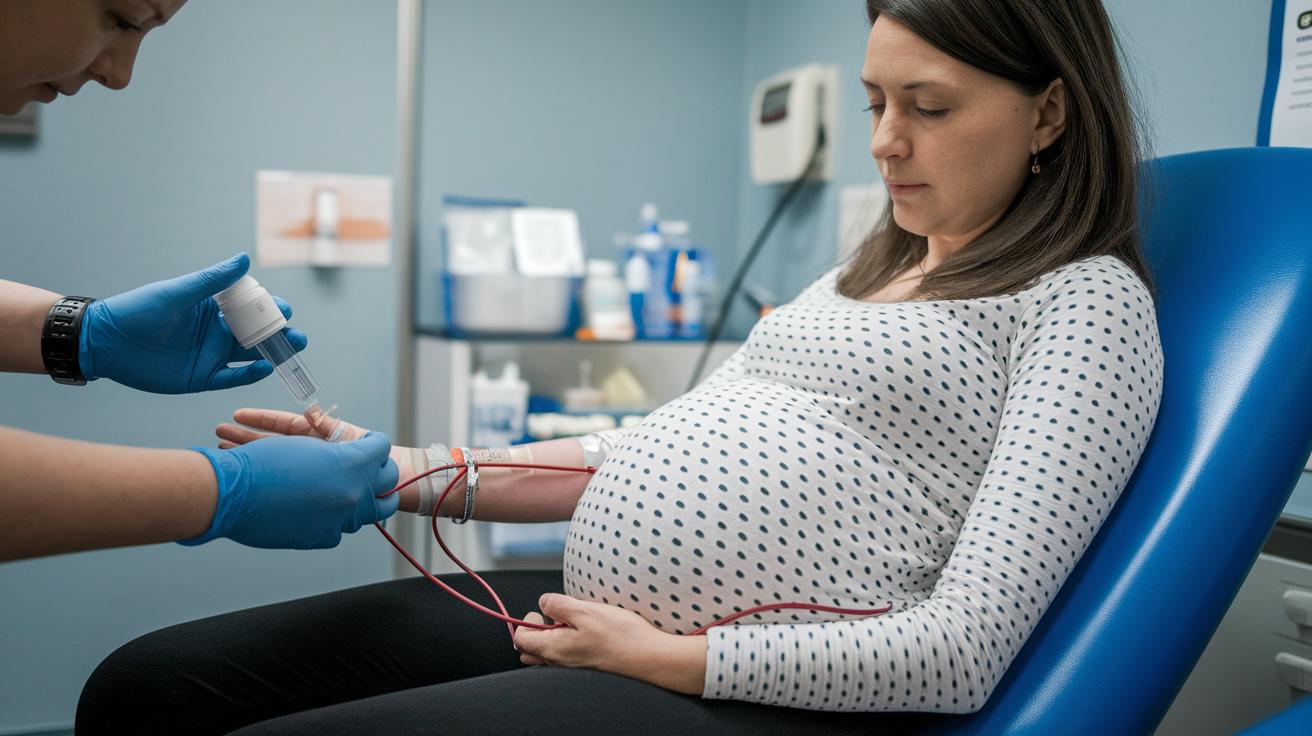
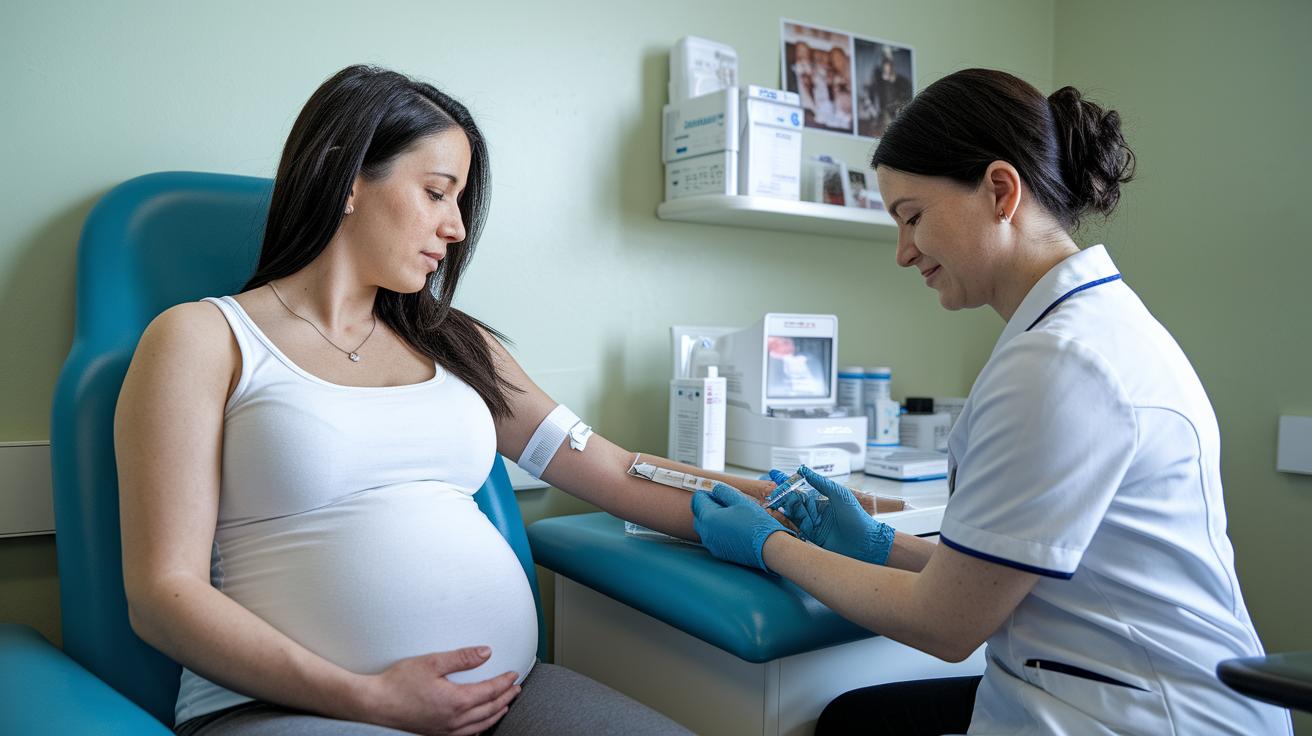
The test begins with a mom’s blood draw. It usually happens at or after 10 weeks of pregnancy because, by then, there’s enough fetal DNA (tiny pieces of the baby’s DNA) in the blood to get a clear picture. Labs need at least about 4% fetal DNA to check for any extra or missing chromosomes. Sometimes, about 1–4% of samples don’t have enough, and another blood draw might be needed.
Once the blood is taken, it goes to a certified lab. There, experts extract the cell-free DNA and carefully check it for any chromosomal differences that could indicate trisomies. Typically, the results take around 7–10 days to come back. The best part? This process is completely noninvasive, so there’s no risk of miscarriage.
| Step | Description |
|---|---|
| 1 | Schedule the blood draw at or after 10 weeks of pregnancy |
| 2 | Collect the mom’s venous blood sample |
| 3 | Send the sample to a certified lab |
| 4 | Extract and sequence the cell-free DNA |
| 5 | Analyze the data for chromosomal differences linked to trisomies |
| 6 | Share the results with the provider within 7–10 days |
Accuracy and Reliability of Non-Invasive Prenatal Test
Have you ever wondered just how trustworthy these tests can be? This non-invasive prenatal test is really impressive, it can spot conditions like trisomy 21, 18, and 13 with over 99% sensitivity. That means it rarely misses an issue. Its ability to correctly identify healthy cases is just as strong, with only about 0.1% of false positives for Down syndrome. In plain terms, if something seems off on this test, it almost always really is.
Sometimes though, the test might not give a clear result, about 1 to 4 out of every 100 tests come back with a "no-call." This usually happens because there isn’t enough fetal DNA in the blood sample. When you see a note like "low fetal fraction" on your report, it simply means there wasn’t enough DNA to analyze properly, so a second blood draw might be needed. Factors like a lower level of fetal DNA or higher maternal weight can slightly affect the test's accuracy.
And if the result comes back positive or unclear, doctors usually recommend following up with more detailed tests such as amniocentesis or chorionic villus sampling. These extra tests help to confirm the findings, giving families the clear, precise information they need about their baby's health.
Benefits and Limitations of Non-Invasive Prenatal Test
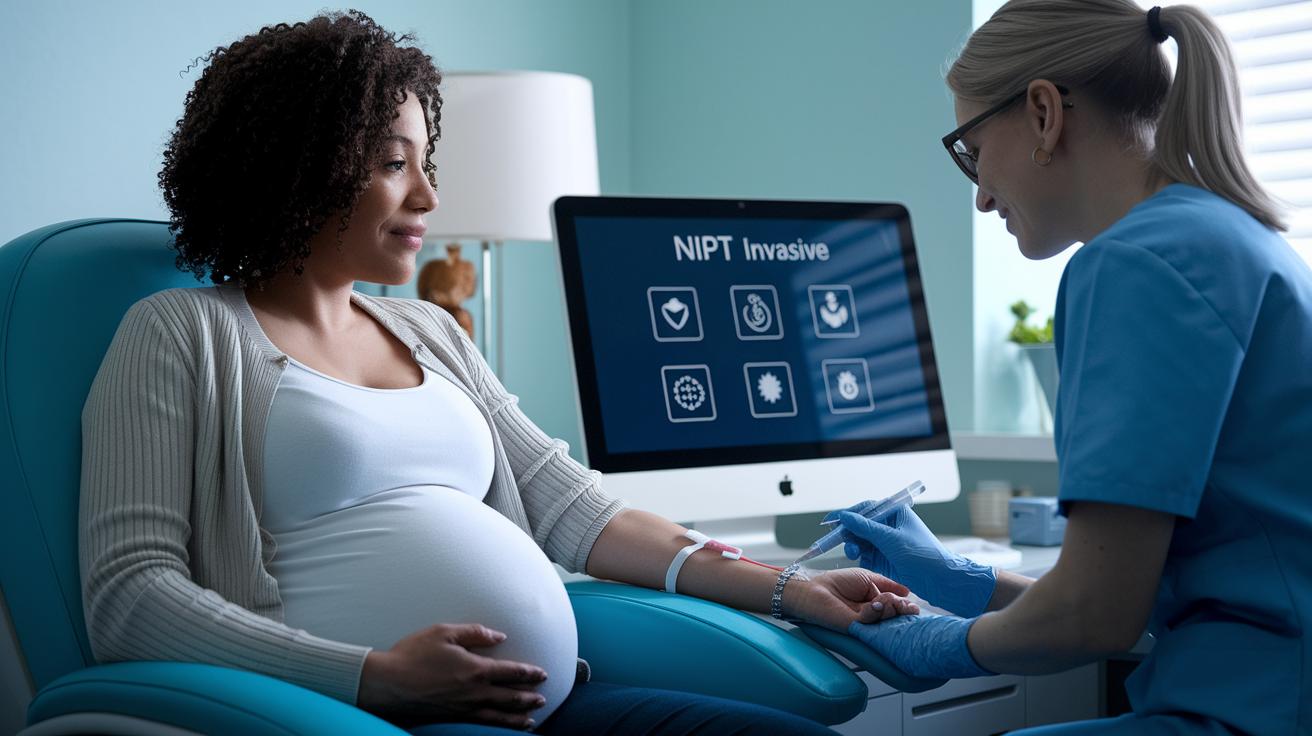
This screening is done with a simple blood sample that keeps you safe from any risks of procedure-related miscarriage and gives you your results quickly. I remember feeling relieved when my results were back fast, letting me prepare for what lay ahead. It does a great job of spotting common trisomies with impressive accuracy.
But it's important to know that this test won’t pick up everything. It might miss things like neural tube defects (issues with the spine or brain), rare chromosomal rearrangements, or mosaicism (when cells show different genetic patterns). If you get a positive screen, that usually means more detailed tests are needed. And even if the results come back negative, it doesn’t rule out every possibility, sometimes, additional tests might still be required if concerns come up.
Comparing Non-Invasive Prenatal Test with Invasive Diagnostic Methods
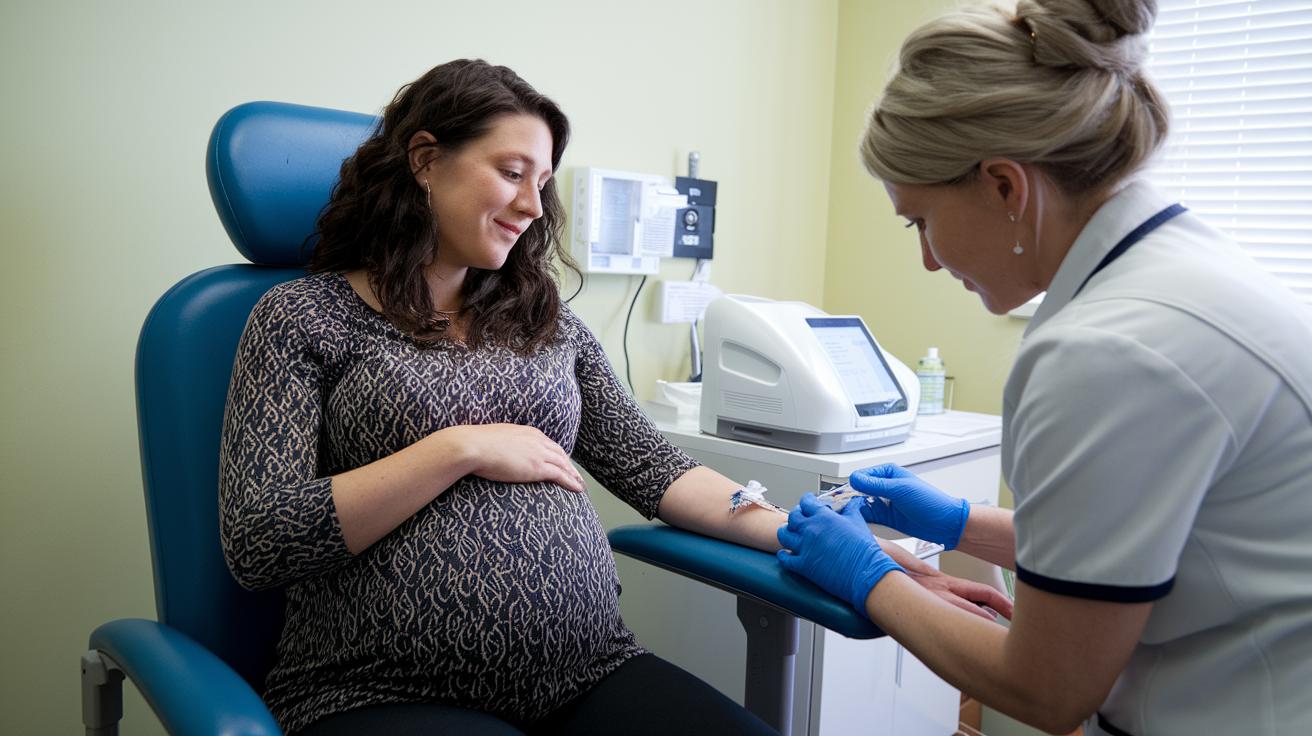
Non-invasive prenatal tests, or NIPT, are a quick and safe way to check for extra or missing chromosomes, like those that cause trisomy 21, 18, or 13. This test is very accurate, over 99 percent, and gives you an early look at your baby’s chromosomal health without any risk of miscarriage. It only needs a simple blood draw from the mom at about 10 weeks or later, and you can usually expect the results in about 7 to 10 days.
On the other hand, tests like chorionic villus sampling (CVS) and amniocentesis are used when you need a definite answer. These tests are almost 100 percent accurate but do come with a small risk. CVS is done between 10 and 13 weeks and involves taking a tiny sample of placental tissue. Amniocentesis happens around 15 to 20 weeks and uses a small sample of the amniotic fluid. Both procedures have a miscarriage risk of about 0.1–0.3 percent. Often, if a NIPT shows a positive or unclear result, one of these diagnostic tests will be recommended for confirmation, as they can also check for more genetic conditions.
| Test | Type | Gestational Age | Accuracy for Trisomy | Miscarriage Risk | Turnaround |
|---|---|---|---|---|---|
| NIPT | Screening | ≥ 10 weeks | > 99 percent | 0 percent | 7–10 days |
| CVS | Diagnostic | 10–13 weeks | ~100 percent | 0.1–0.3 percent | 7–14 days |
| Amniocentesis | Diagnostic | 15–20 weeks | ~100 percent | 0.1–0.3 percent | 10–14 days |
This table neatly lays out the differences. NIPT is a wonderful starting point because it has no risk and returns fast results. However, if the test shows something concerning, it’s important to follow up with a diagnostic test, even though these tests have a slight risk, to get complete and clear answers.
Non-Invasive Prenatal Test: Accurate & Safe Insights

When you first look at your test results, it can feel a bit overwhelming. But here’s the friendly scoop: if the test shows a low-risk result, it means there’s very little chance of the trisomies being tested. It’s good news, yet remember, a “normal” label doesn’t rule out every possible concern. Sometimes rare conditions might slip by even if the report says everything’s okay.
If you see a high-risk result, it’s a sign that more testing is needed. Your doctor might suggest extra tests like CVS or amniocentesis (a way to check your baby’s chromosomes with a small sample). And if you get a result marked “no-call” or learn that the fetal DNA amount is borderline, it simply means there wasn’t enough baby DNA in the sample. In those cases, another blood draw or another screening might be recommended.
Here are some common next steps:
- Low-risk result: Continue your usual prenatal care while keeping an eye on any changes.
- High-risk result: Plan for extra testing like CVS or amniocentesis to make sure.
- Borderline fetal fraction: Try a repeat blood sample or consider a different screening option.
- Inconclusive outcomes: Look into more detailed tests or follow-up.
- All abnormal findings: Arrange genetic counseling to understand what they mean.
- Any uncertainty: Chat thoroughly with your healthcare provider about your next steps.
Genetic counseling can really make a difference. It helps break down the details, explains what the screening can and can’t tell you, and guides you through any follow-up tests. Sometimes, talking it out can ease a lot of the worry and confusion.
Ethical and Counseling Considerations for Non-Invasive Prenatal Test

Experts say that before you take the non-invasive prenatal test, you should get clear, simple information and give your consent. This means your provider explains the good points, limits, and possible outcomes using everyday language. Imagine a mom listening carefully as her provider explains that the test might reveal extra or missing chromosomes, which could lead to more testing if needed.
Talking with your provider before the test helps set the right expectations. The test is safe and free of risk, but it only checks for some conditions. And after the test, a genetic counselor will explain what your results mean and discuss any next steps. For example, they might say, "Even if your test result looks low risk, there could be other family history details we should consider."
There are also important questions about unexpected findings and sharing information about the baby's sex. National guidelines suggest a balanced approach that honors your choices while giving you all the information you need. In these caring conversations, both you and your provider work together to make decisions that feel right for your prenatal care.
Frequently Asked Questions on Non-Invasive Prenatal Test
-
What conditions does the test screen for?
This test looks for common chromosomal problems like trisomy 21 (commonly known as Down syndrome), trisomy 18, and trisomy 13. -
Is the test safe for mom and baby?
Yes, it is very safe since it only needs a small blood sample from mom, so there’s no risk to either of you. -
When should the test be done and how soon are results ready?
The test is recommended after 10 weeks of pregnancy, and you can expect to receive your results in about 7 to 10 days. Imagine, after a simple blood draw, you could have answers within a week! -
What should be done if a high-risk result is obtained?
If your test shows a high risk, your doctor may suggest a follow-up test that is a bit more detailed to confirm the results. -
Can the baby’s sex be determined?
Yes, after 10 weeks, the test can accurately tell you your baby’s sex, with over 98% accuracy. -
What if there is low fetal DNA in the sample?
Sometimes, if there isn’t enough baby DNA in the blood sample, a repeat blood draw may be needed to get clear, reliable results.
Final Words
In the action of explaining non-invasive prenatal test options, we covered how this simple blood draw screens for trisomies with high accuracy. We walked through detailed steps, clarified what the results mean, and discussed ethical points along with follow-up choices.
This article serves as a friendly guide to help you feel more reassured about maternal and baby care, providing clear insights and practical steps along the way. Every piece of information is intended to support you and bring extra confidence to your day.
FAQ
What is the cost of non-invasive prenatal testing?
The cost of non-invasive prenatal testing usually includes fees for the blood draw, lab processing, and consultation. Rates differ by location, laboratory, and insurance, so check with your provider for pricing details.
How can I find non-invasive prenatal testing near me?
Finding non-invasive prenatal testing near you involves locating a local clinic or hospital that offers cell-free DNA screening. Contact your healthcare provider or search online for nearby facilities.
How is non-invasive prenatal testing used for determining fetal gender?
The non-invasive prenatal test detects the fetal gender by analyzing cell-free fetal DNA in the mother’s blood, often achieving over 98 percent accuracy after 10 weeks’ gestation.
At how many weeks should non-invasive prenatal testing be performed?
Non-invasive prenatal testing is typically done at or after 10 weeks of gestation when there is enough fetal DNA in the mother’s blood for accurate screening.
What does a normal range result mean on a non-invasive prenatal test?
A normal range result indicates a low likelihood of trisomy 21, trisomy 18, and trisomy 13. It is a reassuring finding, though it does not rule out all possible genetic conditions.
How is a non-invasive prenatal test conducted?
The test is conducted by drawing a maternal blood sample, sending it to a certified laboratory, extracting the cell-free fetal DNA, and analyzing the chromosomal data for common trisomies.
What does a typical non-invasive prenatal test result look like?
A typical test result might state a “low risk” for trisomy disorders or flag a “high risk,” which would then require follow-up diagnostic testing to confirm the findings.
When should I schedule a non-invasive prenatal test?
It’s best to schedule the test at or after 10 weeks of gestation so there is enough fetal DNA for reliable and accurate screening.
What conditions does non-invasive prenatal testing screen for?
The test screens for common chromosomal conditions, including trisomy 21, trisomy 18, and trisomy 13, by examining fetal DNA present in the mother’s blood.
What should I do if my non-invasive prenatal test result is positive?
If your test result is positive, it suggests a higher risk of a chromosomal abnormality. Diagnostic procedures like amniocentesis or CVS are then recommended to confirm the result.
How accurate is the non-invasive prenatal test for determining fetal gender?
The test is highly accurate for fetal gender determination, with accuracy typically exceeding 98 percent when performed after 10 weeks of gestation.
How many weeks pregnant should I be to undergo non-invasive prenatal testing?
You should be at least 10 weeks pregnant when undergoing the test, as this is when enough fetal DNA is present in your blood to give an accurate screening result.