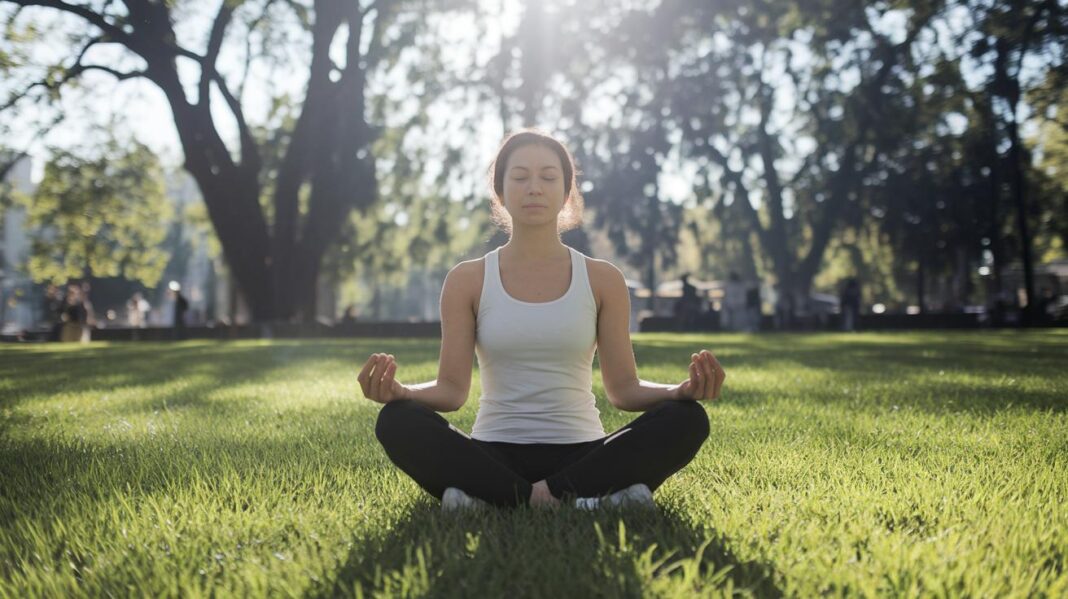
Have you ever thought about how your body and mind might chat with each other when things get hectic? It turns out that a deep, steady breath can help slow down those busy thoughts and melt away everyday tension. Our feelings and inner thoughts actually speak a secret language that, when we tune in, can lift our overall mood and sense of calm.
In this piece, we’ll chat about simple, mindful tips that can gently balance both your body and mind. Next time you feel overwhelmed, try pausing for a deep breath, you might be surprised by how much brighter your day can feel.
Defining the Mind-Body Connection for Mental Wellness

Our mind and body are always talking to each other, and science shows that this connection works both ways. When you’re feeling stressed or worried, your body might start beating fast or even get a bit sweaty. It’s kind of like those fluttery butterflies you feel before a big event, your body reacts to what’s going on in your mind.
Every day, your body and mind work together in quiet, gentle ways. Even taking a slow, deep breath can send a message of calm from your body to your brain. In one study, people who practiced controlled breathing saw a big drop in stress hormones in just a few minutes. Isn’t it amazing how something so simple can help you feel more at ease?
| Benefit |
|---|
| Less stress and a lower chance of long-term health issues |
| Better sleep by calming your mind before bed |
| More emotional balance that helps reduce anxiety and mood swings |
| A stronger immune system by keeping stress in check |
| Increased energy and clearer thinking for your daily tasks |
When you care for your mind with little, mindful moments like deep breaths and relaxation, your body feels the love, too. It all builds a gentle cycle of balance that keeps you strong and ready for whatever the day brings.
Breathwork and Meditation Techniques to Strengthen Mind-Body Connection

Breathwork and meditation help you feel balanced and cared for inside and out. They calm your nerves, boost energy with each good, oxygen-rich breath, and make you more aware of your inner self. Have you ever paused, taken one deep, slow breath when everything felt too much, and suddenly felt a wave of calm? It’s like hitting a reset button.
Here’s a simple 4-step breathing exercise to try:
- Breathe in slowly through your nose for 4 seconds, feeling your lungs fill up.
- Hold that breath gently for 4 seconds so you can feel the fullness.
- Slowly breathe out through your mouth for 4 seconds, letting go of any tension.
- Rest for 4 seconds before starting again, letting a quiet feeling settle in.
Here are 5 fun meditation ideas you might enjoy:
- Eating mindfully: Really notice the taste and texture of each bite.
- Gratitude journaling: Jot down three little things you’re thankful for every day.
- Body scan meditation: Tune in from your head down to your toes, noticing how each part feels.
- Guided imagery: Picture a peaceful place, like a quiet lake at sunrise, and lose yourself in its calm.
- Focused attention: Pick a simple object or sound and let it be the focus of your mind.
Adding these breath and meditation practices to your daily routine can help you pause, recharge, and find calm even on busy days. Give them a try and see how they work with your own rhythm, sometimes a few mindful moments are all it takes to clear your head and ease your day.
Relaxation Exercises and Resilience Training for Psychosomatic Balance

Combining physical relaxation exercises with emotional resilience training can really boost your overall well-being. Research shows that gentle practices like progressive muscle relaxation (where you tense and then relax different muscles) and guided meditation help ease body tension and calm your mind during stressful moments. It’s like giving your body and mind a warm, nurturing hug.
When you try activities such as yoga or tai chi, you not only stretch and strengthen your body but also spark the release of feel-good endorphins that can reduce anxiety. These physical exercises blend perfectly with resilience training to keep your balance steady and your spirit uplifted.
| Exercise | Physical Action | Mental Benefit |
|---|---|---|
| Progressive Muscle Relaxation | Tense and relax different muscle groups | Reduces tension and promotes calmness |
| Guided Meditation | Sit quietly following a calming narrative | Improves focus and clears the mind |
| Yoga Flow | Fluid stretches and controlled breathing | Enhances flexibility and uplifts mood |
| Tai Chi | Slow, deliberate movements emphasizing balance | Offers stress relief and steady mind focus |
| Resilience Drills | Balance and stability exercises | Builds mental strength and adaptive coping |
Mixing both physical relaxation and emotional resilience techniques can be a simple yet meaningful way to care for yourself. Some days, you might feel more energetic and try a yoga session or tai chi to boost your mood. Other days, you may lean towards calming practices like PMR or guided meditation to ease stress. Over time, these practices work together to create a steady foundation that helps you handle everyday challenges with a bright and balanced spirit.
Integrative Healing Models in Mind-Body Connection and Mental Wellness

Lately, new ideas like embodied cognition (understanding that our thoughts and feelings work through our whole body) and the biopsychosocial model (which looks at our mind, body, and social world together) have really changed how we think about mind-body care. They remind us that our thoughts, emotions, and physical sensations are all connected. And then there's polyvagal theory, which shows how the vagus nerve links our feelings to our physical reactions. It all supports a way of caring that treats mental health as part of who we are, not something separate.
Think about practices like yoga and tai chi. They bring together deep breathing, smooth movements, and a mindful focus to create one flowing experience. It’s a bit like tuning a musical instrument, each gentle, focused movement helps your body settle into calm and balance, easing up tension and anxiety.
Researchers are finding that these integrative healing methods can really help cut down on stress and boost everyday well-being. Studies suggest that balancing your energy flow through these practices can reduce some of the physical signs of stress while making your emotions feel more steady. Many people share that when they blend mindful movement with simple awareness, life becomes a bit more vibrant, your body and mind work together, making each day feel a little brighter and more balanced.
Daily Wellness Routines for Mind-Body Balance and Stress Adaptation

Taking care of yourself doesn't have to be a big, complicated thing. Even small, daily habits can brighten your day and help you feel more balanced. Imagine taking just a few minutes for some deep, calming breaths or a gentle walk around the block. These little steps can lift your mood and give you a burst of energy, helping your mind and body work better together.
Here are a few ideas you might try:
- Take a 5-minute break for some slow breathing. Close your eyes and picture gentle waves as you breathe in and out.
- Start your morning by writing down one thing you’re grateful for.
- Enjoy a quick stretch around midday to let go of any tension and feel more lively.
- Go for a mindful walk in your neighborhood, taking in the colors, sounds, and smells around you.
- Spend a few quiet minutes with a mini meditation to clear your head and refocus.
- Chat with a friend or neighbor during a community event to feel more connected.
Making these little routines a part of your day can really add up over time. Each simple habit, whether it's a morning note of thanks or a gentle evening reflection, serves as a kind reminder to take care of yourself. Before you know it, these easy steps become a natural rhythm, helping you handle stress and enjoy life more fully.
Tracking Progress: Neuro-Fitness, Biofeedback, and Future Trends in Mind-Body Practices

Our tech today is pretty amazing, letting us watch over our whole body-mind health like never before. With neuro-fitness routines and biofeedback tools, you can track things like heart rate changes and stress markers as they happen. Imagine a small chime signaling a smooth, calm breath, it's like your body giving you a thumbs-up that you’re on the right track.
The science is moving fast too. Researchers are learning more about how our brains can change over time and what our genes might tell us about our unique needs. Soon, we might get advice that’s made just for you, mixing tech insights with everyday care tips. It’s exciting to think that daily mindfulness could soon be as simple as following your phone’s gentle prompts to relax and stay strong.
Final Words
In the action, we explored how simple breathing techniques, mindful movement, and daily routines build a strong mind-body connection and support mental wellness. We looked at evidence-based methods that release stress and boost energy. Each section shared practical ways to care for both physical and emotional needs, from conscious meditation to everyday mindful practices. Every tip offers a gentle reminder that caring for our body and mind is a continuous, comforting path. Keep embracing these practices with hope for a brighter, balanced day ahead.
FAQ
What does mind-body connection psychology mean?
The mind-body connection psychology refers to the study of how mental states, like stress and calm, influence physical reactions and overall health through hormonally driven processes.
What are body-mind connection exercises?
Body-mind connection exercises are physical and mindful activities, such as gentle stretches and meditation, that help align thoughts with body sensations to reduce stress and promote relaxation.
What are some examples of a mind-body connection?
Examples include mindful breathing techniques, gentle yoga, meditation practices, and even simple gratitude journaling, all of which show how mental focus can change physical responses.
What does mind-body connection research involve?
Mind-body connection research involves scientific studies examining the link between emotional states and physical responses, investigating how techniques like meditation can lower stress hormones and improve health.
How does the mind-body connection impact anxiety?
The mind-body connection impacts anxiety by linking worry and stress to physical changes like a racing heart and tension, indicating that calming the mind can lead to physical relaxation.
What is mind-body connection therapy?
Mind-body connection therapy is a treatment approach that uses practices such as guided imagery, meditation, and relaxation techniques to help improve emotional balance and reduce physical stress symptoms.
What is a Mind-body connection PDF?
A Mind-body connection PDF typically serves as a digital guide offering information, step-by-step exercises, and tips to strengthen the link between mental well-being and physical health.
What is a Mind-Body connection worksheet?
A Mind-Body connection worksheet is a practical tool provided in print or digital form that helps track and reflect on daily emotional and physical signals, promoting better self-awareness and wellness.