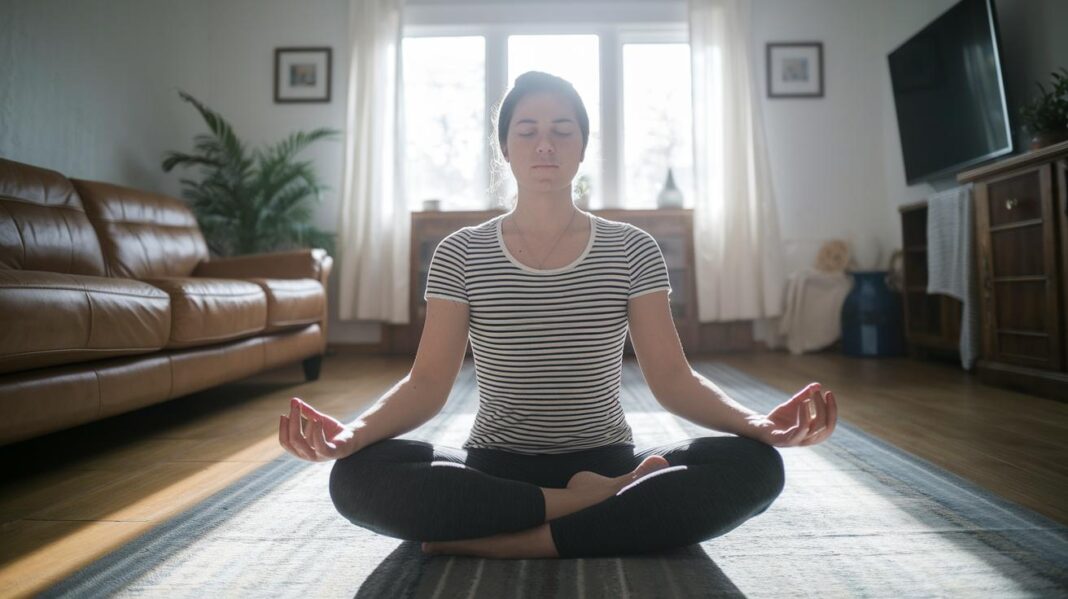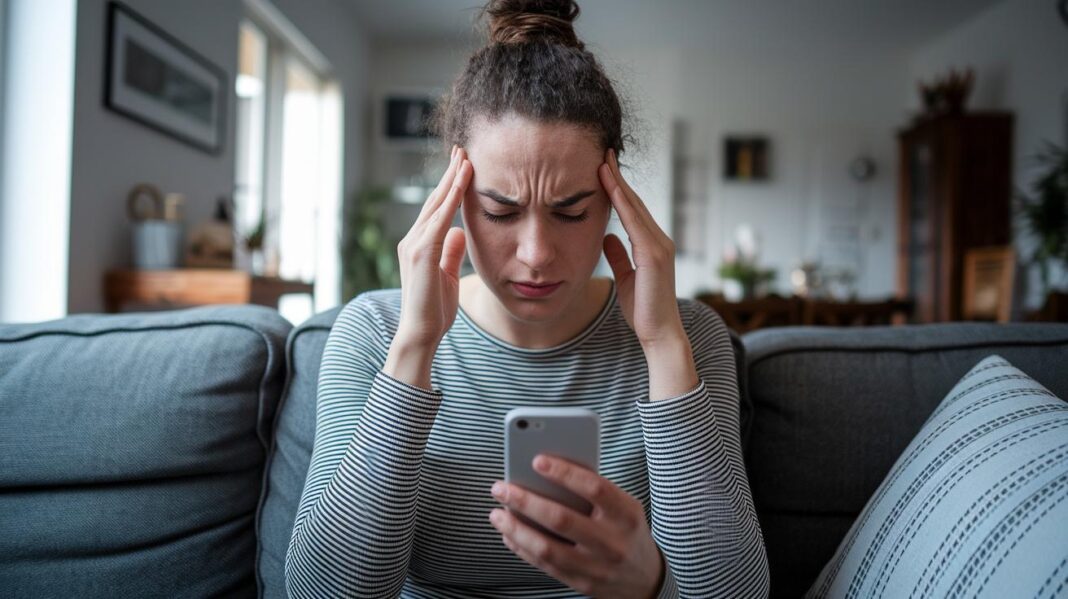
Have you ever thought that a few gentle taps on your skin might help calm overwhelming anxiety? Many moms say a simple tapping routine can ease stress when emotions feel like too much. Tapping for anxiety is a hands-on method that brings a bit of peace back into your day. It works by gently tapping on certain points on your body while you repeat calming words. Today, I'll share how tapping works and simple steps you can try the next time you need a soothing moment.
How Tapping for Anxiety Works: A Clear Overview

EFT tapping, also known as Emotional Freedom Techniques, is a gentle self-help method developed by Gary Craig in the '90s. It mixes old Chinese ideas about energy moving through channels in our body (we call these channels meridians) with a modern twist on working with our feelings. You tap your fingertips on certain spots while you speak kind, calming phrases to yourself. Have you ever noticed that just a few minutes of focused tapping can help break a cycle of stress?
This method focuses on nine key spots on your body. These include the side of your hand (sometimes known as the Karate Chop point), the start of your eyebrow, the side of your eye, the area under your eye, right under your nose, your chin, the collarbone area, the side of your body under your arm, and the top of your head. Tapping lightly on each of these points about 5–7 times can ease tension and calm your nerves. It’s a simple, rhythmic way to help shift your focus from anxiety to feeling more at ease.
A full tapping session usually lasts about five minutes. First, you identify the anxious feeling you want to work on. Then, you say a setup phrase like “Even though I feel anxious, I deeply and completely accept myself.” As you tap on each spot, you repeat gentle reminder phrases that keep you centered. This easy, do-it-yourself practice is perfect for bringing you inner calm wherever you go.
Step-by-Step EFT Tapping Protocol to Ease Anxiety
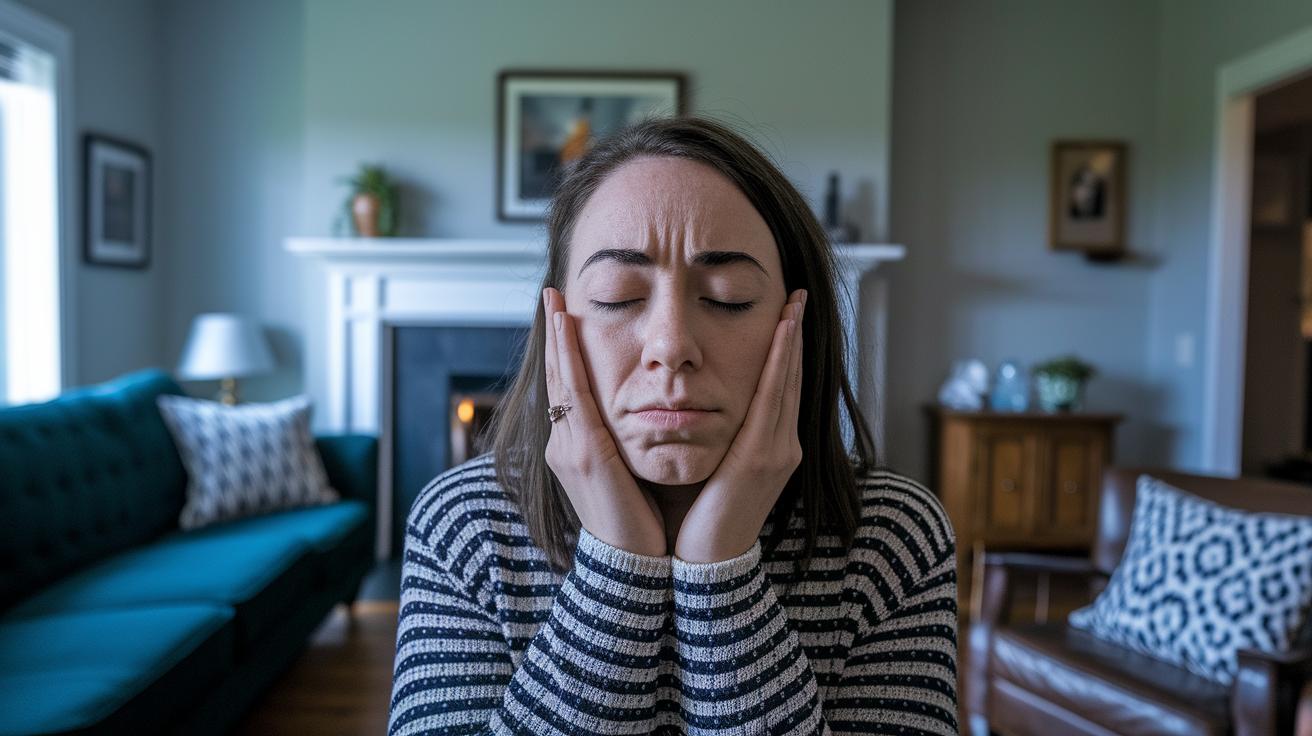
Here’s a simple guide you can follow when you need to ease anxiety quickly. Think of this as your quick reference to see how the 90-second EFT drill fits into your overall tapping routine and to remind you of each step.
| Step | What to Do | Why It Helps |
|---|---|---|
| 1 | Notice the anxiety | Pinpoint exactly how you feel |
| 2 | Say a setup phrase like “Even though I feel anxious about X…” | Accept and acknowledge your emotion |
| 3 | Tap on each of the nine acupressure points while repeating a short phrase | Help release built-up stress |
| 4 | Tap 5–7 times on each spot | Encourage a shift in mood |
| 5 | Rate your anxiety on a scale from 0 to 10 and repeat if needed | Check if you’re feeling better |
When you finish these steps, take a moment to rate your anxiety and feel the change. The 90-second drill works as a quick fix that brings a refreshing, brisk rhythm to your day. If you have time, you might enjoy a deeper, five-minute session. And if your anxiety still feels high, try doing the process again until you notice a calming difference.
Tapping for Anxiety Sparks Inner Calm
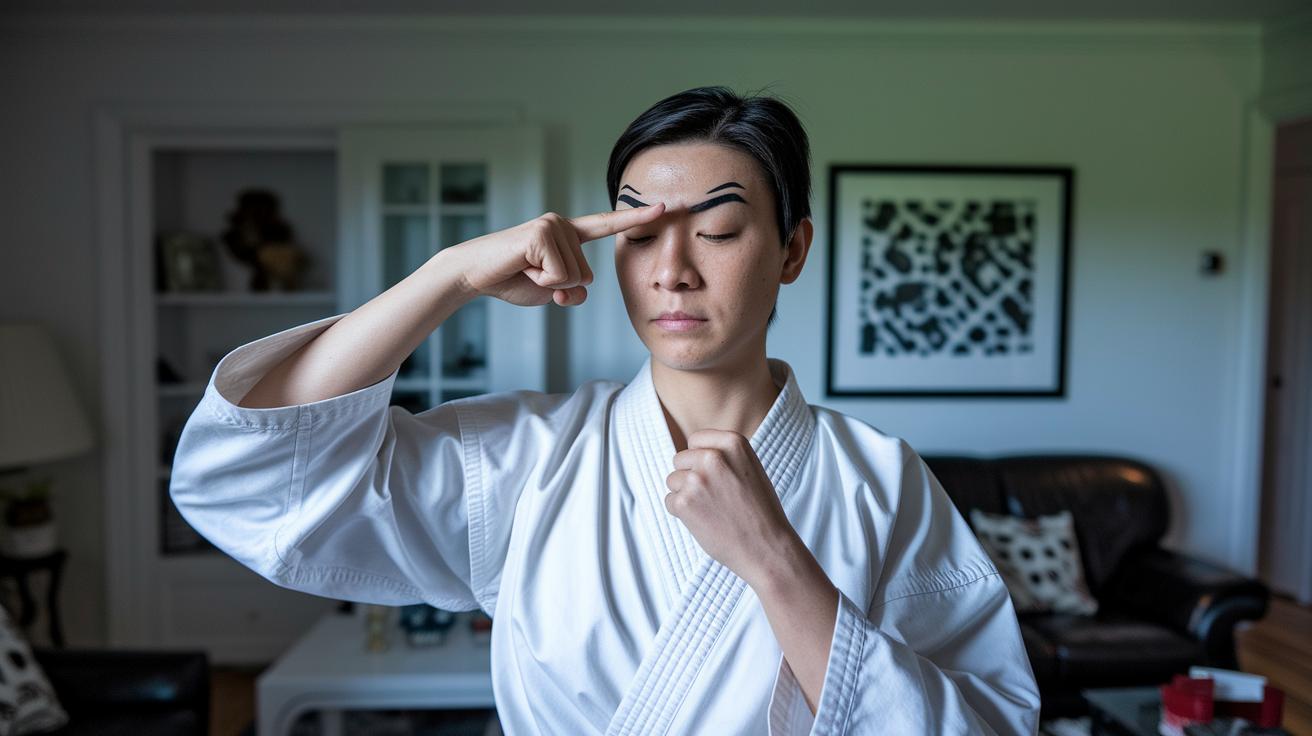
Here’s a gentle guide to nine acupressure points you can tap on when stress starts to build. Each spot has its own little magic, helping to switch your mind from worry to a peaceful calm. For a full calming effect, tap each point 5–7 times in a complete cycle.
| Point | Location | Main Benefit |
|---|---|---|
| Karate Chop | Side of your hand | Helps you face your feelings |
| Eyebrow | Beginning of the eyebrow | Soothes head tension |
| Side of Eye | Outer edge of the eye | Eases stress and fear |
| Under Eye | Just beneath the eye | Helps with worry |
| Under Nose | Below your nose | Lessens self-judgment |
| Chin | Area between your lower lip and chin | Calms emotional overwhelm |
| Collarbone | Just below the collarbone | Releases body tension |
| Under Arm | About 4 inches below the armpit | Reduces nervous energy |
| Top of Head | Crown of your head | Balances your overall energy |
For instance, did you know that even a short tapping session can ease tension and make you feel calmer? It might be just what you need on a busy day.
Scientific Research and Evidence Supporting Tapping for Anxiety
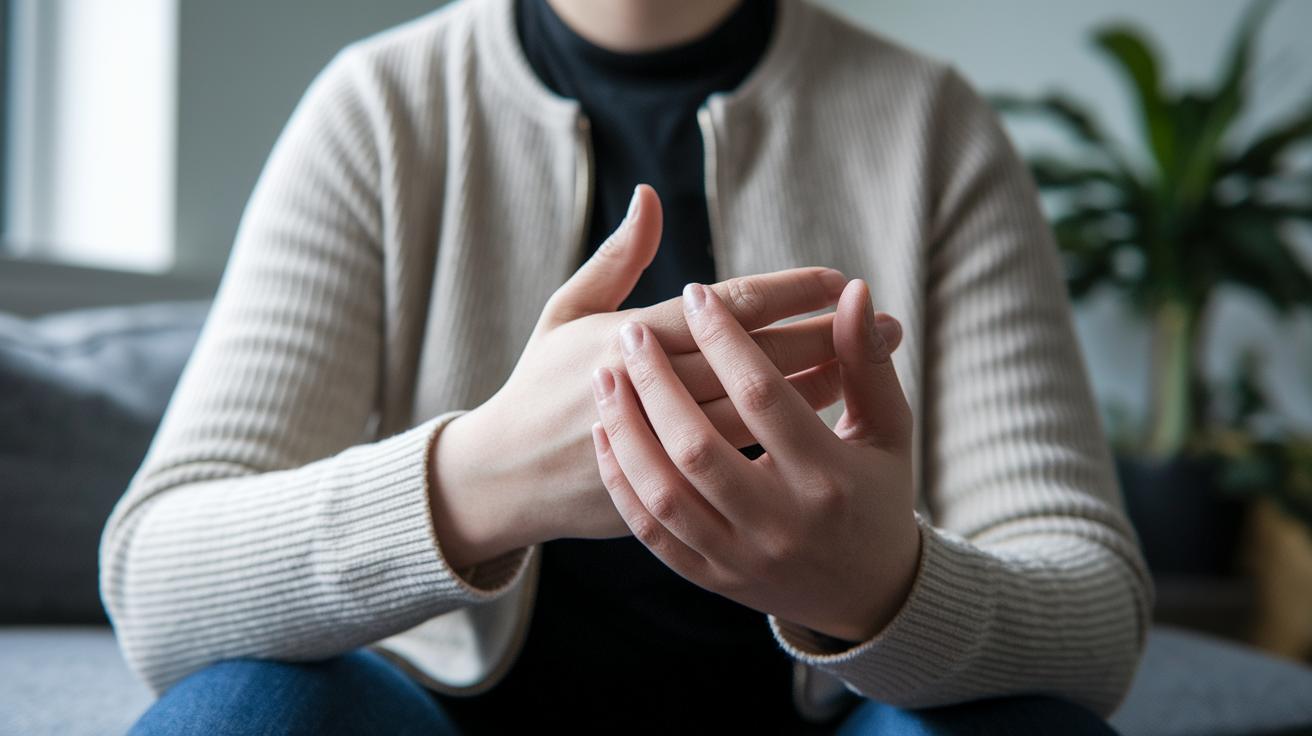
Many studies and personal stories show that EFT tapping can help ease feelings of anxiety, depression, and even symptoms of PTSD. Research from March 9, 2025 noticed that tapping helps lower stress hormones (like cortisol), leaving folks feeling calmer soon after a session. It’s comforting to know that this gentle trend in energy psychology is supported by solid evidence.
Many healthcare providers now see tapping as a great extra tool alongside more traditional treatments. They say that when you mix EFT with standard care, it often leads to longer-lasting stress relief and better overall mental health. Lots of personal experiences back up that tapping is a simple, self-help way to manage everyday anxiety. For more ideas on mental wellness, check out strategies for mental wellness.
Incorporating Tapping for Anxiety into Your Daily Routine

Adding tapping into your day can be a gentle way to find some inner calm. Imagine taking just a few minutes during your day to help steady your thoughts. When you blend in tapping with everyday actions, you turn simple moments into little breaks that refresh your energy and ease away stress.
Mornings can be a great time for a quick 90-second tapping routine. As you wake up, try using your fingertips on those well-known acupressure points, maybe even pairing the taps with some slow, deep breaths. And hey, have you ever noticed how a tiny act like this can help set a happy tone for your day?
Later in the day, around lunch, take a short break to check in with yourself. A brief tapping session after eating can clear away any lingering stress, leaving you feeling more centered as you go about your afternoon.
When evening comes, create a simple routine to unwind. Try pairing tapping with a guided relaxation or a short calming script. This little ritual can help quiet your mind and prepare your body for a peaceful sleep, mixing practical self-help with a warm, mindful approach.
Safety Guidelines and Professional Resources for Tapping for Anxiety
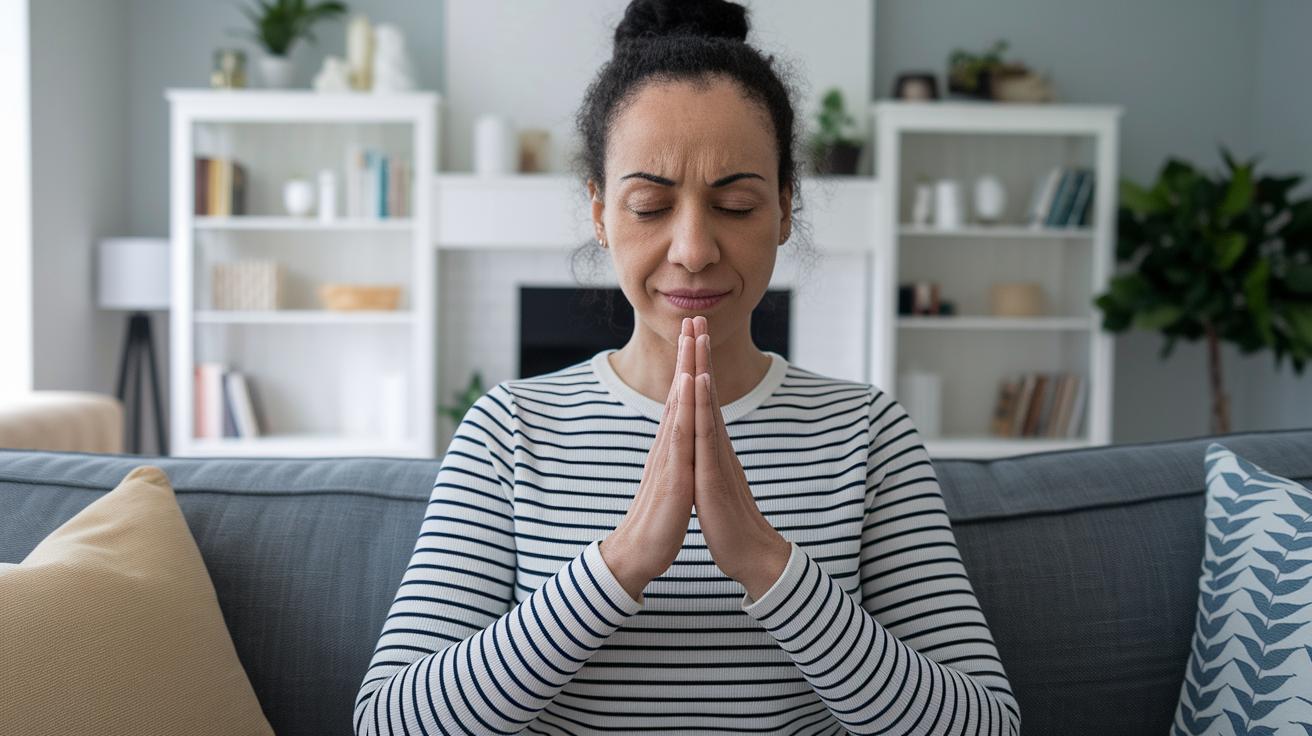
EFT tapping is a gentle self-help method that many people use to ease day-to-day stress. If you’re dealing with strong emotions, deep-rooted trauma, PTSD, or other tough mental challenges, it might be a good idea to work with a certified EFT expert or a licensed mental health professional. This technique works best when you feel safe and cared for, so chatting with a trained specialist can help you adjust the tapping process to fit your own needs.
For help that’s just right for you, reach out to your local health center or a trusted mental health provider and ask for suggestions about professionals who know EFT tapping well. Combining tapping with regular therapy or any prescribed treatments can lead to better results, making sure you feel supported as you add tapping into a wider, balanced therapy plan.
Final Words
In the action of exploring EFT, we broke down how a simple tapping routine can ease everyday tension. We discussed its origins, the tapping points that offer relief, and even shared a clear five-step guide to help manage those anxious moments. The science behind these techniques, along with practical daily tips, shows that gentle self-care can really make a difference. Techniques like tapping for anxiety bring a sense of calm, empowering you to approach each day with renewed confidence and well-being.
FAQ
Tapping for anxiety youtube
Searching for tapping for anxiety on YouTube reveals helpful videos that explain EFT methods, showing basic tapping steps and demonstrations. These videos often offer clear guidance to calm anxious moments.
Tapping for anxiety book
Looking up a tapping for anxiety book uncovers publications that detail EFT techniques, personal stories, and step-by-step instructions. These resources provide practical advice for managing anxiety through gentle acupressure.
Tapping for anxiety and panic attacks
Asking about tapping for anxiety and panic attacks means exploring how EFT can ease sudden panic. The method uses gentle fingertip tapping on key points to reduce both anxious feelings and panic symptoms.
EFT tapping for anxiety
Inquiring about EFT tapping for anxiety explains a self-help method blending acupressure with reminder phrases. This process targets specific pressure points to help soothe anxious thoughts and support calm breathing.
Tapping for anxiety PDF
Looking for a tapping for anxiety PDF often leads to printable guides. These documents clearly outline the EFT steps, detail key acupressure points, and provide simple reminders for quick, calming routines.
Tapping for anxiety Reddit
Asking about tapping for anxiety on Reddit shows a community sharing personal experiences and tips. Users discuss EFT techniques and offer real-life evidence that this method can help ease anxiety naturally.
5 minute tapping for anxiety
The mention of a 5 minute tapping for anxiety session highlights an accessible EFT routine. This quick practice uses nine key acupressure points, offering a fast and effective way to calm your nervous system.
Tapping for anxiety benefits
Inquiring about tapping for anxiety benefits explains that EFT can reduce stress and balance emotions. Users report feeling calmer, more in control, and better equipped to handle anxious moments after tapping.
Does tapping really help anxiety?
Asking if tapping really helps anxiety shows that many people experience a reduction in stress. Studies and personal reports suggest that EFT can lessen anxious feelings by stimulating calming acupressure points.
What is the best tapping point for anxiety?
Asking about the best tapping point for anxiety indicates that the Karate Chop area on the side of the hand is often recommended. This spot helps calm initial anxiety and is key to setting up effective tapping sessions.
Can finger tapping help with anxiety?
Inquiring whether finger tapping can help with anxiety explains that gentle tapping on acupressure points is designed to ease tension. This simple self-help method supports a relaxed state by reducing nervous system stress.
What’s the 3-3-3 rule for anxiety?
Asking about the 3-3-3 rule for anxiety reveals a mindful grounding exercise. It involves focusing on three things you see, three sounds you hear, and three sensations you feel to shift attention from anxious thoughts.