Ever feel like your body is gently nudging you to take a break? Sometimes, little clues like a fast-beating heart or overwhelming feelings tell us there’s more going on than just a busy day. They remind us to stop for a moment, care for ourselves, and find our inner strength. In this post, we talk about the physical, emotional, and behavioral signs of stress and how listening to your body can guide you toward a healthier, more balanced life.
Common Symptoms of Stress in Women: Physical, Emotional & Behavioral Indicators

Stress in women can show up in many gentle ways. Sometimes your body gives you little hints, like a faster heartbeat or tense muscles, while other times your feelings might feel extra heavy. It’s important to notice these signs so you can take a moment for yourself.
Your body might speed up your heart or raise your blood pressure when stress kicks in. You might also feel your breathing get quicker, muscles tighten, get headaches, or even have some tummy trouble. At the same time, mood swings, irritability, and feelings similar to anxiety or depression can make you feel out of sorts. You may even start to worry a lot or feel emotionally drained.
It might feel like everyday tasks are harder than usual, and you might pull back from friends or change your daily habits without really meaning to. When you see a mix of these signs, it could be your body’s way of saying it needs a little extra care.
Taking a moment to recognize these signs means you can reach out for support and adjust your routine to fit your needs. Remember, a small act of self-care can go a long way in turning a stressful day into a step toward feeling better.
Physical Manifestations of Stress in Women: Bodily & Neurological Signs
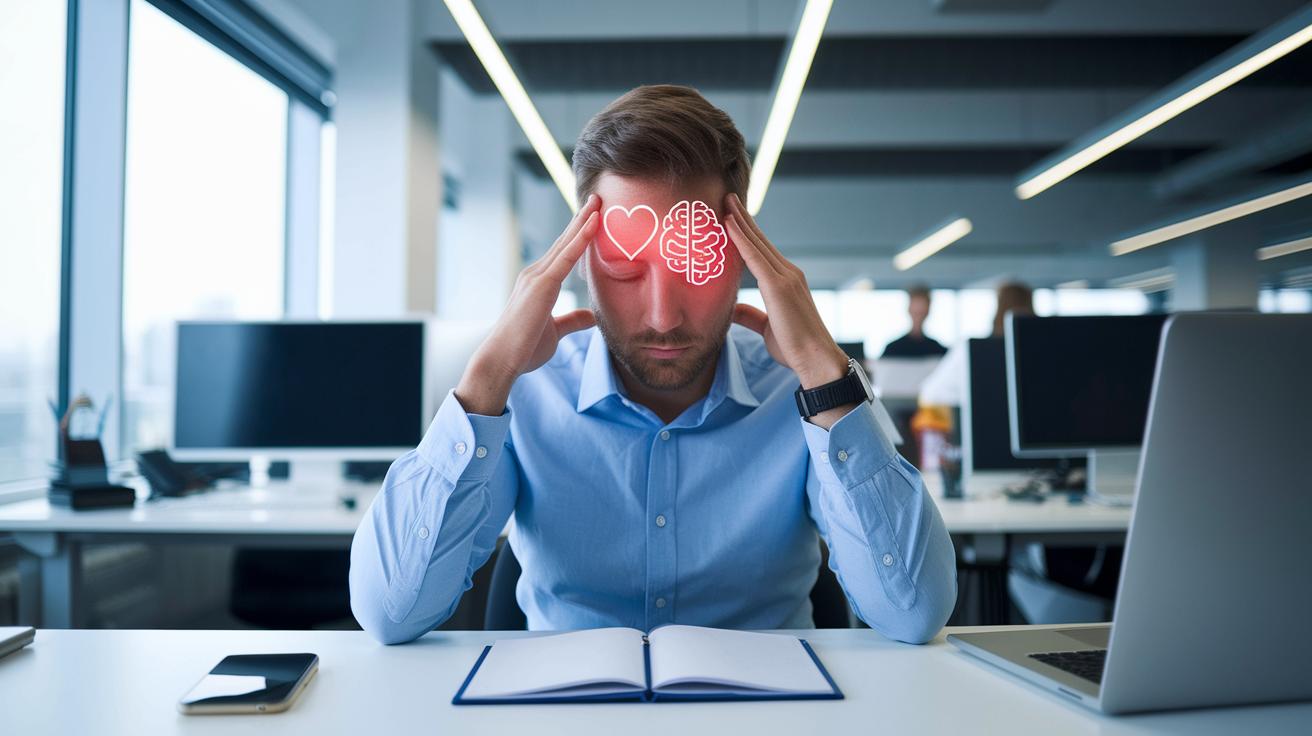
When stress hits, your body goes on high alert. Hormones like cortisol and adrenaline kick in to help you react fast. Your heart beats quicker, your blood pressure goes up, and you start breathing faster. At the same time, your brain becomes more alert, making you extra sensitive and changing how your nerves send signals.
Over time, constant stress can lead to more than just quick changes. Those same hormones keep your muscles tight, give you headaches, and even mess with your digestion. It might feel like your body’s alarm never gets a break, leaving you on edge most of the day.
| Symptom | Cause |
|---|---|
| Fast Heartbeat | Adrenaline tells your heart to beat quicker |
| High Blood Pressure | Cortisol tightens blood vessels for a quick response |
| Tight Muscles | Ongoing stress keeps muscles contracted |
| Headaches | Nerve signals and heightened senses spark pain |
| Tummy Troubles | Stress affects your gut because of the gut-brain link |
Emotional and Cognitive Stress Symptoms in Women

Many women notice changes in their feelings when stress starts to pile up. You might suddenly switch from feeling cheerful to overwhelmed. Imagine sharing laughter with a friend one minute and then feeling as heavy as if you're on an unpredictable rollercoaster of emotions.
Stress can also make your mind feel cloudy. You might find yourself struggling to keep focused on daily tasks or make decisions that used to be simple. Think of reading a favorite recipe and suddenly seeing the words jumbled, it just isn’t easy to follow along.
Sometimes, these feelings mix with anxiety or a low mood. Constant worrying and feeling down can leave you wondering if stress is simply making you tired, or if there’s something deeper happening.
Behavioral Changes as Stress Signals in Women

Sometimes when stress creeps in, you might notice little changes in your everyday routine. Your sleep can get off track, you might toss and turn all night or sleep way too much, and that leaves you feeling out of whack. Your appetite can switch gears too; one day you might eat more than usual, and on another, you might not feel like eating at all. And you might start stepping away from gatherings or skipping calls with friends, almost like your body is gently hinting that it needs a bit more care.
When stress piles up at home or work, it can really push these changes to the front. Long days, too much on your plate, or that feeling of not being able to catch a break can make you snap or feel extra on edge. And when little squabbles pop up with others, whether at work or with people close to you, it can make sticking to your normal routine even tougher.
One thing that might help is keeping a small diary for your stress. Jotting down how you feel and what you do each day can show you clear patterns. It helps you spot what is setting off your stress, so you can take little, comforting steps toward finding your balance again.
Stress Self-Assessment and Management Strategies for Women
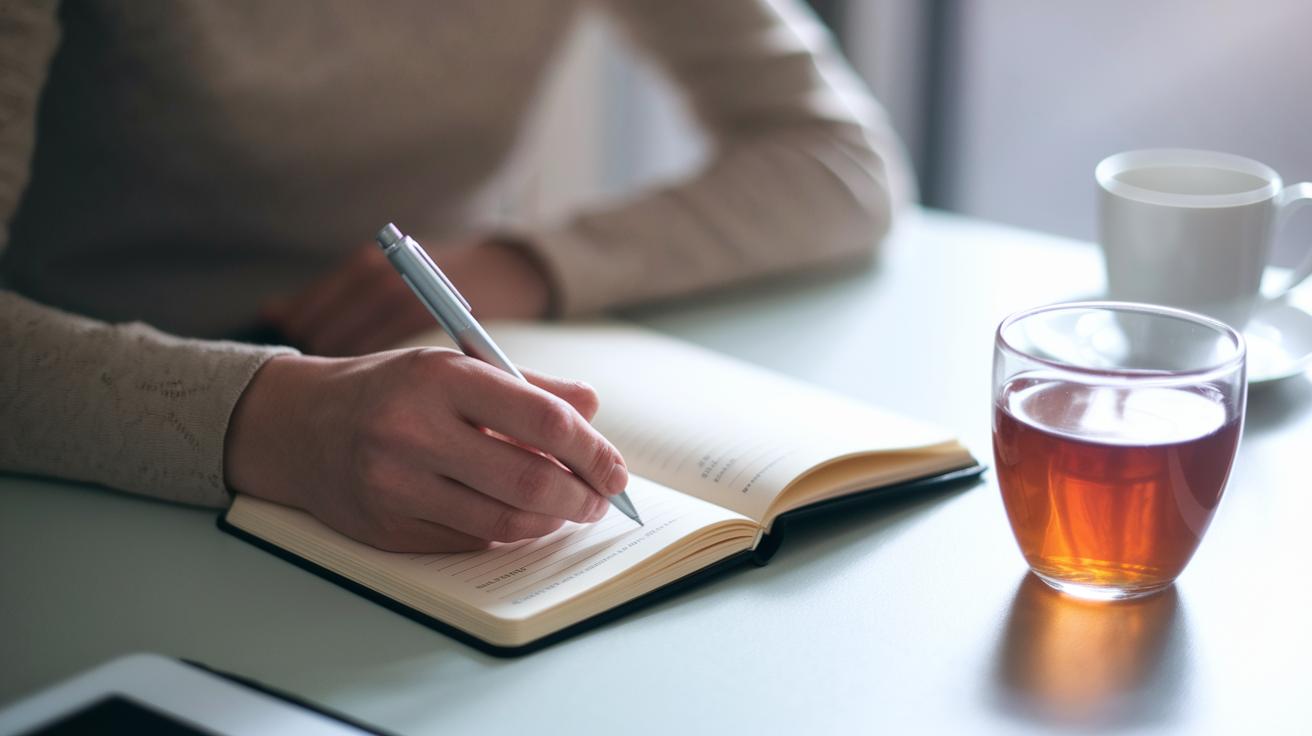
Take a quiet moment just for you, and grab a simple checklist or diary to keep track of your feelings. Writing down your daily moods and noting when your body feels tense can really help you spot patterns. For example, you might jot down, "Today work felt extra hard and my heart raced during a meeting." This little note helps you see what triggers your stress and gives you a chance to ease your mind.
Each day, try setting aside a few minutes for something calming like mindfulness meditation or gentle yoga. These practices offer a soft pause where your thoughts can settle, making it easier to notice what sets off your stress. You could try a guided breathing exercise in the morning by reminding yourself, "Inhale calm; exhale tension," while you follow a short video or app. A quick walk can also lift your mood, especially when combined with a balanced diet and enough sleep.
Another helpful tip is progressive muscle relaxation. Start at your toes and slowly work your way up, letting go of tight spots as you go. It’s also important to draw a clear line between work and home life, having regular breaks in your routine can stop stress from piling up. For more ideas on simple ways to cope, check out this link on strategies for mental wellness.
And if you find that stress keeps weighing you down and disrupting your peace, think about talking to a professional who can guide you through these challenging feelings.
Final Words
In the action of recognizing stress, this article shared physical, emotional, and behavioral signs to help you identify common symptoms of stress in women. You learned about physical signs like headaches and digestive discomfort, noticed emotional indicators such as mood swings, and understood behavioral changes like disrupted routines.
Small, practical steps and mindful self-care can guide you toward a healthier path. Keep in mind that recognizing the symptoms of stress in women is a positive move toward feeling better.
FAQ
What are the physical symptoms of stress in women?
The physical symptoms of stress in women often include headaches, muscle tension, fatigue, and digestive issues. These signs reflect the body’s natural reaction to stress hormones.
What are the symptoms of stress and anxiety in a woman?
The symptoms of stress and anxiety in a woman combine physical signs like a rapid heartbeat with emotional signs such as irritability and racing thoughts, indicating that the body and mind are under strain.
What are the signs you are sick from stress?
The signs you are sick from stress can include ongoing fatigue, sleep troubles, frequent headaches, and a weakened immune system. These symptoms suggest that your body is struggling with too much stress.
What are the symptoms of stress leaving the body?
The symptoms of stress leaving the body include a gradual return to steady breathing, reduced muscle tension, and an uplifted mood as stress hormones decrease and the body begins to relax.
What are the symptoms of stress in women that can cause hair loss?
The symptoms of stress in women, like hair loss, can show as thinning hair and slower growth. This reflects how stress hormone imbalances may affect your hair and overall health.
What are the causes of stress in women?
The causes of stress in women often include balancing work and home roles, managing relationships, and everyday pressures, all of which can trigger both emotional and physical responses.
What are the mental symptoms of stress?
The mental symptoms of stress can show as constant worrying, trouble focusing, and irritability. These indicators suggest that your mind is overloaded and might need some extra care.
What are the symptoms of stress and depression in women?
The symptoms of stress and depression in women often overlap and may include persistent sadness, mood swings, ongoing fatigue, and changes in appetite or sleep patterns that can affect overall well-being.
What are five warning signs of stress?
The five warning signs of stress are headaches, difficulty sleeping, irritability, mental fog, and physical tension. These clues can serve as a call to take some time for self-care.
What should you do to reduce stress?
To reduce stress, you can practice mindfulness, exercise regularly, get plenty of sleep, and set aside time for self-care. These simple steps can help ease both body and mind.
What are the effects of stress on a woman?
The effects of stress on a woman include both physical issues like headaches and increased heart rate, as well as changes in mood, such as irritability and anxiety, impacting overall health.
Can your body recover from stress?
Your body can recover from stress when given proper rest, a balanced diet, gentle exercise, and time for self-care. These practices support healing and help restore balance over time.