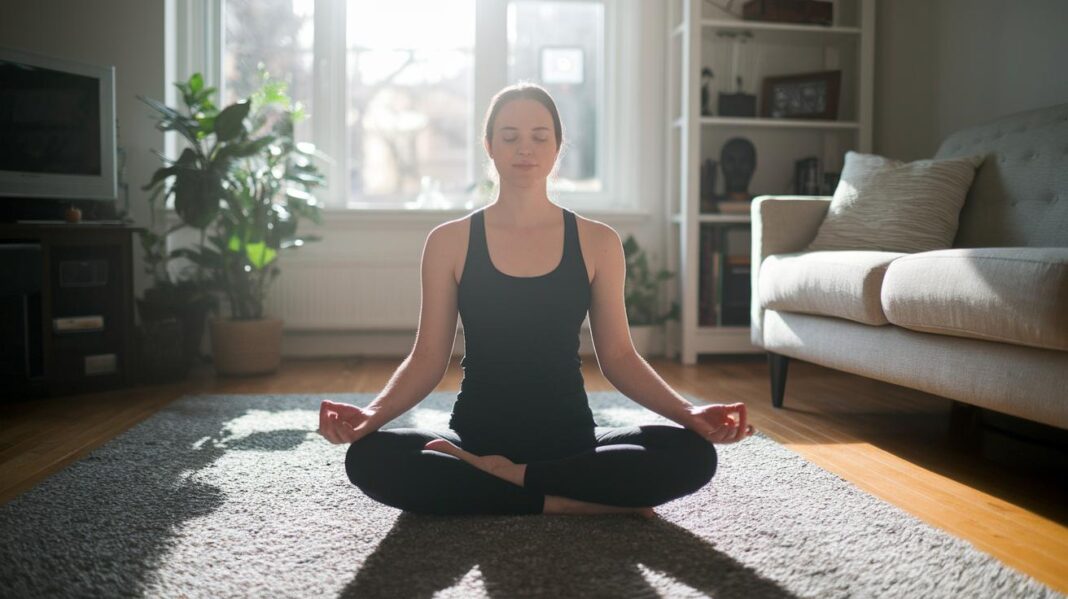
Have you ever noticed how one deep breath can melt the day's tension away? In our busy lives, stress can sneak up on us from tight deadlines, quick heated chats, or unexpected setbacks. It’s no wonder we sometimes feel overwhelmed.
Stress management is all about paying attention to the little signals our bodies give us. When you start to feel that rush or notice your hands trembling just a bit, it might be time to pause. Taking a simple, deep breath can be that gentle reset you need to shift from chaos to calm.
I often wonder, have you tried stopping for a minute to breathe deeply? It’s a small move that can truly change how you feel. So next time life gets busy, give yourself a moment to slow down, you deserve it!
what is stress management: Enjoy Peaceful Living
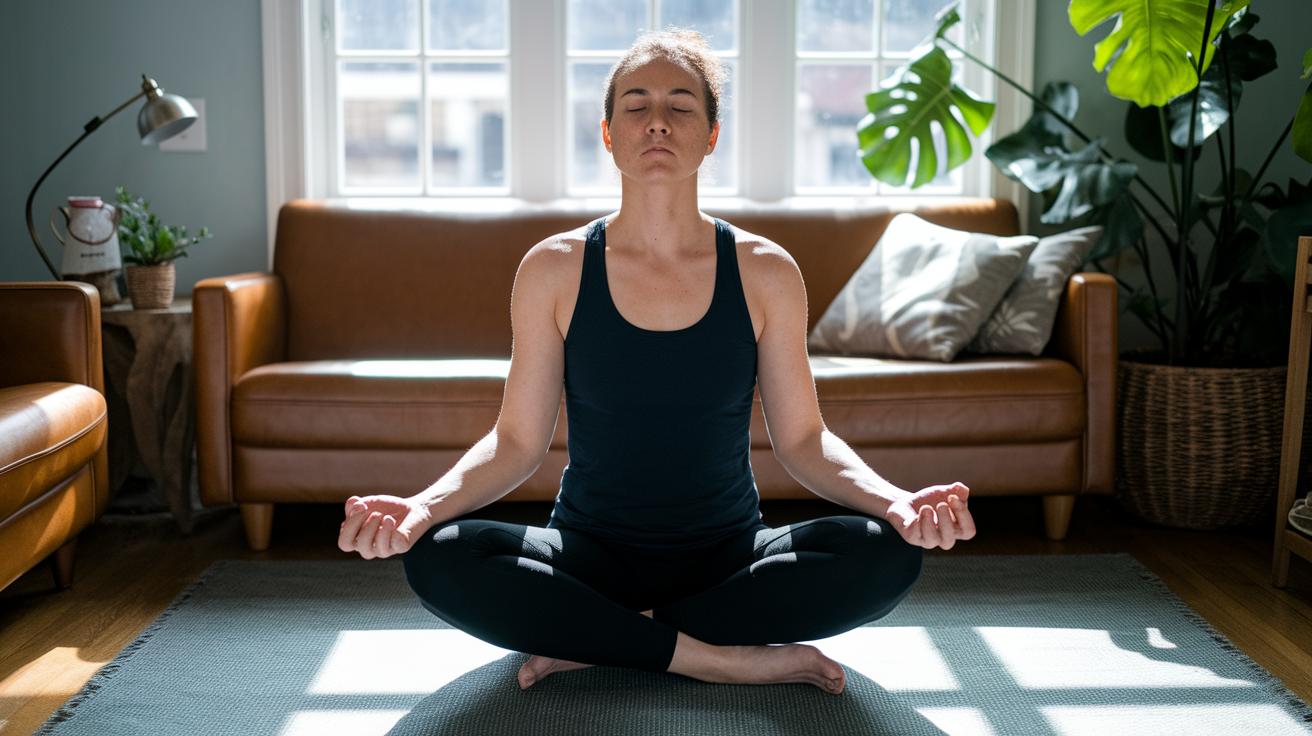
Stress management is all about handling the tension that can build up in both your mind and body. It uses simple, practical tips to help keep you feeling balanced. Every day, things like heavy traffic, small arguments, money worries, or sudden health concerns can stir up a lot of anxious feelings.
When you learn to manage these stressors, you start breaking negative habits and building a bit of inner strength. Think about being stuck in a noisy traffic jam and then taking a deep, slow breath to clear your mind. Such a small act can really change your mood during a stressful moment.
Simple strategies like deep breaths and mindfulness can ease that tension and bring a sense of calm into your life. Even setting aside just a few minutes to focus on yourself can help ease your body and mind, making the day feel a little lighter. For more gentle ideas, check out our tips for mental wellness (you know, easy ways to feel more balanced).
Identifying Stress Triggers and Symptoms in Management

Every day, different challenges can make us feel stressed. It might be a tight deadline at work, a family disagreement, or even a sudden illness that leaves us feeling a bit off. Our bodies often give us little hints when we're stressed. For example, you might notice a headache, tense muscles, a fast heartbeat, or even an upset stomach.
Sometimes, our feelings change too. You might find yourself getting moody or irritable, or maybe you’re having trouble sleeping. It can feel like your mind is always on edge, constantly worrying. Have you ever felt that rush of a racing heartbeat during a tough conversation, only to feel completely drained afterward? That’s one of our body’s ways of saying, “Hey, take a break!”
Spotting these signs early can really help you take care of yourself. Research shows that a lot of American adults, about 40 million, deal with anxiety each year. So, when you see these signals, it might be time to pause and give yourself a moment of calm.
Here are some common signs to keep an eye on:
| Physical Signs | Emotional Signs |
|---|---|
| Headaches and muscle tension | Mood swings and irritability |
| Fast heartbeat or upset stomach | Difficulty sleeping |
Listening to these signals is the first step in taking better care of yourself. When you notice them, try to breathe, pause, and treat yourself with a little extra kindness.
Key Stress Management Techniques Explained

Feeling overwhelmed sometimes? You know, finding calm in everyday moments can be easier than you think. These simple, effective ways help you step away from stress and find that inner balance we all need. They work with both your body and mind, guiding you gently when things get too much.
Here are some friendly tips for easing daily stress:
-
Deep-breathing exercises: Try breathing in slowly for five seconds, holding it for two, then exhaling for five. It’s a little trick that can help your shoulders relax and calm your nerves.
-
Guided mindfulness meditation: Even just five minutes of quiet focus can clear your head. Imagine sitting quietly and watching your thoughts drift by like soft clouds on a clear day.
-
Regular physical activity: A brisk walk or a bit of light exercise can boost your mood naturally, thanks to the happy endorphins your body releases.
-
Balanced nutrition & hydration: Enjoying foods rich in vitamins A, B complex, C, and E, along with plenty of water, gives your body the tools it needs to handle stress better.
-
Limiting digital overload: Cutting back on screen time, especially before bed, can help protect your sleep and keep those late-night worries away.
-
Social support & community: Chatting with loved ones or joining a caring group can remind you that you're not alone, and it lightens the load when stress weighs you down.
-
Cognitive behavioral strategies: These simple approaches help turn negative, sticky thoughts into a more balanced outlook, showing you a different way to see stressful situations.
Give one or a few of these a try. You might find that even a small change can open up new moments of calm and self-care.
Integrating Daily Stress Management Habits

Sometimes, sticking to a simple routine feels harder than it seems. It helps to carve out little moments, like a short break to breathe or stand up and stretch. Try writing down your plan in a notebook or calendar. For instance, scribble "10:00 AM – 5-minute stretch break" to remind yourself and celebrate each small win.
Breaking your day into bite-sized pieces makes a big difference. You might set one section of your day for easy tasks, like making a simple to-do list and planning quick breaks in between. It’s a bit like scheduling a mini check-in: "After lunch, I’ll set aside ten minutes to get some fresh air."
If you’re finding it tough to unwind, maybe because screens keep calling, try setting an alarm as your cue to relax. For example, "Alarm set for 8:00 PM: Time to unplug and wind down." And if something just feels too hard, adjust it slowly until it fits your routine.
Here are some easy tips to build a stress-free routine:
| Tip | What to Do |
|---|---|
| Keep Track | Use a planner or phone reminders |
| Take Small Steps | Break tasks into easy, manageable parts |
| Screen-Free Time | Set alarms to help you switch off |
| Celebrate Wins | Reward yourself for each small achievement |
| Slowly Adjust | Modify routines gradually to suit your life |
These little changes help make managing stress part of your day, simple, steady, and totally doable.
Building Long-Term Resilience in Stress Management

Building a solid way to handle stress starts when you catch those little hints your body sends, little signals like a tight chest or a flutter of nerves. When you notice them, it’s easier to shift into calmer habits. Some moms even try out biofeedback or join gentle workshops to retrain the mind so it responds with calm instead of panic. Imagine feeling a bit jittery before a big meeting and then pausing for a quick mindfulness break. It’s like rewiring your brain with each small, thoughtful step.
Joining a group that truly understands stress can be a real lifesaver, too. Sharing your experiences in a supportive circle reminds you that you’re not alone and that everyone has their ups and downs. And if you ever feel overwhelmed, a caring counselor can offer one-on-one guidance, helping to turn those negative thoughts into more positive ones. There are even programs that blend different techniques to help create a lasting calm-response pathway that stays with you for years.
When you mix in simple mind-body exercises, you tap into ways to improve your overall well-being. For instance, a friendly workshop might teach you ways to relax your muscles and gently clear away worrisome thoughts. Add a bit of professional advice and the warmth of community support, and you begin to build a well of resilience that makes handling daily pressures so much easier.
Final Words
In the action of managing everyday tension, we explored the basics of keeping calm, spotting physical and emotional signs, and practicing simple techniques like deep breathing and mindfulness. We also looked at building everyday routines that balance life and long-term strategies to keep stress in check. By embracing these steps, you can see real benefits in your daily well-being. Remember, what is stress management means making space for calm in your life, one small step at a time. Enjoy the positive change coming your way!
FAQ
Q: What is stress management in simple words?
A: Stress management in simple words means using tools and techniques to lower mental and physical tension from daily challenges, helping you feel more calm and in control.
Q: How do I manage stress?
A: Managing stress involves practical methods like deep-breathing, mindfulness, physical activity, and connecting with supportive people, which help keep your body relaxed and your mind focused.
Q: What are the five stress management techniques?
A: Five common techniques include deep-breathing exercises, guided mindfulness meditation, regular physical activity, balanced nutrition, and seeking social support to help lower tension and boost calm.
Q: What are the 5 A’s of stress management?
A: The 5 A’s—awareness, acceptance, action, adjustment, and appreciation—help you recognize stress, respond with effective strategies, and maintain a positive outlook in challenging moments.
Q: What types of stress management exist?
A: Types of stress management range from therapy and mindfulness practices to exercise, nutrition adjustments, and social support programs, offering various approaches to suit different needs.
Q: Why is stress management important?
A: The importance of stress management lies in reducing tension, protecting your health, boosting energy, and improving overall quality of life, especially when balancing family and daily tasks.
Q: What is stress management therapy?
A: Stress management therapy involves professional or group support where methods, such as cognitive behavioral techniques, are used to reframe negative thoughts and reduce the physical and emotional effects of stress.
Q: What causes stress?
A: Causes of stress often include work deadlines, relationship conflicts, financial worries, and health concerns, which can lead to increased mental and physical tension if not managed well.
Q: What are the ten advantages of stress management?
A: Ten advantages of stress management include better sleep, improved mood, boosted energy, sharper focus, healthier relationships, increased resilience, reduced anxiety, enhanced decision-making, and overall improved well-being.
Q: What does a stress management PPT include?
A: A stress management PPT is a slide presentation that outlines clear techniques, helpful tips, and visual steps to reduce stress, making it easier to learn and apply effective relaxation methods.
Q: What is a stress management introduction?
A: A stress management introduction provides an overview of stress fundamentals, common triggers, and basic techniques, setting the stage to help you understand and control stress in everyday life.
Q: What can I find in a stress management PDF?
A: A stress management PDF is a downloadable resource that offers easy-to-follow explanations, practical tools, and strategies designed to help reduce stress and promote overall well-being.