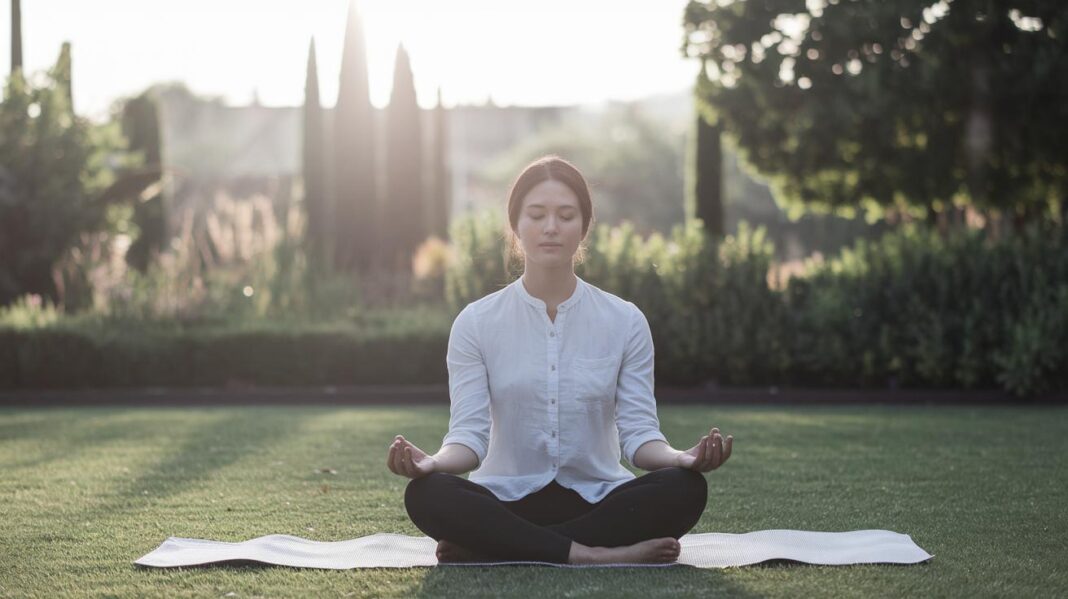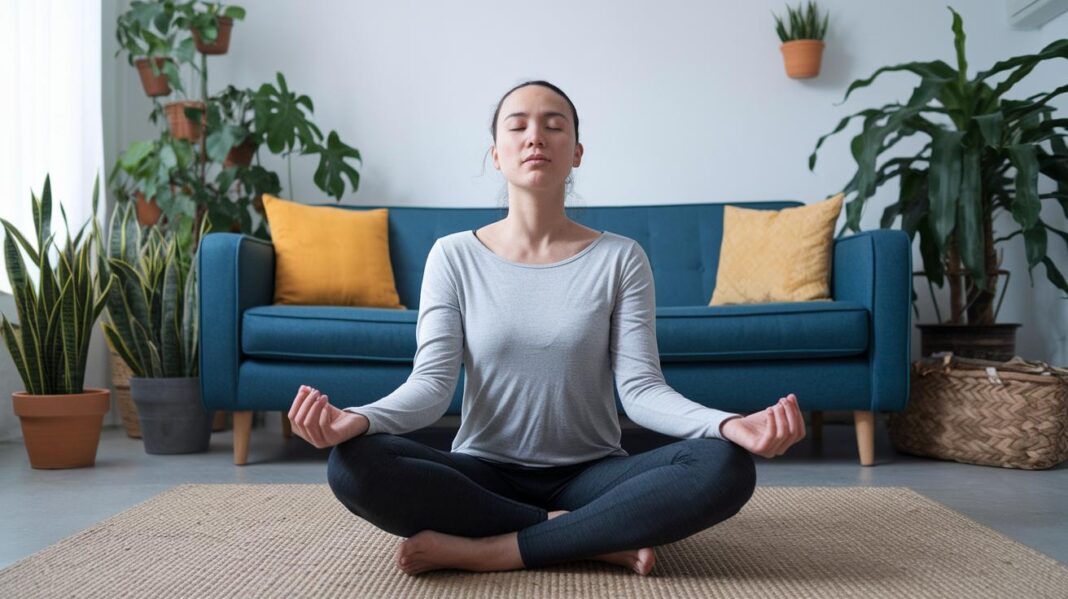
Ever feel so overwhelmed that you just need a minute to catch your breath? Sometimes, taking a pause can make all the difference. Simple ways like deep breathing, gentle stretching, and mindfulness (being present in the moment) exercises can quickly ease stress and help you feel better for longer.
In this chat, we’ll talk about how these easy tips not only calm your mind but also lift your mood, improve your sleep, and boost your energy. Even on your busiest days, a few small steps can bring back a sense of balance and control.
So, why not take a break? Settle in, take a deep breath, and get ready to feel relaxed and refreshed.
Relaxation Techniques for Stress Management: Immediate and Long-Term Relief
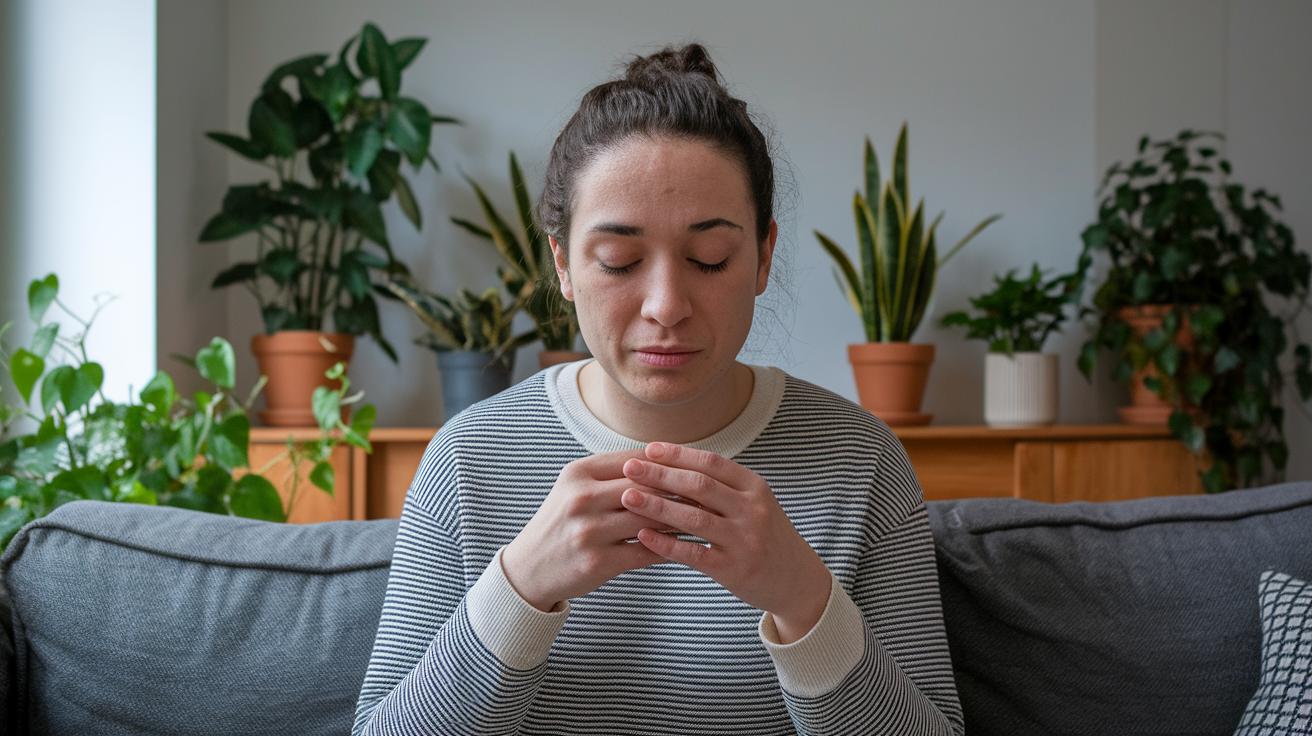
Sometimes we all need a little pause to calm our minds and ease our bodies. Relaxation techniques like deep breathing, gentle stretching, mindfulness exercises, and yoga (a practice that blends movement and calm) can help when stress feels high. With regular practice, these simple steps can lead to a more peaceful outlook over time.
These calming methods offer help both right away and for the long run. They help balance your mood, improve your sleep, ease the rush of busy days, and boost your overall well-being.
- Lower stress and worry levels.
- Better sleep by cutting down on too much screen time.
- Improved mood with little acts of care, like cuddling your pet.
- Clearer thoughts and focus from simple mindfulness or keeping a journal.
- More strength to bounce back thanks to regular self-care.
Research shows that small, everyday changes really make a difference. For example, one study found that doing aerobic exercise twice a week can help lower stress. Other research suggests that eating too many processed foods and added sugars may increase how stressed you feel. Cutting back on screen time can lead to a better night’s sleep, which in turn helps manage stress. And when you mix at-home self-care, like spending quality time with loved ones or taking a short walk in nature, with a balanced diet, you create a routine that brings both quick calm and long-lasting benefits.
Breath-Focused Relaxation Techniques: Deep Inhalation and Exhalation Drills

Deep breathing is a simple way to calm your body and mind. Imagine sitting comfortably or lying down with one hand on your chest and the other on your tummy. Breathe in slowly through your nose until you feel your belly expand, then gently let the air flow out through your mouth as your tummy softens. This method can help lower stress and slow your heartbeat.
Another friendly technique is the 4-7-8 pattern. Start by exhaling all the air out. Then, breathe in quietly for 4 seconds, hold that breath for 7 seconds, and finally, exhale steadily for 8 seconds. This little cycle can help break anxious breathing and ease your stress quickly.
You can also try paced breathing by matching your steps to your breaths. Picture taking 4 steps while inhaling and 4 steps while exhaling. Small changes like this can really lift your mood and make you feel instantly calmer.
Mindfulness Meditation Techniques for Serenity and Emotional Calm
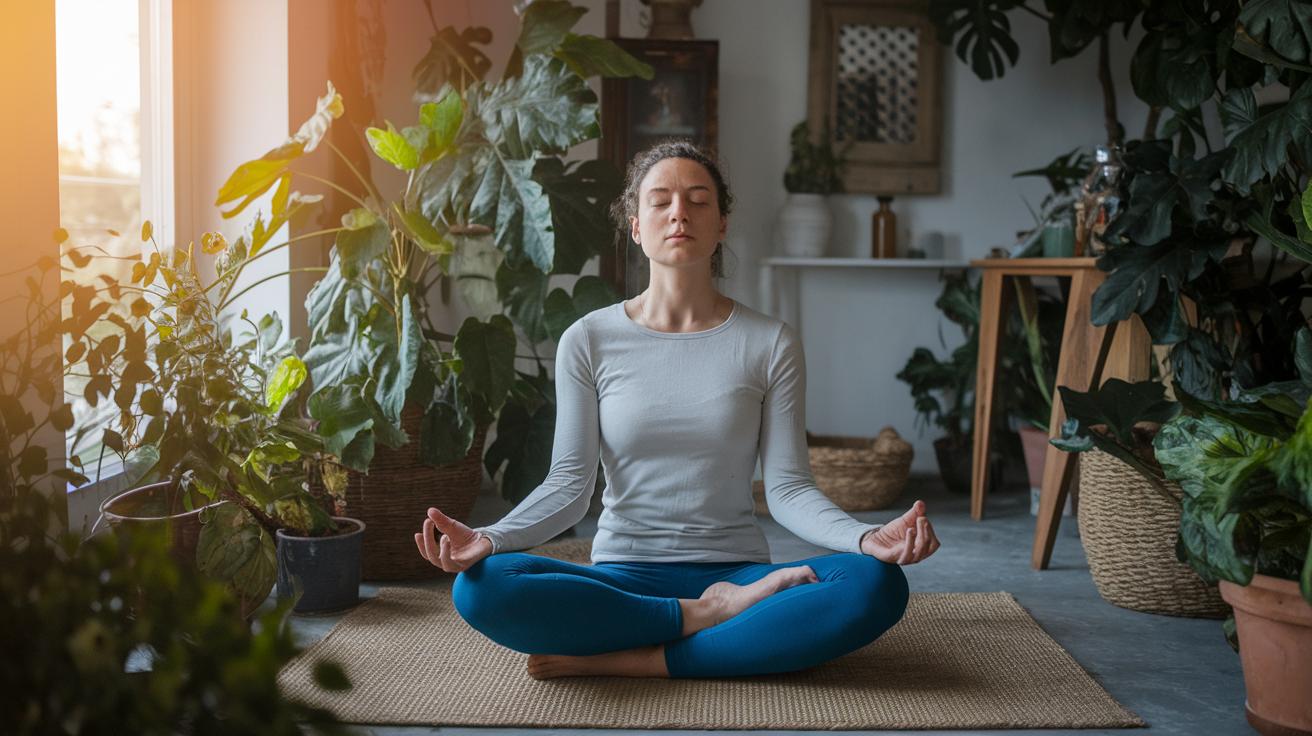
Mindfulness meditation is like a little pause in your day that lets you watch your thoughts without judging them. One great way to try it is the breath-aware method. Sit in a comfy spot, and just pay attention to your breathing, count each inhale and exhale until your mind starts to calm down. Even 10 to 20 minutes a day can help lower ongoing stress. Studies have shown that doing this regularly can ease anxiety, balance your emotions, and slow down those pesky, repetitive thoughts. Just picture closing your eyes and feeling each breath take a bit of the stress away, it’s almost like gifting yourself a mini-break.
Another simple practice is the full body scan meditation. You can lie down or sit comfortably and slowly move your focus from your toes up to your head. Notice any tight spots or areas that feel relaxed. This method helps break the cycle of overthinking that stress often brings. Experts also say that doing these kinds of stress-relief exercises a few times a week can bring a deep sense of calm.
Many moms find that joining regular meditation classes or live webinars can be really helpful. These sessions offer guided exercises that support your daily routine, letting you discover new ways to bring calm to your mind and body while feeling like you’re part of a caring community.
Visualization and Guided Imagery Relaxation Techniques for Mental Unwinding
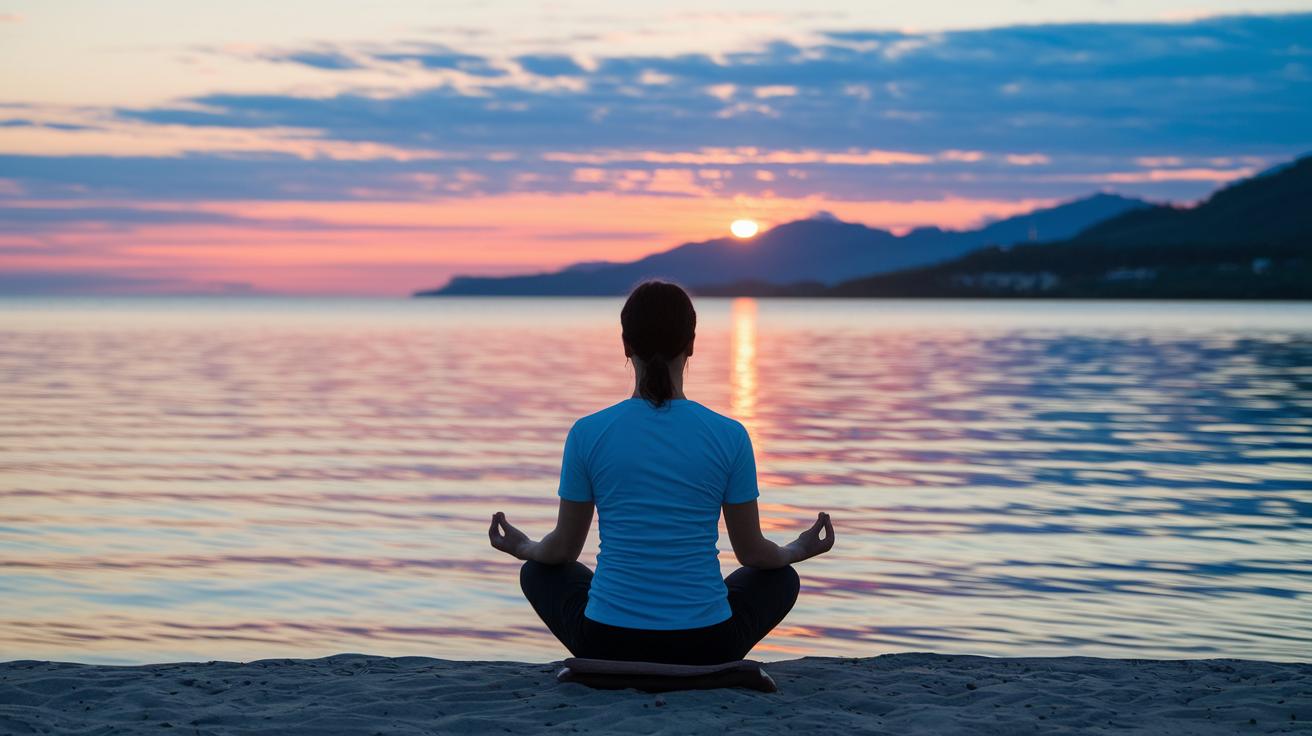
Visualization helps you move away from everyday stresses and find a peaceful spot in your mind. Start by choosing a quiet place to sit or lie down comfortably. Close your eyes, take a few slow, deep breaths, and allow your mind to settle into a calm, relaxed state. Then, picture a soothing scene like a gentle beach at sunset, a quiet forest with whispering leaves, or any other place that makes you feel at ease.
Follow these simple steps:
- Pick a calm, happy image.
- Notice the little details, like the soft sound of waves, the warm glow of the sunset, or a cool breeze in a quiet grove.
- Hold onto this image for a few minutes, letting your body and mind relax even more.
Many moms find these techniques even more helpful when they use audio-guided relaxation apps. These guides gently talk you through each step and add soft background sounds that make your visualization feel even more comforting.
By focusing on these soothing images, you can ease anxiety and let go of tension. With a little practice each day, you build a habit of mental unwinding that brings both quick relief and a sense of lasting calm.
Yoga and Movement Relaxation Techniques for Holistic Stress Reduction
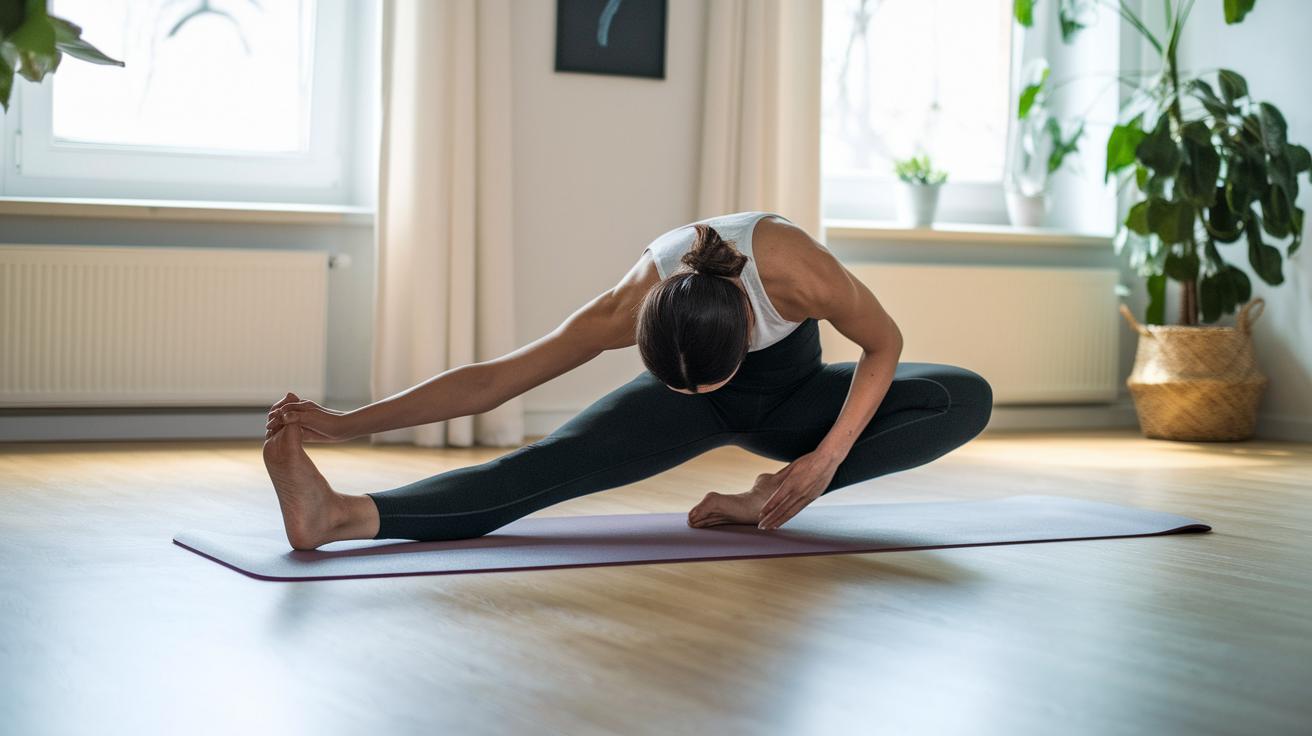
Try a few gentle movements paired with slow, mindful breathing to help ease your body and calm your mind. Begin with the cat-cow stretch: start on all fours with your hands right below your shoulders and knees under your hips. Take a slow breath in as you arch your back and lift your head, then breathe out as you round your spine. This simple flow helps loosen tight muscles while keeping your focus on your breath, almost like a little moment of peace just for you.
Next, stand with your feet about hip-width apart and gently hinge at your hips to let your upper body dangle forward in a standing forward bend. Let your head relax and feel a soft stretch in your hamstrings and lower back. Moving slowly and matching each breath with your movement can really help melt away tension and make you more aware of your body.
These easy sequences do more than just ease muscle stiffness; they set a peaceful tone for your day. Whether you’re in a beginner postpartum yoga class or just looking for a few mindful moments, moving with care and syncing your breath can create a deep connection between your body and mind. Have you ever noticed how a small change like this can brighten your whole day? Enjoy this simple practice and let it bring a little extra calm to your busy life.
Journaling and Self-Care Relaxation Strategies to Ease Anxiety
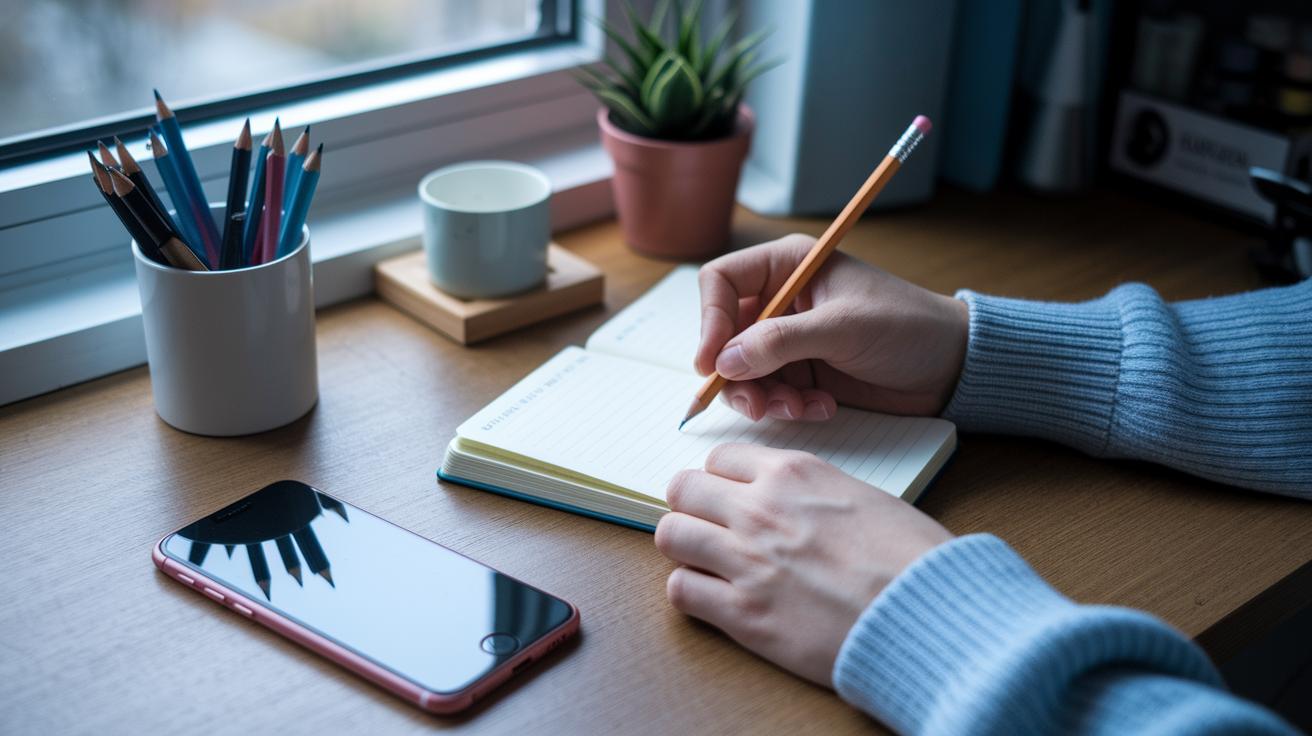
Sometimes writing down your thoughts can help you feel calmer when life feels overwhelming. Journaling gives you a little private space to sort through your day and notice what brings on worry or comfort. You might try jotting down a challenging moment, maybe a super busy day or a sudden rush of stress, and then note a small, positive twist that helped you find a moment of relief. For example, you could write, "Today, my schedule was really packed, but a quick walk outside reminded me that it's okay to pause and catch my breath." This simple act not only eases your mood but also reminds you to be kind to yourself.
Here are a few ideas to get started:
- List three small wins from your day.
- Write down one thing you learned about handling stress.
- Remember a time when saying "no" helped keep things manageable.
- Note a positive habit you tried, like cutting back on caffeine.
- Describe a calm moment you enjoyed, maybe some quiet time outdoors or with your favorite book.
Besides journaling, a daily self-care checklist can work wonders. Try writing a short list each day that might include a five-minute mindfulness pause, a brisk walk, or even a reminder to reduce screen time before bed. These small routines help you recognize the strength of gentle, daily self-soothing. Journaling remains a key tool for mental wellness (self care for mental wellness – https://womensconference.org?p=15696), offering you a way to unload emotions and find little pockets of calm throughout your day.
Nature and Physical Touch Relaxation Techniques for Quick Mood Improvement
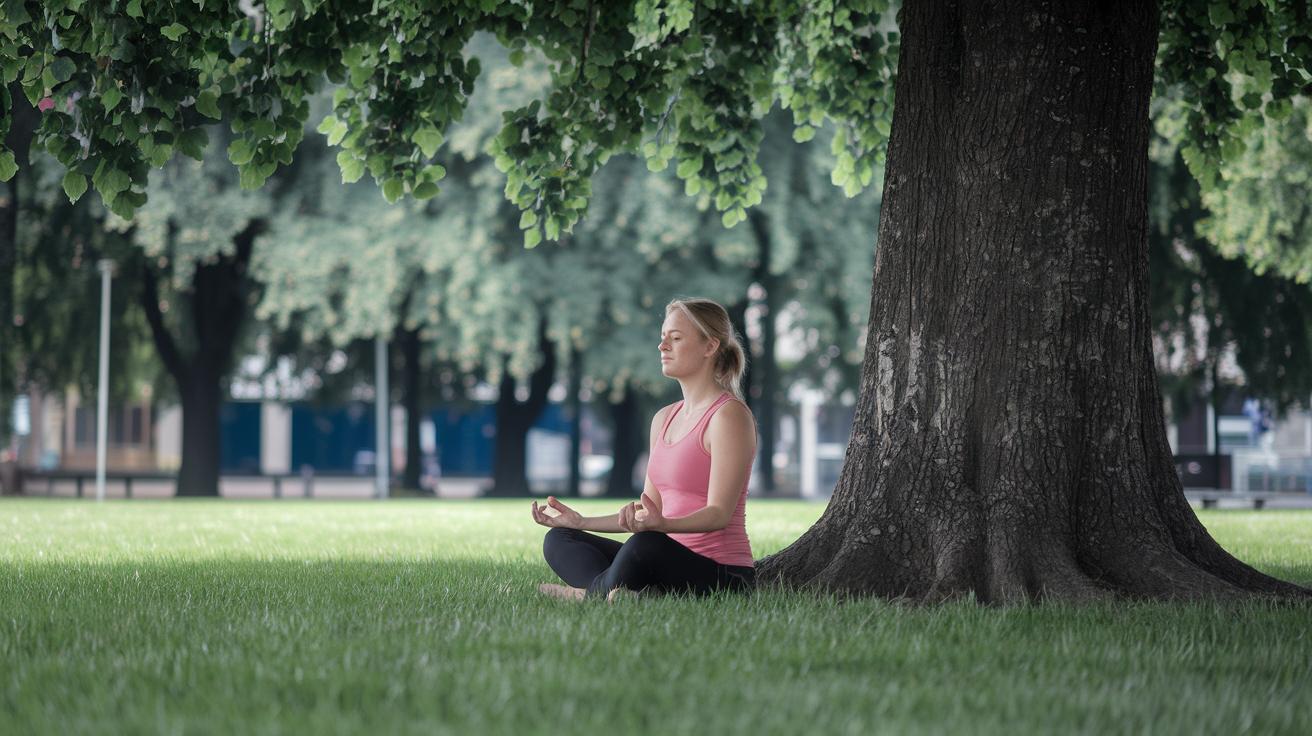
Step outside and take a little moment just for you. Find a quiet corner in your neighborhood park or garden, even if it’s only for 10 minutes. Imagine sitting under a friendly tree or walking along a gentle path. Set a timer and simply listen to the world around you, the rustle of leaves, soft chirps of birds, and a cool breeze that feels like a whisper of calm. This small pause can help shift your focus away from worries and ease your mind.
Another easy way to feel better is to enjoy mindful breathing outdoors. Sit or stand comfortably, close your eyes for a few moments, and take a slow, deep breath in through your nose. Hold that breath for a few seconds before slowly exhaling. Do this for about 5 minutes while you soak in the peacefulness of nature. It’s like giving your mind a mini-break that refreshes you in no time.
- A little dose of fresh air can brighten your mood.
- Enjoying natural sounds and sights helps lower stress.
- Focused breathing clears your thoughts and calms your busy mind.
And remember, a touch of physical affection can go a long way. Spending time with your pet, enjoying a warm cuddle, for example, can work wonders. That gentle hug not only feels comforting but also boosts your mood quickly. It’s a simple way to quiet those racing thoughts and invite a little calm into your day.
Integrating Relaxation Techniques into Your Daily Routine
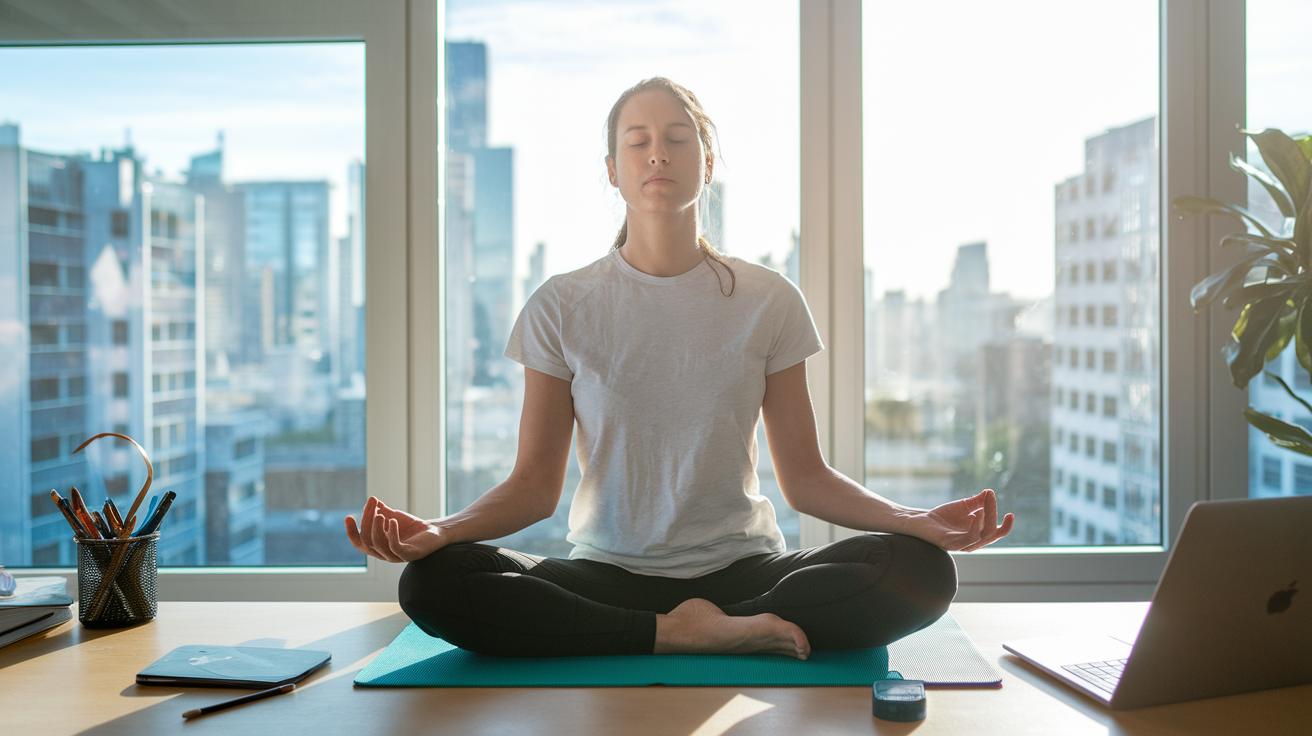
Imagine if each day offered little pockets of calm just for you. Try setting aside moments, maybe a brief breath break in the morning or a quick stretch at lunch, to help your mind unwind. Even on those hectic days, a five-minute pause for mindfulness can really clear your head and recharge your energy.
For a simple routine, consider this idea:
- Monday: Begin with a five-minute breathing exercise before you start work.
- Tuesday: Listen to a short guided audio session during your commute.
- Wednesday: Take a moment at the office for slow, deep breaths.
- Thursday: Set an evening reminder to wind down with calming thoughts.
- Friday: Enjoy a stretch and little mindful pause between meetings.
These small, scheduled habits not only help keep stress at bay but also build a calming rhythm in your day. With these gentle practices, you're likely to sleep better and feel less anxious at night. And with the MyBSWHealth app, tracking your progress becomes as easy as a friendly tap on your screen. It’s like having a supportive guide right by your side, offering little nudges toward a balanced, peaceful day, even when life gets really busy.
Final Words
In the action, the blog fired up ideas on how deep breathing, mindfulness meditation, guided imagery, yoga, journaling, and even time in nature can lift stress. It shared easy steps and clear benefits you can try right away and over time.
These methods help build a routine that brings calm into daily life. With these practices and common-sense tips rooted in science, you’re set to embrace a healthier, brighter mood. Keep using relaxation techniques for stress management and see how small changes bring big relief!