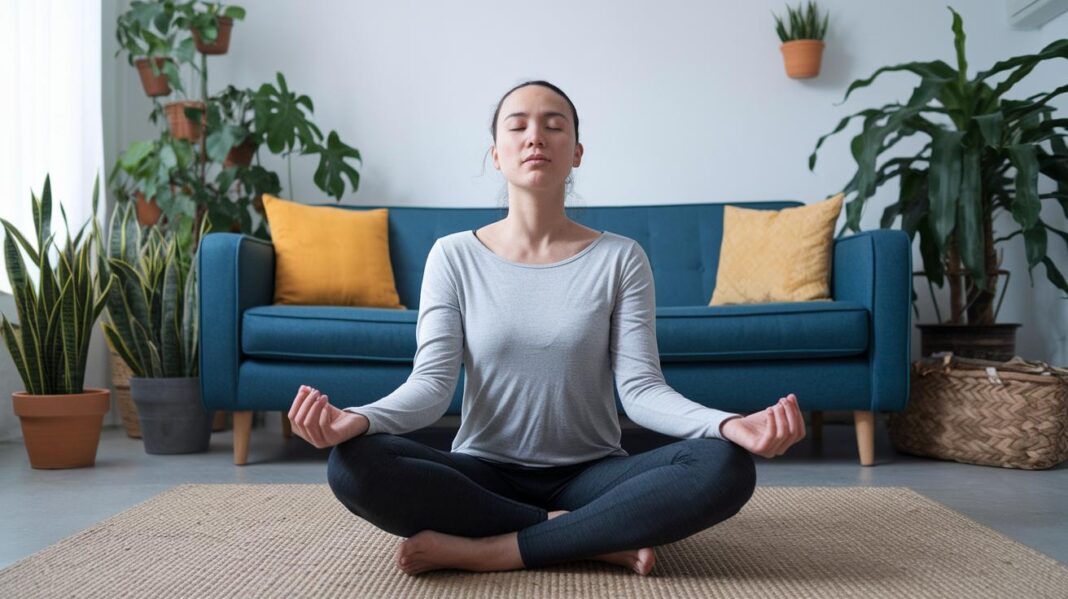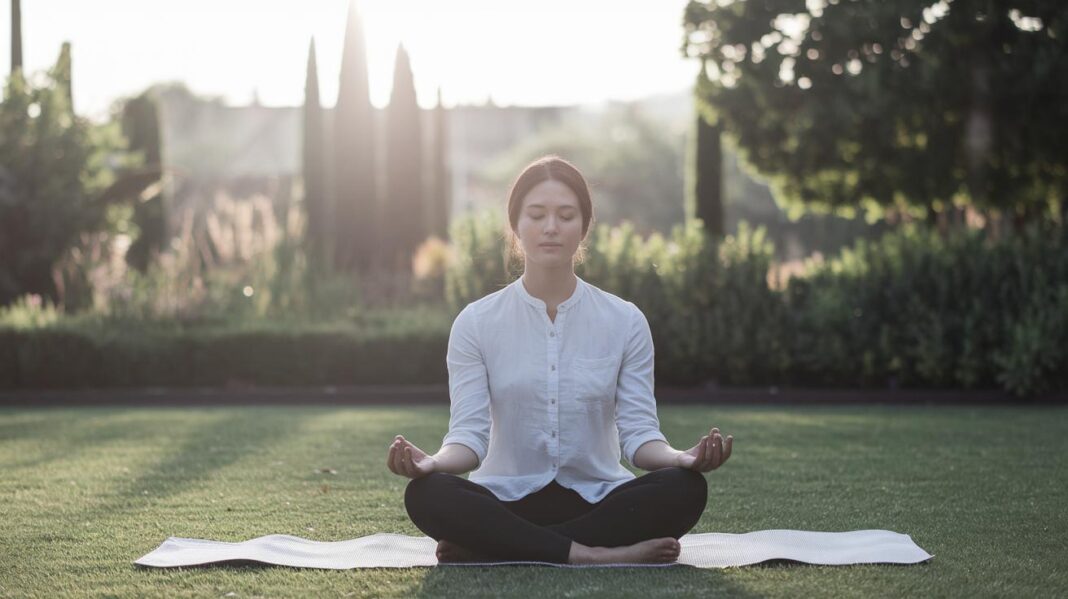
Ever feel like life’s just too much sometimes? One deep breath can feel like a little restart for your body and mind. In this article, we’re sharing easy ways to relax that work right away and help you create a calm routine. Whether you try a slow, mindful walk or simple breathing exercises, these small changes can really brighten your day. Have you ever noticed how a tiny pause can make everything feel a bit more peaceful?
Comprehensive Overview of Relaxation Techniques for Stress Management
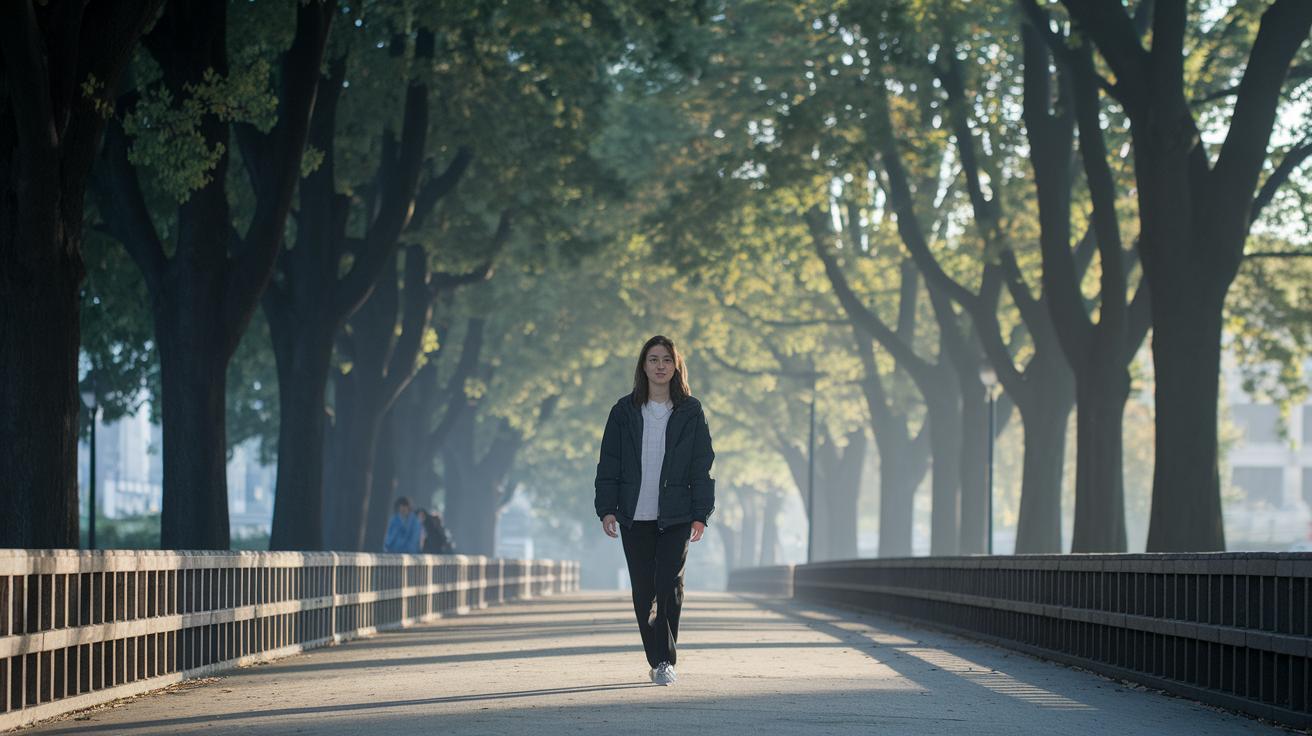
When stress shows up, our minds and bodies can feel overwhelmed. But simple relaxation techniques can help bring a sense of calm. In this overview, we share a mix of ideas like taking a brisk walk, practicing mindfulness, tweaking your diet, cutting back on screen time, writing in a journal, and connecting with loved ones. These trusted tips work to ease tension right away and also support you in the long run.
Imagine stepping outside for a quick, refreshing walk or taking a few deep breaths to slow your heart. Did you know that just five minutes of focused deep breathing can really lower your heart rate and ease tension? It’s surprising how small, mindful actions can make a big difference during your busy day.
We cover 16 different methods that have shown clear benefits. Whether it’s shaking off built-up muscle tightness with a little movement or bringing clarity through meditation, each tip is easy to weave into your daily routine. Think of it like creating your own soothing plan, one moment you might use journaling to let your thoughts flow, and another might be perfect for enjoying a quiet break away from screens.
Remember a time when a short pause lifted your mood? Just as an artist blends colors to get the perfect shade, these techniques help you mix quick fixes with habits that bring lasting peace to your body and mind.
Deep Breathing Techniques for Stress Management
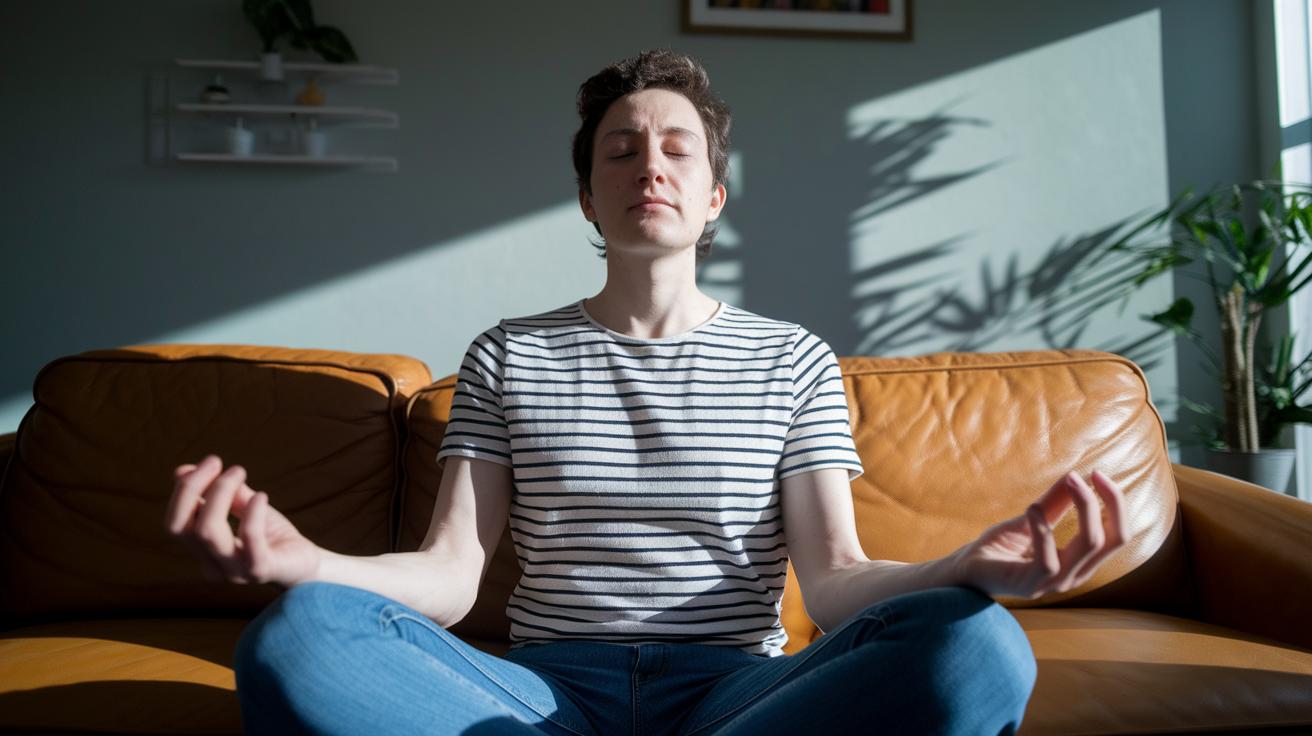
Deep breathing is a gentle way to ease tension when life feels heavy. Imagine filling your belly with air like blowing up a soft balloon, then slowly letting it out. When stress starts to build, take a few minutes to practice this simple breathing method. Try this: take a deep breath from your belly, hold it for a count of four, and then slowly release it. It’s amazing how a few mindful breaths can help calm your racing heart.
Taking time to notice your breath can be a quiet, supportive moment for you. When you feel those shoulders tensing up, pause for a second and focus on your breathing. It’s a friendly nudge to remind you that sometimes, a little pause is all you need to feel better.
The beauty of deep breathing is in its simplicity. By taking control of your breath, you gently encourage your body to relax. Those small, focused moments can ripple out, helping you handle everyday stresses with a bit more ease.
Consider setting aside a few minutes each day for these calming breaths, and see how they quickly become a trusted tool to help ease any stress or worry.
Progressive Muscle Relaxation for Tension Release and Stress Management

Progressive muscle relaxation is a gentle exercise that invites you to work through different muscle groups, one at a time. You start by tensing a group of muscles for a few seconds and then slowly letting go of that tension. This simple process helps you notice the tightness building in your body and the lovely relief when you release it. For instance, you might begin with your feet, then move on to your calves and thighs, taking deep, slow breaths throughout.
As you ease through the exercise, you may sense a calm settling over your entire body. The act of tightening and releasing your muscles helps melt away stress gradually, much like a warm wave slowly embracing you. It's a clear, soothing signal that your body is letting go of built-up tension, and it's a comforting feeling to experience.
This routine is also a neat way to blend physical comfort with mental clarity. By focusing on each body part and carefully easing the tension, you give yourself a little pause in the middle of a busy day. Try spending just a few minutes on this each day, and you might notice a refreshing sense of calm and relaxation spreading through you.
Guided Imagery and Visualization for Enhanced Relaxation Techniques
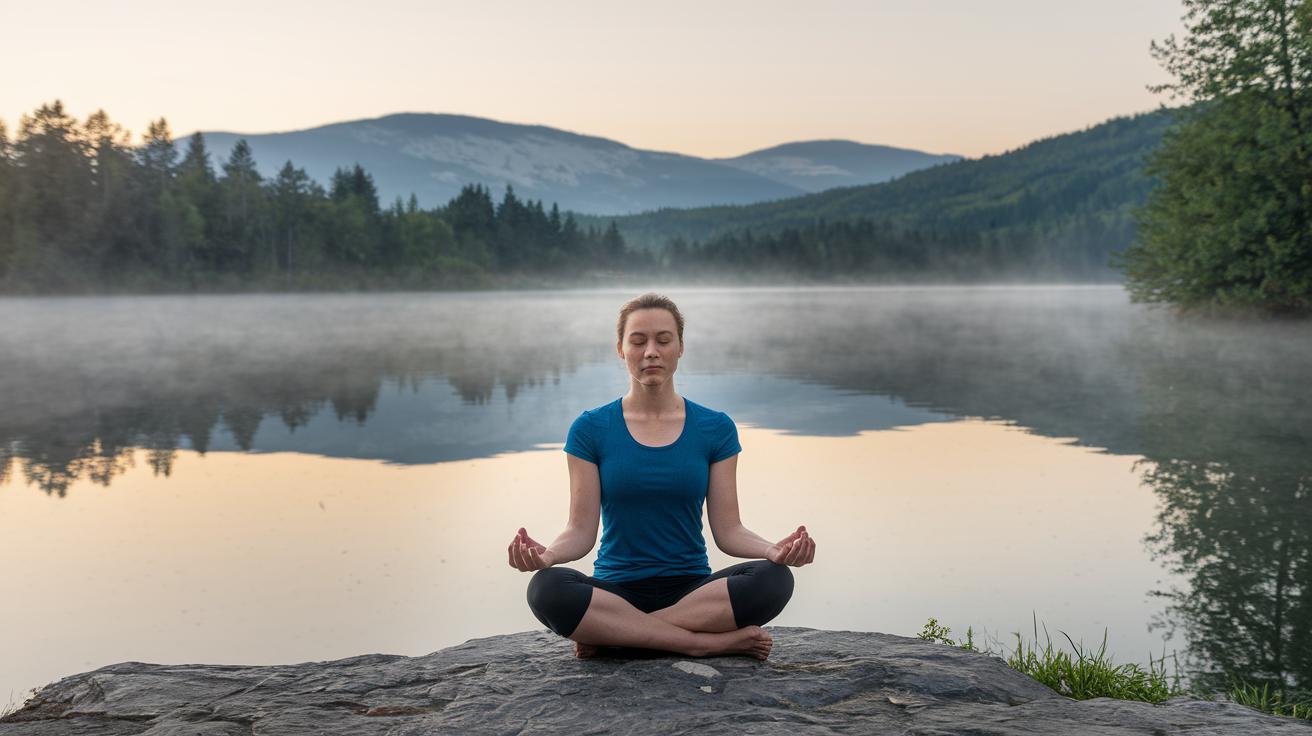
Imagine yourself sitting quietly with your eyes closed, feeling safe and calm. Guided imagery is all about using your mind’s eye to create a soothing space. Studies even suggest that picturing nature, like spending just 10 minutes outside, can help ease your mind and lower stress.
Start by taking a slow, deep breath. Let your thoughts gently drift away. Picture a peaceful scene: maybe a calm lake at sunrise or a sunlit green forest. Focus on little details like the soft blue sky, the trickle of water, or the cool whisper of a breeze. For instance, try this: "Imagine walking along a soft, sandy path lined with wildflowers, while you listen to birds chirping nearby." These vivid pictures can help relax your body and invite a sense of quiet well-being.
Take a few minutes to let your mind wander in this comforting space. And if your thoughts start to stray, simply lead them back gently to your peaceful image. Over time, these moments of guided visualization can be a wonderful tool to reset and find a piece of calm in your busy day. Enjoy the warmth of this practice and know that a little mental escape can make a big difference.
Mindfulness Meditation Techniques to Manage Anxiety and Stress
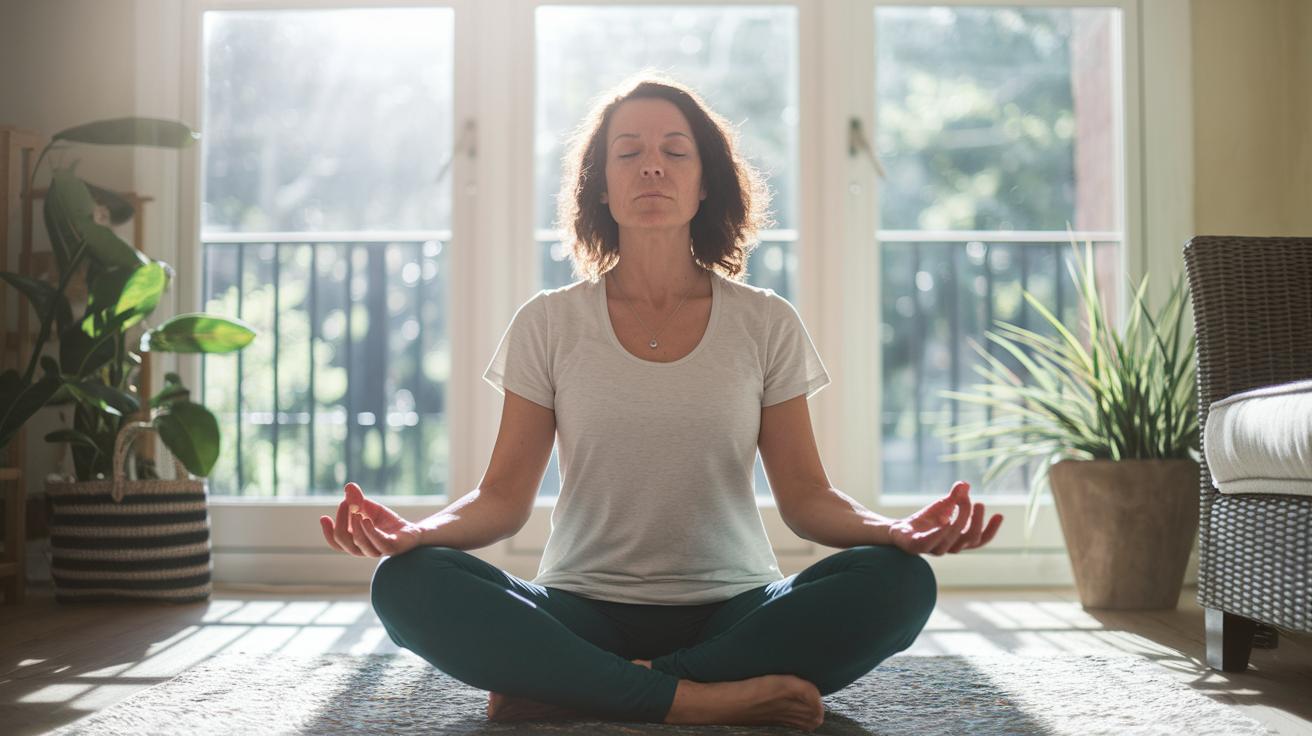
Taking just a few minutes to meditate can really change how you feel. One easy method is mindfulness-based cognitive therapy (MBCT), where you simply notice your thoughts without judging them. It’s like giving yourself a little break, sitting quietly, taking slow breaths, and watching your thoughts roll by. Many moms have found that these simple moments can help ease anxiety and lift their spirits.
When life gets busy, even a short session of mindfulness can help ground you. Imagine closing your eyes, taking a few deep breaths, and picturing a peaceful spot like a quiet forest or a calm seashore. It’s a gentle way to remind your body to relax and let go of stress, even if just for a little while.
Another friendly tip is to add a bit of mindfulness into your daily routine. You might try a guided session or simply spend a few moments focusing on your breathing. This little pause can clear your mind and help you feel more balanced during a hectic day.
With regular practice, these mindful moments can bring a calm rhythm to your day. Soon, meditation might become your go-to way to find lasting peace and comfort whenever life feels overwhelming.
Evening Relaxation Techniques for Better Sleep and Stress Management
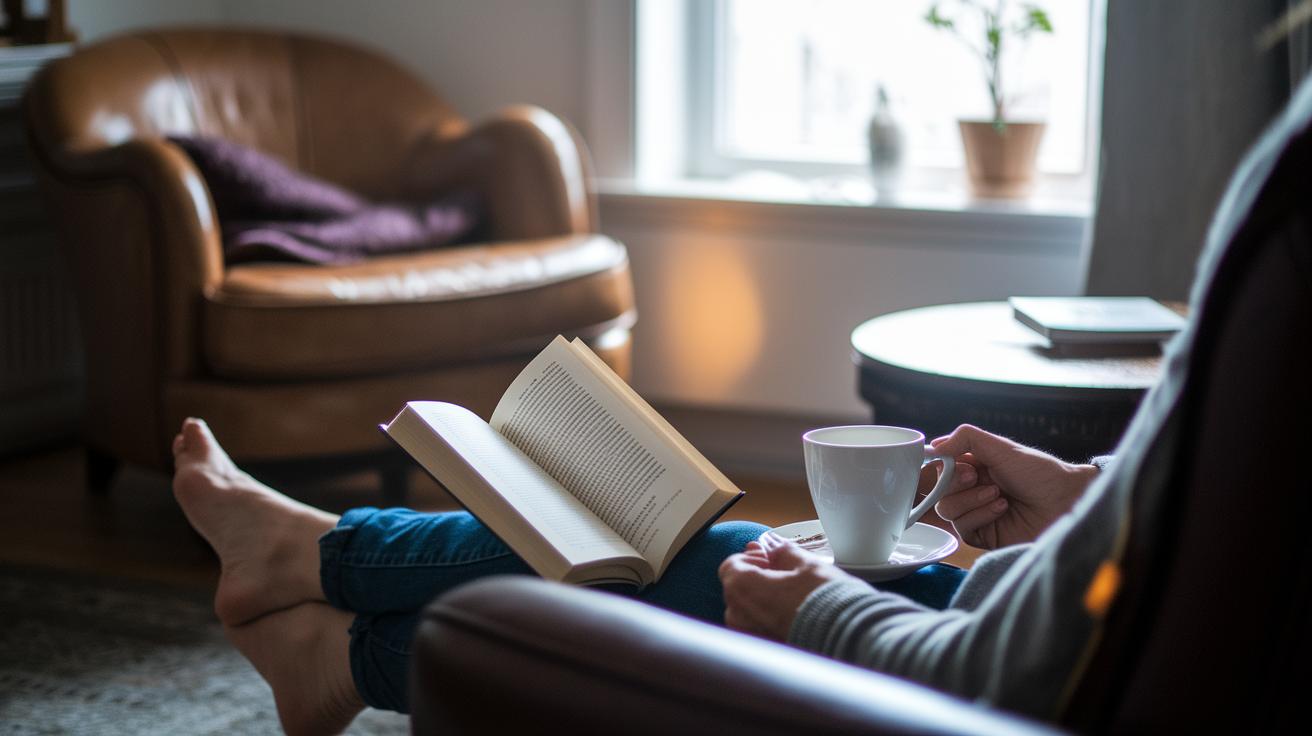
When the day comes to an end, it's a lovely idea to set up a calming routine that helps you get better sleep and feel less stressed. Try putting your phone, computer, or TV aside at least one hour before bed. It gives your mind a chance to slow down and prepare for rest. You might even set a gentle reminder to disconnect and start unwinding.
To make your evening even more soothing, consider activities that ease both your body and mind. Imagine sitting quietly with a warm cup of herbal tea or listening to soft, calming music while you read a book in cozy light. Such simple moments tell your body it's time to relax. For more ideas on how to build a peaceful routine, you might want to explore the helpful tips on daily mental wellness routines.
You can also try these relaxing strategies:
- Do some light stretching or yoga to help your muscles relax.
- Take slow, deep breaths to calm busy thoughts.
- Write down any worries in a small journal to clear your head.
- Enjoy a few minutes of guided meditation, focusing on each gentle exhale.
These simple evening practices can really lower stress and help you sleep better. Over time, your body will learn that this is the moment to wind down and get ready for a new day. Isn't it comforting to know that a little routine can make such a big difference?
Creating a Personalized Relaxation Toolkit for Long-Term Stress Management
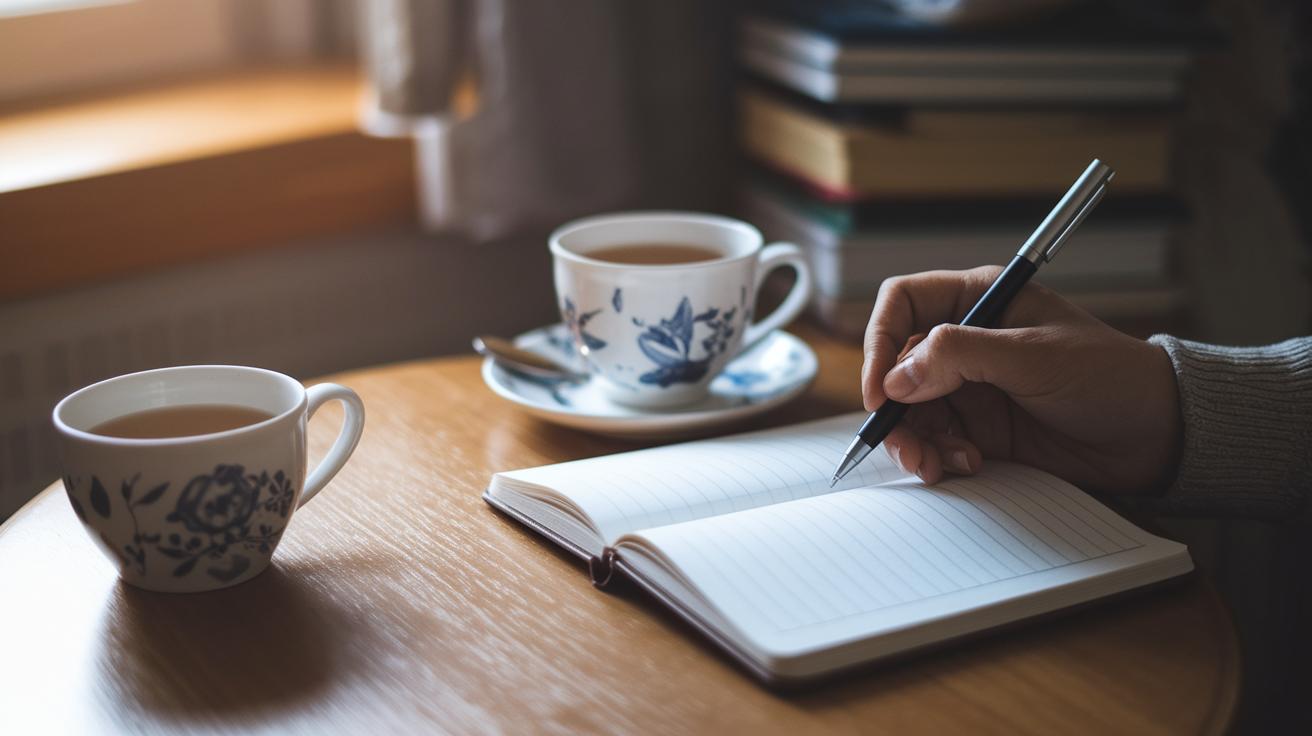
Imagine setting up your own little routine that feels just right for you. Think about those evenings when scribbling in your journal or sharing a quiet chat over tea helped you feel at ease. These simple acts of self-care, like writing down your thoughts or spending time with someone close, can really help keep stress away.
Here are some ideas to include in your toolkit:
- Keep a daily journal: Spend a few minutes each day writing down your thoughts. It’s like having a heart-to-heart with yourself.
- Connect with loved ones: A friendly chat or a small meetup can go a long way. Sometimes a warm conversation is all you need to feel supported.
- Set healthy boundaries: When your day is busy, learning to say no can be a real lifesaver. Giving yourself that time alone is so important.
- Break tasks into smaller steps: If things start to pile up, tackle them bit by bit. Celebrating even small wins can make a big difference.
Little by little, these habits can help you turn daily stress into lasting calm. It’s not about a big overhaul; it’s about making small, steady changes over time. Imagine the comfort of having a few simple rituals that calm your mind and help you feel in control. A deep breath here, a few lines in your journal there, each small step adds up to a lasting sense of relief.
Final Words
In the action, we explored various stress relief methods, from deep breathing and progressive muscle relaxation to guided imagery and a mindful wind-down routine for bedtime. We highlighted quick fixes and long-term plans that include mindful self-care, diet tweaks, and reducing screen time to boost calmness.
Your own set of relaxation techniques for stress management can truly help you feel better day by day. Each tip is a small step towards feeling strong and at ease, making every moment count.
FAQ
How can I access relaxation techniques for stress management in PDF?
The PDF outlines methods like deep breathing, progressive muscle relaxation, and mindfulness meditation to help calm both your body and mind.
What are some quick relaxation techniques for anxiety?
Quick techniques include deep breathing and brief mindfulness breaks, which help lower your heart rate and create a sense of calm.
What relaxation techniques work for both stress and anxiety?
Effective techniques like mindfulness, progressive muscle relaxation, and guided imagery help ease tension and soothe anxiety.
How are relaxation techniques studied in psychology?
Studies in psychology focus on practices like deep breathing, guided imagery, and mindfulness that have been shown to reduce stress and improve mood.
Where can I find types of relaxation techniques in PDF form?
PDFs often detail a range of methods, including deep breathing, muscle relaxation, and visualization, to guide you toward stress relief.
How do I relax my mind from stress?
Relaxing your mind can be achieved through activities like deep breathing, a few moments of mindfulness, or even simple stretching exercises.
What are 10 ways to relax?
Ten useful methods include deep breathing, progressive muscle relaxation, guided imagery, mindfulness meditation, journaling, light exercise, and limiting screen time.
What relaxation techniques are used in physiotherapy?
In physiotherapy, practices such as progressive muscle relaxation and controlled breathing exercises help relieve tension and reduce stress.
What are some effective relaxation techniques for managing stress?
Techniques like deep breathing, guided imagery, mindfulness, and progressive muscle relaxation provide both immediate relief and lasting benefits.
Can you explain the 5 C’s of stress management?
The 5 C’s—clear, calm, connect, control, and commit—offer a framework to build habits that help ease stress and boost well-being.
What is the 3 3 3 rule for stress management?
The 3 3 3 rule suggests you take three deep breaths, identify three things you see, and listen for three different sounds to quickly ease stress.
What are the 5 R’s of stress management?
The 5 R’s involve recognizing stress triggers, responding with calmness, reframing thoughts, relaxing the body, and retaining a positive outlook.