
Have you ever noticed that pregnancy can change more than just your body? Hormones might make your feelings switch quickly, like a calm breeze turning into a strong gust. It’s not about pushing away the tough days, it’s about welcoming every part of this journey and finding your inner strength. By listening to your shifting moods, you can discover a kinder, more balanced sense of well-being during this special time.
Mental Health in Pregnancy: Embracing Empowered Wellbeing

When you’re pregnant, your body goes through big changes, and this can affect how you feel. Hormone shifts like estrogen and progesterone change the chemicals in your brain that help control your mood. Many moms notice these changes from the very start, and it’s completely normal to feel a mix of emotions.
Lots of new parents experience gentle mood swings, often called the baby blues. One mom once said, "Some days feel as calm as a quiet morning, while other days feel like a whirlwind of feelings." These natural shifts remind us that our emotions can change quickly and that feeling a bit off sometimes is just part of the body adjusting.
At the same time, around one in five new mothers may face stronger emotional struggles during pregnancy. This could mean deeper feelings of sadness, more anxiety, or changes in sleep and appetite. One mom described it by saying, "It felt like a heavy blanket on some days, making even simple tasks hard to manage." Recognizing a full range of feelings, from light ups and downs to heavier emotional moments, helps you understand what’s happening and find the right support for both you and your baby.
Recognizing Depression and Anxiety Symptoms in Pregnancy

Pregnancy brings lots of changes, not just to your body but to your feelings, too. You might find that your mood shifts in ways that feel confusing or hard to pin down. When those feelings of deep sadness or overwhelming worry stick around, they could be signs of depression or anxiety.
Here are some things to watch for:
- Ongoing sadness or a feeling of hopelessness
- Excessive worry or moments of panic
- Changes in how you sleep or how much you're eating
- Feeling irritable or unusually restless
- Trouble concentrating
Hormones change a lot during pregnancy, especially in those early weeks, and they can really stir up your brain chemicals. This mix-up might lead to sleep troubles, appetite shifts, or deeper feelings of anxiety and sadness. When you notice these changes, it might be time to have a gentle chat with a caring healthcare provider who understands what you’re going through.
Have you ever felt that even a small shift in your mood could be your body’s way of asking for a little extra care? Sometimes, reaching out for help can make all the difference, reminding you that you’re not alone in this journey.
Prenatal Mood Disorder Screening for Mental Health in Pregnancy

When you're expecting, checking for mood changes can help catch any early signs of stress so you can get the care you need. Experts suggest having this friendly check at your very first prenatal visit and once more around 24–28 weeks. It’s like a warm conversation that readies you for the unexpected and helps you feel supported if emotions start to shift. One mom even said, "Using these screening tools felt like a reassuring conversation with a trusted friend."
| Tool Name | Timing (Weeks) | Cutoff Score | Follow-Up Action |
|---|---|---|---|
| Edinburgh Postnatal Depression Scale (EPDS) | First visit & 24–28 weeks | ≥10 | Referral to mental health specialists if positive |
| PHQ-9 Adapted for Pregnancy | First visit & 24–28 weeks | ≥10 | Referral to mental health professionals when indicated |
Keeping up with these screenings is a simple, proactive way to look after your emotional well-being during pregnancy. Spotting any changes early means you can talk openly with your caring healthcare provider and feel more confident about the journey ahead.
Evidence-Based Treatments for Mental Health During Pregnancy
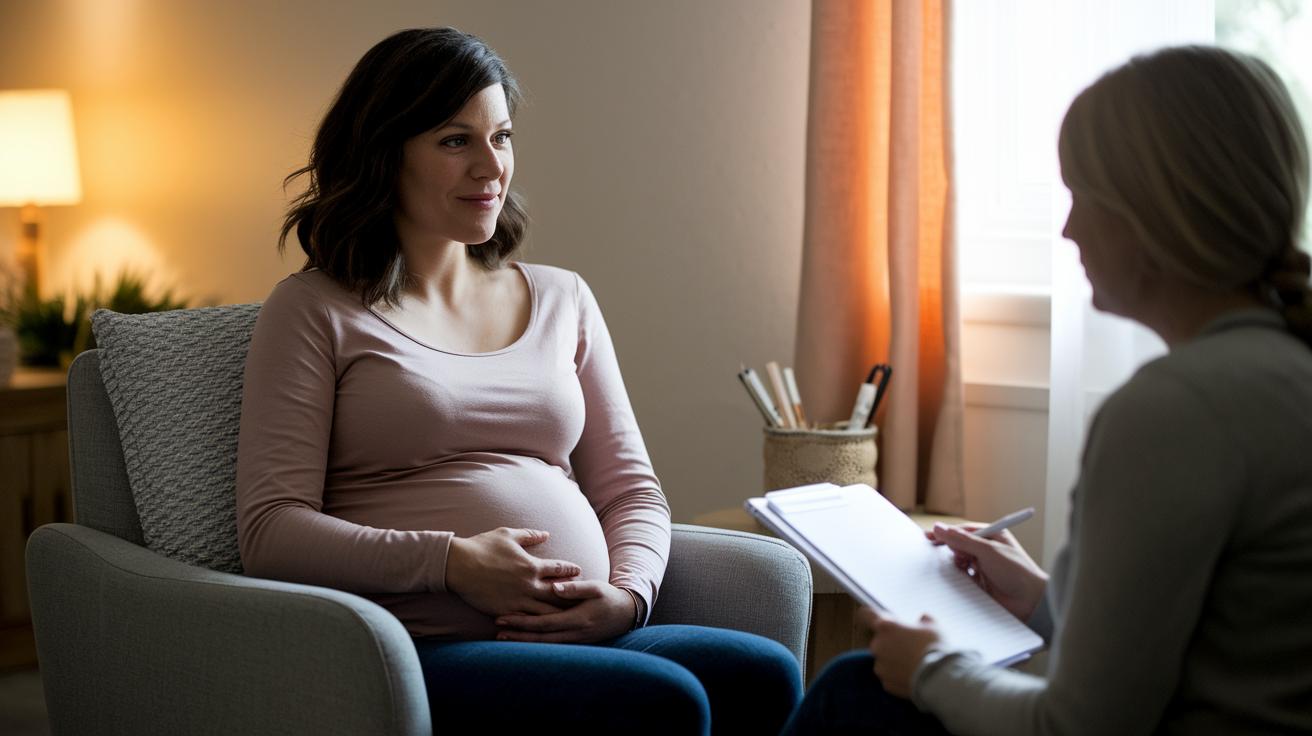
Many moms find that simple therapy sessions, such as CBT and IPT, can really help ease the mood changes that come with pregnancy. These approaches can lower symptoms by about 60 to 70% and turn heavy worries into small, manageable steps for self-care. One mom said, "I felt my worries shrink with each session, like turning heavy burdens into light tasks." It’s like having a friendly chat where you learn clear ways to handle stress while feeling heard about all the changes you’re experiencing.
Sometimes, though, therapy might not be enough on its own. In those cases, safe medication options can be considered, especially when you’re dealing with more intense feelings. For example, doctors may suggest a medication like sertraline. This selective serotonin reuptake inhibitor (SSRI) has been used carefully and carries less than a 1% risk of neonatal adaptation syndrome (a short adjustment period for the baby). Usually, moms have 2 to 3 visits, spaced about 4 weeks apart, with a psychiatric expert. This gentle schedule helps you adjust to the treatment bit by bit while your healthcare team keeps a close eye on how you’re doing.
Holistic and Lifestyle Strategies for Mental Wellness in Pregnancy

Mindfulness is a simple, caring practice that helps soothe your mind and ease stress during pregnancy. Even just 15 minutes a day can lower stress levels significantly. Imagine sitting quietly, with your thoughts drifting gently like soft ripples on a still lake, a little pause that can make a big difference.
Prenatal yoga two or three times a week can really help ease anxiety over time. Picture yourself in a calm space, moving gently as you stretch; it’s like giving your body and mind a peaceful, nurturing hug. This gentle practice not only relaxes your muscles but also comforts your emotions during this special time.
A bit of exercise, whether it’s a brisk walk around the neighborhood or a few simple stretches at home, can lift your mood. Moving helps your body release those natural feel-good chemicals, much like a light stroll in the park that brightens your day and clears your mind.
Eating a balanced diet rich in omega-3 (found in fish) and B vitamins can also help reduce feelings of sadness. Think of a plate filled with colorful fruits, vegetables, and whole grains that not only fuels your body but also lifts your spirit, making you feel nourished from the inside out.
Sometimes, a warm cup of chamomile tea can be just the gentle remedy you need. Enjoying this herbal brew in the evening can turn into a cherished ritual, helping your thoughts settle and inviting a calm, peaceful sleep.
Building Support Networks for Maternal Mental Health

When you're expecting, connecting with others really helps. Imagine having someone to talk to when emotions feel like they're taking over. A hotline like 1-833-TLC-MAMA offers friendly, around-the-clock support. And joining a prenatal support group, or even having a telehealth talk, can boost your mood by about 15%, it’s like having a cozy chat over a warm cup of coffee where you share your experiences.
Family and friends, along with online groups, add even more care. Studies show that when family joins obstetric visits, treatment gets a 25% boost in following through, showing that being surrounded by care really helps both you and your little one. Plus, online hubs offer handy fact sheets and personalized risk checks, making it easy to feel understood and supported during this special time.
Final Words
In the action, we explored how hormonal shifts can affect mood and why noticing signs of stress is key. We talked about screening tools, safe treatment options, and mindful lifestyle steps to support well-being. We also shared how community ties play a big role in easing those tough moments. Mental health in pregnancy is worth every bit of care, and small steps can build lasting strength. Stay positive and keep moving forward, good days are on the horizon!
FAQ
Does mental stress during pregnancy affect the baby?
Mental stress during pregnancy affects the baby by influencing hormone levels that can impact fetal growth and overall development. Reducing stress with support and self-care is beneficial for both mom and baby.
What is the golden rule for every pregnant woman?
The golden rule for every pregnant woman is to take good care of her overall health by staying attuned to her emotional state, resting well, and reaching out for help when needed.
Which trimester is the hardest emotionally?
The first trimester is often the hardest emotionally as hormonal changes and new adjustments trigger mood swings and worries, making emotional ups and downs more common early on.
How to stay calm and happy during pregnancy?
Staying calm and happy during pregnancy involves embracing self-care through practices like mindfulness, gentle exercise, good nutrition, and building a strong support network with family or peers.