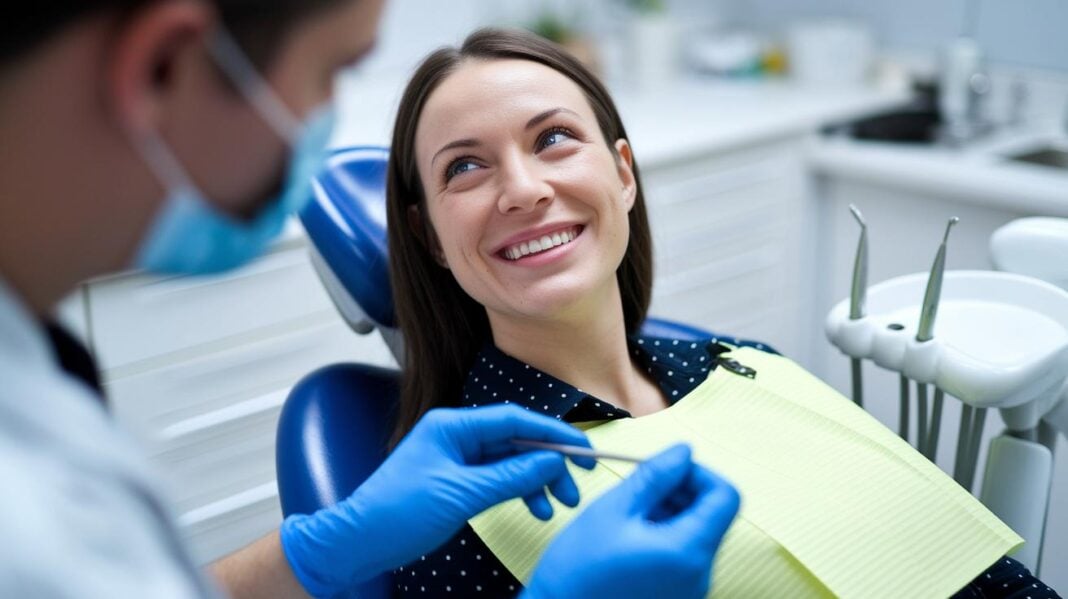
Have you ever noticed that your smile might change when you're expecting? A lot of moms see that their gums become red or puffy, and sometimes little bumps show up that can feel worrying. Today, we're chatting about how your body’s hormones can change your mouth and what gentle dental care can do to help protect both you and your baby. Think of a dental check-up like a tiny tune-up for your smile, it helps keep infections away and keeps you feeling confident. Let’s explore how a few simple steps can keep your smile healthy and bright during one of life's most special times.
Overview of Oral Health Risks and Safe Dental Care in Pregnancy

Pregnancy brings many changes to your body, including your smile. With higher hormone levels, your gums can get extra blood flow, making them red, puffy, and sore. You might notice signs of pregnancy gingivitis (gum irritation) or even little bumps sometimes called pregnancy tumors. If these issues don’t get the care they need, they could turn into bigger problems and even affect your baby’s arrival.
It’s really important to keep your dentist or hygienist in the loop about your pregnancy and how far along you are. This way, they can tweak your care to fit your special needs during pregnancy. Regular dental check-ups, cleanings, and exams help keep plaque in check and lower the chance for infections that might cause complications.
Dental x-rays are generally safe when you wear a lead apron, as the American Dental Association guidelines say. Still, it’s smart to talk with your dentist about any worries you might have. Staying on top of these preventive steps not only protects your smile but also helps ensure both you and your baby have a healthy start.
Hormonal Influences & Gingivitis Prevention in Pregnancy

During pregnancy, your body makes more estrogen and progesterone, which boosts blood flow to your gums. This extra flow can sometimes make your gums red, swollen, and even bleed a bit, kind of like a garden that's gotten a little too much water. When gingivitis isn't taken care of, it can lead to more serious issues like periodontitis, and some studies even link it with early labor.
Regular dental check-ups and cleanings work like a reset button for your mouth, helping to keep plaque and bacteria at bay. At home, small changes in your routine go a long way. Brushing gently and flossing each day can lower inflammation and help prevent those little bumps (called pregnancy tumors or pyogenic granulomas) from forming. Imagine your toothbrush as a trusty helper, working every day to keep your smile healthy! And if you ever notice extra sensitivity, discomfort, or changes in your gum color or texture, it’s a good idea to reach out to your dentist.
Early Signs of Pregnancy Gingivitis
- Gums that bleed during brushing
- Gums that stay red or feel sore
- Noticeable swelling in the gums
If you spot any of these signs, be sure to chat with your dental provider about the best care for your gums.
Safe Dental Procedures & Timing During Pregnancy

When you're expecting, it’s important to keep up with your regular dental checkups. Cleanings and exams are safe and help control plaque and gum swelling. Your dentist will chat with you about the best care for your changing needs. X-rays can be done safely if you need them, as long as you wear a lead apron. Medicines like lidocaine are fine in the right doses, so any needed work can go ahead. Sometimes, treatments done just for looks might be delayed so you can relax a bit more during this special time.
Your dental team looks at every case on its own. They consider when you are in your pregnancy and how urgent your dental issue may be. Treatments that ease pain or stop infections, like fillings and even an emergency root canal, are seen as safe and really important. On the other hand, treatments for cosmetic reasons might wait until after your baby is born to help keep both of you comfortable.
Regular dental visits can keep your smile bright and help your overall health. Even if you’re feeling some discomfort, taking care of your teeth now can stop bigger problems later. This way, you reduce risks without affecting your pregnancy. If you have any worries, share them with your dental provider. They can give you advice that fits with where you are in your pregnancy and how your mouth is doing. Keeping up with safe dental work is a little step that helps you shine and prepares you for a healthy start with your baby.
Preventive Oral Hygiene Routines During Pregnancy

Taking care of your teeth while you're expecting means having a simple daily routine that works. You really want to brush with fluoride toothpaste at least twice a day, ideally after every meal. For example, you might say, "After lunch, I spend a few extra minutes brushing, knowing it keeps my smile fresh." This little habit helps keep your mouth clean and free of irritation.
Flossing every day is like giving your mouth a gentle sweep to clear away tiny bits of food and bacteria. Even a quick floss can help keep gum swelling or gingivitis at bay, leaving your mouth feeling healthier.
Don’t forget those regular dental check-ups every 3 to 4 months. Professional cleanings can remove buildup that brushing and flossing might miss. Plus, your dentist can catch any problems early, which keeps both you and your baby safe.
Stick with this routine, and you'll keep plaque away while shining with a safe, beautiful smile during your pregnancy.
Nutritional & Lifestyle Strategies for Strong Teeth During Pregnancy

Eating well not only fills you up but also keeps your teeth strong as your body nurtures your little one. One neat trick is to include dairy foods like milk, cheese, or yogurt, and even their fortified versions, in your diet. They give you that extra calcium that helps build sturdy teeth and supports your baby’s growing bones. Imagine saying, "My low-fat yogurt not only tastes great but really boosts my calcium!"
Cutting back on acidic and sugary snacks can really help protect your smile. Instead of reaching for a soda or some candy, try enjoying a crisp apple or crunchy veggie sticks. One mom I talked to mentioned, "I swapped my sugary drink for an apple, and even my dentist noticed my brighter smile!" Isn’t it amazing how a little change can go a long way?
And don’t forget to keep hydrated. Sipping water after meals helps wash away any lingering food bits and keeps your mouth’s pH balanced. Such a simple habit makes your mouth feel fresh and clean.
When you combine these small tweaks with regular oral care, you’re setting the stage for a healthy, bright smile throughout your pregnancy. It’s all about taking little steps that add up to a really big difference.
Managing Dental Discomfort & Emergencies in Pregnancy

Morning sickness can be hard on both your tummy and your teeth. When you vomit, the acid can slowly wear away the protective layer on your teeth. One easy trick is to rinse your mouth with a mix of water and a small pinch of baking soda after you throw up. This gentle rinse can help wash away the acid and keep your teeth a little safer.
Using a soft toothbrush along with a simple fluoride toothpaste can also help. Your soft brush cleans off food bits without upsetting your gums, and many moms have noticed that this small change can ease discomfort after a bout of nausea.
If you find yourself vomiting more than usual, consider using a protective mouthguard. Think of it as a shield for your teeth, it stops the acid from making direct contact with them. It might sound a bit unusual, but if your morning sickness is really severe, this could be a helpful option.
Keep an eye out for any worrisome signs too. If you notice ongoing pain, swollen gums, or even a fever, these might be hints of an infection starting. When that happens, don’t hesitate to call your dentist. Seeing a professional early can help keep both you and your baby as healthy as possible.
Remember, a bit of gentle care at home goes a long way, and by watching for these warning signs, you’ll know when it’s time to get a little extra help.
Impact of Maternal Oral Health on Pregnancy Outcomes

Taking care of your gums is more than just keeping a bright smile, it can actually help protect your baby. Research shows that if gum disease goes untreated during pregnancy, it might be linked to babies being born too early or with a lower birth weight. When your gums are swollen, tiny germs can slip into your blood and send out signals that might kick off labor sooner than expected.
Keeping your teeth and gums healthy with regular brushing, flossing, and dental checkups is like creating a little safety net. One mom even mentioned that when she put in that extra care, she felt a reassuring calm knowing she was doing her best for her baby. This care helps stop bacteria from building up and reduces swelling, which lowers the chances of both you and your little one having problems.
Moreover, healthy gums today could mean fewer dental issues for your child later on. A consistent tooth care routine during pregnancy sets your baby up for a healthier future, even before they take their first breath. So, taking a few extra moments for your oral health now might make a big difference for both of you.
Final Words
In the action, this article highlights the importance of keeping up with oral health during pregnancy. It covers how pregnancy can bring changes to your gums and offers safe dental care advice, from routine check-ups and preventive hygiene routines to managing discomfort and emergencies. It also shares tips on nutritional choices that support both mother and child. Staying informed and proactive with oral health and pregnancy care gives you greater confidence and peace of mind. Keep smiling, the future is bright for you and your little one.
FAQ
What are some resources available for pregnancy and oral health?
The pregnancy and oral health resources, including PDFs, articles, and presentations, offer clear guidance on safe dental care and tips for managing changes during pregnancy.
How common is it to lose teeth during pregnancy?
Losing teeth during pregnancy isn’t common. Hormonal changes can increase gum sensitivity, so regular dental care and proper hygiene are essential to protect your smile.
Why is oral health important during pregnancy?
Maintaining oral health during pregnancy matters because healthy gums help reduce the risk of complications like pre-term labor, keeping both you and your baby safe.
How does calcium deficiency affect teeth during pregnancy?
Calcium deficiency during pregnancy can weaken tooth enamel and raise cavity risks, which is why a balanced diet rich in calcium is important for dental strength.
What oral changes occur during pregnancy?
Hormonal shifts may lead to swollen, tender gums and mild bleeding during brushing, which are early signs of pregnancy gingivitis and a cue to see your dentist.
What does the CDC say about oral health during pregnancy?
The CDC advises that routine dental care, including cleanings and examinations, is safe for expectant mothers and helps prevent complications linked to gum disease.
What is the 2 2 2 rule for teeth?
The 2 2 2 rule means brushing twice a day, flossing twice a day, and visiting the dentist twice yearly to help keep your teeth healthy and strong.
Can gum disease affect an unborn baby?
Yes, gum disease can raise the risk of pre-term delivery and low birth weight, so managing your oral health is important for both your well-being and your baby’s.
How can dental issues be prevented during pregnancy?
Preventing dental issues during pregnancy is achieved by brushing, flossing daily, and scheduling regular cleanings, which help control plaque and reduce gum inflammation.
Do pregnant women get more cavities?
Pregnant women might develop more cavities due to hormonal changes that increase sensitivity and plaque buildup, making diligent oral care especially important.