Student enterprise projects give young people a chance to plan, buy, sell and reflect, all within a short term at school. A class might run a bake sale, a craft stall or a small design business, and each activity produces a flow of materials that must be bought, stored and used. Without careful planning, that flow can leave unsold goods, half-used ingredients and piles of packaging that nobody wants. The ideas below show how teachers and students can run a project that teaches useful habits while keeping stock under control. They are general educational suggestions, not guidance on any particular business.
Plan Stock Around Real Orders
Every project should begin with a simple estimate of demand. Ask the class to list the items they plan to sell, and then research how many customers are likely to visit. Pre-orders from families or a short survey of the school community can give a sensible starting point. Buying in line with those figures keeps the project lean and gives students a clear lesson in matching supply to demand.
Readers may also want to visit Itsnews.net. Ask one group to keep the figures current during the project. Compare the estimate with the real sales at the end, and discuss the gap as a class. This reflection is often the most valuable part of the activity.
Students can also compare two possible order sizes and explain which one they would choose, which builds reasoning skills.
Reuse Packaging and Display Materials
Packaging and display items can become a large source of waste if they are used once and discarded. Choose packaging that can be reused, such as jars, cloth bags or clear boxes that can be washed and stored. Display tables can be built from materials already in the school, and decorations can be kept for the next event. Label each reusable item so that it is returned to the right place.
You can also visit tgdailynews.com for more reading. Ask students to design displays that can be taken apart easily. This approach encourages creativity and reduces the need to buy new supplies each time. A display that lasts several events is a strong sign of good planning.
Ask families to donate clean containers and fabric offcuts, since these are often useful for display work.
Keep Records for Learning and Accountability
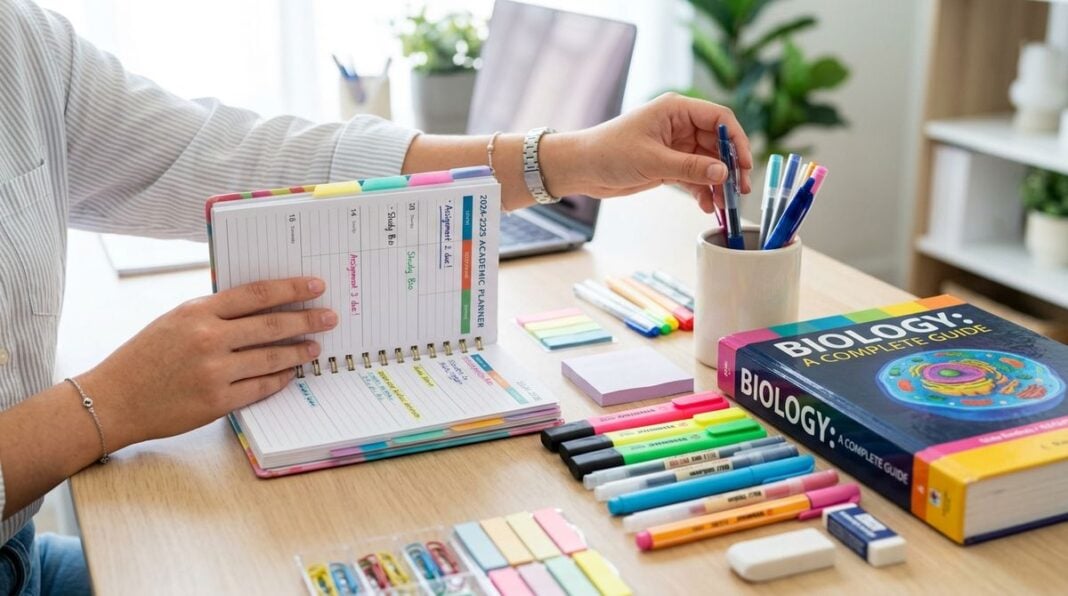
Records help students understand what the project achieved. A simple sheet can track the items bought, the quantities sold, the amounts collected and the stock left over. Students can take turns keeping the sheet up to date, which builds responsibility and attention to detail. Clear records also make it easier for teachers to review the project with the class.
A short weekly review of the sheet keeps the numbers current, so that decisions rest on the latest information.
For a related read on this site, see Organizing a Neighborhood Wellness and Recipe Exchange Group. Adapt the layout to suit the size of the project and the age of the students. Keep the records in a shared folder that the class can view. Honest records teach students that accounts matter, even in a small activity.
Encourage students to check each figure against the receipts, which teaches careful habits that carry into adult life.
Sell Leftovers Through Thoughtful Bundles
Unsold items do not need to go to waste. Bundling several products into a themed pack can attract buyers who might not have chosen a single item. A last-hour offer, a free sample or a donation of extras to a class in another year group can also clear stock. Plan these options before the event, so that leftovers are not an afterthought.
Consider where leftover food or consumables can go safely. Perishable items should be shared quickly or taken home by families who want them. Non-food items can be stored for the next project. Recording what happened to each leftover completes the picture of how the project used its resources.
Reflect as a Class at the End
A short reflection at the close of the project turns experience into learning. Ask students what went well, what surprised them and what they would change next time. Encourage them to discuss how stock was planned, how waste was handled and how the team worked together. Write the conclusions on a board so that they can be used in future years.
Reflection also builds confidence. Students who explain their decisions gain skills in reasoning and communication. Thank everyone who helped, including families and other staff. A thoughtful ending makes the next project easier to plan and more rewarding to run.
Simple thank-you notes written by students can also strengthen the bond between the class and the families who helped.
Small Ventures Teach Lasting Habits
A student enterprise that wastes less stock teaches valuable lessons about planning, reuse, record keeping and reflection. Estimating demand, reusing packaging, tracking records, selling leftovers thoughtfully and reflecting as a class help students see the link between careful choices and good outcomes. These habits travel well beyond the classroom. A modest project can leave a lasting mark on how young people think about resources.