A new curriculum year brings fresh goals, updated materials and often a different mix of learners. Teachers who prepare the classroom early can focus on students rather than on last-minute searches for supplies. A thoughtful setup also helps families understand what the year will look like from the first week.
Reviewing the Learning Goals
Begin by reading the new learning goals carefully and listing the skills students must build. Compare them with last year’s plan to see which units stay the same and which need significant changes. Mark the topics that will need extra class time or additional practice. A clear map of goals gives every later decision a purpose.
Readers may also want to visit pindnews.com. Sketch a rough timeline for each term, with space for review and assessment. Mark a week near the end of each term for catching up and revisiting the hardest material. Build in flexibility for students who need more time or who move ahead quickly. A realistic timeline keeps the year balanced.
Share the broad outline with colleagues at the same grade level, since shared timing makes group projects and assessments easier to coordinate. Compare calendars once a term to keep the plans aligned.
Arranging Space for Different Activities
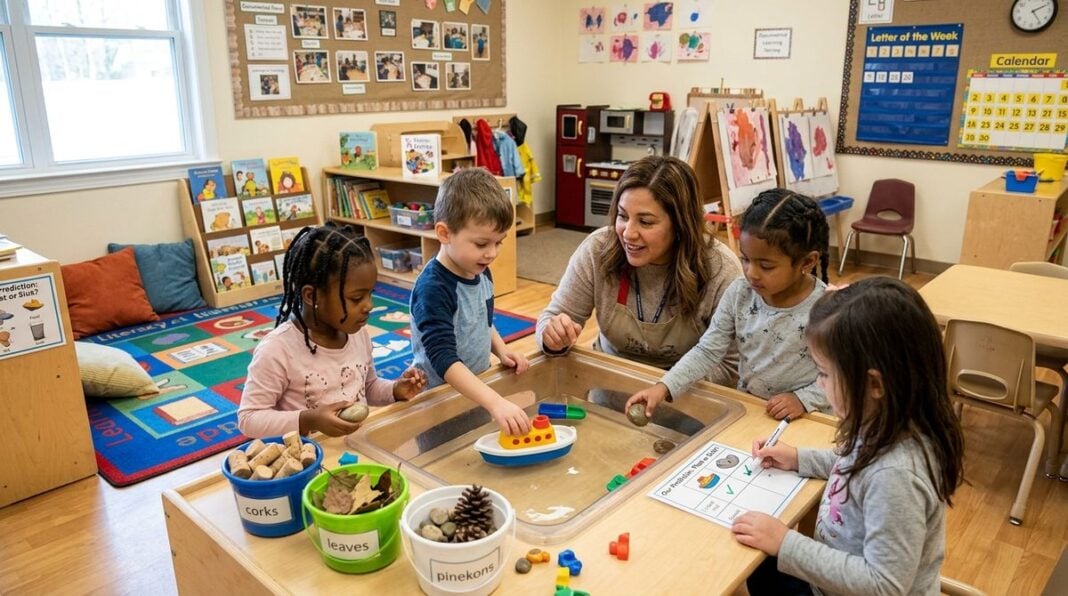
The classroom layout should support the way students learn each day. Create zones for whole-class instruction, small-group work, quiet reading and hands-on projects. Keep frequently used materials within easy reach so that transitions stay smooth. A well-organized room reduces wasted minutes and keeps energy focused.
Think about sight lines, so that you can see every student from your teaching position. Place desks or tables where students can work together without crowding the walkways. You can also visit bajiroo.com for more reading. Keep the corner stocked with quiet activities such as puzzles and drawing paper. Arrange the room with the first week in mind, then adjust once you see how students move through it.
Building a Shared Routine
Routines help students feel secure and make classroom management easier. Decide how the day will begin, how students will ask for help and how materials will be collected and returned. Post the routines in a clear visual format so that students can refer to them without constant reminders. Consistent habits free up attention for learning.
Introduce routines during the first days, and practice them until they feel natural. Explain the reasons behind each routine so students understand why it matters. For a related read on this site, see Guiding Students Through Local Journalism and Visual Media. A shared routine turns the classroom into a community with common expectations.
Gathering Materials Early
Gather materials before the year begins so that lessons do not stall for lack of supplies. Set a date in the calendar to restock the most used items before the term starts. Make a list of consumables such as paper, markers and science equipment, and check what is already on hand. Organize storage bins by subject or activity so that materials are easy to find. A tidy supply system saves time during busy weeks.
Look for reliable sources for any new resources the curriculum requires. Ask colleagues which materials they found most useful in the past. Ideas for low-cost classroom supplies are widely shared by teachers and are easy to find. Ask colleagues to share a list of the materials they found most useful this year. Keep a simple inventory so you know when items need restocking.
Store seasonal materials in clearly labeled boxes so they are easy to retrieve when the calendar calls for them. Ask students to help tidy the supply area, since it builds responsibility and reduces your own load.
Planning Family Communication
Families want to understand the year ahead, and clear communication builds trust from the start. Send a welcome letter that outlines the main topics, the expected homework pattern and the best way to reach you. Share the schedule for assessments and special events so parents can plan around them. Consistent updates reduce surprises later.
Set up a regular channel for updates, such as a monthly newsletter or a shared online calendar. Invite questions and respond promptly so that concerns do not grow into misunderstandings. Share student successes as well as challenges so families see the full picture. Strong partnerships make learning feel like a shared effort.
Consider a short meeting early in the term where families can meet the teacher and ask about routines. A friendly first conversation often makes later messages easier to read. Offer a few time slots so that working families can attend without missing a shift.
A Classroom That Starts the Year Ready
A classroom prepared with clear goals, purposeful space and steady routines sets students up for success. Early planning for materials and family communication lets teachers spend energy on teaching. Review the setup after the first few weeks and make changes where needed. A well-prepared start helps the whole year unfold with greater ease.