A second viewing gives a family the chance to look past the staging and the first impression, yet it is also easy to be swayed by good lighting or a friendly host. Buyers who are close to a decision need to test the home against their real daily life before making an offer. The checklist below sets out six checks to complete during or after the return visit. Take the time to walk through each one, and ask the questions that a first walk-through tends to skip. A calm second look often reveals issues that were invisible the first time. Plan the visit for a time when you can walk slowly through every room.
Revisit the Listing Promises
Begin by comparing the written description with what you see on the second visit. Check the room sizes, the number of bathrooms, the age of the roof and any upgrades that the listing mentions. Readers may also want to visit Erome. Note any statement that does not match the home, and ask the seller’s agent to explain it in writing. Keep a photo of the listing page on your phone to compare later.
Check Noise at Different Times
Sound changes throughout the day, so the second viewing should happen at more than one time. If the first visit was in the afternoon, return in the early morning or on a weekday evening. Listen for traffic, trains, neighbors and mechanical equipment, and stand near the walls that face the busiest road. You can also visit thenewsdetail.com for more reading. Stand still for a full minute at each spot, so you hear the sounds that come and go. Visit the street during the school run to hear the busiest period. Noise that seems tolerable in daylight can become intrusive at night.
Check Drainage and Yard Grading
Water damage is one of the costliest surprises in a home, so look at how the yard slopes and where rain collects. Walk the perimeter after a shower if possible, and check the gutters, downspouts and the spot where the downspout empties. For a related read on this site, see Organizing a Community Skill Share for Neighborhood Families. Ask the seller whether the basement has leaked in the past, and request any repair records. Look for stains on the ceiling of the lowest room. Check the gutters on the garage as well as the house.
Check Heating, Cooling and Electrical Systems
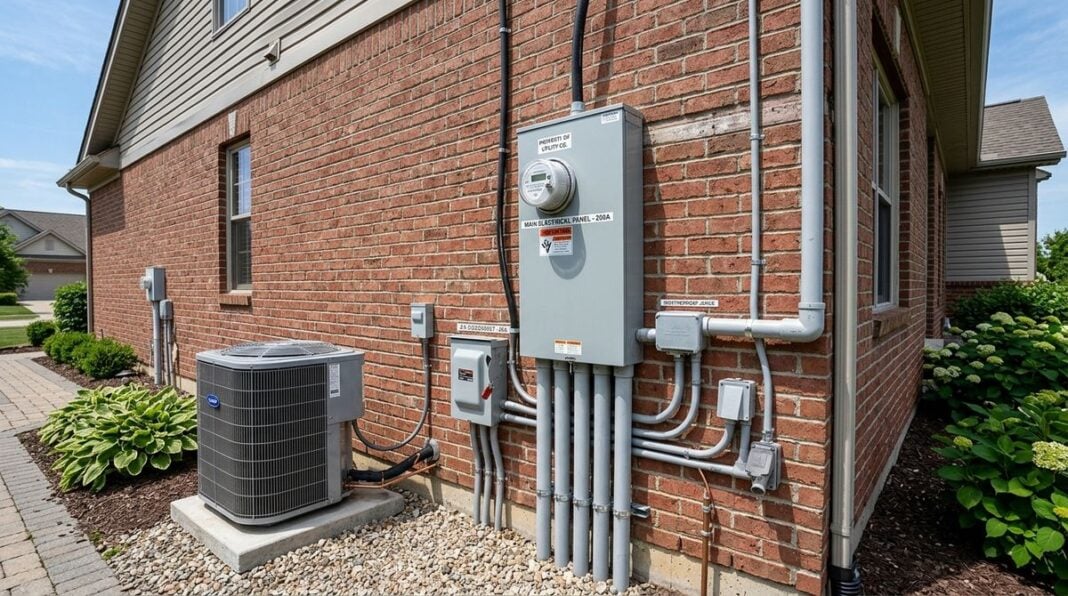
Ask to see the furnace, the air conditioning unit, the water heater and the electrical panel. Note the age of each system and any labels that show the last service date. Turn on the taps, flush the toilets and run the dishwasher or washing machine if the seller allows it. Check that outlets work in each room and that the panel is labeled clearly. A qualified inspector can examine these systems in detail, and a second viewing is an excellent time to decide whether that inspection is worth booking. Ask the seller for the service records for each system. Note any unusual smells from the water heater or the furnace room.
Talk With the Neighbors
Neighbors know things that a listing will never reveal, such as the speed of traffic on the street, the reliability of the garbage collection and how the flooding behaves after heavy rain. Introduce yourself politely, explain that you are considering a purchase, and ask a few open questions. Keep the conversation friendly and brief, and avoid making statements about the seller. Neighbors often provide the most honest picture of daily life on a block. Ask them how long snow stays on the street in winter, if that applies. Ask whether the street has a regular cleaning schedule.
Plan the Measurements and Layout
Bring a tape measure and a floor plan of the family’s current furniture. Measure the doorways, the stairwells and the rooms where large pieces must fit. Check whether the bedrooms can hold the beds and wardrobes you already own, and whether the kitchen has enough counter space for everyday use. Stand in each room and imagine a typical morning, because the flow of the home matters as much as its square footage. Note where the light falls during that morning. Count the steps from the car to the front door.
Deciding Whether to Make an Offer
A second viewing is a good moment to decide whether the home truly fits. If the listing matches the property, the noise and drainage are acceptable, the systems look sound and the neighbors seem agreeable, the family can move forward with an offer. If any check raises a concern, ask for more information or consider a professional inspection before deciding. Keep notes from both visits, because they help the family compare homes fairly and avoid choosing on mood alone. Share the notes with everyone who will live in the home. Keep the notes for at least a week before deciding.