A smartwatch and a basic activity band can both track daily movement, yet they differ in battery life, screen features and how much data they collect. The right choice depends on what you actually want from the device, not on the longest feature list. Buying the most advanced model can waste money if you mostly glance at the time and the step count. This checklist covers six checks that help you compare the two options fairly. Keep the answers in a short list so the decision is easy to explain later.
Check Battery Life for Your Routine
Start with how often you are willing to charge the device. Some smartwatches need charging every day, while many fitness bands last several days on a single charge. Think about your typical week, including workouts, sleep tracking and any long days away from a charger. Readers may also want to visit Web Aspiration. Turn on the features you would really use and note how the battery responds over two or three days. A device that needs nightly charging may be fine for some people and frustrating for others.
Review Notification Filtering
Notifications can be useful or distracting, depending on how they arrive on your wrist. You can also visit Sali Blog for more reading. Check whether you can choose which apps send alerts and whether replies from the watch are possible. Consider how often you would want to check messages without reaching for a phone. A device that buzzes constantly can undo the calm you bought it to support. Try turning off every alert for a day to see whether the quiet feels useful or lonely. Note which alerts you miss and which ones you would never want to lose.
Judge Screen Readability in Bright Light
Take the device outside and try reading the time, a step count and a notification in full sun. Some screens look vivid indoors but wash out on a bright afternoon. Others use simple displays that stay clear in any light but offer fewer colors and animations. For a related read on this site, see Brake Pads, Rotors, or Both: A Checklist Before. Check whether the screen wakes quickly when you lift your wrist. Notice whether glare makes the time hard to read at a glance. Choose the screen that works where you spend most of your daylight hours.
Read the Water Resistance Labels
Water resistance ratings describe how a device handles splashes, rain and swimming, and the labels can be confusing. Read the exact rating for each model and check whether it covers showers, pool use or only light rain. Note whether the manufacturer recommends removing the band before swimming or using certain sports modes. Do not assume a device suits every water activity just because it carries a reassuring label. Ask the seller to explain what the rating covers, and keep the manual for later reference. Clear expectations prevent expensive repairs after an unexpected splash. Rinse the band after salty or chlorinated water, since residue can wear the seals.
Check Data Privacy and Account Settings
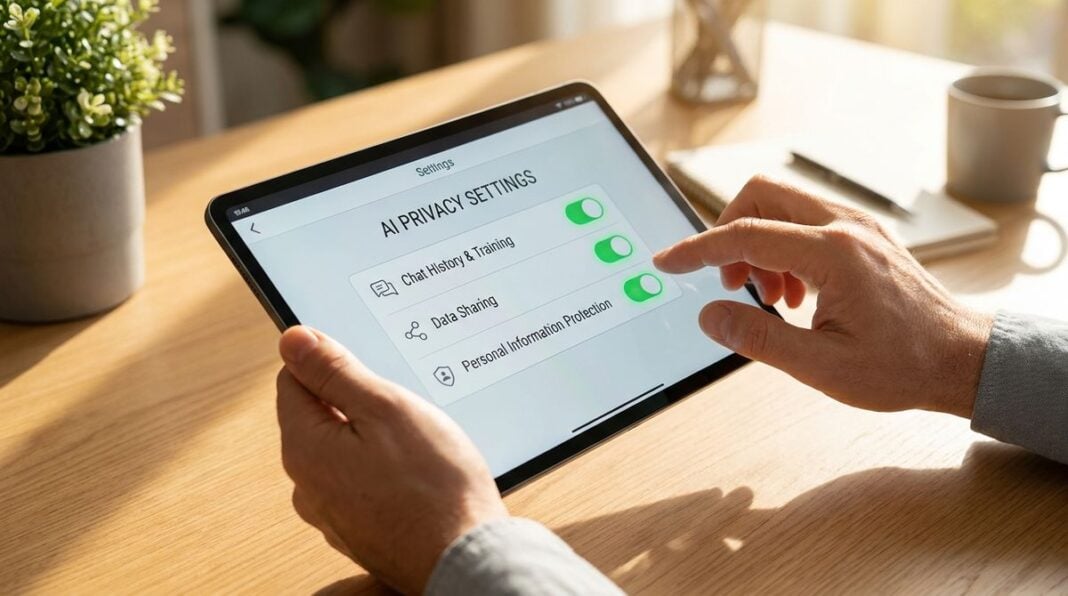
Both types of device collect movement and activity information, and many connect to a phone app. Read how each app handles sharing, cloud storage and third party access. Turn off any setting you do not need, and make sure your account has a strong password. Check whether the device still records basic counts when it is not connected to a phone. Decide whether you want location data switched on for outdoor routes, since that setting is easy to leave on by accident. Understanding these choices helps you enjoy the features while keeping control of your information.
Compare Band Comfort and Replacement Options
A device worn all day must feel comfortable during sleep, workouts and desk hours. Try on the band and check whether the clasp pinches or the strap leaves marks. Look at how easily replacement straps can be bought in the sizes and styles you prefer. Some models accept universal bands, which gives you more freedom to change the look over time. Wear the device for a full afternoon before deciding, since comfort changes after a few hours. Comfort and easy replacement often matter more than the screen after the first month. Keep the original box so the return option stays open for a short time. Notice whether the band is easy to clean after a long day.
Pick the Device That Fits Your Day
Gather your notes on battery needs, notification habits, screen readability, water use, privacy settings and comfort. If a basic band meets most of your needs with less upkeep, it may be the better purchase. If you rely on messages, maps and smart features during the day, a smartwatch may justify the extra charging. Either choice is sound when it reflects how you actually live, rather than the list of features on the box. Revisit your notes after a month of real use, and change the device if the early choice does not fit. Trust your everyday experience more than the spec sheet.