Have you ever thought about how your daily vitamin can help take care of you and your baby? It's a bit like giving extra water to a garden, just the boost your little one needs to grow strong. ACOG prenatal vitamins (these are vitamins recommended during pregnancy care) work with a healthy diet to give you important nutrients like folic acid, iron, and calcium. With these vitamins, you can feel good knowing that your body and baby are getting the support they need. It's no wonder so many moms choose this trusted, healthful option to meet their nutritional needs.
ACOG Recommendations for Prenatal Vitamin Use

It’s important to get your nutrients from a variety of foods. Think of your meals as little building blocks that help your baby grow strong. Tools like USDA’s MyPlate can guide you in making balanced meals with fruits, veggies, lean proteins, and whole grains. And if your meals ever fall short of meeting your needs, your doctor might recommend a daily prenatal vitamin to fill in the gaps. Imagine your body as a garden, sometimes a few plants need that extra bit of water to bloom beautifully.
ACOG highlights a few key nutrients such as folic acid, iron, and calcium. Folic acid can help lower the risk of certain birth defects, iron supports your body’s extra blood during pregnancy, and calcium is essential for building your baby’s bones. Many doctors suggest pairing a nutritious diet with a prenatal vitamin so you both get enough of these important nutrients. In fact, lots of moms start a supplement routine when food alone doesn’t seem to cover all the bases.
Your health care provider might also consider your pre-pregnancy body mass index (BMI) to tailor their advice to you. They check your overall nutrition and adjust their recommendations so you and your baby receive exactly what you need. This careful, evidence-based approach helps make sure there are no gaps in your diet while supporting all the changes your body goes through.
By following these thoughtful guidelines, you can feel confident that both you and your baby are getting the support you need.
ACOG Prenatal Vitamins: Key Nutrient Dosages

ACOG guidelines suggest that every prenatal vitamin should include certain daily amounts of key nutrients. For instance, they recommend 400 to 800 micrograms of folic acid to help reduce the risk of neural tube issues. Think of it as giving your baby a strong start for a healthy brain and spine.
They also recommend about 27 milligrams of iron to support the extra blood your body makes during pregnancy. Many moms find that taking their vitamin with a familiar part of their routine, like a morning coffee, makes it easier to remember. One mom even shared, "Taking my vitamin with breakfast keeps me on track, even on really busy days."
Prenatal vitamins also help you reach your daily calcium goals by adding to what you get from food. While it’s best to get most of your calcium from your diet, these vitamins can cover the extra needs, especially on days when your meals might not be perfectly balanced.
Making it a habit to take your vitamin at the same time each day can really help, too. When days get hectic or morning sickness throws off your routine, these small, steady steps can bring lasting benefits for both you and your baby.
Scheduling and Dosage Guidelines for ACOG Prenatal Vitamins

When you’re planning for a baby, it’s so helpful to build a daily routine that keeps your body nourished. ACOG suggests starting folic acid (a key vitamin for baby’s growth) and other prenatal vitamins about one month before you try to conceive. This early boost gives your body what it needs from the start, helping your little one grow strong right away.
Taking your vitamins every day through all the trimesters helps keep your body’s nutrient levels steady as your needs change. It works hand in hand with a balanced diet, too, since everyone’s weight gain goals can be different. Even on those hectic days, a set routine makes all the difference.
Maybe you take your vitamins with your breakfast or dinner. A friendly reminder on your phone or a note on the fridge can really help you stick to the plan. As you move through each trimester, you might even tweak your timing a bit to match your body’s changing needs. Pairing your vitamins with a meal rich in other nutrients helps your body absorb them better, giving you comfort and confidence every step of the way.
ACOG-Endorsed Prenatal Vitamin Formulations Compared

When picking a prenatal vitamin, it's helpful to know that ACOG recommends supplements that deliver the right amounts of iron, folic acid, and calcium. These key nutrients keep both your body and your growing baby well-supported. The best way to decide is to talk with your healthcare provider about what fits your unique needs.
Tablet and Capsule Formulations
Many moms choose tablets or capsules because they reliably cover the necessary nutrients. They’re made to slowly release the ingredients so your body can absorb them well. I know a friend who said, "Taking a tablet with my morning routine feels like an easy, comforting habit." These traditional options come in clear, exact doses that follow ACOG guidelines, which means you get steady absorption just as experts suggest.
Gummy Versus Traditional Prenatal Vitamins
Gummy vitamins often grab your attention with their pleasant taste and simple use. But when you line them up against traditional tablets, gummies might not deliver as much iron, a mineral that’s really important during pregnancy. Even though they can be gentler on the tummy, it’s wise to check the label to see if they meet ACOG’s recommendations. Chatting with your healthcare provider can help you figure out if a gummy fits into your routine or if a tablet might better cover all your essential nutrients.
Combining ACOG Prenatal Vitamins with Nutrient-Rich Diets
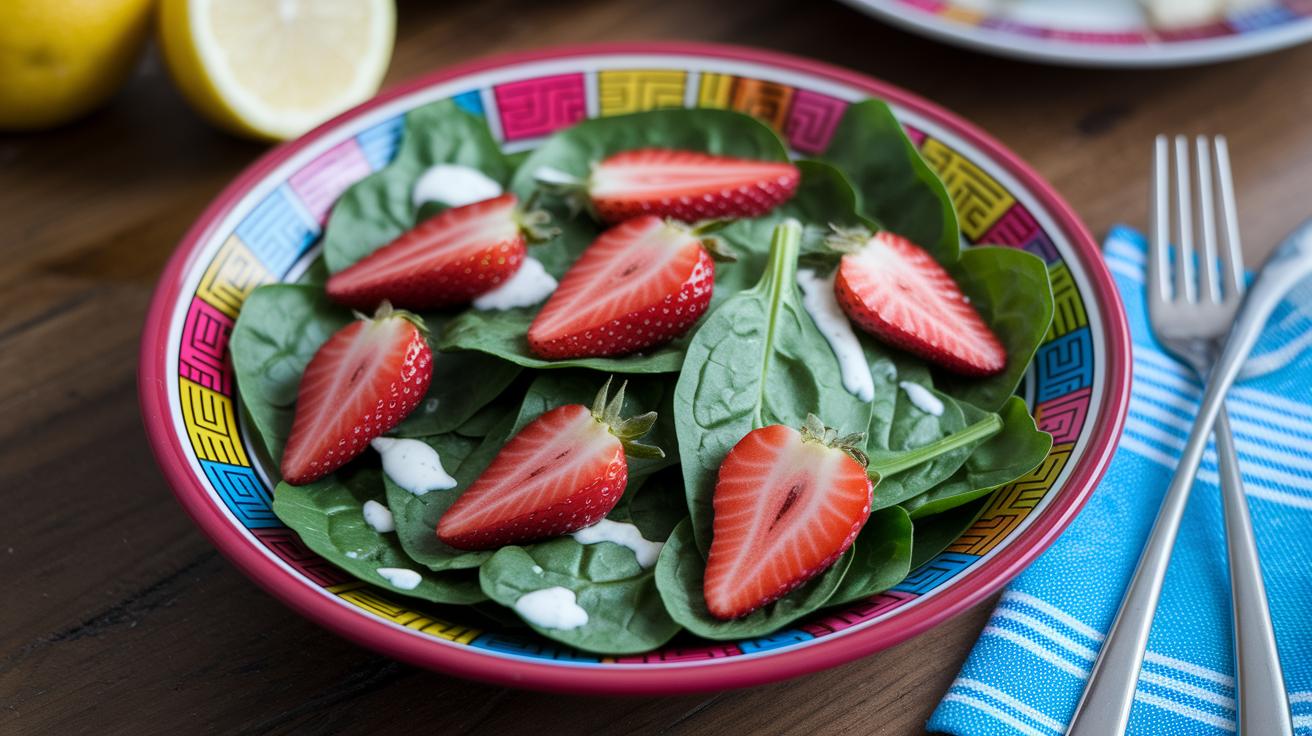
Eating a balanced diet and taking your ACOG prenatal vitamins work hand in hand to give you the nutrients you need while covering any gaps. It’s like planning meals with care , you plan for a week using plenty of fruits, veggies, whole grains, and lean proteins. One mom shared, “I pick fresh, seasonal produce for each meal and use my ACOG prenatal vitamin to support what my body needs.”
Recent studies show that foods filled with vitamin C, like citrus, help you absorb more iron when eaten with iron-rich meals (think spinach with a squeeze of lemon). A perfect example is a spinach and strawberry salad. Toss in fresh spinach, add sliced strawberries, and top it with a light vinaigrette made with lemon juice. Ever tried a spritz of lemon on your greens first? It helps your body use the iron better.
Different cultures add a special twist to these ideas. For example, many Latin dishes mix dark beans with tomatoes to pack in iron and vitamin C. For an easy meal planning tip, try this simple layout:
| Meal Planning Strategy | Recipe Example |
|---|---|
| Pair Iron with Vitamin C | Spinach salad with orange segments and a lemon dressing |
| Whole Grains and Lean Proteins | Brown rice bowl with grilled chicken and mixed veggies |
| Cultural Twist | Black bean soup with tomatoes and a squeeze of lime |
Some moms have made these tweaks a regular part of their day. One shared, "By planning meals with these nutrient pairings, even a simple citrus dish brightened my meals and boosted my energy."
Even little changes, like pairing calcium-rich foods with vitamin D or adding healthy fats and fiber, can help your body absorb more vitamins and minerals. This isn’t just about taking a supplement; it’s a hands-on way to nurture both you and your baby every day.
Clearing Myths About ACOG Prenatal Vitamin Safety

It’s easy to think that taking extra vitamins will give you extra benefits, but that’s not how prenatal care works. ACOG and FDA rules make sure every ingredient in your prenatal vitamin is chosen carefully and measured exactly right. This helps ensure that you and your baby get just what you need.
Health experts warn that too many vitamins can sometimes cause problems. One mom shared, "I used to believe that if a little was good, more must be better. But I learned that sticking to a plan approved by experts keeps me safe." This shows how important it is to follow trusted advice when it comes to vitamin supplements.
By following these expert tips, you can avoid unwanted side effects and help keep your pregnancy safe and healthy. Health providers say vitamins should only be used to fill in the gaps of your diet. Knowing that your supplements meet FDA standards can bring a lot of reassurance during this special time.
Final Words
In the action, we explored how ACOG guides everyday choices for prenatal care. We talked about using supplements alongside a balanced diet, the right nutrient mixes in tablets, capsules, or gummies, and the importance of timing your dosage. We also cleared up common questions about safety and effectiveness. All these insights help simplify decisions on prenatal care with acog prenatal vitamins. Every mom can feel confident that making mindful choices supports both her health and her baby’s growth.
FAQ
What are the ACOG guidelines for prenatal care?
The ACOG guidelines for prenatal care stress getting nutrients from a balanced diet while adding a daily prenatal vitamin covering folic acid, iron, and calcium. Health care providers help tailor advice to each woman’s needs.
What are the most important vitamins for pregnancy?
The most important vitamins for pregnancy include folic acid for reducing neural tube defects, iron for supporting increased maternal blood volume, and calcium for fetal bone growth.
Which prenatal vitamins do OB/GYNs recommend and what is the top choice?
OB/GYNs recommend prenatal vitamins that consistently provide folic acid, iron, and calcium. Many experts consider a supplement that meets ACOG guidelines covering these key nutrients as the top choice.
Are there pregnancy supplements to avoid and when should one start taking prenatal vitamins?
Supplements that contain unregulated ingredients or excessive doses should be avoided. It’s advised to begin a daily prenatal vitamin at least one month before conception and continue through all trimesters.
What are the CDC recommendations for prenatal vitamins?
The CDC recommendations for prenatal vitamins align with ACOG, emphasizing the need for daily folic acid, a balanced nutrient mix, and a nutrient-rich diet to support a healthy pregnancy.
Where can I find detailed guidelines on nutritional requirements during pregnancy?
Detailed nutritional requirements during pregnancy are available in PDFs from ACOG and the CDC, which outline essential nutrients, recommended doses, and the proper timing for supplementation.