
Have you ever wondered if those tiny pills truly make a difference? When you’re expecting, your body needs a little extra help, almost like a caring hand filling in what a regular diet might miss. Think of prenatal vitamins as a steady friend that gives you a boost for strong bones, healthy blood, and a well-growing baby brain. Let’s take a moment to chat about how these vitamins can support you on those hectic days while keeping you well. In truth, prenatal vitamins might be the little lift you need to enjoy a healthy, happy pregnancy.
Prenatal Vitamins: Assessing Their Necessity for Expecting Mothers
When you're expecting, your body needs a little extra help. Prenatal vitamins provide that boost of nutrients and minerals, working hand in hand with a healthy diet filled with fruits, veggies, whole grains, and lean proteins. They’re here to bridge any gaps, offering support when life gets busy. Sometimes, an over-the-counter option is just fine, while other times you might need a prescription choice if your doctor suggests it. Think of these vitamins as a supportive friend, they add extra help and don’t replace your balanced meals.
These vitamins play a big role in your baby’s development. They help build strong bones, create red blood cells, and even support brain growth. Experts agree that while eating well is really important, prenatal vitamins help ensure that you’re covering all the bases, especially on hectic days. Ever notice how a little extra boost can make a whole difference? That’s why doctors recommend them, to keep everything on track, especially when it comes to your baby’s neural growth.
Every mom-to-be is unique, so your vitamin needs might be different from someone else’s. It’s always a good idea to talk with your healthcare provider to see if an over-the-counter option suits you or if personalized support is needed. In truth, taking prenatal vitamins as part of your healthy routine can help you meet the extra nutritional demands that come with pregnancy.
Essential Nutrients in Prenatal Vitamins
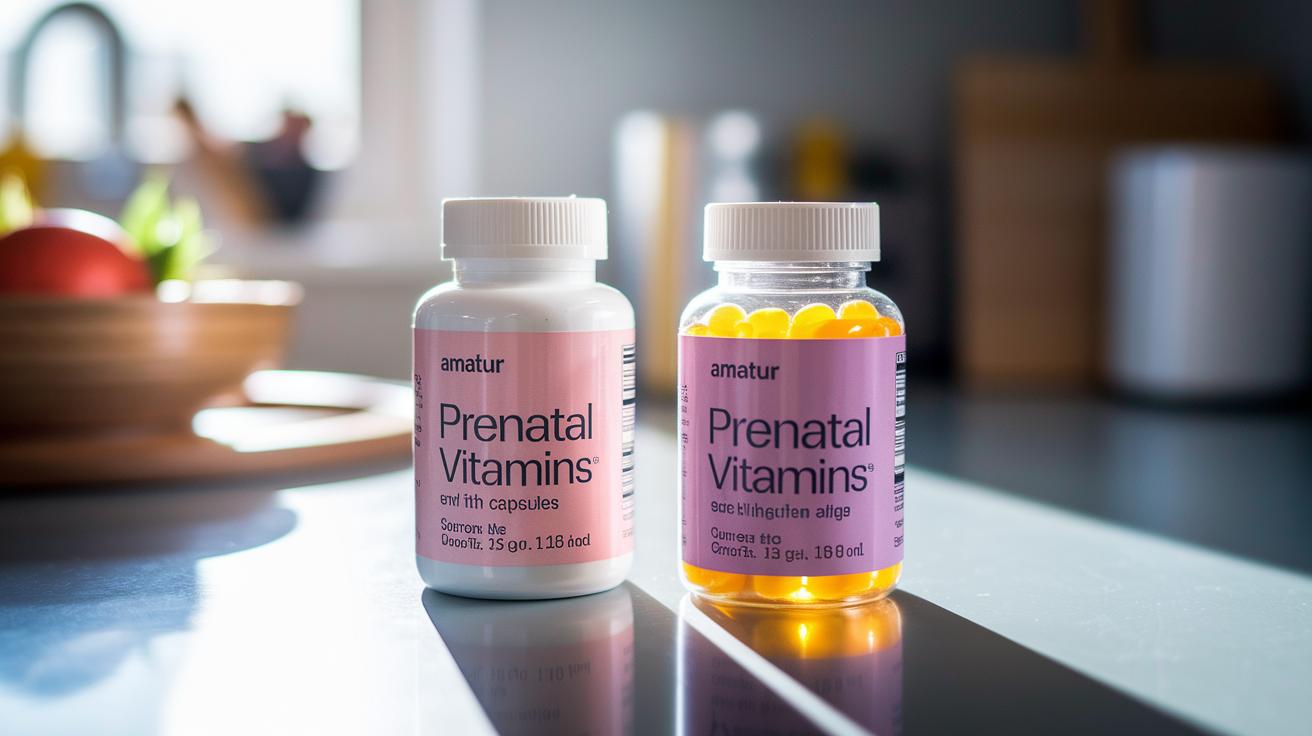
Prenatal vitamins are like a helpful friend during pregnancy, giving you a boost with the vitamins and minerals that both you and your baby really need. They come in many forms such as tablets, capsules, powders, and gummies, but what’s important is that they meet the recommended nutritional levels. Even if you eat a varied diet, they help fill in any missing pieces so you both have the nutrients for a healthy growth journey.
- Folate: This vitamin helps prevent neural tube defects and supports early cell formation.
- Iron: It helps build healthy red blood cells and gets oxygen moving through your body.
- Calcium: It builds strong bones and teeth for your baby and keeps your own bones healthy.
- Omega-3s: These support the development of your baby’s brain and eyes, boosting cognitive skills.
- Iodine: It is vital for thyroid function, which is important for overall growth and balanced energy.
Each nutrient is like a little building block for wellness during pregnancy. Choosing a prenatal vitamin that provides the right amounts means giving your body the extra care it needs during this special time. This mix of nutrients not only supports a growing baby but also helps you stay well and strong every day.
Scientific Evidence Supporting Prenatal Vitamin Benefits

Many studies show that prenatal vitamins help lower the risk of neural tube defects and support healthy baby growth. These vitamins are full of important nutrients that set up a strong start for your baby's developing nervous system. It’s a bit like giving your little one a head start in life!
Other research finds that these vitamins benefit both moms and babies. Data from multiple studies point to higher birth weights and better early milestones when vitamins are added to a balanced diet. One study even mentioned that a small boost in nutrition can help strengthen a newborn's immune system, imagine that little spark making such a difference!
OB/GYN experts firmly believe that taking prenatal vitamins is a key part of caring for pregnancy. They note that when vitamins fill nutritional gaps in a daily diet, both mom and baby usually show stronger health markers. Their advice comes from decades of careful research and real-life experiences.
Planning ahead makes a big difference too. Many experts recommend starting prenatal vitamins before conception, so your body is well-prepared with essential nutrients from the very beginning. This thoughtful step can help ensure a smoother start to your pregnancy and support your well-being over the long run.
Potential Side Effects and Safety Considerations of Prenatal Vitamins

When you first start taking prenatal vitamins, you might notice a few minor stomach issues like a little constipation or some discomfort. It’s just your body adjusting to the extra goodness, kind of like when you try a new food and it takes a moment to settle in.
Keep in mind that not every vitamin works the same for every mom-to-be. There isn’t a one-size-fits-all solution because each person’s needs are unique. The vitamin that feels perfect for one might not be the best for another, so it’s really about finding the right match for you.
It can help a lot to read the active ingredient labels and talk about any worries with your healthcare provider. Maybe try jotting down how you feel after taking your vitamin, it’s a simple way to keep track and make sure you’re getting the benefits without any unwanted side effects.
Choosing and Using Prenatal Vitamins: Guidelines for Expecting Mothers
Choosing the right prenatal vitamin is a big step for both you and your little one. These vitamins come in lots of forms, like tablets, capsules, gels, and even gummies, and sometimes the way they’re made can change how well your body uses them. Some moms find that store-bought options work just fine, while others might need a special prescription to get exactly what they need. It might even help to snap a quick photo of the vitamin’s ingredient label and chat about it with your healthcare provider. That way, you can be sure the product gives you the right amounts of the nutrients you need.
Next, it’s really important to combine your vitamin routine with a healthy diet. Sure, supplements fill in those little gaps, but nothing beats the benefits from whole foods like fresh fruits, crunchy veggies, lean proteins, and DHA-rich fish. Think of your vitamins as extra support on days when your meals might not hit every mark. Together, they build a strong, nurturing foundation for both you and your baby.
And don’t forget to keep in touch with your healthcare provider as your pregnancy progresses. As your needs change, they can help adjust your vitamin plan and offer friendly advice, like keeping an eye on fish with higher mercury levels (about four ounces per week is usually a safe limit). This way, you’re always getting the best guidance for keeping both you and your baby healthy.
Timing of Prenatal Vitamins and When to Consult Healthcare Providers
Starting prenatal vitamins before pregnancy can really set the scene for a healthy beginning. Experts say it’s a good idea to start at least one month before you try to conceive, so your body has the extra nourishment it needs. Think of it like gathering all your favorite ingredients before you cook your best meal, this early step builds up your nutrient reserves long before you even get a positive test.
Continuing your vitamins through the first trimester is equally important. That stage is a lot like laying a sturdy foundation for your baby's early growth, especially for the development of the neural tube (an early part of the baby's nervous system). By keeping up with your vitamins, you help cover all the extra nutritional needs that food alone might not meet. It’s like giving your baby the strongest start possible in those crucial first weeks.
And don’t forget, chatting with your healthcare provider about your vitamin routine can make all the difference. Bringing a photo of your vitamin label and sharing details about your overall health can help them fine-tune your plan just for you. This way, both you and your baby get the best care every day.
Final Words
In the action, we explored how prenatal vitamins help fill nutritional gaps during pregnancy, looked at the key nutrients they offer, and reviewed research findings on their benefits. We shared tips for choosing the right supplement and discussed safety and side effects along with timing advice.
This article shows that small, thoughtful steps can make a big difference. It leaves us to wonder: are prenatal vitamins necessary for every expecting mom? Embrace the insights and move forward with confidence and care.
FAQ
What are the best prenatal vitamins?
The best prenatal vitamins are those that meet the recommended nutrient amounts, including folate, iron, and calcium. They are available over the counter, but checking with your doctor can help you choose the right one for you.
Do you have to take prenatal vitamins the whole 9 months?
Taking prenatal vitamins throughout pregnancy supports the changing nutrient needs for both mom and baby. Experts usually suggest using them from before conception through the pregnancy, though your doctor may adjust this based on your health.
What are the benefits of prenatal vitamins if you’re not pregnant?
Using prenatal vitamins when not pregnant can help cover any nutrient gaps and support overall well-being. They are often taken by those planning pregnancy to build up essential nutrient reserves ahead of conception.
When is it too late to start taking prenatal vitamins?
Starting prenatal vitamins early, ideally before or in early pregnancy, is best for fetal development. Beginning later might not provide the full benefits, so it’s wise to consult with your doctor if you’re just getting started.
Are prenatal vitamins necessary before pregnancy?
Taking prenatal vitamins before getting pregnant helps build up the needed nutrient stores that support early fetal development. Health experts recommend starting them at least one month before conception for added benefits.
What are the most important vitamins for pregnancy?
The most important vitamins include folate for preventing neural tube issues, iron for healthy blood formation, calcium for bones, omega-3s for baby’s brain growth, and iodine for hormone support.
What prenatal vitamins do OB/GYNs typically recommend?
OB/GYNs usually recommend prenatal vitamins that offer balanced levels of folate, iron, and calcium. They often suggest trusted brands, whether over-the-counter or prescribed, to meet each expectant mother’s individual needs.
What are the side effects of taking prenatal vitamins when not pregnant?
Taking prenatal vitamins when not pregnant can sometimes lead to minor digestive symptoms, like mild upset or constipation. If these occur, it’s a good idea to discuss any concerns with your healthcare provider.
What happens if you don’t take prenatal vitamins during pregnancy or if you take them while not pregnant?
Not taking prenatal vitamins during pregnancy may increase the risk of nutritional shortages that can affect fetal development, while taking them when not pregnant could lead to slight digestive discomfort. It’s always best to talk with your doctor about your supplement needs.