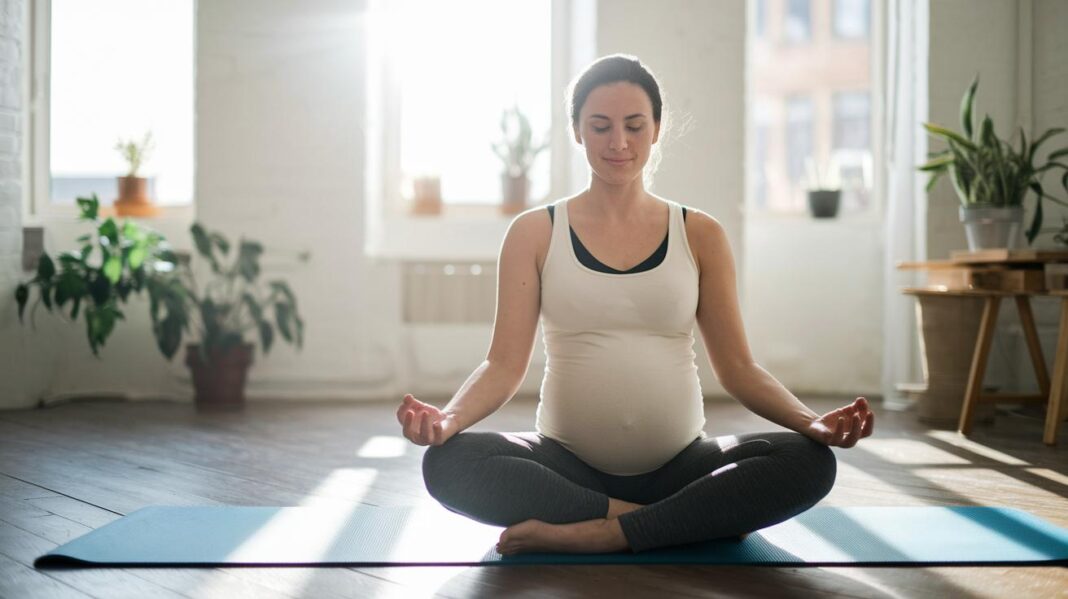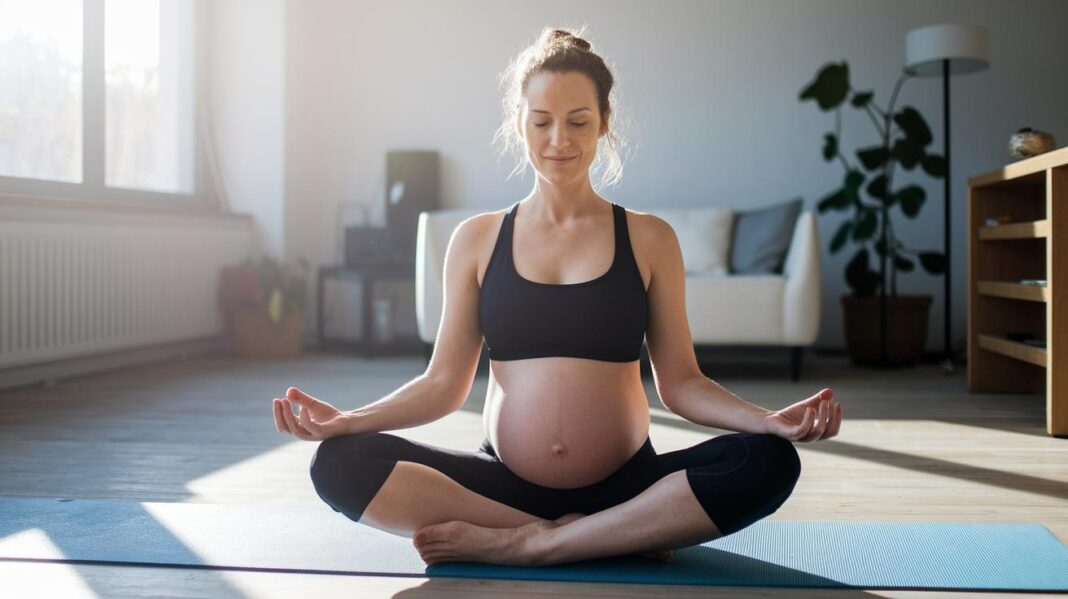
Have you ever thought that a few simple yoga moves could gently change your whole pregnancy experience? Imagine taking deep, calm breaths and feeling your body grow stronger with every move. Prenatal yoga (yoga made just for pregnancy) helps build up the muscles you need while softening everyday aches and bringing a peaceful, soothing feeling.
It’s kind of like wrapping your body in a warm, caring hug during a truly special time. When you try these mindful poses, you might find that preparing for your baby becomes a bit easier and much more comforting.
Maybe give it a try and see if these small moments bring you more calm and strength along your journey.
Core Benefits of Prenatal Yoga for Expectant Mothers
Prenatal yoga is a gentle, caring practice that supports both the body and emotions of moms-to-be. It helps strengthen important muscles needed during childbirth, like the pelvic floor, hips, and tummy muscles. Imagine trying a soft, wide-legged squat and feeling your hips open up as if preparing for a calm, strong labor.
Better blood flow is another lovely benefit. When your heart pumps more blood, your baby gets the oxygen and nutrients they need. Plus, the easy yoga poses can help soothe common aches like a sore lower back, swelling, or tightness by encouraging better spine alignment and smooth movement.
Each session is filled with calming breathing and relaxation techniques. When you take slow, mindful breaths – like the 4-6 breath – you lower stress and invite a sense of peace, both for you and your little one. It’s almost like each deep breath is a soothing conversation between you and your baby.
Attending classes one to two times a week can even help you sleep better and support your recovery after birth. Mindfulness during yoga lets you notice your baby’s tiny movements and strengthens the special bond you share. This gentle focus can also build the inner strength you’ll need for labor.
In short, prenatal yoga boosts strength, flexibility, and calm, while improving circulation and reducing stress. All these benefits come together to help make labor more comfortable and support a healthier, happier pregnancy.
Prenatal Yoga Strength and Flexibility Benefits
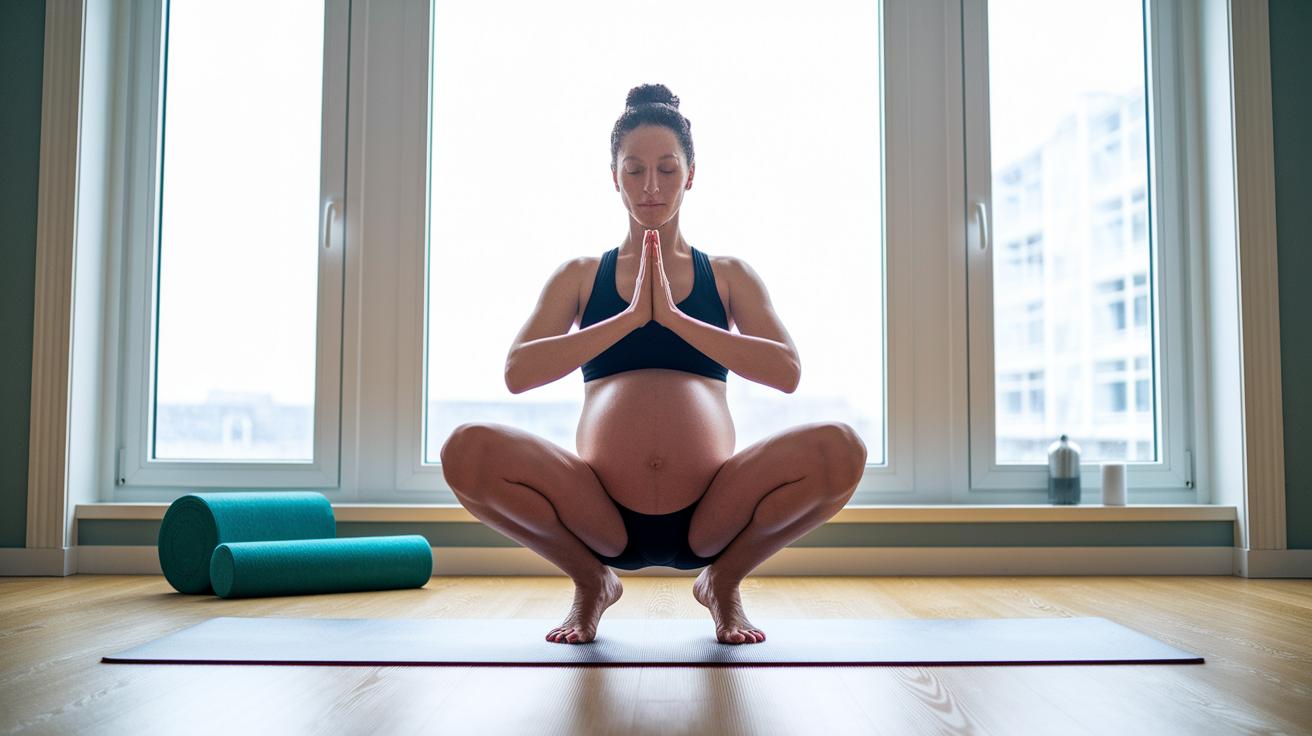
Prenatal yoga is a gentle way to help your body get ready for childbirth. It builds up your core strength, works your pelvic floor (the muscles at the bottom of your belly), and improves how you move. With each stretch and mindful movement, you support your growing belly and help ease common aches like back pain.
Consider trying these simple poses:
- Wide-Legged Squat: This pose opens your hips and strengthens your thighs, setting up your lower body for labor.
- Goddess Pose: It tones your glutes and works the pelvic floor, which can help you feel steadier when it’s time to push.
- Cobbler’s Pose: This stretch relaxes your inner thighs and groin, easing tension so you can move more freely.
- Pelvic Tilt: A gentle move that relieves lower back tension and builds core strength to support your spine.
- Cat-Cow Stretch: This helps your spine move with more ease and relieves stiffness, almost like giving your back a soft tune-up.
Each pose helps your joints move better and makes your muscles more resilient. For example, when you try a pelvic tilt, take a moment to notice how your lower back relaxes as you shift your weight, it’s like prepping your body for the natural rhythm of labor. Regular practice helps reduce injury risk and makes your pregnancy feel more comfortable while you prepare for childbirth.
Prenatal Yoga Stress Reduction and Emotional Balance
Prenatal yoga is a gentle way to ease stress in both your body and mind. It uses deep breathing exercises, like the 4-6 breath (four slow inhales followed by six gentle exhales), to help lower stress hormones and bring a calm feeling, even on the busiest days of pregnancy.
Adding calming meditation into your yoga routine can make a big difference too. This practice gently activates your body's natural calming response, easing anxiety and brightening your mood. Imagine sitting quietly and noticing the soft rhythm of your breath, where each exhale helps melt away tension.
These sessions also include soothing visualizations and rhythmic breathing drills that help ease anxious thoughts. Many expectant moms find that these techniques not only improve sleep but also build emotional strength. And as you practice, you might even start to sense the little movements of your baby, deepening the special bond between you. It’s a lovely, nurturing break that brings balance and comfort through every stage of your pregnancy.
Prenatal Yoga Circulation and Discomfort Relief Benefits
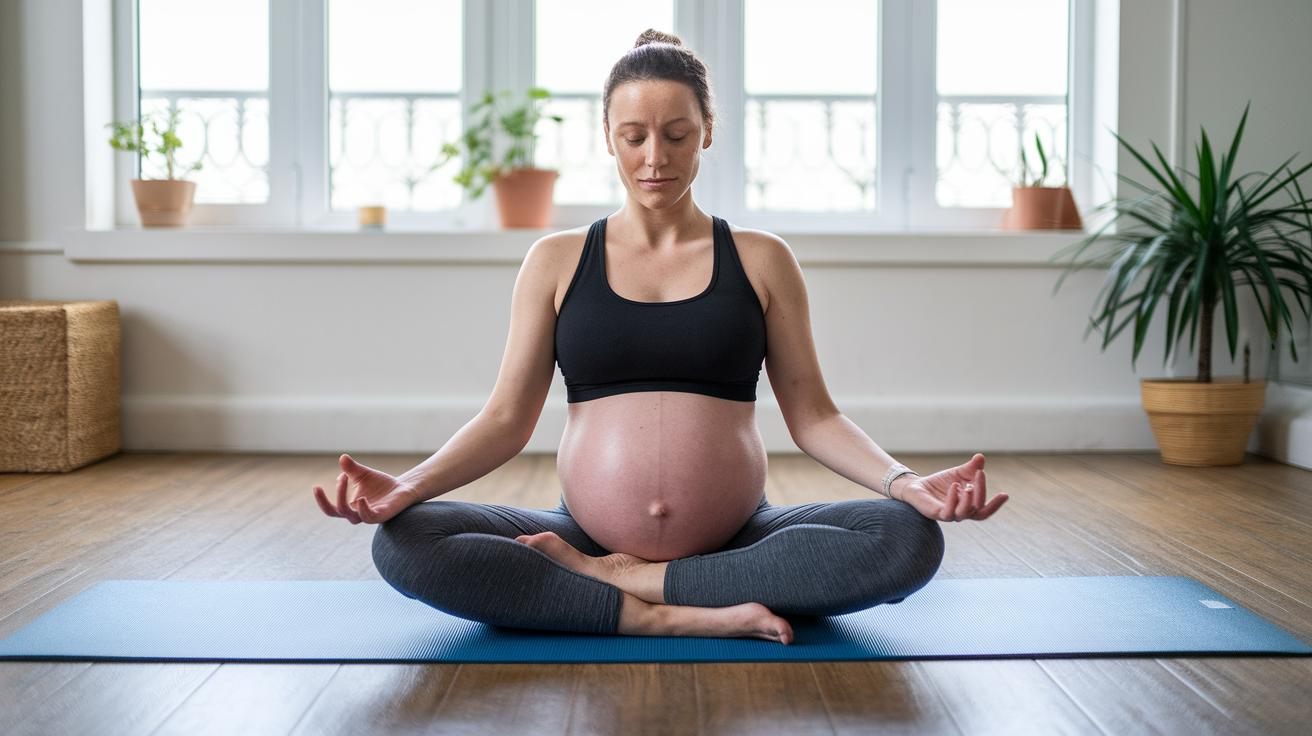
Prenatal yoga offers gentle moves like soft inversions and leg-elevation poses that help your body get moving. When you try these poses, they boost your blood flow and help reduce swelling in your hands, feet, and even your face. This better circulation supports a smoother blood pressure and brings more oxygen and nutrients to you and your baby. It’s kind of like giving your body a little reset, one leg lift can feel really soothing.
Poses such as Child’s Pose and Reclined Bound Angle are great for taking some pressure off your back and easing discomfort in your spine. They offer a gentle stretch that makes you feel a bit lighter, even with a growing belly. And there are modified twists and hip-openers too; they can help ease tummy troubles like nausea and constipation, which are pretty common during pregnancy. These moves work together as a natural way to calm your digestive system and ease some of those everyday aches.
- Child’s Pose: Helps relax your spine and calms your mind.
- Reclined Bound Angle: Opens up your hips and soothes lower back tension.
- Modified Twists and Hip-Openers: Support your digestive comfort and may ease nausea or constipation.
Each pose adds a special touch to your routine, making you feel nurtured and supported while keeping your circulation and overall comfort in check.
Prenatal Yoga Labor Preparation Benefits
Prenatal yoga is a smart way to get your body and mind ready for labor. For example, doing extended Warrior II flows builds your endurance and strengthens your legs, hips, and core. It helps you feel more confident about the physical challenges ahead. Imagine counting your breaths during a contraction, like a gentle coach guiding you to a calm space.
These sessions also include mindfulness coaching that clears your mind during intense moments. Deep breathing techniques like Ujjayi breathing (which keeps a steady rhythm) not only signal your body to get ready but also boost pelvic floor strength. This extra support can give you better control during pushing and might even lower the risk of postpartum leaks.
- Extended Warrior II flows build solid endurance.
- Breath-counting and visualization techniques strengthen your mental focus.
- Ujjayi breathing helps you sync with natural contraction rhythms and tones your pelvic floor.
Each part of your practice works together as a handy blueprint for both body and mind. It’s all about feeling more confident and centered as you approach labor.
Safe Prenatal Yoga Practice: Precautions and Modifications
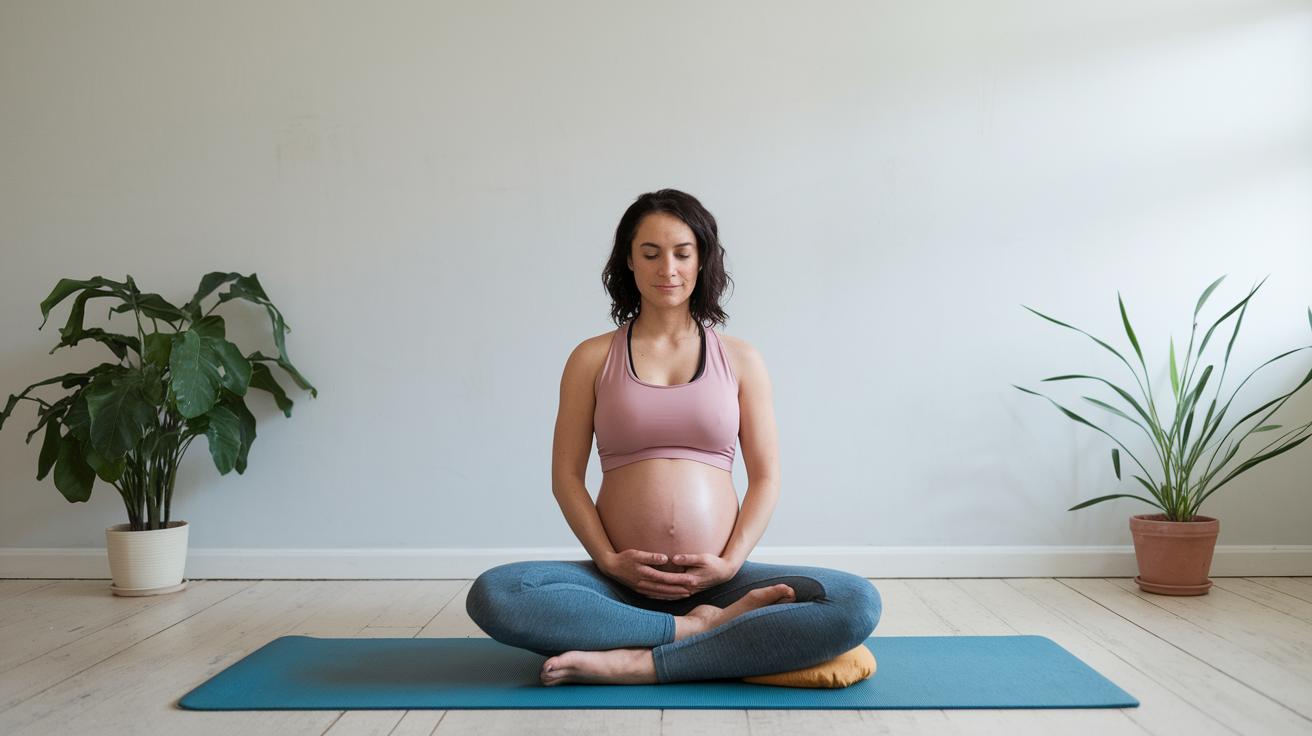
When you start prenatal yoga, begin with gentle poses. After the 12th week, don’t lie flat on your back to keep pressure off and help your blood flow smoothly. Try placing a soft cushion or bolster under your back, imagine it giving you a warm, gentle hug.
Skip deep twists and heavy backbends. Instead, choose milder, open variations that relax your torso and let your chest open up naturally.
Avoid hot yoga during pregnancy because extra heat might cause problems. Look for a calm, cool space for your practice to help prevent overheating.
Before starting any new exercise, have a chat with your doctor. Getting medical clearance means your workouts will match your health needs. When looking for a class, choose an instructor with Registered Prenatal Yoga Teacher credentials to ensure they know how to guide every stage of your pregnancy safely.
After each session, take a few minutes to cool down. A supported Savasana or a gentle seated pose can help lower your heart rate and keep your blood pressure steady. These little changes make your practice both safe and satisfying during this special time.
Follow these tips to enjoy your yoga practice safely and with peace of mind.
Prenatal Yoga for Beginners: Class Selection and First Steps
If you’re just starting prenatal yoga, it’s best to take your time and build comfort with a few simple steps. Try scheduling one or two classes each week during your first trimester. Then, as you start feeling more at ease, you might add in a bit more, maybe even a third session during your second trimester if that feels right.
You can choose between in-person classes and online sessions that are made just for moms-to-be. When picking a class, look for an instructor with an RPYT certification. This tells you they’ve been trained to guide expectant mothers safely. It’s like saying, “I feel so much better knowing my teacher is a Registered Prenatal Yoga Teacher.”
Another helpful tip: create your own cozy practice space at home. You might gather a bolster, a couple of blocks, and some straps for extra support during each pose. Short sessions of about 20 minutes are great, they let you work on the basics without feeling too overwhelmed.
- Verify that your teacher is properly qualified.
- Start with shorter sessions and gradually increase them.
- Always consult your healthcare provider if you have any concerns or complications.
Remember to talk with your healthcare provider about any worries you might have, especially if you’re managing conditions like placenta previa.
Final Words
In the action, prenatal yoga offers a well-rounded boost by strengthening key muscles, increasing flexibility, and calming the mind. The post showed how light movement can ease common discomforts and prepare you for labor by focusing on breathing and gentle stretches. It also stressed safety tips and simple starting steps for beginners. Embrace the benefits of prenatal yoga to feel more grounded and ready for the exciting challenges ahead. Every small movement now builds a stronger, more confident future for both mother and baby.
FAQ
What are the benefits of prenatal yoga during pregnancy?
The benefits of prenatal yoga during pregnancy include improved circulation, increased strength and flexibility, reduced stress, and enhanced bonding with your baby. This practice helps prepare your body for delivery and supports a smoother postpartum recovery.
When should I start prenatal yoga during pregnancy?
The ideal time to start prenatal yoga is generally in the first trimester after you get medical clearance. Early practice helps ease your body into the physical changes of pregnancy while boosting strength and relaxation.
How often should I do prenatal yoga?
Many experts suggest practicing prenatal yoga one to two times per week. As you grow more comfortable and your body adjusts, you might add extra sessions, always keeping your doctor’s advice in mind.
Which prenatal yoga poses are recommended?
Popular prenatal yoga poses include the wide-legged squat, goddess pose, cobbler’s pose, pelvic tilt, and cat-cow stretch. These movements strengthen key muscles and relieve common discomforts during pregnancy.
Which yoga poses should be avoided and when might I need to stop certain practices?
Certain poses—such as deep twists, intense backbends, and lying flat on your back after 12 weeks—should be avoided. Stop or modify any poses that cause discomfort, and always follow your doctor’s guidance.
What are the disadvantages or risks of prenatal yoga?
If prenatal yoga poses aren’t modified properly, they might cause strain or discomfort. It’s important to work with a qualified instructor and consult your healthcare provider to avoid any risks.
How can I find prenatal yoga classes near me?
You can find prenatal yoga classes near you by searching online for local studios or community centers offering certified sessions, and asking your healthcare provider for recommended options.