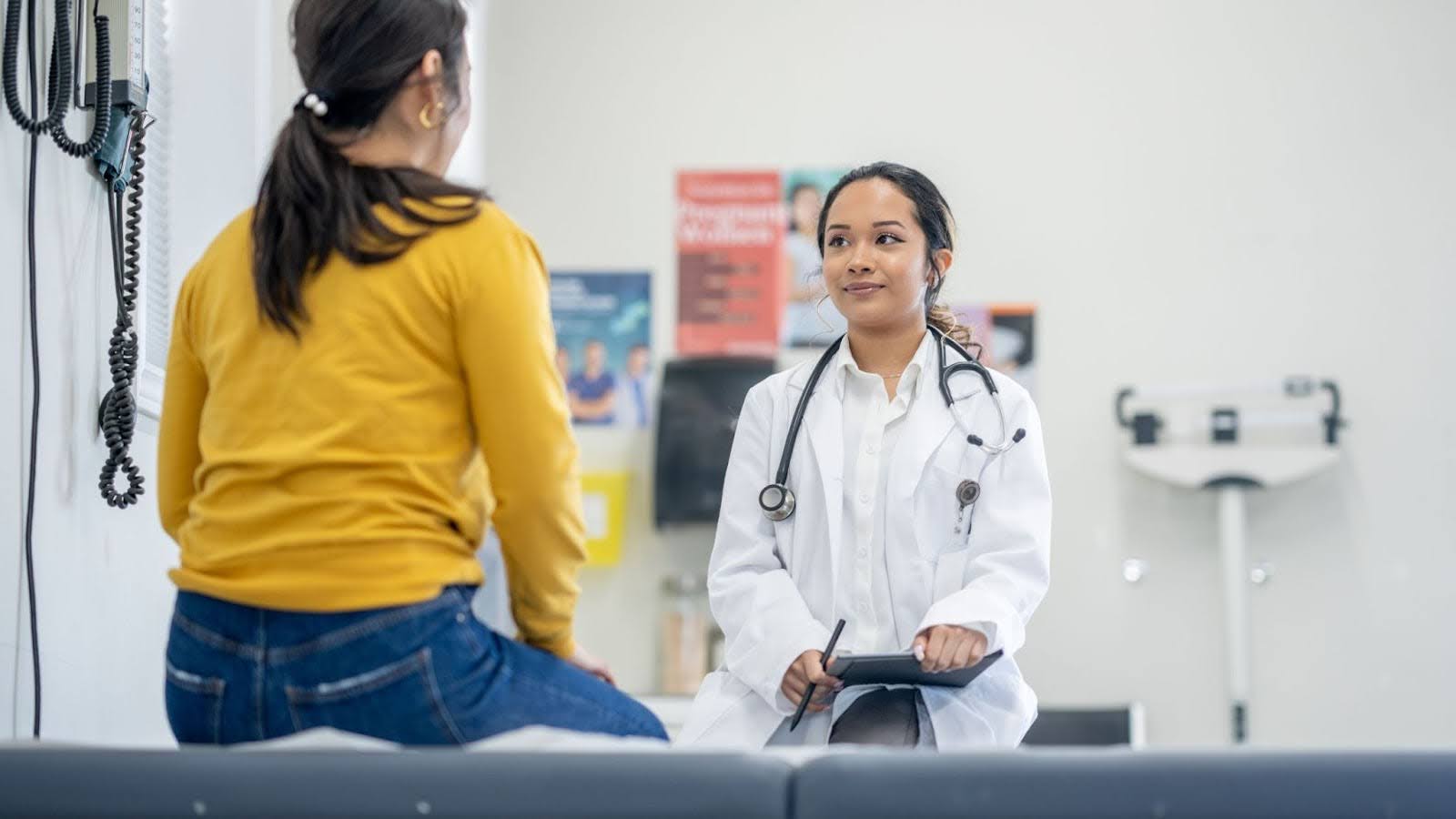
A young woman in a peaceful clinic in rural Bihar, India, plays with a colorful touchscreen that appears like a simple mobile game. But underlying the joyful photographs lurks a strong digital diagnostic instrument that could aid in the detection of cervical cancer in its early stages. These kinds of new ideas are changing the way women get life-saving health care, from Sub-Saharan Africa to isolated villages in South Asia.
Millions of women in impoverished areas around the world still don’t have quick access to important health tests. A lack of skilled specialists, limited infrastructure, and social shame have all made it hard to find problems like cervical cancer, breast abnormalities, and nutritional inadequacies during pregnancy early on. But the rise of AI-powered diagnostic “games” and intuitive, mobile-first screening modules is closing that gap, one device at a time.
These tools are specifically designed to be low-cost, language-friendly, and non-invasive. Many resemble interactive quizzes or visual stories, powered by AI to analyze user responses and subtle biometric data, like voice tone or facial cues while guiding them gently through a diagnostic flow. The result: accessible screenings that feel more like participation than examination.
The groups leading this transition are combining new ideas with caring. Mobile health units are giving out tablets with AI modules built into them in Sub-Saharan Africa. In Bangladesh and parts of Northeast India, health workers are deploying apps that turn tracking symptoms into a game and reward pregnant women for completing digital “levels” with real-world benefits like free exams or prenatal vitamins.
“Games may seem unconventional in healthcare, but when designed with cultural sensitivity and clinical rigor, they become gateways to trust,” says Dr. Shamita Bose, Chief Innovation Officer at FemInsight Diagnostics, a health technology company that provides AI diagnostics in over 40 underserved locations in India and Kenya. “We’ve seen a 70% increase in first-time screenings in areas where women previously avoided medical visits due to fear or shame.”
Digital marketing strategies play a vital role in scaling this movement. Short, empathetic videos shared via WhatsApp or Facebook Lite demonstrate how the diagnostics work and how effortless the process can be. In Uganda and Rajasthan, community outreach campaigns feature local women sharing personal stories in vernacular languages, demystifying the technology, and promoting confidence.
Infographics and interactive maps are being published online to showcase the impact, such as areas where breast self-exam adoption has doubled or where anemia risk assessments have improved pregnancy outcomes. Through mobile messaging services, women receive health tips, appointment reminders, and even links to nearby screening centers based on geolocation.
Crucially, trust is built through collaboration. These tools are not dropped into communities; they’re integrated with the support of local health workers and village leaders, who act as digital advocates and educators. Their endorsement enhances adoption, ensuring that the tools are not only used but also embraced.
Last week, FemInsight Diagnostics issued a press release titled: “Digital Diagnostics Meet Game Design: FemInsight Empowers Women with AI Tools in Hard-to-Reach Areas.” The release highlighted the company’s cross-continental pilot programs, reaching over 250,000 women in just under eight months. The fusion of AI precision with user-friendly gamified modules was cited as a key driver in increasing diagnostic access and reducing late-stage health complications.
To help more people use the product, the company has set up an online site where regional partners can see how things are doing in real-time. There are also downloadable toolkits for governments and NGOs. These tools include templates for localization, guidance for putting things into action, and education sessions.
You can already see how this change has affected things. Women used to have to wait years for a diagnosis, often when it was too late. Now, people are becoming more aware, taking action early, and most importantly, feeling empowered. These aren’t just health tools; they’re digital connections to better futures.