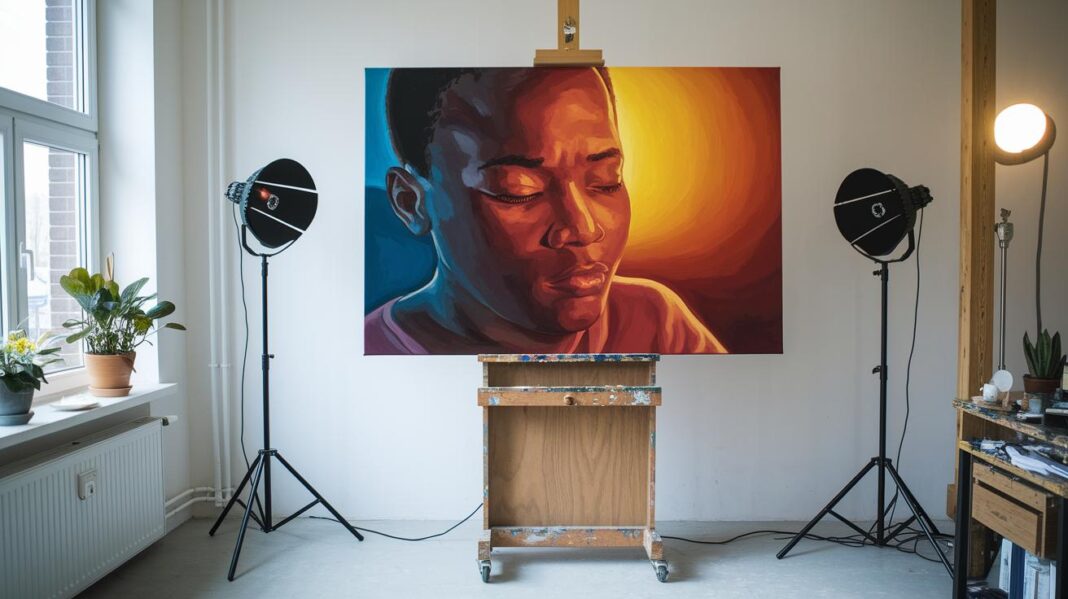
Have you ever looked at a painting that made your heart skip a beat? It feels like the colors and shapes carry a secret message just for you. Art like this takes everyday lines and hues and turns them into a story of love, moments of loss, and bursts of joy. You might even feel like the artist whispered a little secret that only your heart could understand.
Today, let’s chat about how each brushstroke can reveal a piece of someone’s inner world. It’s amazing how a simple painting can invite you to feel so many different emotions, almost as if you’re part of the story yourself.
Defining Emotional Art: The Core of Feeling in Visual Form
Emotional art is like a bridge between what we see and what we feel deep inside. It takes simple colors and shapes and turns them into stories that touch our hearts. Artists paint with bold, lively colors and gentle, soft strokes that invite us in, almost like they’re sharing a secret. They often draw on their own life stories and all the little details around them, showing us beauty we see every day and emotions we might not notice at first. You might remember a saying like Charles Lindbergh’s, "Life is like a landscape. You live in the midst of it but can describe it only from the vantage point of distance." It reminds us that every little brushstroke holds a piece of our own experience, turning a simple scene into a deep, personal journey.
Common themes in emotional art are love, grief, and moments of deep thought. Artists often capture the warmth of a gentle hug or the soft sorrow of a goodbye by using light, tender colors or sharp, contrasting ones. The art goes beyond just a pretty picture, it becomes a mirror reflecting our own feelings and memories. In this way, each artwork opens up a conversation with us, reaching out to share its hidden emotions and inviting us to explore our own feelings too.
Techniques of Emotional Art: Using Color, Form, and Composition to Evoke Feelings
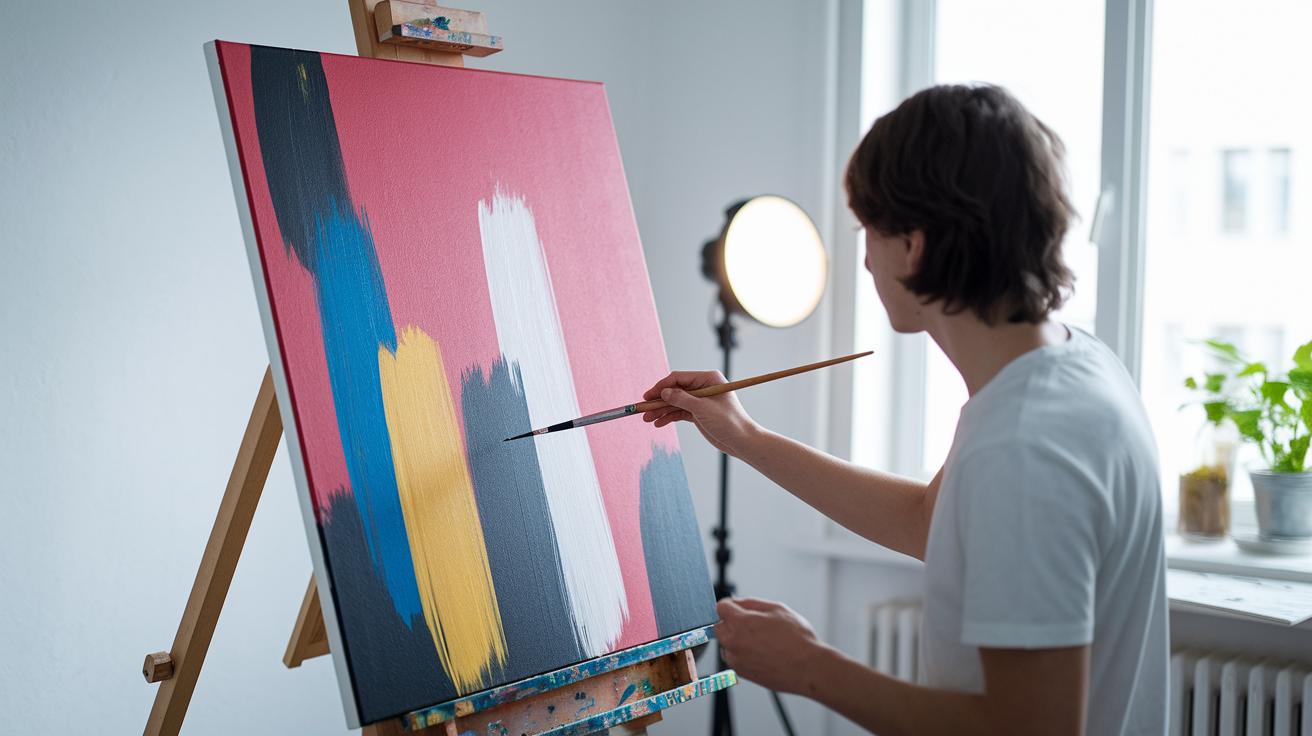
Technique matters because it’s the way an artist talks straight to our hearts. Every careful brushstroke becomes a word that expresses real emotion. Have you ever seen a painting that leaves you feeling both calm and excited at the same time? It’s like the artist was sharing a secret, pouring their true feelings into every detail.
Here are some ways artists create this magic:
- Color temperature and saturation
- Composition and negative space
- Brushstroke intensity and texture
- Scale and proportion
- Degree of abstraction
When an artist plays with warm and cool colors, they can make a scene feel inviting or help you sense a gentle sadness. It’s really like a hug or a quiet moment where everything feels just right. Balancing the parts of a painting with spaces that let your eyes rest creates a feeling of openness, giving you time to notice hidden layers of meaning.
Bold brushstrokes and rich textures add a natural energy that makes the artwork seem to pulse with life. Adjustments in scale and proportion guide your attention, almost as if the artist is whispering little secrets about where to look. And when the shapes and forms are a bit abstract, they invite you to find your own story in the art.
Together, these techniques turn a simple canvas into a living, breathing experience that welcomes you to pause, look closely, and feel every emotion.
Iconic Emotional Artworks: Masterpieces That Move Viewers
These artworks have a way of taking you on a heartfelt journey through our deepest feelings. They mix storytelling with visual charm, as if the past and present are having a quiet chat in bright colors and familiar shapes. Artists pour their hearts into every brushstroke, making each piece feel like it’s speaking directly to your own memories and experiences. It’s really like taking a moment to connect with something dear and human.
| Artwork Title | Artist | Year | Emotion Evoked |
|---|---|---|---|
| The Scream | Edvard Munch | 1893 | Anxiety and Isolation |
| The Two Fridas | Frida Kahlo | 1939 | Heartache and Resilience |
| Starry Night | Vincent van Gogh | 1889 | Wonder and Melancholy |
| Guernica | Pablo Picasso | 1937 | Sorrow and Outrage |
| Reflection | Danny O’Connor | 2020 | Hope and Renewal |
Every one of these famous pieces tells its own story with vivid colors and heartfelt textures. They remind us that every brushstroke has a history and an emotion behind it. Ever wondered how a painting can share a piece of its artist’s inner world? These artworks might just be the perfect start to a gentle exploration into the power of art and emotion.
Emotional Art Therapy: Healing Through Creative Expression
Core Art Therapy Techniques
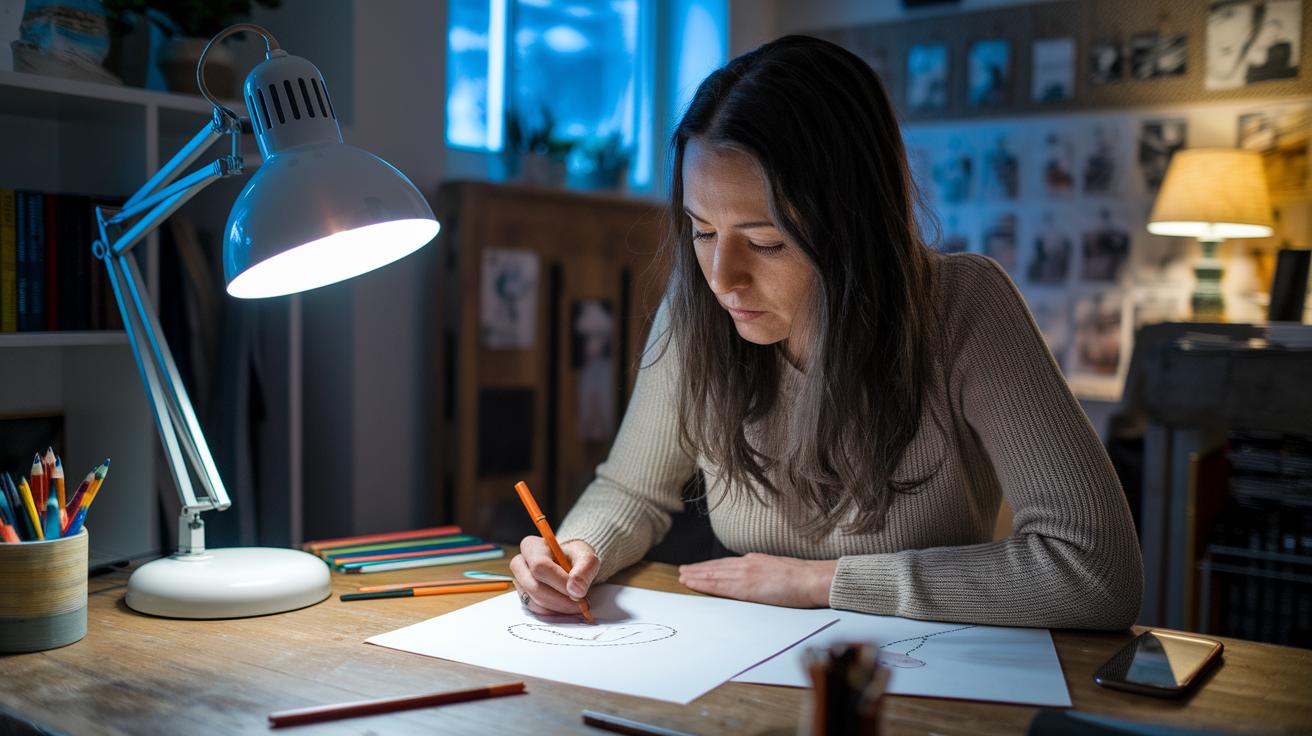
Art therapy gives us a creative way to let our emotions flow. It uses ideas like guided imagery, drawing pictures of our feelings, and letting our hand move freely on paper to create a safe space for self-expression. You might try guided imagery, where you picture a cozy, safe place and then paint or draw it, turning a private thought into something you can see. Or you might dive into creating a scene that mirrors your inner world, sometimes our feelings are easier to show in art than to say out loud. And then there's free-form drawing, which is a bit like scribbling in a journal when your emotions just need to burst out.
Case Study: Sara’s Journey
Sara’s journey is a sweet reminder of how art therapy can help heal deep hurts. In her own words, she mentioned that using guided artwork helped her share feelings of loss and hope. With a brush in hand, Sara found that quiet moments with her art allowed her to turn overwhelming emotions into pictures that made sense. Her art wasn’t just a way to express her own struggles; it became a bridge that brought her closer to others going through similar ups and downs. It’s nice to see how a few kind comments on her work made her feel understood and supported.
Metaphor in Healing
Metaphors in art therapy help us see our emotions in a whole new light. Imagine looking at life like a vast landscape, where you can step back and see your feelings from a safe distance. That simple idea, like how Charles Lindbergh once described life, shows us that when we turn our raw emotions into art, we can observe and understand them better. Even though strong feelings might feel overwhelming at first, molding them into a picture or story can give us a gentle, calmer way to heal.
Viewer Engagement: Experiencing Emotional Art in Galleries and Digital Spaces
In cozy local galleries, art feels like a warm invitation. You wander through spaces filled with pictures that tell stories and spark emotions. Guided tours help you connect with each artwork, making you feel like you're sharing a secret with a friend. Sometimes, artists themselves step up to explain the ideas behind their creations. Imagine pausing in a quiet corner where a painting almost whispers its secrets to you, sharing every heartfelt brushstroke and gentle color. These face-to-face moments turn the gallery into a soft, welcoming chat where art speaks to your soul.
Online, art becomes a friendly gathering spot. Virtual exhibits and lively social-media chats bring people together to talk about what they see. Folks share their thoughts in comment sections, interpreting every small detail while encouraging one another. The online world mirrors the thrill of visiting a gallery by sparking interactive conversations and thoughtful reflections. And with digital spaces, you can experience this heartfelt dialogue no matter where you are, making art a shared journey that welcomes everyone.
Creating Emotional Art: Tips for Artists to Channel Feelings onto Canvas
Choosing a Personal Theme
Start by picking a subject that truly touches your heart. Maybe it’s about love, loss, or those quiet moments alone. When you work from real feelings, your art feels warm and genuine. Have you ever noticed that a simple idea like loneliness painted in a soft, muted color can tell a powerful story? This honest approach helps others connect with your art in a personal way.
Materials and Methods
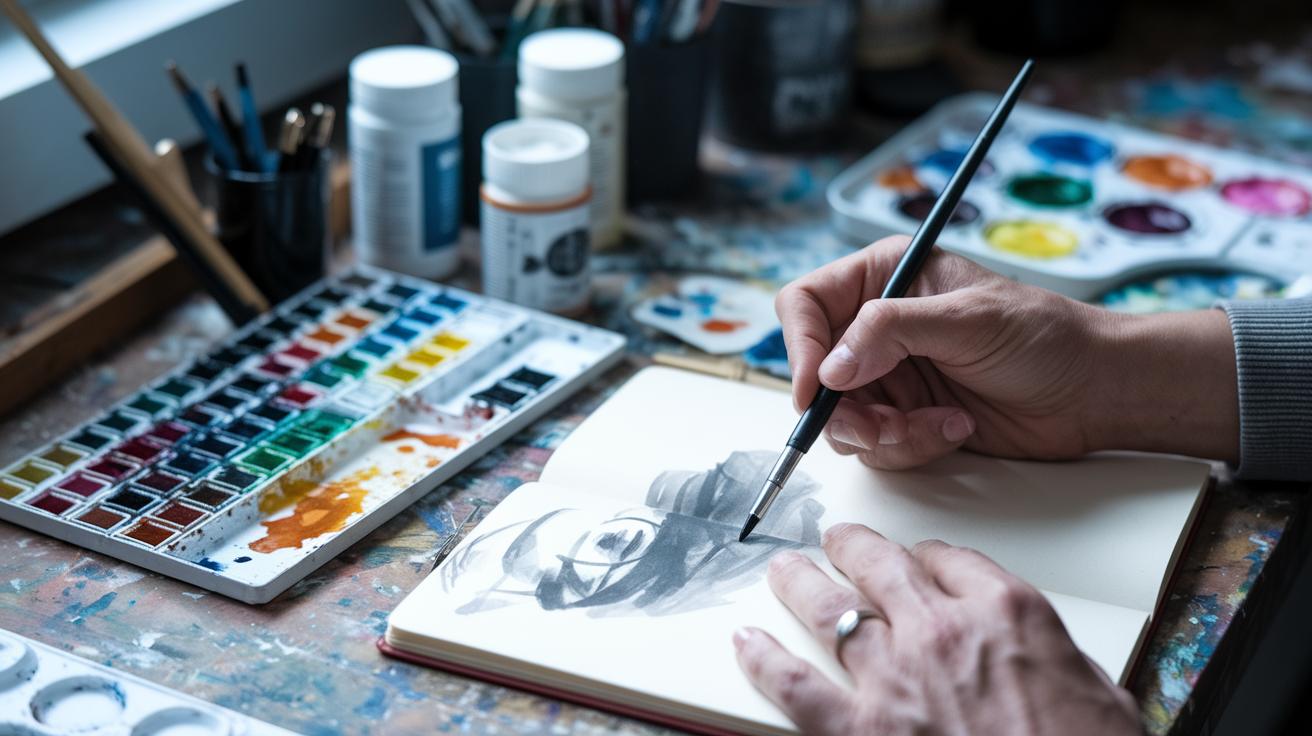
Try playing with different materials to bring your emotions to life. Imagine using oil for its rich texture, watercolor for its gentle flow, or a mix of both to capture multiple layers of feeling. Techniques like adding layers or gently scraping the paint can give a sense of depth and mood to your work. Experimenting with a few methods in one piece might reveal surprising contrasts that speak to your inner world.
Reflective Practice
Take some time to think about your creative journey. Even a few minutes of sketching or writing down your thoughts can help capture those fleeting feelings. You might ask yourself, “What does this moment of quiet look like?” or “How do I feel after spending time with my art?” This form of gentle reflection turns everyday emotions into a beautiful canvas of creative ideas.
Final Words
In the action of exploring how art connects with our feelings, we've uncovered the magic behind emotional art. We looked at ways that color, form, and creative techniques tell powerful stories on canvas. The article touched on art therapy’s healing touch and shared practical tips for artists to express their true selves.
Each section brought us closer, blending expert insights with the warmth of everyday experience. Let your heart guide you as you embrace the beauty and healing of emotional art.