Have you ever noticed how you click with some people but not others? It all comes down to the bonds we form when we're little. Some of us learned to feel safe and open, while others grew up keeping our feelings hidden. Understanding our emotional attachment styles can give us a window into these differences. In this post, we chat about how our early days shape the way we connect with friends, family, and partners, and we share simple ideas to help build those warm, closer bonds.
Overview of Emotional Attachment Styles and Their Role in Relationships
There are four main ways we learn to connect with others from when we’re little. Our first bonds with caregivers really shape how we relate to friends, family, and partners as we grow up. This early learning affects how we speak, handle conflicts, and feel about our relationships.
People with a secure style see themselves and others in a kind and positive way. They feel comfortable sharing how they feel because they grew up with lots of steady love and support. It’s like remembering that warm hug from childhood that made everything feel safe.
Some folks lean toward an avoidant style. They often keep their feelings inside and try to handle things on their own. This habit usually comes from experiences where they didn’t get much warmth or attention as kids, so opening up can feel a bit risky.
Then there are those with an anxious style who always look for closeness and a little extra reassurance. They sometimes worry that people might leave them. This can happen if, as children, they experienced mixed signals from the ones who were supposed to care for them.
Lastly, the disorganized style brings a mix of wanting closeness but also being afraid of it. Early tough times, like trauma or neglect, can cause this kind of push-pull feeling that makes relationships confusing.
Noticing these patterns in ourselves can really help us build stronger and more loving bonds every day. Have you ever wondered how your early experiences might shape how you connect with others? It’s all part of understanding and improving the relationships we cherish.
Developmental Origins of Emotional Attachment Styles
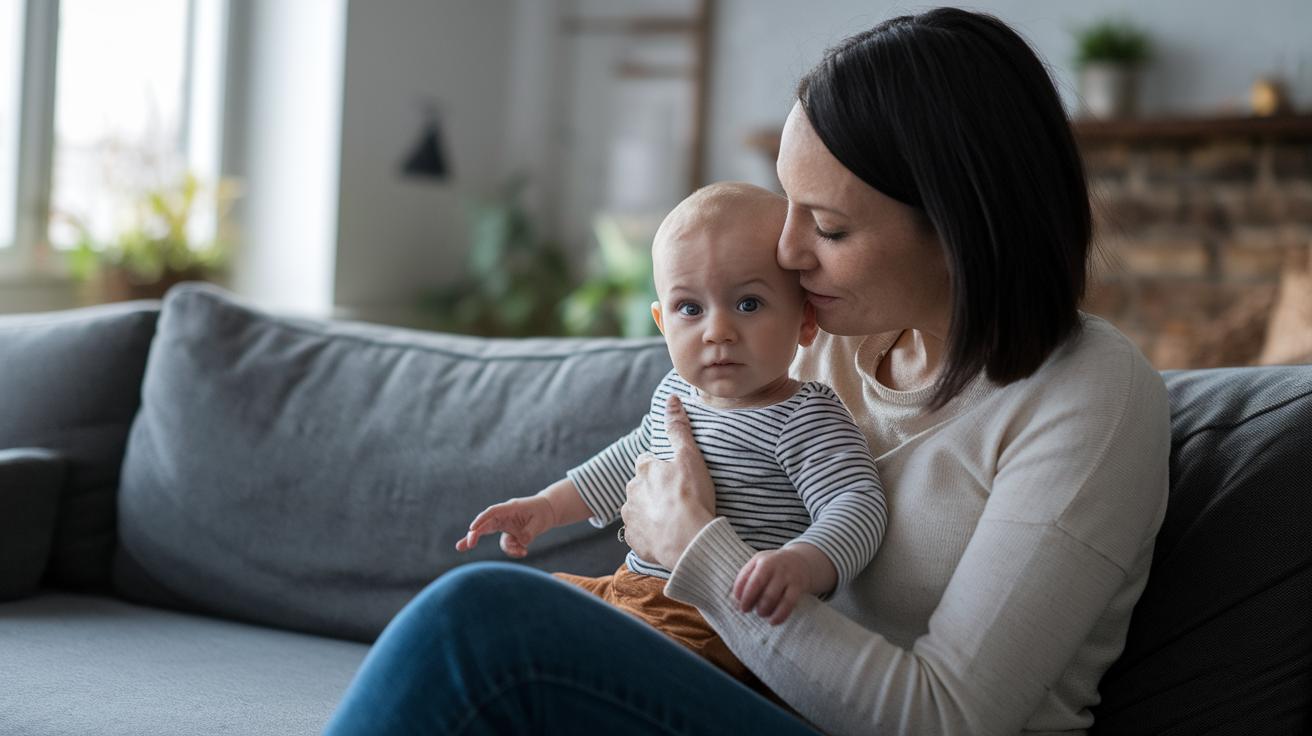
When a caring adult always meets a baby's needs, that little one grows up feeling safe and cherished. Think about a mom softly whispering, "I'm here for you," every time her baby cries. Such warm, steady care helps build a strong foundation for trusting relationships later on and makes sharing feelings feel natural.
When a baby can't predict when love or care will come, they might start to wonder if someone will always be there for them. It’s like expecting a hug that doesn't always arrive. This kind of mixed-up care can make a child worry about being left alone as they grow up.
If a caregiver often seems emotionally far away, the baby learns to solve problems on their own. For example, the child might begin to feel that showing feelings isn’t needed because they’ve learned to rely on themselves from an early age.
Sometimes, care can be really confusing if it's sometimes kind and other times hurtful. When little ones get mixed signals, they might not know whether to reach out for comfort or pull away. This unsettled start can make it hard for them to trust whether closeness is safe as they grow older.
Secure Attachment Style: Traits and Relationship Benefits
About half of all adults have a secure attachment style. People with this style build relationships based on trust and open sharing. They see themselves and others in a positive light, which makes it easier to talk about feelings and solve conflicts. It’s like having a friend who always listens with genuine care, reminding you that you’re not alone when times get tough.
This secure way of relating usually comes from steady, loving care in childhood, when consistent support helped build a strong sense of worth. Adults with secure attachment show great emotional smarts, meaning they can handle problems as soon as they appear and provide real help when things get challenging. Have you ever felt the comfort of someone saying, "I'm here for you"? That steady foundation builds stronger partnerships and creates a more resilient, fulfilling bond for everyone involved.
Anxious vs. Avoidant Attachment: Contrasting Behavioral Patterns

People with anxious attachment often worry about being left alone. They sometimes need lots of reassurance to feel loved and secure, and you might notice they ask, "Do you really care?" because of deep fears that come from past moments when care felt unpredictable.
On the other hand, avoidant attachment looks a bit different. These individuals usually feel good about themselves and tend to keep others at a safe distance. They might seem like they don’t need help or support, especially when things get tough. Their way of pulling away can come from early experiences with caregivers who weren’t always emotionally available.
In relationships, these two styles can create a push-and-pull situation. One person seeks closeness while the other steps back, which often leads to tension and misunderstandings. Even small shifts in how each person responds can help smooth out these rough patches and build a more caring connection.
| Attachment Style | Key Traits | Childhood Cause |
|---|---|---|
| Anxious | Feels insecure, needs reassurance, may come off as clingy | Experienced inconsistent care |
| Avoidant | Feels secure in self, tends to pull back emotionally, keeps distance | Had emotionally unavailable caregivers |
Disorganized Attachment Style: Signs and Origins
Disorganized attachment style, or fearful-avoidant as some call it, can feel a bit all over the place. You might notice moments of sudden warmth followed by unexpected pullbacks. Imagine a friend who comes in for a hug then quickly steps back, leaving you wondering what just happened.
This way of relating often starts in early childhood. When a kid experiences chaos, neglect, or even abuse, it makes learning to trust a real challenge. In these early days, love can sometimes mix with hurt, and that confusing mix stays with you. Later in life, this can show up as confusing signals or sudden mood swings when you feel vulnerable.
Even though it can make daily interactions tricky, there’s always hope for gentle change. With time and care, you can start to find a steadier path in your relationships, one that feels a lot more secure and comforting.
Assessing Your Emotional Attachment Style: Quizzes and Tools

Self-assessment tools help you see if your relationship style is secure, anxious, avoidant, or disorganized. A simple quiz might ask, "Do you worry about your partner's commitment?" This question gently encourages you to think about your feelings.
There are free online quizzes and digital workbooks that guide you through understanding your bonding style. Imagine answering easy questions about how you handle disagreements or closeness. Your answers might show when you seek extra comfort or when you pull away. Some romance surveys even reveal whether you lean more toward being secure or feeling uncertain.
Structured surveys sort your answers into categories like secure, anxious, avoidant, and disorganized, giving you clear, friendly insights. When you look at your scores, they not only tell you where you stand but also offer ideas for building stronger, more loving relationships.
- Try questionnaires that highlight your unique emotional signs.
- Use surveys as a way to start a gentle chat with friends or a trusted expert.
Review your results to support your journey toward nurturing a warm, genuine connection with those around you.
Moving Toward Secure Bonds: Interventions and Self-Help Strategies
Research tells us that the ways we connect with others can change over time. Cognitive-behavioral therapy, for example, helps us turn anxious thoughts into kinder, more supportive ones. Emotionally focused therapy guides us in understanding and sharing our deep feelings. And trauma-informed counseling gently supports healing from past hurts. When you're ready, consider finding a caring, licensed therapist who knows about attachment theory. They’ll listen closely, explain how your early experiences might shape your actions, and offer step-by-step ways to build trust and warmth in your relationships. Imagine chatting with a friend who helps you replace old habits with confidence and care.
Every day, small actions can lead to healthier and more secure habits. Mindfulness exercises, for instance, soothe your mind whenever worries about closeness or distance pop up. Keeping a journal lets you see patterns in your thoughts and feelings. You might find it helpful to role-play different ways to share your feelings with a friend or within a supportive group. Allowing yourself to be open in safe relationships gives you a chance to try out new ways of connecting. These everyday approaches, combined with professional support, work together to help you feel more secure and cared for.
- Find a licensed therapist who understands attachment theory.
- Practice mindfulness to help calm and balance your emotions.
- Journal your recurring thoughts and feelings.
- Share your needs openly with people you trust.
- Build supportive friendships that show you what secure bonds look like.
These steps might take time and patience, but each small effort helps you turn insecurity into a stronger, more loving connection.
Final Words
In the action, this post explored how early experiences shape emotional attachment styles. We delved into how secure, anxious, avoidant, and disorganized patterns form and impact our adult relationships. Short quizzes and therapist-led strategies provide a practical, evidence-based roadmap for change. Every idea here centers on helping you understand and embrace who you are. Keep moving forward with confidence and care, knowing that even small steps can lead to healthier, more secure bonds.
FAQ
What is an attachment style quiz, test, or PDF, and how does it help?
The attachment style quiz, test, or even a PDF guides you in identifying if you lean toward secure, anxious, avoidant, or disorganized patterns, helping you better understand your relationship habits.
What is an anxious attachment style?
The anxious attachment style shows itself through a strong fear of abandonment and a constant need for reassurance, often developing from inconsistent care during childhood.
What is an avoidant attachment style?
The avoidant attachment style is marked by emotional distance and a strong sense of self-reliance, typically originating from caregiving that lacked emotional warmth.
What is a secure attachment style?
The secure attachment style is reflected in balanced trust and open communication in relationships, usually formed from experiencing consistent and nurturing care as a child.
What is a disorganized attachment style?
The disorganized attachment style is characterized by unpredictable emotions and struggles with trust, often resulting from early experiences of trauma or chaotic caregiving.
How do emotional attachment styles in adulthood affect relationships?
The emotional attachment styles in adulthood shape how we connect and communicate, influencing trust, conflict resolution, and overall satisfaction in our relationships.
What are the four types of emotional attachment?
The four types of emotional attachment include secure, anxious, avoidant, and disorganized, each reflecting different patterns of relating to others that start in early childhood.
What is an emotional attachment style?
An emotional attachment style describes how a person bonds and reacts to intimacy, shaped by early interactions with caregivers and influencing behaviors in adult relationships.
What is considered the hardest attachment style to date?
The hardest attachment style to date is often the disorganized type, as its unpredictable nature and mixed signals can create confusion and instability in dating.
What is regarded as the unhealthiest attachment style?
The unhealthiest attachment style is typically the disorganized type, due to its blend of conflict, fear of trust, and erratic emotional responses that challenge relationship stability.