Have you ever thought that prenatal (care during pregnancy) tests might put you in a tough spot sometimes? New tests are over 99% accurate, but they can still give results that aren’t very clear. This might leave you feeling a bit confused and pressured. Imagine getting hopeful news only to face uncertainty and hard decisions. Being wise about your care means knowing the risks while also understanding the ethical side of early testing. In this article, we chat about how honest talks and kind guidance can help you see both the benefits and the challenges of these advanced tests.
Core Ethical Considerations in Prenatal Screening

Recent studies show that new noninvasive tests can check fetal genomes with more than 99% accuracy for common trisomies. However, these tests sometimes give unclear results or false alarms, which can leave parents feeling overwhelmed. Imagine getting a report that says there is a high chance of a condition, but then learning that the results are uncertain. It really makes you wonder about the ethics behind early testing.
Parents and healthcare workers often face tough choices when test results aren’t clear. When the results are ambiguous, some parents might feel pressured to consider selective decisions. This can open up wider debates about pre-birth screening and make us question if we are unintentionally suggesting that some traits should be removed. It can feel like it takes away personal choice and even hints at a societal bias.
The quick access to fetal genetic information has changed how we think about pregnancy, much like how ultrasound did years ago. With more details at hand, families can make more informed choices. Still, it also brings up important questions about consent. Without clear and warm conversations, the responsibility of using this information wisely becomes harder. It is very important that healthcare providers share information simply and kindly, so parents feel supported as they work through these delicate issues.
Informed Consent and Autonomy in Prenatal Screening
Clear Communication of Risks
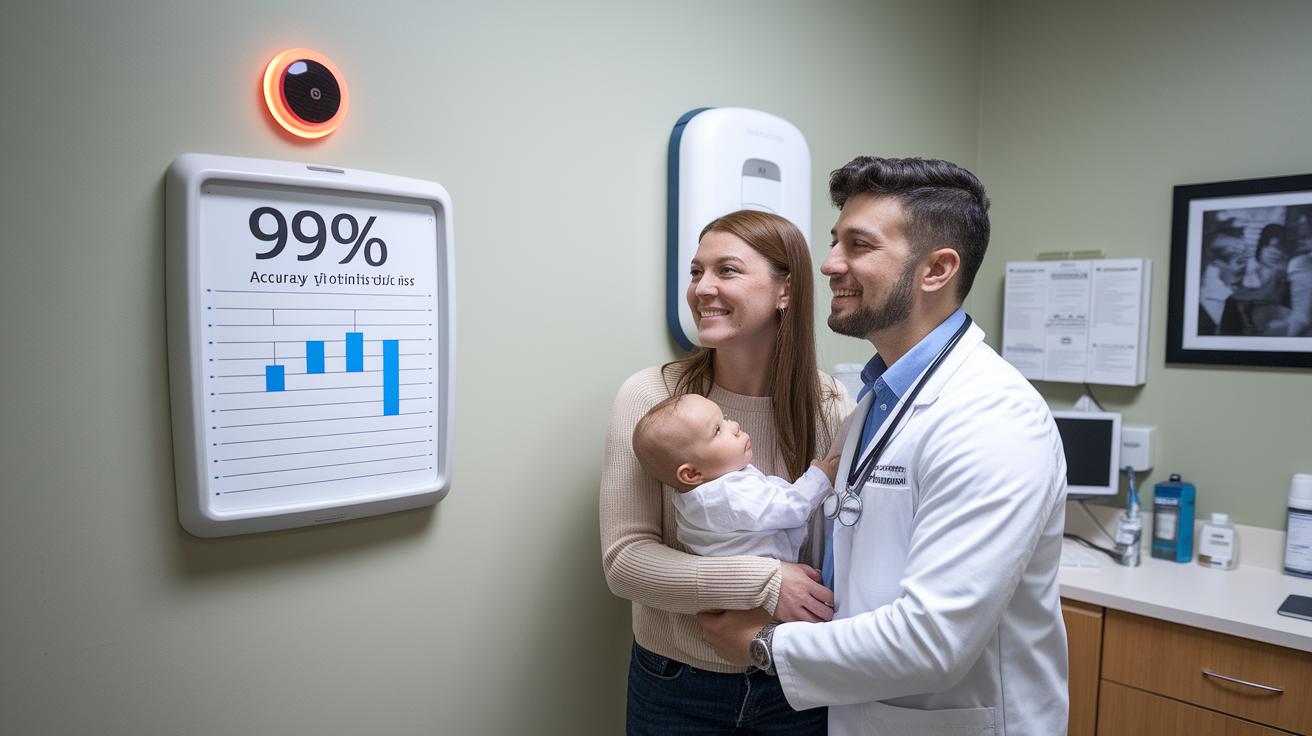
Doctors should share test numbers in a way that makes sense to families. They might explain that even tests with over 99% accuracy have a small chance of a mistake. Imagine it like a home alarm that sometimes rings when there's no danger. That kind of everyday comparison helps clear things up without overwhelming you.
Non-Directive Counseling
Healthcare providers aim to give all the facts without pushing you one way or the other. They offer information gently so you can decide what feels right for your family. A clinician might say, "Here’s everything you need to know about what might happen. I’m here to listen and help you choose what fits best with your values." This caring approach makes sure you feel trusted and supported every step of the way.
Privacy Protection and Data Security in Prenatal Screening

Your baby’s genetic information is very precious, and keeping it safe is very important. When you share these details with your healthcare provider, they need to be stored securely using strong rules and smart encryption methods, kind of like a vault that only a few trusted team members can unlock by following strict steps.
If the way this data is handled isn’t clear or lacks proper permission, trust can quickly disappear. Imagine a digital safe that isn’t secured well; personal details could be at risk. That’s why experts say that there must be clear, written procedures that only allow approved people to view and share this sensitive information.
To keep everything safe, healthcare providers should regularly review and update their security practices. Simple, transparent explanations about how your data is protected can help bridge the gap between high-tech screening and your personal privacy, making sure that your family feels secure every step of the way.
Balancing Accuracy, Risk, and Reliability in Early Diagnostic Techniques
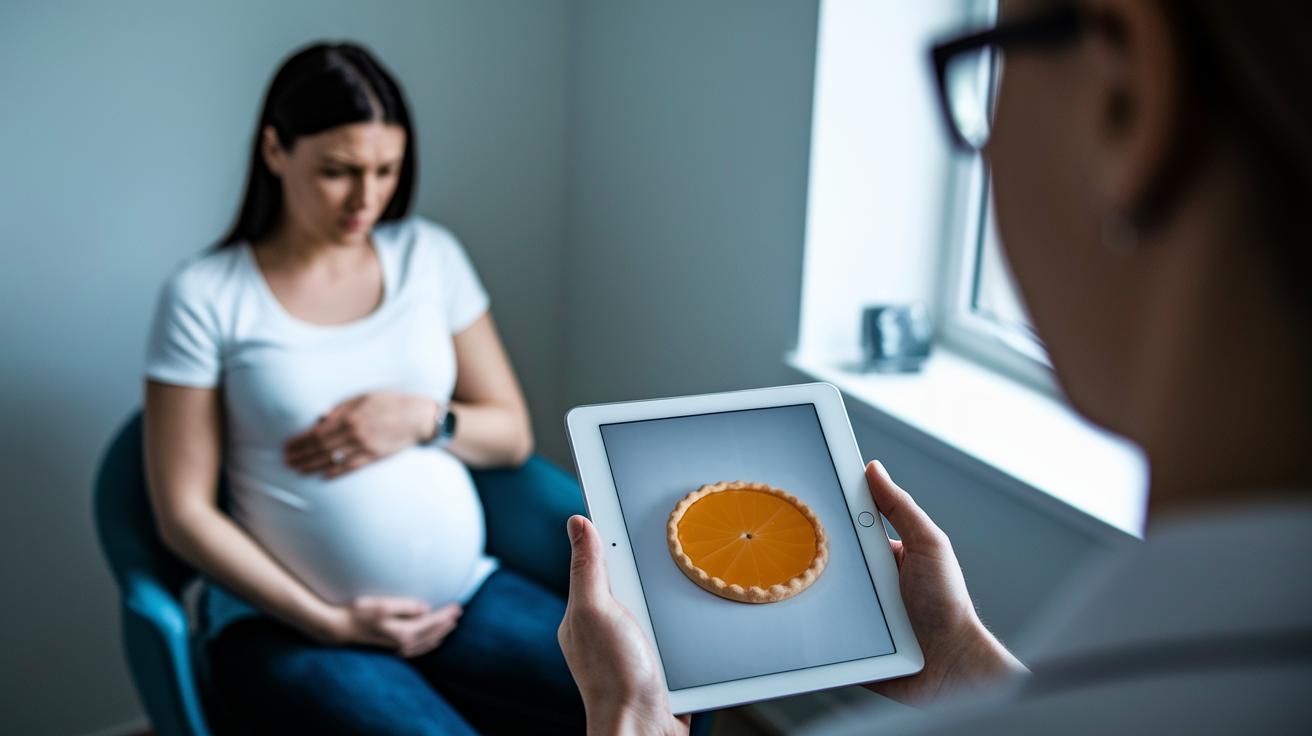
Noninvasive prenatal testing is a gentle method that detects trisomy 21 (commonly known as Down syndrome) with more than 99% accuracy. Most families get a strong signal, with false-positive results appearing in only about 0.1% to 0.3% of cases. Picture a small slice of a pie chart, though it might seem tiny, that bit can really shape decisions during stressful times. Still, small numbers like these remind us that no test is perfect. When results hint at a possible concern, healthcare providers may suggest a follow-up test like CVS or amniocentesis. These tests give more detailed answers but come with risks, including a small chance (around 0.1–0.3%) of miscarriage and some discomfort along the way.
Finding the right balance between the clear results and the risks involved is key. Families and care providers work together to decide if the extra detail is worth taking on even a small risk. It’s almost like choosing between a slightly adventurous route that gives you the full picture and a safer, less clear path.
| Test Type | Accuracy | Miscarriage Risk | Typical Use |
|---|---|---|---|
| Noninvasive test | Over 99% sensitivity | 0.1–0.3% false positives | Screening |
| Invasive test (CVS/Amniocentesis) | High diagnostic accuracy | 0.1–0.3% | Diagnostic confirmation |
Addressing Discrimination, Bias, and Social Justice in Prenatal Screening
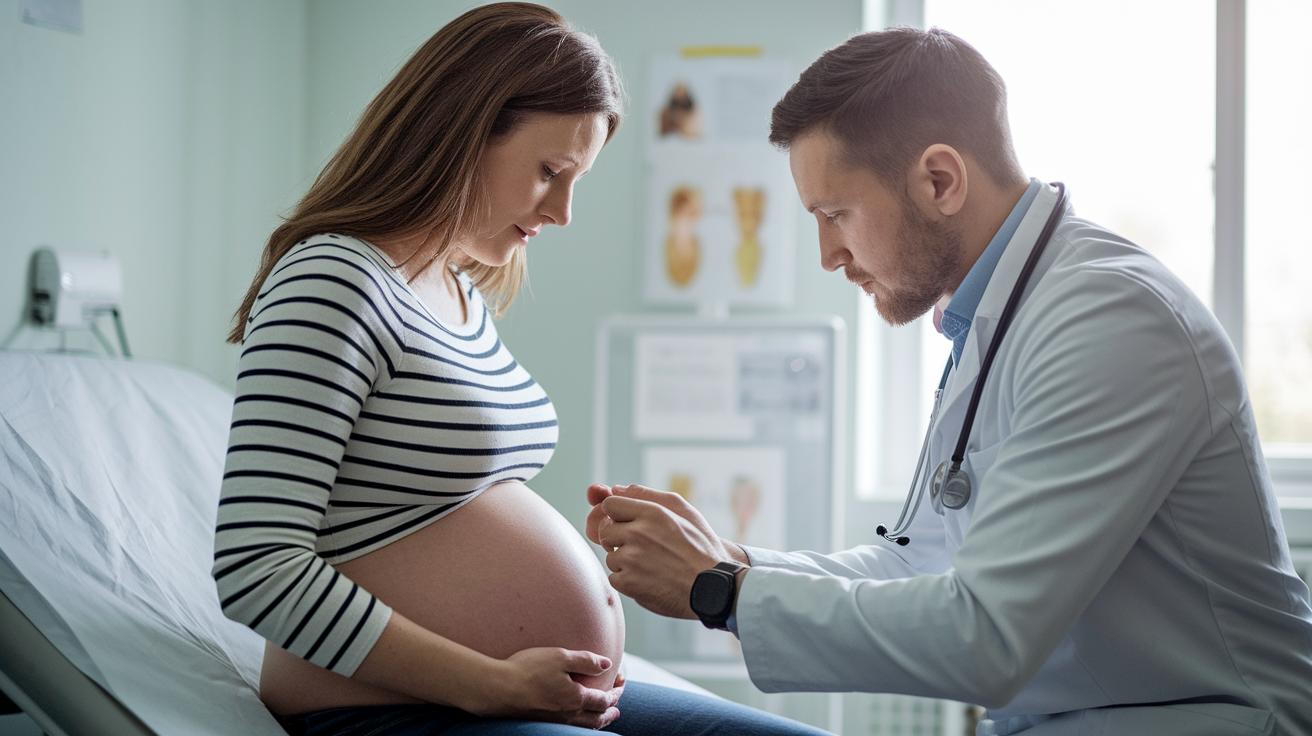
Sometimes, screening results stir up worries that go beyond just a health check. Families might fear that a positive test for a birth condition could later affect their insurance or even job options. History shows us that people with differences have often been treated unfairly. At times, these test results remind us of old debates about removing certain traits, which can feel very unjust. It makes us wonder if society truly values every person.
More and more folks are talking about making things fair for everyone. Imagine a doctor saying, "This is just one piece of information about your baby, it doesn’t decide your family’s future." Pretty reassuring, right? It shows healthcare workers can help take away harmful labels. In our community, we believe in giving clear and unbiased advice along with plenty of support. When every family has access to the care they need, screening turns into a guide for making choices rather than a reason for discrimination.
Counseling Challenges and Best Practices in Prenatal Screening

Many parents feel a bit overwhelmed when they have to decide on early testing. This can be really stressful, especially with quick decisions and a lot of emotions swirling around. Often, when the conversation in the clinic leaves some questions unanswered, families turn to online communities for a bit of comfort and clarity. Meanwhile, clinicians, racing against the clock, might not always have the right tools to explain what uncertain results actually mean. This gap can make families feel lonely and worried about what the future may bring.
Healthcare providers can ease this worry with some thoughtful approaches. For example, they can offer balanced information that shows both the good points and the limits of each test. It’s important to let families know that no test can give a perfect answer. Breaking down statistics using simple, everyday comparisons can turn confusing numbers into clear, friendly insights. Also, explaining follow-up testing options in a straightforward way can really help. Providers who recognize the heavy emotional side of these discussions and gently normalize the feeling of uncertainty can make a big difference. They might even suggest joining a support group where other families share similar experiences. Respecting each family’s unique background and values is essential. And taking a little extra time to answer questions helps everyone feel more at ease and supported.
| Strategy | What It Means |
|---|---|
| Balanced Information | Sharing both the benefits and limitations of tests |
| Relatable Comparisons | Using simple examples to explain statistics |
| Clear Follow-Up Options | Outlining next steps in a straightforward way |
| Acknowledge Emotions | Validating how families feel during these discussions |
| Support Networks | Connecting families with peer groups for shared experiences |
| Respecting Values | Honoring the unique cultural backgrounds and personal needs of each family |
| Extra Time for Questions | Providing that little bit of extra help to calm and support families |
Ethical Frameworks, Guidelines, and Policy in Prenatal Screening

Groups like ACOG (from 2016, updated in 2021) and RCOG have worked to create clear guidelines for pre-test counseling. They remind us to be honest, fair, and gentle when sharing details about genetic risks. It’s all about talking openly with families, understanding how heavy these decisions can feel, and giving clear, simple facts that let personal values shine through.
Policies aren’t the same everywhere. In some places, prenatal screening is just a normal part of care, while in others, it’s something you choose to do. This difference means our healthcare system should always put families first, making sure every test and explanation is handled with care and without any pressure.
Around the world, experts agree on a few things: clinical practices need to be flexible, open, and based on making decisions together. They stress the importance of clear information, protecting privacy, and treating even uncertain results with the same gentle transparency.
Doctors and healthcare professionals aren’t just expected to follow the rules, they need to keep their ways of explaining things fresh and easy to understand. Sometimes they might use everyday comparisons to explain complex ideas, helping families feel secure and well-informed. One trusted example that ties it all together is the Prenatal genetic test, which perfectly follows these thoughtful, evidence-based guidelines.
Future Directions and Emerging Debates in Ethical Prenatal Screening

Genome-wide sequencing and AI-powered analysis are changing the way we understand a baby's genes. These tools let us see more details than ever before, but they can also be confusing. When families receive detailed genetic reports, they might feel overwhelmed by the complicated information, and that can shake their confidence in making decisions.
Experts are suggesting that we set up regular ethics review panels to look over these changes and make sure we stick to our core values. Policy makers and community leaders are meeting often to figure out how to mix new testing methods with a family's right to choose freely. Have you ever wondered if more normal screening might sometimes push people into decisions they aren’t ready for?
Moving ahead means keeping our moral compass steady while embracing new tech. Doctors, ethicists, and lawmakers are working together to ensure these advances truly serve families. They believe that as technology improves, it must support families without taking away their rights or adding new worries during pregnancy.
Final Words
In the action of exploring ethical considerations in prenatal screening, we touched on informed consent, privacy protection, and risk balancing. We reviewed clear communication, non-directive counseling, and fair practices that support families. We also examined emerging debates around bias and technology. Each section highlights ways to uphold care while empowering informed choices. The discussion helps pave a thoughtful path forward, leaving us hopeful about progressive practices and supportive, evidence-based maternal care.
FAQ
What ethical issues does prenatal screening raise?
The ethical issues in prenatal screening center on balancing informed consent and personal autonomy with potential risks like discrimination and social bias. Clear and unbiased risk communication is essential for patient empowerment.
What ethical considerations are there for non-invasive prenatal testing (NIPT)?
The ethical considerations for non-invasive prenatal testing focus on balancing high sensitivity with the chance of false positives, protecting sensitive genetic data, and ensuring that patients receive clear, unbiased consent information.
What ethical considerations apply to prenatal genetic testing and diagnosis?
The ethics of prenatal genetic testing emphasize non-directive counseling, transparent risk presentation, and strict privacy safeguards. This approach supports patient-centered decisions amid the uncertainties of genetic screening results.
What ethical issues are associated with amniocentesis?
The ethical issues with amniocentesis involve weighing the small risk of miscarriage against the benefits of confirming uncertain screening results. Informed consent and clear communication help ensure that patients make well-supported decisions.
What are the ethical implications of mandatory genetic screening?
The ethical implications of mandatory genetic screening include concerns about compromising personal choice and autonomy, as well as increasing societal pressure on parents during emotionally challenging decision-making scenarios.
How have ethical guidelines in prenatal screening evolved recently?
Recent ethical guidelines in prenatal screening have adapted to advanced technology by emphasizing clearer informed consent, stronger data privacy, and balanced risk communication, all aimed at supporting both individual rights and social fairness.