Have you ever wondered if a high folate level could actually be a good sign? Many of us miss that a reading above 20 ng/mL shows something important about our nutrition. Folate naturally comes from foods like spinach and beans, while folic acid appears in many supplements and enriched breads.
This article helps you see how these numbers can be a guide for healthier choices. It’s about turning surprising test results into simple, clear insights that help you feel more in tune with your body.
Understanding High Folate: Serum Levels Explained
Before becoming a trusted health indicator, folate levels were mostly overlooked. But did you know that a serum folate reading above 20 ng/mL can share important hints about your body’s nutrition?
Folate, a kind of vitamin B9, naturally lives in foods like spinach, beans, and even liver. Then there’s folic acid, its man-made version, which pops up in supplements and enriched foods like bread and cereal. Labs check these levels with tests like immunoassays or microbiological assays, and a normal range usually falls between about 2.7 and 17 ng/mL.
In areas where food fortification is common, high readings can be quite normal. You might not feel any different, but these numbers help guide further nutritional or medical advice. So if a test keeps showing over 20 ng/mL, a doctor might suggest more follow-up, kind of like catching an unexpected note in a familiar tune.
Also, it's really helpful to know the difference between natural folate and folic acid. Natural folate is part of a balanced diet, while too much folic acid, especially from heavy supplementation, can push your levels higher. Keeping an eye on serum folate is just one way families can make informed choices about diet and supplements to support overall wellness.
Common Causes of Elevated Folate in Serum

When you take more supplements than recommended, your folate levels can get too high. For example, if you take over about 800 µg each day, the extra folic acid can build up in your bloodstream, much like pouring too much water into a small cup.
Sometimes, a lack of vitamin B12 can also throw off your balance of B vitamins. Since vitamin B12 helps your body use folate properly, not having enough can make it seem like your folate levels are higher than they should be, even if your diet is pretty good.
There are also certain health conditions that change how your body handles folate. For instance, if you have a type of anemia where red blood cells break down faster than normal, your body might use more folate than usual. Liver problems, which affect how your body processes nutrients, can also cause folate to stick around in your blood longer. And if you’re dealing with inflammatory conditions like rheumatoid arthritis or lupus, the stress on your body might speed up folate turnover. Even some cancers, where cells grow quickly, can cause these levels to rise.
Certain medications, such as methotrexate, phenytoin, or sulfasalazine, can also affect the way your body handles folate.
| Factor | Effect on Folate Levels |
|---|---|
| Too much folic acid supplementation | Increases serum folate |
| Vitamin B12 deficiency | Makes folate appear high |
| Health conditions (e.g., hemolytic anemia, liver disease, inflammatory disorders) | Boost folate usage or retention |
Each of these reasons, whether it’s taking in too many supplements or dealing with a health issue, can lead to higher folate readings in your blood.
Folate Folic Acid Serum High: Positive Health Outlook
High folate in your blood might seem like a sign of good health, but it can sometimes hide a vitamin B12 shortage. This mix-up can delay the right diagnosis and even put your nerves at risk. Think of your body as a kitchen where too many extra ingredients can upset a recipe you love.
Unprocessed folic acid can also tangle with your body's energy and mood. There’s some research that suggests too much folate might even speed up the growth of certain cells, which could affect your overall health. While real folate toxicity isn’t common, having too much over time might make your immune system less strong or lead to small shifts in your body’s balance.
Not everyone notices clear symptoms, which might seem reassuring. But if your tests keep showing high folate, it’s a good idea to take a closer look. Your doctor may recommend another test or ask you about your diet and supplements. Sometimes, they might even check your overall nutrition to help you make choices that work best for your life.
If you ever feel extra tired or notice changes in your mood, it could be your body’s way of asking for a checkup. Keeping an eye on these signs is just part of taking care of yourself. By staying on top of routine tests and being thoughtful about what you eat and the supplements you take, you can enjoy the benefits of balanced folate levels while keeping your body in good shape for the long run.
Interpreting Serum Folate Test Results Accurately
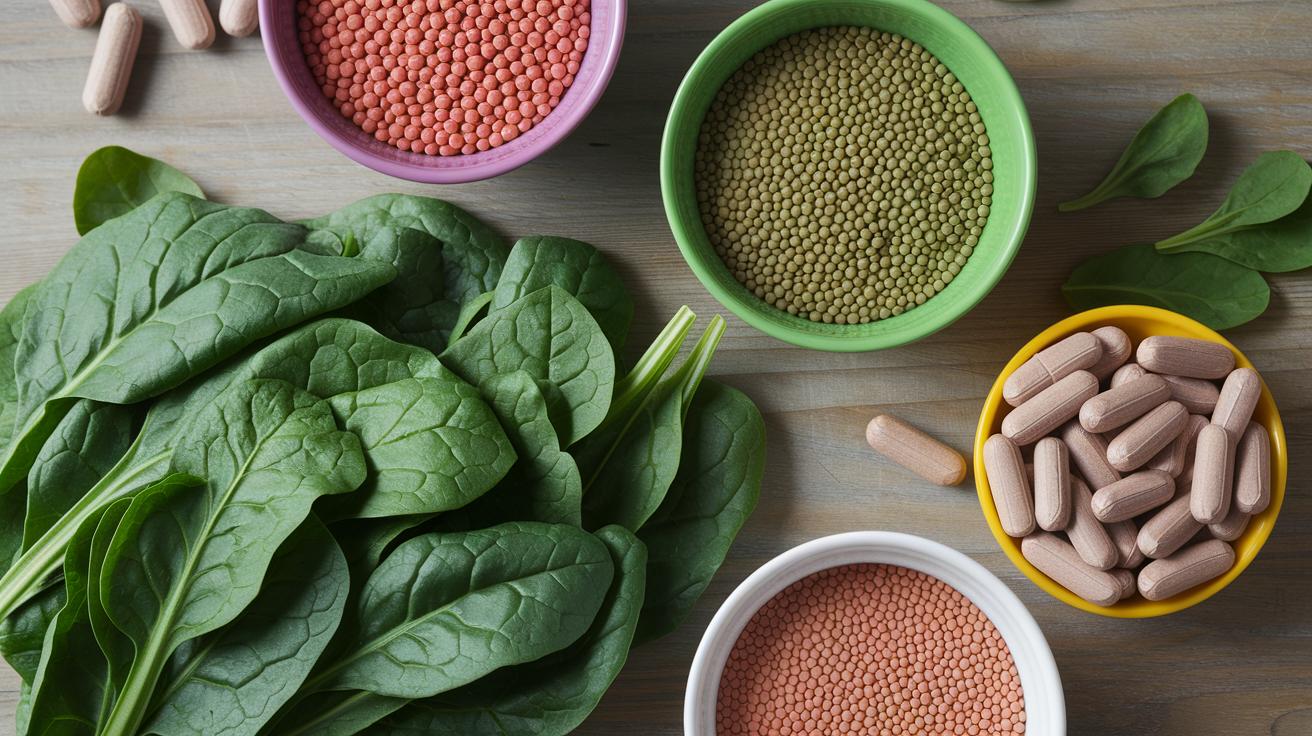
Serum folate tests check how much folate is in your blood, usually falling between 2.7 and 17 ng/mL. If your level is above 20 ng/mL, your doctor will likely recommend another test in a couple of weeks. Think of it as taking a quick snapshot of your body's nutrient levels, sometimes, you need a second look, just like checking the weather again on a day that might suddenly change.
Today’s lab tests often include checks for red blood cell (RBC) folate, vitamin B12, and homocysteine to give a fuller picture. RBC folate tells you about the long-term supply in your body, similar to looking at your pantry’s stored food rather than what’s just on the counter. Homocysteine, on the other hand, helps doctors figure out if folate is doing its job properly when the results look a bit off.
If you get a test result that seems higher than normal, your doctor might chat with you about your diet or any new supplements you’ve tried. A repeat test along with a look at your eating habits can help uncover why your levels are different and guide you on the next steps towards keeping a healthy balance.
Safe Folate Intake: Supplementation and Dietary Guidelines
Folic acid has a safe limit of 1,000 micrograms each day. If you get more than this from your supplements or fortified foods, you might notice extra folic acid in your blood. Prenatal vitamins usually offer between 400 and 800 micrograms a day. Just like adding the perfect pinch of spice to your favorite meal, this balanced amount supports a healthy pregnancy.
Folate in natural foods, like spinach, lentils, and liver, is not absorbed as easily as folic acid. Your body picks up folic acid quickly, which can sometimes lead to a little extra buildup if you take too much. So, including more folate-rich foods in your daily routine (as mentioned in our maternal diet and wellness guidelines) can help keep things in balance without overwhelming your system.
Some of us with MTHFR gene differences might find that using 5-MTHF (a form of folate) works better, because it’s easier for the body to use. When planning your supplements, keep in mind that most guidelines recommend about 400 micrograms a day. This amount helps reduce the risk of neural tube defects while keeping you within the safe range.
| Guideline | Recommended Amount |
|---|---|
| Tolerable Upper Intake | 1,000 µg per day |
| Prenatal Supplements | 400–800 µg daily (prenatal care vitamins) |
| MTHFR Variants | Consider 5-MTHF instead of folic acid |
By blending these guidelines with everyday meal choices, you can keep your folate levels just right, nourishing both your body and your little one with care.
Special Considerations: Genetics, Pregnancy, and Advanced Folate Testing

Sometimes, a change in a tiny part of your genes, called an MTHFR C677T polymorphism, can make it tougher for your body to turn folic acid into the form it really needs. When that happens, folic acid can build up in your blood. It might not give clear signs, but it tells us that a closer look is needed. Think of your body like a busy kitchen; if you add the wrong ingredient, it can throw off the whole recipe, and a small change in how you prepare things can really help.
Advanced tests, like looking at the folate in your red blood cells or checking for extra folic acid in your blood, give us a better peek at how well your body is using this important nutrient. If your folate levels are over 20 ng/mL, especially if you’re pregnant or planning a pregnancy, it’s a good idea to review the supplements you use. Many moms and soon-to-be moms find this testing very useful for making sure they’re getting the right mix of nutrients.
For those dealing with metabolic issues, trouble with enzymes in the folate cycle, it might be necessary to check folate levels regularly with blood tests. Using results from genetic tests and detailed assays, you can often adjust the type of supplement you use. For example, switching to methylfolate (a form that might be easier for your body to absorb) could be a better choice.
Imagine checking your pantry before you start cooking a big meal; these advanced tests help ensure that every ingredient in your body’s recipe is in the right place.
Final Words
In the action, the article highlights how folate levels are measured, explains natural sources and supplements, and discusses why high folate readings matter. It looks at what can cause higher numbers and the potential risks that come with them.
The post also breaks down how to interpret lab results and use dietary guidelines safely, while addressing genetics and pregnancy. Stay confident as you make informed choices about folate folic acid serum high.
FAQ
What does a folate level greater than 20 or 24 mean?
A folate level above about 20–24 ng/mL shows that your blood folate is higher than typical, often due to supplements or specific health issues, and it may be worth discussing with your doctor.
What are the symptoms of high folate levels?
High folate levels usually don’t cause clear symptoms but may hide a vitamin B12 shortage, which can lead to nerve issues like tingling or fatigue, making follow-up testing helpful.
How are high folate levels linked to cancer?
High folate levels might be connected to faster growth in some cancers, such as colon and prostate; this potential link means monitoring intake and health status is a wise step.
What medical conditions can cause high folate levels?
Conditions like liver disease, hemolytic anemia, and inflammatory disorders can raise folate levels by affecting how your body processes the vitamin, so it’s good to check overall health.
Is folate or folic acid better for pregnancy?
For pregnancy, folic acid is commonly used in prenatal vitamins at doses between 400–800 µg daily and is helpful in preventing neural tube defects with reliable absorption.
What is a normal folate level for a woman?
A normal serum folate level for a woman is typically between 2.7 and 17 ng/mL, reflecting a healthy balance that supports normal cell functions.
What does a high folate serum level mean, and what happens if folic acid levels are high?
A high folate serum, usually above 20 ng/mL, points to extra intake or absorption issues. Elevated levels can mask vitamin B12 deficiency symptoms, stressing the need for balanced nutrition.