
Ever felt exhausted even after a full night’s sleep? A simple folic acid blood test might help explain why. This easy check looks at your vitamin B9 level (a key part of making red blood cells and fixing your body’s tiny instructions). Many people are surprised to learn that a lack of folate could be the secret behind their low energy and mood swings. Keep reading to discover how knowing your folate level can help you feel stronger and more balanced day by day.
Understanding the folic acid blood test: Basic Overview

The folic acid blood test checks the level of folic acid (vitamin B9) in your body. Folic acid is key for making red blood cells and helping with DNA building. This quick test shows if your nutrient levels are normal, low, or high, which can point to issues like anemia or not getting enough nutrients.
In simple terms, a bit of your blood is drawn and sent to a lab to measure your folate. Many women discovered that their low energy levels improved significantly once they learned about their hidden folate deficiency! It’s amazing how a simple test can uncover something that might have been hiding all along.
Folate also plays a big role during pregnancy (it’s important for care during pregnancy). Getting enough folate helps your baby develop normally and lowers the risk of birth defects.
Doctors often suggest this test if you feel unusually tired, weak, or notice changes in your mood or thinking. It’s a handy check to help you understand your current health and guide you in taking care of yourself for the long run.
Preparing for a folic acid blood test

When you're getting ready for your folic acid blood test, there are a few easy steps to follow for the best results. First, try to fast for up to eight hours before your blood is drawn. That means you can only have water during this time, no food or other drinks, so your test gives an accurate picture of your folate levels. Think of it like giving your body a little break so the numbers stay true.
At Spectrum Health Laboratories, they won’t take your sample if you haven’t followed the fasting rules. This helps your doctor see your folate status clearly, without any extra boost from your last meal. Scheduling your test early in the day can make fasting feel a bit easier to handle. These simple steps will help ensure your test is smooth and your results are reliable.
How folic acid measurement test procedure works

When you go in for a folic acid test, a caring healthcare professional starts by cleaning a small area on your arm. They wipe the spot with an antiseptic to help remove germs and make sure it’s safe for a quick blood draw.
Once your arm is ready, the nurse gently places a needle into a vein. It might just feel like a soft tap, kind of like a little reminder that even small steps can reveal important insights about your health.
After they draw your blood, it’s carefully put into a tiny tube and sent off to a laboratory. In the lab, friendly experts check your folate levels in the serum (the clear, liquid part of your blood) or inside your red blood cells. This helps them see if your folate levels are normal, low, or high.
The entire process is simple and safe. You might notice just a tiny bruise or a little discomfort where the needle went in, but nothing serious. Every step is done with care, so your doctor gets a clear picture of your folate status. This careful testing helps spot any issues quickly and guides you on how best to keep up your health.
Interpreting folic acid blood test range and reference values

Your blood test gives you clear numbers that show how your folate is doing. When someone first saw their results, they felt relieved knowing the levels were in the normal range. If your serum folate is under 2 ng/mL, it might mean you have a deficiency. Values between 2 and 20 ng/mL are usually normal, while more than 20 ng/mL is considered high. This helps you check if you're getting enough folate.
It’s also important to know that red cell folate tests tell you about your long-term folate status. They show if your body has been keeping up good levels over time, although things like megaloblastic anemia (a blood disorder) or kidney problems can affect these numbers. You can usually get your results within one or two days, which means you won't have to wait long to understand your nutrient balance.
| Category | Serum Folate (ng/mL) | Red Cell Folate (ng/mL) |
|---|---|---|
| Deficiency | <2 | <140 |
| Normal | 2–20 | 140–600 |
| High | >20 | >600 |
These numbers can help you start a friendly chat with your doctor on ways to keep your health in check.
Recognizing folic acid deficiency: clinical signs and indications for screening

When you’re running low on folic acid, you might notice that your energy just isn’t there. Many moms see signs like feeling tired all the time, weakness, or even getting short of breath after a quick walk, just like that day when you struggled a bit more than usual. You might also feel a bit confused or find it hard to concentrate, and that could be your body’s gentle nudge that something’s off.
Sometimes, a condition called megaloblastic anemia shows up. This is when your red blood cells grow unusually big and misshapen, which makes it hard for them to do their job well. Often, your doctor might suggest checking your folic acid levels when they spot something unusual in your regular blood tests.
If you’re experiencing these signs, it’s a good idea to talk with your healthcare provider. Early awareness can lead to small, simple dietary tweaks, maybe even following maternal diet and wellness guidelines, to help boost your well-being. By keeping an eye on these signals and chatting with your doctor, you’re taking a peaceful step toward feeling more energetic and healthy every day.
Comparing serum folate analysis vs red cell folate measurement
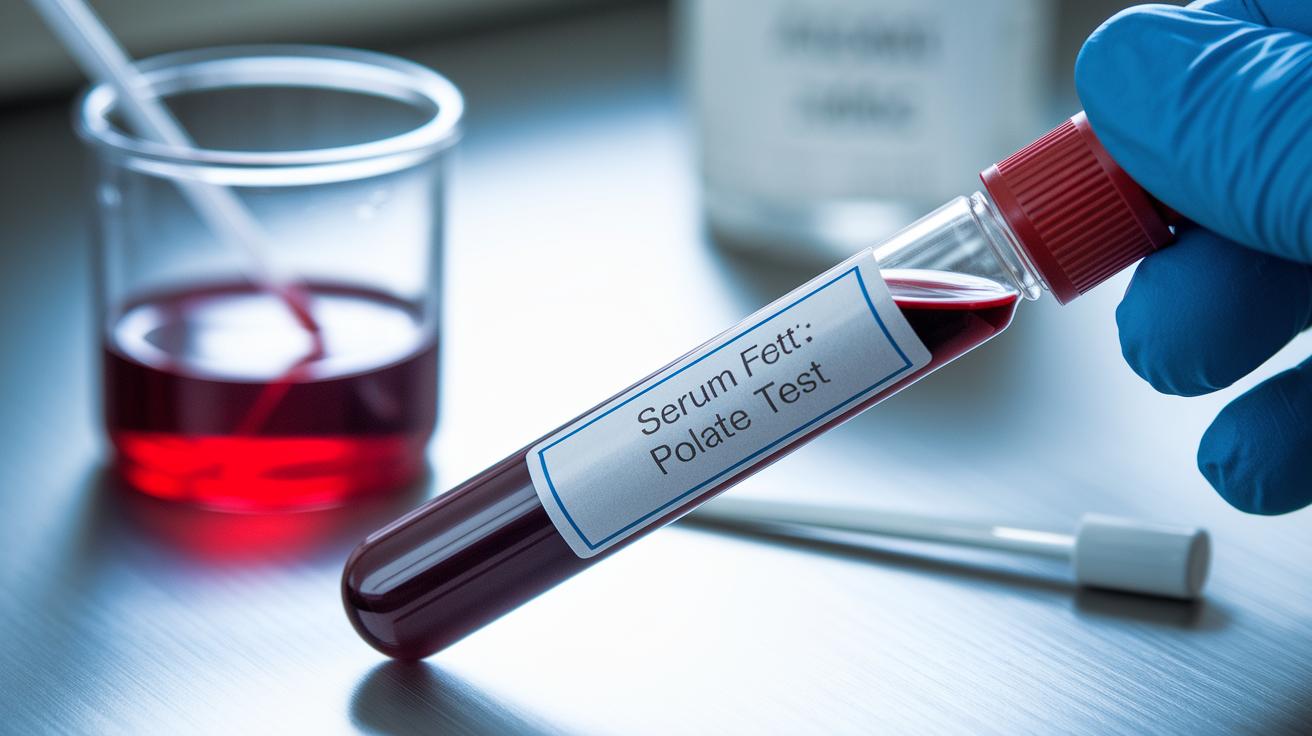
When you get a serum folate test, it’s like taking a quick peek at your diet right before the check. This test looks only at the liquid part of your blood, so it shows what you’ve eaten recently. Think of it as checking the water level in your glass just after you filled it, it’s all about that immediate snapshot.
On the other hand, the red cell folate test goes a bit deeper. It looks inside your red blood cells to see how much folate you’ve stored up over time, much like watching a slowly filling reservoir. Even though both tests require a simple blood draw, the lab uses different methods to measure each type.
In short, if you want to know how your latest meals affected your folate level, go with the serum folate test. But if you’re curious about your overall folate stores over the past few months, the red cell folate test is your best bet.
Timing and cost factors for folic acid blood test screening

Checking your folate levels is both simple and affordable. The cost for a folic acid screening can vary depending on where you get it done and your insurance plan. Some clinics include it as part of a regular checkup, while others might charge a separate fee. Usually, you can expect your results in one or two days. You might see them on an online portal, get a quick phone call, or even receive them by mail, like a brief update on your health.
There are some really convenient options now too. Mobile services and at-home kits for folate and B12 screenings make it even easier. Imagine setting up your test as easily as scheduling a mobile appointment, it’s a smart way to keep track of your nutrient levels without interrupting your day. Taking these steps helps you monitor your health with minimal effort and cost.
Final Words
In the action, we broke down the folic acid blood test, from what it is and how it's done to how to prepare and interpret results. We talked about proper fasting, the simple blood draw, and what low or high values might mean, along with signs of deficiency. We even compared serum folate with red cell folate and touched on timing and cost matters. Remember, your folic acid blood test can help guide you toward confident, informed care for you and your little one.
FAQ
What is the folic acid blood test Name?
The folic acid blood test is known as the folate test. It measures vitamin B9 levels in your blood and helps check for issues affecting red blood cell production and DNA formation.
What is the normal range for a folic acid test?
The folic acid blood test normally shows serum levels between 2 and 20 ng/mL. Levels below 2 may signal a deficiency, while readings above this range indicate higher than usual vitamin B9.
What does it mean if my folic acid blood test is high?
A high result means your vitamin B9 level exceeds the normal range. This may result from extra intake through food or supplements and can prompt further discussion with your healthcare provider.
Should I fast before taking a folic acid blood test?
Fasting before the test is recommended. Fasting for up to eight hours with only water helps avoid false elevations in folate levels, leading to more accurate test outcomes.
Is a folic acid test useful for males too?
A folic acid blood test is useful for both men and women. Vitamin B9 is important for overall health, so the test helps assess your nutritional status regardless of gender.
What is a normal folate level for a woman?
A normal folate level for a woman is typically within the 2 to 20 ng/mL range in a serum test. These levels support proper red blood cell production and DNA synthesis.
What are the symptoms of high folate levels?
High folate levels usually do not cause clear symptoms. In some cases, very high readings may be linked with liver conditions or supplement overuse, though specific signs are rare.
How is the folic acid test used during pregnancy?
In pregnancy, the test checks vitamin B9 levels, which are vital for the baby’s development. It guides the use of prenatal care vitamins to support a healthy pregnancy.
What does a folic acid blood test show?
The test shows how much vitamin B9 you have in your blood, indicating whether levels are normal, low, or high. This helps detect nutritional imbalances and absorption concerns.
What are the symptoms of low folic acid?
Low folic acid levels may cause fatigue, weakness, shortness of breath, pale skin, and mental changes. These signals suggest your body might need more vitamin B9.
Are B12 and folic acid the same?
B12 and folic acid are different vitamins. While both support red blood cell production, they serve distinct roles and are measured separately to assess your vitamin status.
Is folic acid tested in a CBC?
A complete blood count (CBC) does not include folic acid testing. Vitamin B9 levels must be checked with a separate blood test to fully evaluate your folate status.