
Have you ever thought a tiny nutrient might change your pregnancy journey? Folic acid is a simple vitamin that helps keep both you and your baby healthy, especially during those early, important days. It supports the baby’s early growth and helps form the neural tube (the beginning of the brain and spine).
Did you know that nearly 3,000 newborns in the U.S. face neural tube issues each year? That’s why taking the right dose of folic acid is so important.
In this guide, we'll talk about five easy, research-backed steps to help you get the right amount. Let’s explore these practical tips together for a healthier, happier pregnancy.
Essential Folic Acid Dosage Guidelines for Key Populations
Folic acid is a little nutrient with a big job, and getting the right amount each day can really help. Experts recommend that women who might become pregnant aim for at least 400 μg a day. If you're expecting, 600 μg daily is best since it supports your baby's early development (the neural tube forms by about day 28 after conception). And remember, it’s important not to go over 1,000 μg a day so you don’t accidentally hide signs of a vitamin B12 shortage.
Taking your daily dose of folic acid not only supports your baby’s development, but it also helps keep you healthy overall. Studies show that the right amount can reduce the risk of neural tube defects by 70% or more, which is really impressive. With nearly 3,000 babies born each year in the U.S. with these defects, it’s clear that following these guidelines is super important. Whether you’re planning a pregnancy, already expecting, or breastfeeding, combining a balanced diet with supplements like prenatal vitamins when needed can give you peace of mind.
| Population | Recommended Dose (μg/day) | Upper Limit (μg/day) |
|---|---|---|
| Women (19–50) | 400 | 1,000 |
| Pregnant Women | 600 | 1,000 |
| Lactating Women | 500 | 1,000 |
| Adults (Males ≥ 19) | 400 | 1,000 |
Sticking to these folic acid guidelines can make a real difference. It supports healthy development and lowers the risk of birth defects while keeping you feeling well. Taking just a small step each day can lead to big, positive changes for you and your family.
Folic Acid Dosage During Preconception and First Trimester

Preconception Folic Acid Strategy
Before you even think about conceiving, it’s a good idea to start taking 600 μg of folic acid every day about four weeks ahead of time. This little step is really important because the baby’s neural tube, which eventually grows into the brain and spinal cord, begins to form just 28 days after conception. Think of it like prepping the soil before you plant a garden, getting everything just right from the start can help lower the risk of issues like spina bifida, anencephaly, and other birth defects. I like to imagine it as laying a strong foundation to help your baby grow healthy and strong.
Taking folic acid early not only supports your future baby’s development but also benefits your overall health by reducing the chance of certain heart and facial birth differences. Planning ahead makes the whole journey into pregnancy feel a bit smoother and gives you confidence knowing you’re doing everything you can for your little one.
First Trimester Folic Acid Plan
Once you’re pregnant, it’s important to keep up with that daily dose of 600 μg of folic acid through the first 12 weeks. This part of the journey is a bit like making sure your favorite recipe turns out perfectly every time, by sticking to the plan, you help keep all the important building blocks in balance during early development. It’s a small routine that can mean a big difference for your baby’s growth.
During these early weeks, checking in with your healthcare provider is really helpful. They can offer advice or suggest adjustments based on what you’re eating and your overall health. This way, you and your baby get the maximum benefit from your folic acid plan, and you can feel secure knowing you’re on the right track.
Adult Folic Acid Dosage for Non-Pregnant Adults, Seniors, and Men
If you're 19 or older, a daily dose of 400 μg of folic acid is just right. This simple amount helps your cells grow and repair, keeping you feeling your best. Folic acid is a synthetic version of the vitamin, and it’s easier for your body to use than the natural kind, so you don’t have to worry about extra fuss.
As we age, our bodies sometimes slow down on absorbing folic acid. Seniors, in particular, might find it helpful to check in with a doctor once in a while to see if they need to adjust their intake. It’s a good idea to keep track of your folate levels, this way, you can make sure you’re still getting the benefits as your body changes over time.
Besides supporting healthy cells, folic acid also plays a part in lowering homocysteine levels. Lower homocysteine can mean a healthier heart, which is always a plus. There’s even some talk that the right amount of folate might help keep your mind sharp. So, sticking with that 400 μg daily dose could be a simple step for non-pregnant adults, including men and seniors, to keep their hearts happy and minds clear.
Safety and Upper Limits of Folic Acid Dosage

Folic acid is an important nutrient, but even the good ones should be taken in the right amount. The safe upper limit for folic acid from supplements is 1,000 μg per day. This limit is set so that high doses do not mask signs of a vitamin B12 shortage (which can cause health problems that you might not notice right away). By sticking to 1,000 μg or less, you can enjoy the benefits of folate (vitamin b9) without extra risks.
Some people might experience side effects like:
- Nausea
- Bloating
- Gas
- Trouble sleeping
If you ever think about taking more folic acid than usual, it’s really a good idea to talk with your healthcare provider. They can review your overall diet and any health issues to see if a different dose might work better for you. For instance, if you need a high dose to help counter the effects of certain medications, such as methotrexate, working with a healthcare team can ensure that you stay safe while getting the support you need. Remember, asking for advice is a smart way to protect your health and meet your nutritional needs.
Optimizing Folic Acid Supplementation: Timing, Forms, and Absorption
When you set up your folic acid routine, little timing tweaks can make a big difference. Lots of moms have noticed that taking their supplement in the morning with a meal helps their stomach feel better and makes the vitamin work more efficiently. Sometimes, splitting your dose throughout the day keeps your folate levels steady and supports your overall well-being during pregnancy. These simple timing tips are easy to slip into your everyday life.
It’s also good to understand the forms your supplement can take. Synthetic folic acid (the man-made version) is usually absorbed more easily than the folate you get from food. That means a steady, measured dose from your supplement might work better than just focusing on diet alone. Choosing the right type and timing can really help you get the extra boost you need for a healthy pregnancy.
Your diet and even some medications can change how well your body takes in folate. Foods loaded with healthy fats and fiber can boost absorption, while things like alcohol, antacids, and certain meds might slow it down. Knowing what affects your folate absorption lets you make small tweaks to fit your needs.
Another idea worth considering is pairing vitamin B9 (folic acid) with vitamin B12. This duo not only complements your folic acid routine but may also help your body use nutrients more effectively. Keeping these simple tips in mind can make your supplement plan work even better, making your pregnancy journey just a little brighter.
Dietary and Fortified Sources to Meet Folic Acid Dosage Goals
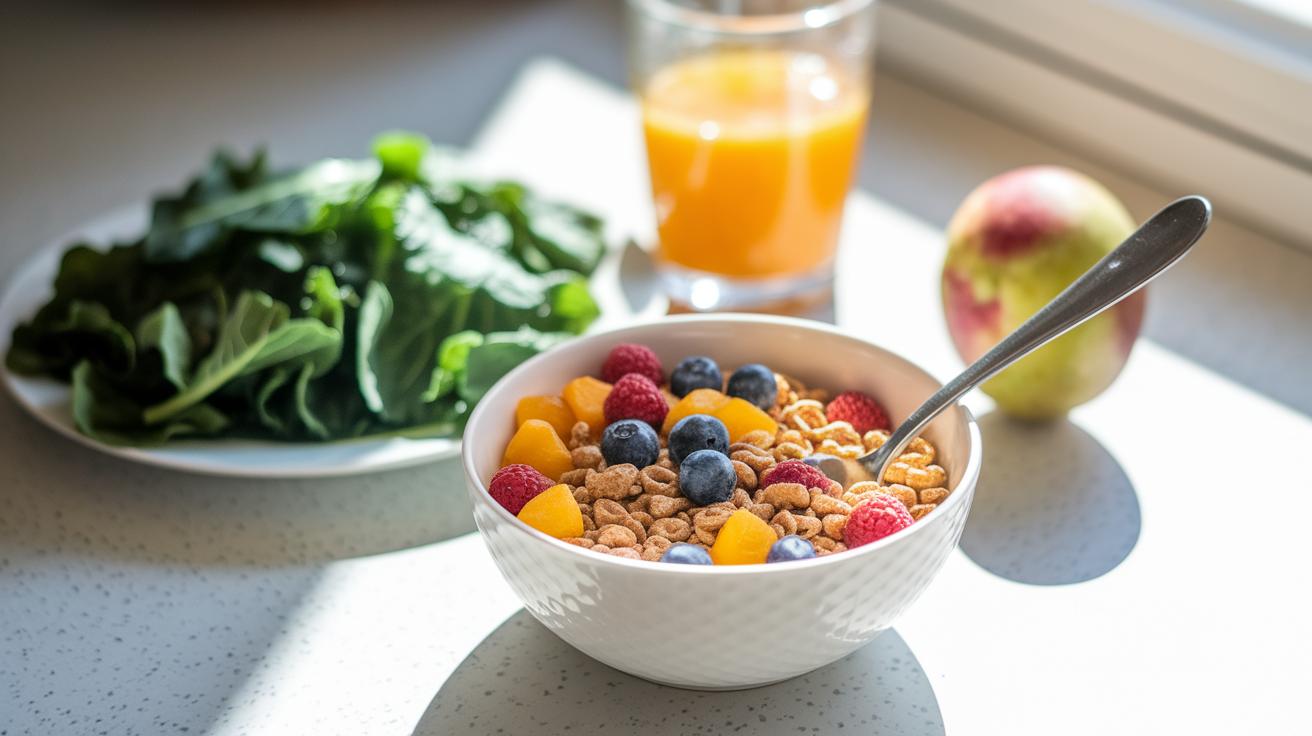
Leafy greens like spinach, beets, and broccoli are some of our best natural picks for vitamin b9 (folate). Even a few spears of asparagus, about four, give you roughly 89 micrograms of folate along with a gentle boost from its anti-inflammatory and antibacterial benefits. It’s a simple, tasty way to add more of this vital nutrient to your day.
In the United States, many cereals and enriched breads come fortified with folic acid, which makes it easier to get your daily dose. You might even find a serving of cereal that covers over 100% of your daily needs. It’s a fun and convenient option for busy mornings or when you need a quick boost.
For a balanced approach, why not mix natural foods with fortified ones? You can start your day with a bowl of fortified cereal and at lunch or dinner enjoy a mix of leafy greens or steamed veggies. That’s an easy and delicious way to keep your folate levels steady all day long.
Final Words
In the action, we covered key points of folic acid dosage, from daily needs for women of childbearing age to careful monitoring during pregnancy and beyond. We talked about safety limits, the benefits of proper timing, and how supplement choice can affect absorption. Breaking down recommendations into clear guidelines helps support healthier outcomes and confident parenting steps. Embracing these expert insights encourages positive habits that can make a real difference in daily wellness and long-term health.
FAQ
Folic acid dosage for adults?
The folic acid dosage for adults is typically 400 μg daily to support heart health and overall well-being.
Folic acid dosage 5mg?
The folic acid dosage 5mg refers to a higher, medically prescribed amount used in special cases under healthcare provider guidance.
Folic acid dosage for child?
The folic acid dosage for a child varies by age and weight; a healthcare provider should determine the proper amount for safe and effective use.
Folic acid dosage pregnancy?
The folic acid dosage during pregnancy is generally 600 μg each day to support fetal neural tube development and reduce the risk of birth defects.
Folic acid dosage for women?
The folic acid dosage for women of childbearing age is usually 400 μg daily to promote reproductive health and overall nutrition.
Folic acid dosage 5mg for adults?
The folic acid dosage 5mg for adults is a concentrated option prescribed for specific clinical needs and should only be taken under medical supervision.
Folic acid dosage for seniors?
The folic acid dosage for seniors remains around 400 μg daily, though individual needs may vary; regular checkups help ensure appropriate absorption and benefits.
Folic acid dosage for anemia?
The folic acid dosage for anemia is tailored by a healthcare provider based on the severity of deficiency to effectively correct the issue while monitoring overall health.