
Have you ever thought that one simple nutrient could jump-start starting a family? Folic acid might be that little boost you need.
It helps your body make red blood cells and supports cell growth. This creates just the right room for new beginnings. Recent studies show that keeping folate levels balanced can make embryo quality better and improve your chances of conceiving.
Many moms have shared how folic acid set the stage for their pregnancies. Today, let’s chat about how this key nutrient lays a strong foundation for bringing a baby into your life.
Folic Acid Fertility: Bright Boost for Conception
Folic acid is the man-made form of vitamin B9 (folate) and helps your body make red blood cells that carry oxygen. It creates a healthy space for eggs and developing embryos. Think of it like putting together a puzzle, each new cell plays its part in completing the picture. Research shows that keeping your folate levels just right before and during early pregnancy not only supports your overall reproductive health but can also improve embryo quality and boost your chances of conception, including better outcomes with IVF.
If you’re planning to start or grow your family, folic acid can be a real friend. Early use of this nutrient has been linked to a significant drop in the risk of neural tube defects like spina bifida, up to a 70% reduction! Many women also share that taking folic acid helps with balanced menstrual cycles and even supports healthy embryo growth by gently balancing reproductive hormones.
Working right at the cell level, folic acid builds a strong foundation for conception. It aids in cell division and DNA repair, much like carefully assembling a puzzle piece by piece. In this way, folic acid not only promotes a fertile environment but also becomes a trusted helper as you nurture the tiny beginnings of new life.
Recommended Folic Acid Dosages for Preconception and Early Pregnancy
Getting the right folic acid is important when you’re preparing your body for a baby. Taking about 400 mcg each day helps your body make enough red blood cells and creates a healthy setting during those first 12 important weeks after conception. Keeping your intake under 1,000 mcg daily also makes sure you don’t accidentally hide a vitamin B12 shortage, which is important for your overall well-being. This careful dose helps make sure your nutrient levels are just right as you get ready for a healthy start.
| Population Group | Recommended Daily Dose | Upper Limit | Notes |
|---|---|---|---|
| General Preconception | 400 mcg | 1,000 mcg | Standard dose for healthy women |
| Early Pregnancy | 400 mcg | 1,000 mcg | Recommended during first 12 weeks |
| High-Risk Cases | 5,000 mcg | N/A | Special conditions; use only with doctor supervision |
Remember, everyone’s needs are a bit different. It’s a good idea to talk with your doctor about these guidelines. They can look at your health history, including any past neural tube issues, a higher body mass index, or the use of anti-epileptic medicine, and help you decide what’s best. Working together with a healthcare professional can make sure your folic acid plan is just right as you prepare for a growing family.
Natural Food Sources vs. Fortified Forms of Folic Acid for Fertility
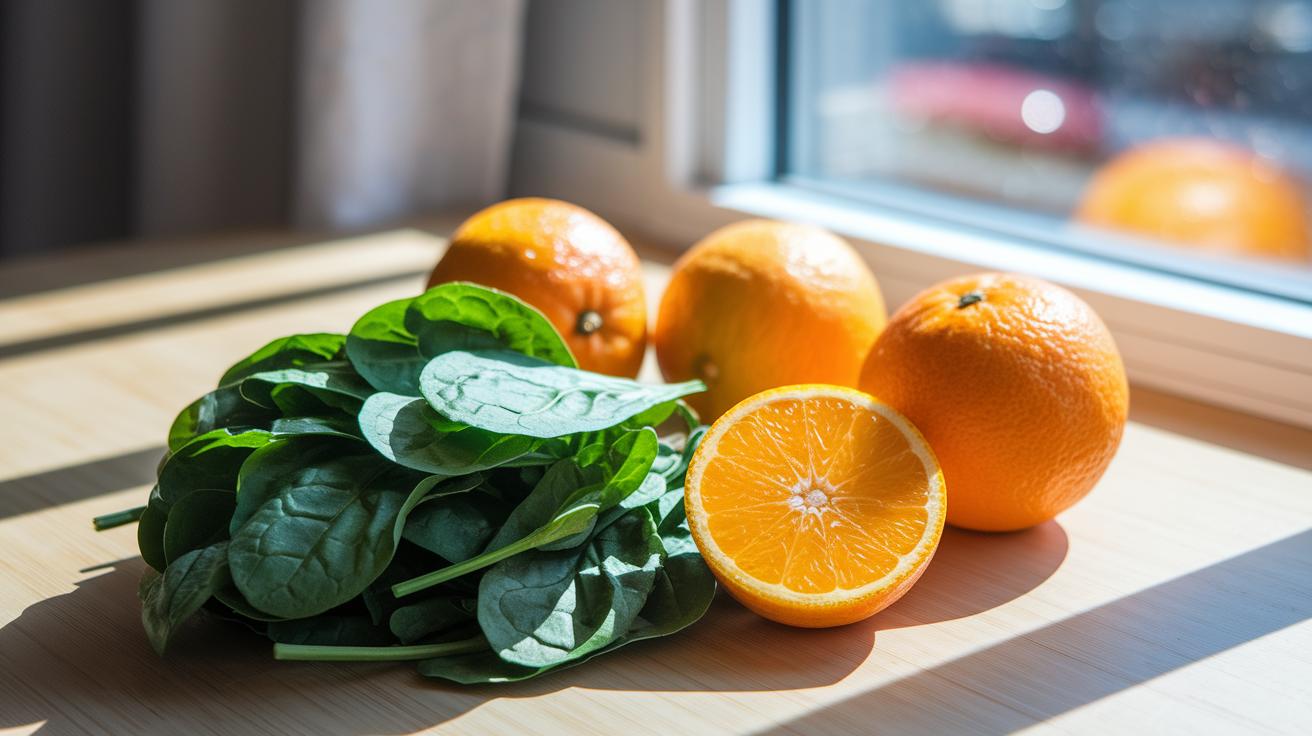
Folate is key to preparing your body for a healthy start, and you can get it in two great ways. Natural folate comes from fresh foods like leafy greens, beans, and citrus fruits, the kind of foods that offer gentle, natural support. Meanwhile, fortified foods, such as breakfast cereals and wheat flour with added folic acid, give you a more easily absorbed form, so your body can use it efficiently.
Here’s a quick look at some common folate sources:
| Food | Serving | Folate (mcg) |
|---|---|---|
| Spinach | 1 cup raw | 58 |
| Kale | 1 cup raw | 19 |
| Lentils | 1/2 cup cooked | 179 |
| Chickpeas | 1/2 cup cooked | 141 |
| Orange | 1 medium | 40 |
| Whole Wheat Bread | 1 slice | 27 |
| Broccoli | 1/2 cup cooked | 57 |
For a broader look at nutrients, check out essential vitamins and nutrients for maternal well being.
Mixing a balanced diet of these natural, folate-rich foods with fortified options lets you enjoy both the gentle benefits and the easy absorption of folic acid. This blend helps support your overall reproductive health just as you prepare for pregnancy, a simple way to give your body a solid, nutritious start.
Folic Acid’s Impact on Male Reproductive Health

Folate helps sperm grow the right way. Over about 60 days, sperm mature and need folate to help cells divide and fix their DNA. It's a lot like making sure every brick in a small building is in the right place. Imagine building a bridge piece by piece so you can safely cross over, each piece is important. Folate works as a steady helper, giving each sperm cell a strong start for its important job.
Studies show that men with enough folate tend to have healthier sperm. Their sperm often come in better numbers, move more smoothly, and have stronger chromosomes. This boost in quality might just make a big difference if you are planning a family. Have you ever noticed how a small change can really brighten your day? This little nutrient could be one of those caring details that support a hopeful journey toward parenthood.
Safety, Timing, and Best Practices for Folic Acid Supplementation in Fertility
When you're planning for a baby, it's a good idea to start folic acid at least one month before you try to conceive and keep taking it through the first 12 weeks of pregnancy. This way, your body has the folic acid it needs by the time ovulation happens, which helps your egg and early embryo grow strong. Think of it like preparing a beloved family recipe, each ingredient, added at just the right time, makes all the difference.
For many moms, taking up to 1,000 mcg each day works well. But sometimes, if there's a history of neural tube defects, if you take certain medications (like those for epilepsy), or if you have a higher body mass, your doctor may advise a different dose. It’s a bit like chatting with a coach before an important game, getting advice that fits your unique needs helps ensure everything supports your overall health.
Final Words
In the action of boosting your understanding, this post unpacked how folic acid shapes conception and fertility, offering insights for both mothers and fathers. We touched on recommended dosage basics, compared natural sources with fortified folic acid, and shared tips on timing and safety.
By blending expert advice with real-life tips, we hope you feel more confident about making informed choices for your health. Keep embracing your journey with care and remember the benefits of folic acid fertility as you plan for a bright future.
FAQ
How long after taking folic acid will I get pregnant?
The time to benefit from folic acid isn’t immediate. Folic acid works to prime your body for a healthy pregnancy; many experts suggest starting at least one month before trying to conceive.
What is the recommended dosage of folic acid for fertility and what is the maximum safe amount?
The recommended folic acid dosage for fertility is typically 400 mcg daily, with a maximum of 1,000 mcg unless your provider advises a higher dose like 5mg for specific cases.
Which folic acid supplements or tablets are best for getting pregnant?
The best folic acid option is a trusted, high-quality supplement that delivers the right dosage. Look for brands that meet accepted prenatal care standards to support your conception.
Does folic acid help you get pregnant faster?
Folic acid helps build a healthy environment for conception by supporting early embryo development, though it isn’t a shortcut to a quick pregnancy. Its role is to ensure overall reproductive health.
How does folic acid work for women planning to have twins?
When planning for twins, folic acid still plays a crucial role by supporting early pregnancy health. Your doctor can tailor the dose based on your needs, so a consultation is always recommended.